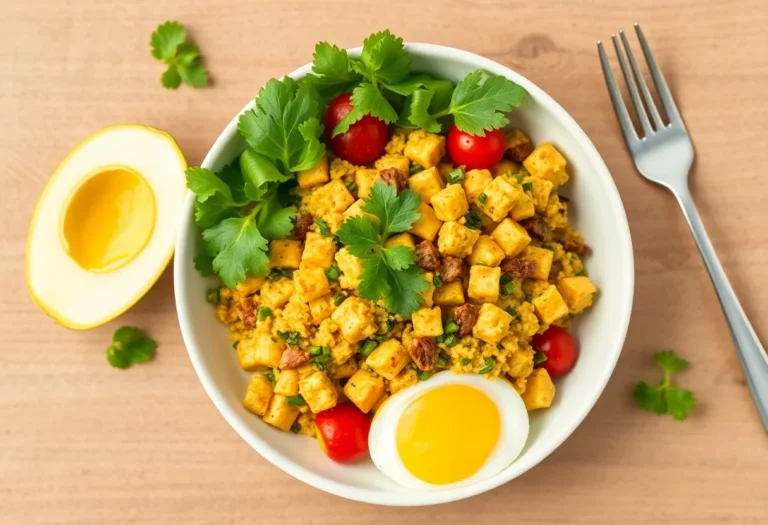
Low Carb Vegan Dinner
Ditching meat and cutting carbs at the same time might sound like a recipe for a sad, boring plate. But you can absolutely build a low carb vegan dinner that’s filling, flavorful, and nutritionally solid. This guide walks you through the swaps, staples, and strategies that make plant based, carb conscious eating something you’ll actually stick with.
Key Takeaways:
- Protein doesn’t have to come from meat or a mountain of carbs. Tofu, tempeh, edamame, and seitan all pack serious protein without the noodle or rice pile you might expect on the side.
- Swapping starchy vegetables for their low-carb cousins changes everything. Cauliflower rice instead of white rice, zucchini noodles instead of pasta – same comfort, way fewer carbs.
- Sauces and seasonings make or break a vegan dinner. A good tahini dressing or peanut sauce turns a plain bowl of veggies and tofu into something you’ll actually crave again.
Is a low-carb vegan diet actually doable?
Skeptics love to tell you that plants and carbs are basically the same thing. They’re not wrong that rice, bread, and pasta dominate a lot of vegan plates, but that’s a habit, not a rule. Swap grains and starchy fillers for cauliflower, zucchini, mushrooms, and leafy greens, and your plate changes completely. Fiber stays high, blood sugar stays steadier, and you dodge that sluggish, bloated feeling that comes after a carb-heavy meal. A grain-free approach built entirely on whole plant foods can actually reduce inflammation markers and support better digestion, since you’re leaning on vegetables with natural enzymes and water content instead of processed flour products.
Cutting grains doesn’t mean cutting nutrients. Your body still gets potassium from avocados, magnesium from leafy greens, and antioxidants from colorful peppers and berries. Combine that with lower overall glycemic load, and you’ve got a way of eating that supports steady energy without the crash. Doable isn’t just possible here, it’s sustainable once your palate adjusts.
My honest struggle with cutting carbs
Weeks one and two were rough, plain and simple. Your brain craves glucose, and mine screamed for bread every single evening. I missed the comfort of a warm bowl of rice under my stir fry, and I underestimated how much I relied on carbs to feel “full.” Snack time became a minefield too, since so many vegan convenience foods are secretly starch bombs disguised as health food.
Grocery shopping forced me to slow down and actually read labels, something I’d gotten lazy about. Roasted cauliflower rice became my saving grace, along with spiralized zucchini noodles that finally scratched that pasta itch. Cravings didn’t disappear overnight, but they faded once my energy stopped crashing mid afternoon. Around week three, something clicked, and I stopped missing the grains altogether.
What’s actually in it for you?
Energy levels shift first, usually within the initial week or two. Steadier blood sugar means you skip that heavy, sleepy feeling after lunch, and afternoon slumps become far less common. Digestion often improves too, since you’re eating more fibrous vegetables and less refined starch that tends to sit heavy in your gut.
Weight management tends to feel easier as well, not because you’re starving yourself, but because nutrient dense, low carb plant foods keep you satisfied longer. Skin clarity, better sleep, and reduced bloating show up for a lot of people who make this switch. None of it happens instantly, but give it a few consistent weeks and you’ll likely notice real, tangible changes in how your whole body feels.
So, where’s the protein?
Skip the protein powder for a second and think about what’s actually on your plate. Plant based eating without grains or legumes in heavy rotation means you’ve got to get smarter about your protein sources, not just eat more of them. Eggs, if you’re not strictly vegan, and the usual suspects like tofu, tempeh, and seitan become your main players. Nuts and seeds pull some weight too, but they’re calorie dense and easy to overdo, so they work better as a supporting cast member than the star of the show. The goal here is satiety, that feeling of being genuinely full, not just having checked a box on a nutrition label.
Numbers matter, but so does texture and chew. A dinner that’s technically high in protein but feels like a snack won’t cut it when you’re hungry at 8pm. You want foods with some bite to them, something that takes a minute to eat and actually registers with your brain as a meal. That’s part of why the plant proteins below show up so often in low carb vegan cooking: they hold their own on a plate without needing a mountain of rice or beans to feel substantial.
Tofu isn’t as boring as you think
Firm and extra firm tofu pack a real protein punch, somewhere around 10 grams per half cup serving, with barely any carbs to speak of. That ratio alone makes tofu a workhorse in a low carb kitchen. But the reputation for blandness comes from people boiling it or tossing it into a dish without pressing out the water first. Press it properly, and suddenly it takes on marinades and crisps up beautifully in a hot pan or air fryer.
Silken tofu deserves a mention too, though it plays a different role. Blended into sauces or dressings, it adds creaminess and a protein boost without announcing itself. Cubed and pan seared with a bit of tamari and garlic, firm tofu turns into something with actual texture contrast, crispy outside, custardy inside. Give it a spice rub before cooking and you’ve got something that stands up to bold flavors instead of hiding from them.
Tempeh and seitan are your new BFFs
Tempeh brings something tofu can’t: a nutty, slightly funky flavor and a firm, chewy texture that holds up to grilling, roasting, or crumbling into a skillet. It’s fermented soybeans pressed into a block, and that fermentation process means it’s often easier on digestion than straight soy. Protein wise, it beats tofu, clocking in around 15 to 16 grams per half cup, while keeping carbs low enough to fit comfortably into your daily count.
Seitan is the wild card here, made from wheat gluten, so it’s off the table if you’re avoiding gluten, but for everyone else it’s basically a protein bomb. Some varieties hit over 20 grams per serving with next to no carbs at all. Texture wise, it’s the closest plant food gets to actual meat, chewy and dense, which makes it sat
Let’s talk about those veggie swaps
Ditching noodles and rice doesn’t mean you’re stuck eating sad salads every night. Zucchini noodles, spaghetti squash, and cauliflower rice have basically become the backbone of any low-carb vegan kitchen, and for good reason. They soak up whatever you throw at them while keeping your carb count in check. A spiralizer costs less than a takeout order and turns a zucchini into a pile of noodles in about ninety seconds flat.
Kelp noodles and shirataki noodles deserve a mention too, even if they’re a bit polarizing. Some people love their neutral, almost translucent texture; others find them weird at first bite. Either way, they’re worth trying at least once, especially if you’re craving something slurpable without the wheat. Texture is really the whole game here, so don’t judge a swap until you’ve actually cooked with it.
What’s the deal with cauliflower rice?
Cauliflower rice earned its hype honestly. Pulse raw florets in a food processor until they look like rice grains, and you’ve got a base that cooks in minutes and barely registers on the carb scale compared to actual rice. You can buy it pre-riced in the frozen section too, which saves you the cleanup and the cauliflower smell lingering on your cutting board.
Texture is where people mess it up. Overcook it and you get mush; undercook it and it’s got that raw, slightly bitter bite. Aim for a quick sauté, five minutes tops, until it’s just tender. Squeeze out excess moisture beforehand if you’re using frozen riced cauliflower, otherwise you’ll end up with a watery dish that nobody wants to eat.
Don’t knock the cabbage steaks until you try ’em
Cabbage doesn’t get enough credit as a dinner base. Slice a head into thick rounds, keep the core intact so they hold together, and you’ve got sturdy “steaks” that roast beautifully. They develop crispy, caramelized edges while staying tender in the middle, which makes them a solid stand-in for anything you’d normally pile onto pasta or rice.
Grilling works just as well as roasting if you want a smokier edge. Brush both sides lightly with oil before cooking so they don’t dry out under high heat. Once they’re done, they hold up surprisingly well as a plate base, sturdy enough to support heartier toppings without falling apart. Give them fifteen to twenty minutes in a hot oven and check for that golden edge before pulling them out.
The secret’s in the sauce
Sauce is where a low carb vegan dinner either sings or falls flat on its face. You can grill up the most beautiful cauliflower steak or zucchini noodle bowl, but without something rich draped over it, you’re just eating sad vegetables. The trick is building creaminess from whole food fats instead of reaching for bottled dressings loaded with sugar and thickeners. Avocados, cashews, tahini, coconut milk – these are your new best friends. They give you that velvety, coat the back of a spoon texture without a single gram of the junk you’d find in a store bought ranch.
Bottled dressings are sneaky carb bombs, often packed with corn syrup or maltodextrin just to make them shelf stable. Once you start blending your own, you’ll notice the difference immediately, both in taste and in how your body feels afterward. A homemade sauce takes maybe five minutes in a blender, and it transforms plain roasted vegetables into something you’d actually crave on a Tuesday night.
Cashew cream is basically magic
Soak raw cashews for a couple hours, or skip that step entirely with a quick simmer in hot water for ten minutes if you’re impatient like me. Blend them with a splash of water, a squeeze of lemon, and a pinch of salt, and you’ve got something that rivals heavy cream in texture but carries a fraction of the carbs and none of the dairy. Stir it into a stir fry, thin it out for a soup base, or thicken it up for a stroganoff style sauce over shirataki noodles.
Versatility is what makes cashew cream so worth keeping in your fridge on rotation. Add garlic and nutritional yeast for something cheesy, or toss in roasted red peppers for a smoky version that works beautifully over grilled portobellos. One batch usually lasts four or five days, so you’re never more than a blender pulse away from a restaurant quality finish on a weeknight plate.
Why nutritional yeast is my literal favorite
Flakes of nutritional yeast look unassuming, almost like fish food if you’re being honest, but the flavor they bring is downright savory and cheesy in a way that shocks people who haven’t tried it. Sprinkle it over roasted brussels sprouts, whisk it into cashew cream, or blend it straight into a sauce base, and suddenly you’ve got that umami depth without a shred of dairy or a single hidden carb. It’s practically calorie free too, which makes it an easy add anywhere you want more punch.
B vitamins riding along in most fortified brands are a nice bonus, especially since plant based eating sometimes means paying closer attention to B12 intake. Keep a jar within arm’s reach of your stove, because you’ll find yourself dusting it on everything from avocado toast substitutes to creamy soups. Once it becomes a habit, dinner without it honestly feels like something’s miss
How I keep it easy on weeknights
One-pan wonders that actually work
Your sheet pan is probably the most underused tool in the kitchen. Toss cubed tofu, broccoli florets, and sliced bell peppers with tamari, sesame oil, and garlic, then roast everything at 425°F until the edges char slightly. That char is where the flavor lives, so don’t be shy about crowding the pan a little less than you think you need to. One pan, one bake, minimal cleanup, and dinner’s done in under thirty minutes.
Skillet meals work the same magic on the stovetop. A cast iron pan with cauliflower rice, black soybeans, and a scoop of salsa turns into a full dinner in one vessel, no side dishes required. You’re not juggling three pots and a colander at seven at night. Your dishwasher gets an easier job, and so do you.
Batch cooking for the lazy vegan
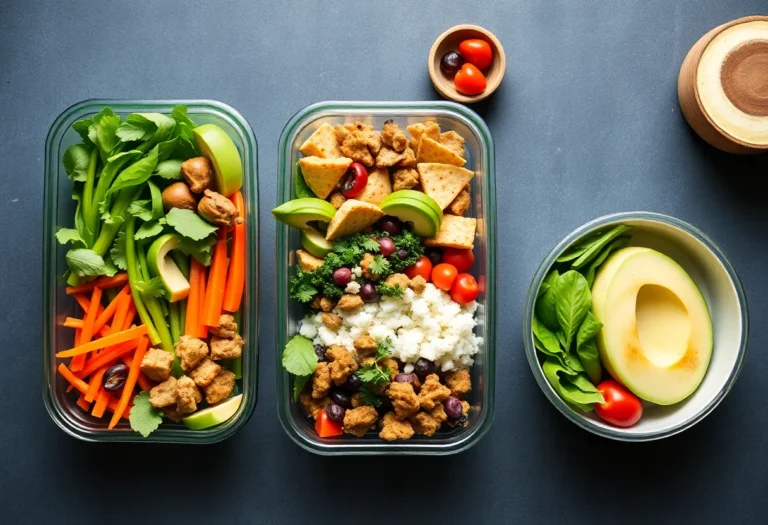
Sunday you cook once, and the rest of the week you barely touch a stove. Make a big batch of spiced lentil crumble or marinated tempeh chunks, portion them into containers, and they become tacos on Monday, a salad topper on Tuesday, and a lettuce wrap filling by Thursday. The protein does the heavy lifting; you’re just swapping out what surrounds it.
Sauces freeze beautifully, so double whatever cashew cream or peanut dressing recipe you’re making and stash half in the freezer. Containers matter more than people admit – glass ones with tight lids keep everything fresher and stop your fridge from turning into a science experiment. Grab, reheat, done.
Honestly, don’t make these mistakes
Why you’re probably still hungry
Plates that skip fat and protein in favor of “just veggies” leave you rummaging through the pantry an hour later. A stir-fry loaded with zucchini and peppers looks like a full dinner, but without tofu, tempeh, or a scoop of nut butter stirred into the sauce, it’s basically a snack pretending to be a meal. Your body needs something to actually digest slowly, and broccoli alone won’t cut it.
Fat gets a bad reputation, but it’s what keeps you satisfied on this way of eating. Skimping on olive oil, avocado, or coconut milk because you’re “watching calories” backfires fast when you’re low-carb, since carbs aren’t there to fill the gap either. Aim for a real serving of healthy fat at every dinner, not just a drizzle for looks. That’s usually the missing piece.
Watch out for those “sneaky” carbs
Sauces and condiments are where most people get tripped up. Teriyaki sauce, ketchup, and even some store-bought salad dressings can pack more sugar than a dessert. Read labels on anything that comes in a bottle before pouring it over your dinner, because a “healthy” stir-fry sauce can quietly add fifteen or twenty grams of carbs you never accounted for.
Root vegetables and legumes cause the other big slip-up. Sweet potatoes, carrots, chickpeas, and lentils are wonderful foods, but they’re not low-carb by any stretch. Swapping black beans into a “low-carb” bowl undoes the whole effort. Stick with above-ground vegetables like leafy greens, cauliflower, and zucchini instead, and treat those starchier options as occasional additions rather than dinner staples.



Conclusion
You’ve got everything you need to start building low carb vegan dinners that actually taste good and keep you full. Skip the bland cauliflower rice and sad lettuce wraps you might be picturing. Instead, lean into bold sauces, roasted vegetables with real texture, and protein sources like tofu, tempeh, and edamame that hold their own on a plate. Your kitchen doesn’t need fancy equipment or a pantry full of obscure ingredients. A few staples, some smart swaps, and a bit of planning will carry you through most weeknights without much fuss.
Give yourself permission to experiment and mess up a few meals along the way. That’s how you’ll figure out which sauces you love, which vegetables you’d rather never see again, and how much protein actually keeps you satisfied. Your version of this diet won’t look identical to anyone else’s, and that’s fine. Trust your own taste buds over any rigid meal plan. With a bit of practice, these dinners stop feeling like a restriction and start feeling like just how you cook.