Healthy Simple Dessert Ideas
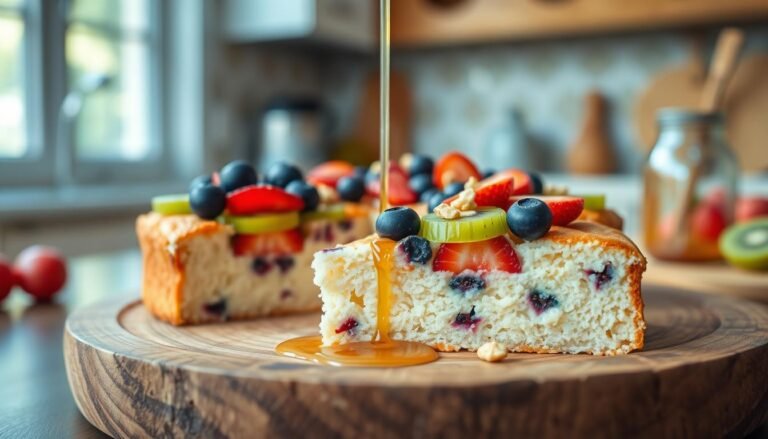
That 9pm sugar craving doesn’t have to end with regret or a sluggish stomachache. You can satisfy your sweet tooth without a trip to the bakery or a guilt trip afterward. In this post, you’ll find easy, nutrient packed dessert ideas that come together in minutes, using ingredients you probably already have sitting in your kitchen right now.
Key Takeaways:
- Fruit isn’t a consolation prize. Ripe bananas, roasted peaches, or frozen berries can carry a whole dessert on their own, no added sugar required.
- Dark chocolate, nut butters, and a splash of good vanilla go a long way. You don’t need to give up rich, indulgent flavors to eat something better for you.
- Skip the fancy equipment and skip the guilt. A blender, a freezer, and a handful of pantry staples are basically all you need for treats that feel like a reward, not a chore.
Why fruit is actually the GOAT for dessert
Sink your teeth into a ripe mango and tell me you’re not satisfied. Nature basically invented candy before candy existed, and it packed the whole deal with fiber, water, and a slower sugar release so you don’t crash an hour later. That’s the trick most people miss. A cookie hits you with a sugar spike and then drops you flat, but an apple or a handful of grapes gives your body something to work through first. Your gut actually has to break down that fiber, which slows everything down and keeps your blood sugar from doing the roller coaster thing.
Cravings are usually your brain asking for something sweet, not necessarily something processed. Grab a bowl of cherries or a sliced pear and you’ll notice the craving quiets down just as fast as it would with a candy bar. You get vitamins, antioxidants, and hydration thrown in for free. No other dessert category does that math. Fruit isn’t a consolation prize when you want something sweet; it’s genuinely the smartest option sitting right there on your counter.
Grilling your peaches for extra flavor
Heat changes fruit in a way that’s almost unfair to raw produce. Toss halved peaches on a hot grill for a few minutes and the sugars caramelize right on the surface, giving you that deep, almost smoky sweetness you’d swear came from a dessert menu at a fancy restaurant. You don’t need oil or sugar added beforehand. The fruit already has what it needs; the heat just coaxes it out.
Plate those grilled halves with a small dollop of Greek yogurt and you’ve got something that feels indulgent but is still doing you favors nutritionally. Nectarines, plums, and even pineapple work with this same trick, so don’t feel boxed in. Five minutes on a grill pan, cut side down, is usually all it takes. Watch for those char marks; that’s where the flavor’s hiding.
Berry bowls with a little twist
Berries alone are great, but a bowl full of just strawberries gets boring by the third bite. Mix textures instead. Combine blueberries, raspberries, and blackberries with something crunchy like crushed pistachios or a sprinkle of granola, and suddenly you’ve got contrast in every spoonful. A squeeze of lime or orange juice over the top wakes up the natural sugars and makes the whole bowl taste brighter.
Layering matters more than people think. Try building your bowl with a base of coconut yogurt, then berries, then your crunchy topping, so every bite gets a bit of everything instead of you fishing around for the good stuff at the bottom. A few mint leaves torn on top add a freshness that makes it feel like way more effort went in than actually did.
Seriously, you can still have your chocolate
Nobody’s asking you to give up chocolate, so let’s just get that out of the way. The trick is picking bases that give you the same fudgy, rich payoff without the sugar bomb that usually comes with it. Dark chocolate and avocado do the heavy lifting here, and they work in totally different ways. One brings deep cocoa flavor and a hit of antioxidants, the other brings a creamy texture that tricks your brain into thinking you’re eating something way more indulgent than a fruit. Pair them right and you get desserts that feel like a genuine treat instead of a compromise.
Quality matters way more than quantity when you’re building chocolate desserts this way. A good dark chocolate, something in the 70% cacao range or higher, has less sugar and more actual chocolate flavor per bite, so a small amount goes further. Avocado works the same trick from a different angle: its fat content mimics butter or cream, which means you’re not missing that mouthfeel you’d get from a traditional recipe. Combine the two smartly and you’ve got a dessert strategy that satisfies a craving instead of just distracting you from one.
Avocado mousse is way better than it sounds
Skepticism is normal here, everyone makes a face the first time they hear “avocado mousse.” But blend a ripe avocado with cocoa powder, a splash of milk, and a natural sweetener like maple syrup or dates, and you get something shockingly close to chocolate pudding. The fat in the avocado is what does the trick. It creates that thick, velvety texture without a drop of heavy cream or butter anywhere near the bowl.
Flavor-wise, avocado is basically a blank canvas, which is exactly what makes it work so well in this context. It doesn’t fight with the cocoa, it just supports it. A little vanilla extract or a pinch of sea salt rounds things out and hides any trace of “avocado-ness” you might be worried about. Serve it chilled in small glasses and nobody at the table will guess what’s actually in there until you tell them.
Dipping everything in dark chocolate
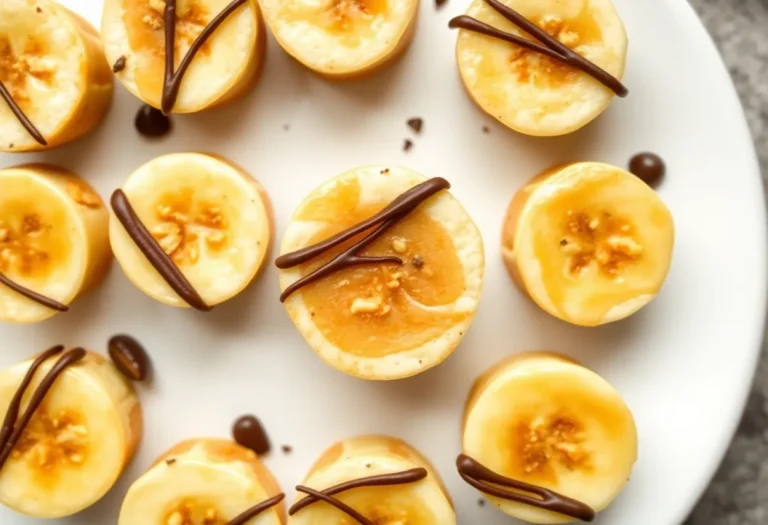
Melting a bar of dark chocolate and going to town with a dipping spoon might be the simplest dessert strategy in existence, and it happens to be a genuinely healthy one too. Strawberries, banana slices, orange segments, even a few almonds, all of it gets instantly more exciting with a chocolate coating. The bitterness of dark chocolate actually balances sweet fruit better than milk chocolate does, so you’re not just making things healthier, you’re making the flavor combination better too.
Portion control kind of happens naturally with this method, which is a nice bonus. Melt a modest amount, dip your fruit, and let everything set on parchment paper in the fridge for ten or fifteen minutes. You end up with bite sized treats instead of a giant slab of chocolate calling your name from the pantry
What’s the deal with “nice cream” anyway?
Nice cream sounds like some clever marketing gimmick, but it’s really just frozen fruit blended until it turns into something that looks and tastes suspiciously like soft serve. No cream, no eggs, no cooking involved. You toss frozen chunks of fruit into a food processor or a decent blender, pulse it around, scrape down the sides a few times, and watch it transform from crumbly ice bits into something smooth and scoopable. The starch and fiber in the fruit itself does the heavy lifting that heavy cream usually handles in traditional ice cream.
Texture is really the whole trick here. Ice crystals form when water freezes, and those crystals are what give regular sorbet that harsh, icy bite. Blending frozen fruit breaks those crystals down into something so fine your mouth reads it as creamy rather than icy. You’re not adding fat to fake richness. You’re just physically pulverizing the fruit until it behaves like something far more indulgent than it actually is.
The magic of the frozen banana
Bananas are the backbone of nearly every nice cream recipe you’ll come across, and there’s a good reason for that. They’re naturally starchy and dense, so when frozen and blended, they turn into something shockingly close to a milkshake or soft serve. Slice them before freezing, though. Whole frozen bananas are basically impossible to work with, and your blender will thank you for the smaller pieces.
Ripeness matters more than people expect. An overripe banana, the kind with brown spots you’d normally toss, actually blends smoother and tastes sweeter than a firm one. Pair frozen banana with a spoonful of peanut butter or a handful of frozen berries, and you’ve got a base that shifts flavor completely while keeping that same silky consistency underneath.
Greek yogurt bark you’ll actually love
Bark gets its name from the way it looks once it’s frozen and broken into jagged pieces, and Greek yogurt makes a surprisingly good base for it. Spread a thick layer of plain Greek yogurt onto a parchment lined tray, scatter fruit, a drizzle of honey, maybe some crushed nuts on top, then freeze until solid. Snap it into shards once it’s firm and you’ve got a snack that eats like candy.
Protein content is the real selling point here compared to other frozen treats. Greek yogurt packs a noticeably higher protein count than regular yogurt, which means this isn’t just sugar and ice, it’s something that actually keeps you satisfied. Swap toppings depending on what’s in your kitchen, granola, dark chocolate chips, sliced almonds, and you’ll never get bored of it.
My lazy person’s guide to healthy baking
Baking always sounded like a whole production to me, the kind of thing that requires special flours and a scale and patience I just don’t have. Turns out you don’t need any of that. Oats and applesauce are the two things that changed my whole attitude toward the oven. Oats swap in for a chunk of the flour and add a heartiness that regular white flour just doesn’t give you. Applesauce replaces oil or butter in a lot of recipes, which cuts fat without turning your baked goods into sad, dry pucks. Toss both into a bowl with minimal fuss and you’ve got the base for something that actually tastes like a treat, not a punishment.
What makes this combo so good for lazy bakers is the forgiveness factor. Applesauce keeps things moist even if you overbake by a few minutes, and oats add enough texture that nobody notices you skipped half the usual mixing steps. You don’t need a stand mixer or a sifter or any of that fussy equipment. A fork and a bowl get the job done. Once you’ve got these two staples in your kitchen, you’ll find yourself reaching for the oven instead of the freezer aisle more often than you’d expect.
Three-ingredient cookies that aren’t gross
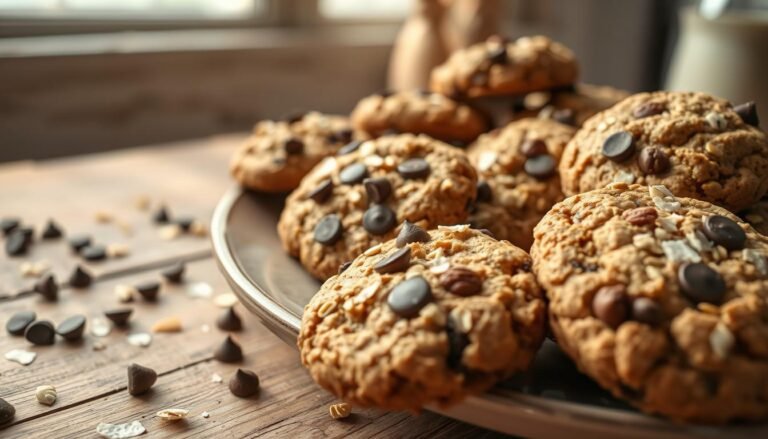
Banana, oats, and a scoop of peanut butter. That’s it, that’s the cookie. Mash a ripe banana, stir in a cup of oats and a spoonful of peanut butter, drop spoonfuls onto a tray, and bake. No sugar, no butter, no egg, and somehow they still come out chewy and satisfying instead of tasting like sawdust. The banana does double duty as both sweetener and binder, so you’re not missing anything by leaving the usual junk out.
Swap the peanut butter for almond butter or tahini if you want a different flavor angle, or throw in a handful of dark chocolate chips if you’re feeling fancy. These cookies won’t win a baking contest on looks alone, they’re a little rustic and uneven, but that’s part of the charm. You can mix a batch in the time it takes your oven to preheat, and there’s no bowl scraping or creaming butter involved. Just mash, stir, scoop, done.
Mug cakes that don’t taste like cardboard
Microwave mug cakes get a bad reputation because most recipes online are either rubbery or bone dry, and neither is a good time. Oats and applesauce fix both problems at once. Blend a few tablespoons of oats into a rough flour, mix with a spoonful of applesauce, a splash of milk, and a bit of cocoa powder or vanilla, then microwave for about a minute. What comes out is dense but soft, not that weird eggy texture you get from most quick mug cake recipes.
Timing matters more than anything else here. Thirty seconds too long and you’re back in cardboard territory, so start checking at the halfway point and adjust from there depending on your microwave’s
Honestly, nuts are a total game-changer
Nuts and seeds bring something to the dessert table that fruit and cocoa just can’t do alone: staying power. You know that feeling when you eat a “healthy” treat and you’re rummaging through the pantry twenty minutes later? That’s usually a sign your dessert was all sugar and no substance. Toss in almonds, walnuts, pepitas, or a spoonful of nut butter, and you’ve got fat and protein working together to slow down digestion. Your blood sugar doesn’t spike and crash the same way, so you actually feel satisfied instead of chasing the next snack. It’s a small swap with a big payoff.
Think of nuts as the structural backbone of your dessert, not just a garnish on top. A handful of cashews blended into a “cream,” or walnuts pulsed into a crust, gives you richness without needing much added sweetness at all. You’re getting texture, healthy fats, and a bit of mineral content from things like magnesium and zinc, all while your dessert tastes more indulgent than it has any right to. Once you start building treats around nuts instead of flour and sugar, you’ll notice you need less of everything else to feel satisfied.
Almond butter stuffed dates are life
Dates already have that sticky, caramel like sweetness built in, so they barely need dressing up. Slice one open, scoop out the pit, and fill the center with a spoonful of almond butter. That’s it. You get fiber from the date and a solid hit of healthy fat from the almond butter, which means this tiny bite actually holds you over between meals instead of leaving you hunting for seconds five minutes later.
Sprinkle flaky salt on top and you’ve got something that tastes like a fancy bonbon from a chocolate shop. Swap in cashew or peanut butter if that’s what’s in your cupboard, or press a walnut half on top for extra crunch. Keep a batch in the fridge and you’ve always got a two ingredient dessert ready to go, no baking, no fuss, no added sugar needed.
Energy bites for when you’re on the go
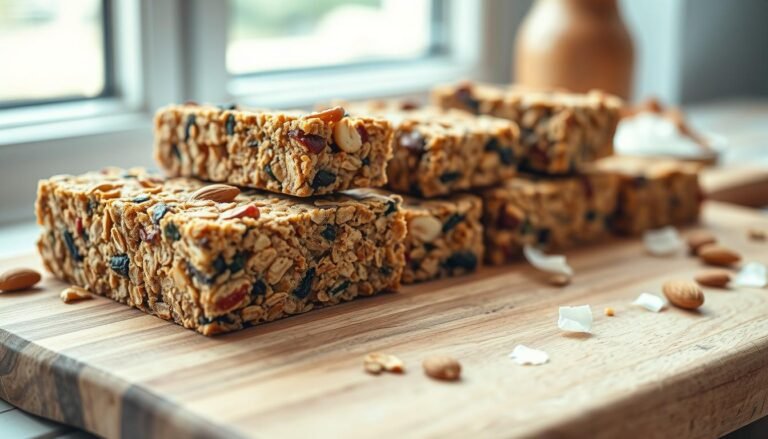
Energy bites are basically nut butter, oats, and seeds rolled into a ball you can eat with one hand. Blend almonds or cashews with a scoop of chia or flax seeds, and you’re building a dessert that fuels you instead of just satisfying a craving. Ground flax adds omega 3s, sesame or sunflower seeds bring in extra minerals, and the whole mixture holds together without needing flour or eggs.
Rolling a batch on Sunday means you’ve got a grab and go treat sitting in your fridge all week. Toss in shredded coconut, a few mini chocolate chips, or some cinnamon depending on your mood that day. Store them in a container and grab one on your way out the door. They hold their shape at room temperature for hours, so they survive a gym bag or a lunch box without turning into mush.
The real deal about “fake” sugars
Swapping white sugar for something else doesn’t automatically make a dessert healthy, and you probably already suspect that. What actually matters is which sweetener you grab and how much of it you use. Some of these substitutes have a weird aftertaste that ruins an otherwise great recipe, while others blend in so well you’d never know the difference. Your taste buds notice more than you think, so picking the wrong one can tank a dish you worked hard on. Get the right one, though, and you barely have to change your recipe at all.
Sugar alcohols like erythritol get tossed into the “healthy” category a lot, but they can cause some serious stomach drama if you’re not careful with portions. You don’t need to swear them off completely, just go in with your eyes open. Read labels, start with small amounts, and see how your body reacts before you commit to a full batch of cookies made with the stuff.
Why I’m obsessed with monk fruit
Monk fruit sweetener has become your best friend in the kitchen once you get the ratios right. It comes from a small melon grown in parts of Asia, and the extract is hundreds of times sweeter than sugar, so a little goes a long way. You won’t get the blood sugar spike either, which makes it a solid pick if you’re watching your glucose or just trying to avoid the usual sugar crash an hour later.
Texture is where monk fruit really shines compared to other alternatives you’ve probably tried. It doesn’t recrystallize weirdly in the fridge or turn grainy after baking, and it holds up in everything from muffins to homemade caramel sauce. Blends that mix it with a bit of erythritol tend to measure cup for cup like regular sugar, which takes the guesswork out of converting your favorite recipes.
Honey versus maple syrup: which is better?
Neither one wins outright, so the better question is what you’re making. Honey brings a thicker, stickier consistency and a floral note that works wonders in energy balls or drizzled over yogurt-based treats. Maple syrup pours easier and has that deep, almost smoky sweetness that plays beautifully in baked goods like oatmeal cookies or banana bread.
Nutritionally, they’re closer than people assume, with maple syrup carrying a slight edge in minerals like manganese and zinc. Both still count as added sugar, so portion control matters no matter which bottle you reach for. Your best bet is keeping both on hand and letting the recipe, not habit, decide which one gets poured that day.


Final Words
You don’t need a pastry degree or a cabinet full of weird powders to eat well and still enjoy something sweet at the end of the day. Grab a banana, some cocoa powder, a handful of almonds, whatever you’ve got. Blend it, bake it, freeze it, or just eat it as is. The point isn’t perfection; it’s building a habit where dessert doesn’t feel like a cheat code you’re breaking every night. Give yourself permission to experiment, mess up a batch of “nice cream,” and try again.
Your kitchen is the real test lab here, not some influencer’s feed. Trust your taste buds over any trend, and let ripe fruit, good fats, and a little dark chocolate do the heavy lifting. You’ll find the combos that stick, the ones you actually crave instead of tolerate. That’s when healthy eating stops feeling like a chore and starts feeling like your own version of dessert night, one you look forward to instead of dread.