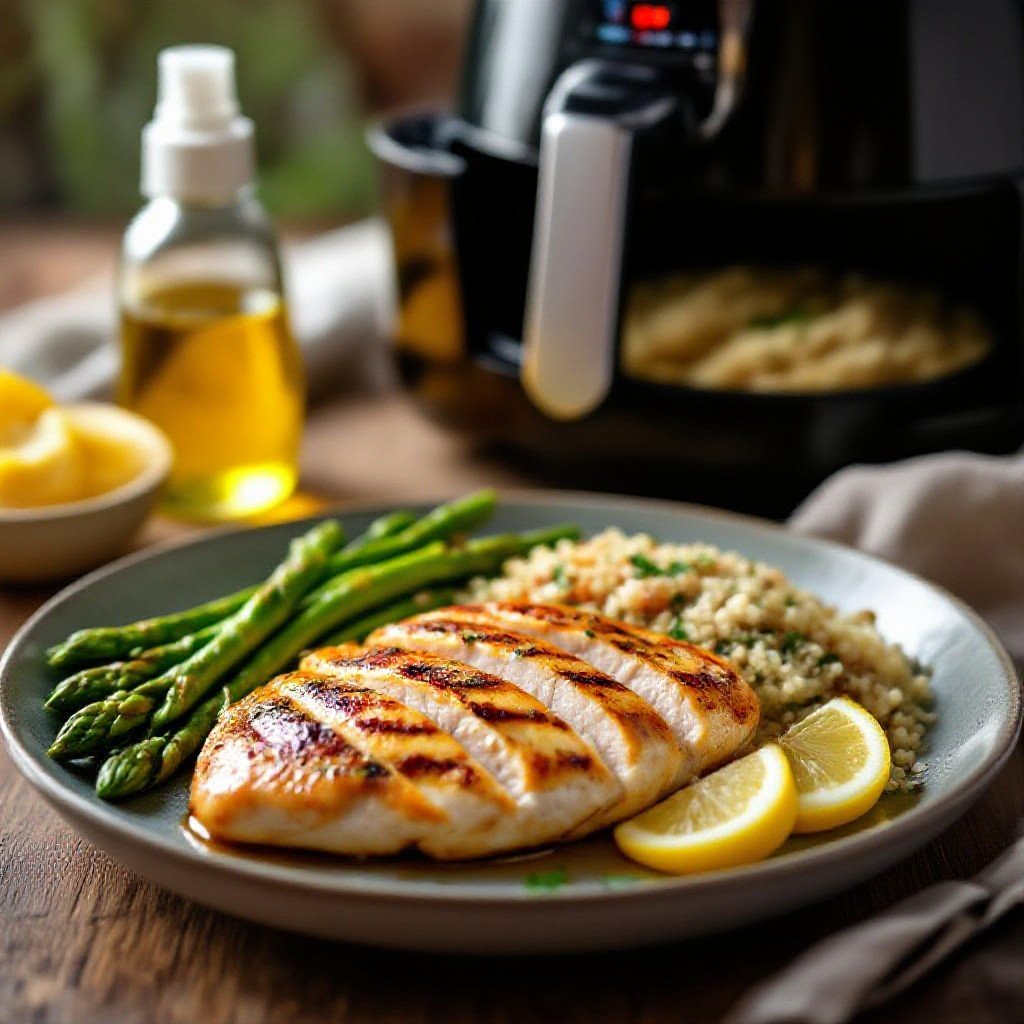
Chicken Low Oil Recipes
Craving crispy, flavorful chicken without a greasy skillet? You’re in the right place. Cutting oil doesn’t mean sacrificing taste or texture, and once you learn a few smart techniques, you’ll wonder why you ever drowned your dinner in butter or vegetable oil. Get ready to cook lighter, smarter, and honestly, quite a bit tastier.
Key Takeaways:
- Skinless chicken breast or thigh, cooked with a splash of broth or a quick spritz of oil instead of a heavy pour, keeps meals light without turning your dinner into a dry, sad hockey puck situation.
- A hot pan, an air fryer, or even the broiler can mimic that crispy, golden exterior you’d normally get from deep frying, just with a fraction of the fat and way less cleanup.
- Marinades and dry rubs, packed with acid, spice, or a bit of yogurt, do most of the flavor heavy lifting, so you’re not tempted to reach for extra oil to make things taste good.
The “Secret” to Juicy Chicken without the Grease
Grease was never what kept your chicken juicy. That’s the part most people get wrong when they start cutting oil out of their cooking. Juiciness comes down to two things: heat and moisture retention. Get your pan, oven, or air fryer hot enough, and you sear the outside fast enough to lock in the natural juices before they have a chance to escape. Go in with a lukewarm pan and you’re basically slow-boiling the chicken in its own fluids, which is exactly how you end up with that sad, rubbery texture. High heat isn’t just for browning, it’s doing real structural work on the meat itself.
Moisture retention is the other half of the equation, and it’s just as much about technique as it is about ingredients. A covered pan, a quick rest after cooking, or even just pulling the chicken off the heat a minute early all make a bigger difference than an extra glug of oil ever would. Your goal is to trap steam close to the meat so it keeps cooking itself gently after the direct heat backs off. Nail that balance and you’ll notice the texture change almost immediately, no oil required.
Why you don’t need a gallon of oil
Oil’s main job in a lot of recipes is just heat transfer, and there are better tools for that. A heavy nonstick pan or a well seasoned cast iron skillet conducts heat so evenly that you can get away with a teaspoon of oil, sometimes none at all, and still get a solid crust. Once your pan is properly preheated, the chicken itself releases enough moisture to keep from sticking in those first crucial minutes. Dumping in extra oil doesn’t make the meat juicier, it just adds calories and makes cleanup messier.
Think about what oil actually contributes beyond heat transfer, and you’ll realize it’s not much. A light spray or brush is plenty to stop sticking and help browning along. Anything more than that is just sitting in the pan, splattering, and turning your stovetop into a cleanup project. Your chicken doesn’t know the difference between a tablespoon and a teaspoon, it just knows whether the heat was right.
The magic of parchment paper and foil
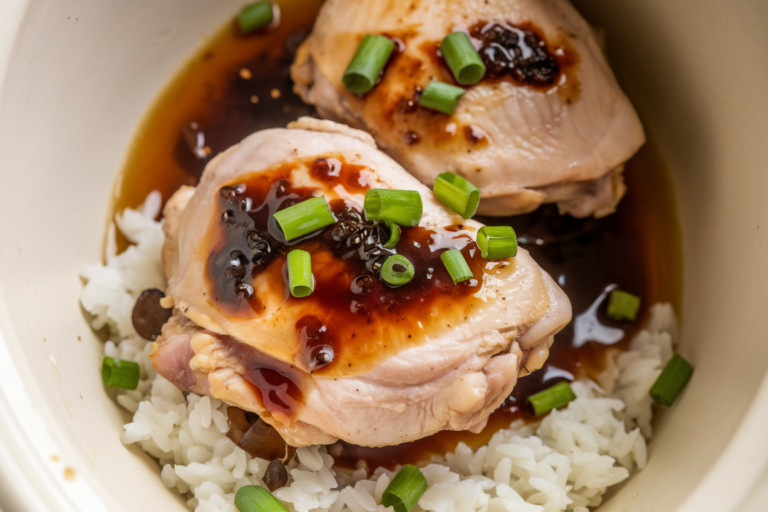
Wrapping chicken in parchment or foil creates a sealed little environment where steam has nowhere to go but back into the meat. This is basically a built in moisture trap, and it works whether you’re baking, grilling, or even air frying. The chicken essentially braises in its own juices, staying tender without a drop of added fat. It’s one of the simplest swaps you can make if you’re used to relying on oil for that same protective, moisture locking effect.
Foil packets are especially handy on a grill or in a hot oven, since they let you crank the heat without worrying about scorching the outside before the inside catches up. Parchment does a similar job at lower temps and gives you a cleaner release when you’re pulling chicken out of a baking dish. Either way, you’re using physics
My Take on Marinades That Actually Work
Grease doesn’t make chicken taste good. Flavor makes chicken taste good, and you can build a massive amount of it using nothing but acid and spices. That’s the whole secret behind a marinade that pulls its weight without a puddle of oil sitting at the bottom of the bag. Vinegar, citrus juice, or even a splash of pickle brine will break down the muscle fibers just enough to let seasoning soak in deep, so every bite tastes like something instead of just being a vehicle for salt on the surface. Spices are where the personality comes in. Smoked paprika, cumin, chili powder, garlic, whatever you’ve got in the cabinet, it clings to that acid and rides it straight into the meat.
People assume oil is what carries flavor, but that’s a myth worth retiring. Fat mutes spice more than it spreads it, honestly. A marinade built on lime juice, minced garlic, and a heavy hand of cumin will out perform an oily one every single time, and you won’t miss the calories one bit. Skip the bottled stuff loaded with soybean oil as filler and mix your own. Five minutes, a bowl, and a bag is all it takes.
Yogurt is my favorite low-fat trick
Yogurt does something oil simply can’t: it tenderizes while it flavors. The mild acidity in plain yogurt, especially the strained Greek kind, gently breaks down protein structures over a few hours in the fridge, leaving you with meat that’s almost absurdly tender without a drop of added fat. You get a fraction of the calories compared to a butter or oil based marinade, plus a natural creaminess that helps spices stick to every surface instead of sliding off into the bag.
Garlic, ginger, and a good pinch of garam masala mixed into plain yogurt is a combination you’ll keep coming back to. Coat your chicken thighs or breasts, let them sit for at least two hours, and you’ll notice the texture change before you even cook it. It’s softer, almost velvety, and the flavor has already worked its way past the surface. No oil, no fuss, just protein doing what protein should.
Citrus and herbs are a literal lifesaver
Lemon, lime, or orange juice gives you that same tenderizing acid punch as yogurt, but with a brighter, sharper edge that pairs beautifully with fresh herbs. Rosemary, thyme, and oregano release their oils when they sit in citrus juice, and that combination clings to chicken in a way that tastes far richer than it actually is. You’re getting complexity from the herbs and brightness from the citrus, and neither one needs fat to do its job.
Zest matters just as much as juice here, so don’t skip it. Grate some lemon zest into your marinade along with the juice, toss in torn basil or chopped parsley, and let the chicken rest for thirty minutes to an h
Why I Think the Air Fryer is a Total Game Changer
What’s the deal with air frying?
Hot air moves around your chicken at crazy speeds, and that’s basically the whole trick. A fan circulates heat through a small chamber, hitting every surface of the meat at once, so you get that crisp exterior without a vat of oil doing the work. Your countertop basket does what a deep fryer does, minus about ninety percent of the fat. That’s not marketing fluff either, it’s just physics working in your favor for once.
Skeptics ask me all the time if it’s really different from a regular oven, and yeah, it is. Ovens heat a big空间 (space) unevenly, leaving cool spots and hot spots depending on where the rack sits. Baskets and trays in an air fryer sit closer to the heating element, and the constant airflow strips away moisture from the surface fast. That’s the exact condition you need for browning and crisping to kick in quickly.
My honest tips for the best crunch
Spacing matters more than people realize. Crowd the basket and you’ll trap steam, which turns your crispy dreams into a soggy letdown. Give each piece some breathing room, even if that means running two batches instead of one. Patience pays off here, and your taste buds will thank you.
Temperature and timing take some trial and error depending on your specific machine, since wattage varies wildly between brands. A few things I’ve learned the hard way:
- Preheat the basket for a few minutes before adding anything
- Flip halfway through so both sides get equal exposure
- Pat pieces dry beforehand to help that spray oil actually stick
- Check internal temp with a thermometer rather than guessing by color
Skip these steps and you’re rolling the dice on texture every single time.
Seriously Easy One-Pan Dinners
Sheet pan meals are a weeknight win
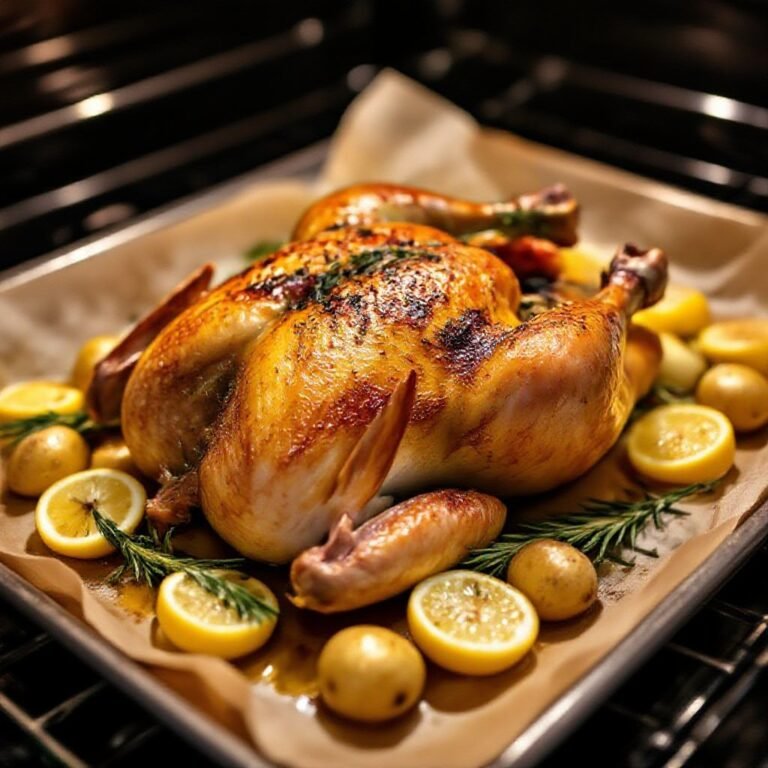
Picture this: chicken thighs, a pile of chopped vegetables, a drizzle of oil you can measure in teaspoons rather than glugs, and one pan going into the oven. That’s dinner sorted with almost no fuss. You get the roasted flavor without needing a slick of fat to make it happen, because the high, dry heat of the oven does the work of crisping edges and caramelizing whatever you’ve tossed on there. Broccoli, carrots, red onion wedges, a few potatoes cut small so they cook through in time – it all goes on the same tray as the chicken.
Cleanup is where this method really earns its keep. One tray, maybe lined with parchment if you’re feeling extra lazy, and you’re not scrubbing three pots after you’ve eaten. Spacing matters more than people realize, though. Crowd the pan and everything steams instead of browns, so give your chicken and veggies room to breathe and you’ll notice a real difference in texture by the time the timer goes off.
Skillet cooking without the heavy fat
A good nonstick or well seasoned cast iron skillet changes the whole game here. You need barely a teaspoon of oil to keep chicken from sticking, and a hot pan does more for browning than a flood of fat ever could. Get the skillet properly hot before the chicken goes in, let it sit undisturbed for a few minutes, and you’ll get that golden crust people usually chase with deep frying.
Layering in aromatics like garlic, a splash of broth, or a squeeze of citrus toward the end builds a pan sauce that clings to the meat without adding grease. Everything cooks in stages but in the same pan: chicken first, then a quick vegetable saute in the leftover bits stuck to the bottom, which is honestly where most of the flavor lives. One pan, minimal oil, and dinner that tastes like it took a lot more effort than it actually did.
The Real Deal About “Fried” Chicken
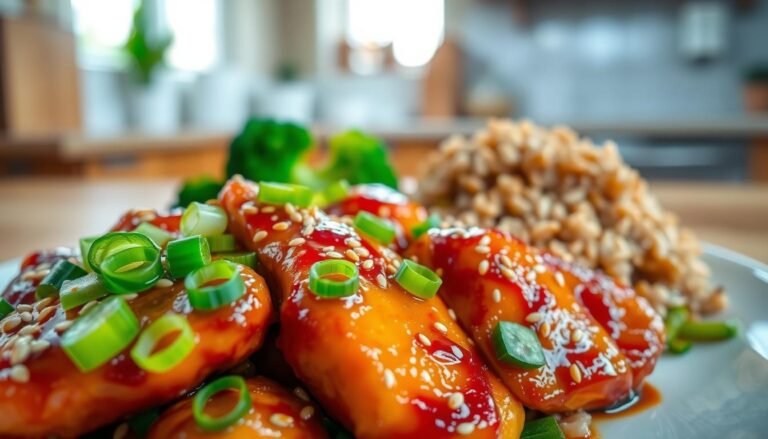
Craving that golden crunch doesn’t mean you need a pot of bubbling oil on the stove. Crushed cornflakes and panko breadcrumbs are the two heroes here, and they do a shockingly good job of mimicking that deep fried shell without the mess or the grease bill. You get a coating that shatters slightly when you bite into it, which honestly is the whole point of fried chicken anyway. Nobody’s actually chasing the oil taste, they’re chasing that texture contrast between crisp exterior and juicy meat underneath.
Skeptical? Fair enough. But once you’ve tried a piece coated in crushed cornflakes and baked hot, you’ll wonder why you ever bothered with a deep fryer. The trick isn’t some fancy technique, it’s just picking the right coating and giving it enough heat to do its job.
How to get that crunch you’re craving
Panko is your best friend for a lighter, more delicate crunch, while crushed cornflakes give you something sturdier and a little sweeter at the edges. Either way, you want to press the coating on firmly so it actually sticks through baking instead of flaking off in the pan. A light spray of oil on top, not a drench, helps the coating brown properly and gives you that visual crisp people associate with real fried chicken.
Double dipping makes a noticeable difference too. Dip the chicken in egg wash, then coating, then egg wash again, then coating one more time. It sounds fussy, but that extra layer is what gives you a thicker, craggier crust instead of a thin dusting that disappears after a few bites. Bake it on a wire rack, not directly on the tray, so air gets underneath and crisps the bottom too.
Is “oven-fried” actually any good?
Skepticism around oven-fried chicken usually comes from bad experiences with soggy, pale versions that never got hot enough to crisp properly. Crank your oven to a genuinely high temperature, somewhere in the 425 to 450 degree range, and that changes everything. Lower heat just steams the coating instead of crisping it, and that’s where most people go wrong.
Texture aside, the flavor payoff is real too. You’re not diluting the chicken’s own taste with absorbed oil, so what you get is a cleaner, more pronounced flavor from your seasoning and marinade. It’s not a perfect stand in for a deep fryer, nothing baked ever will be, but it’s close enough that most people at your table won’t clock the difference until you tell them.
Honestly, Don’t Forget the Sides
What’s the best pairing for grilled birds?
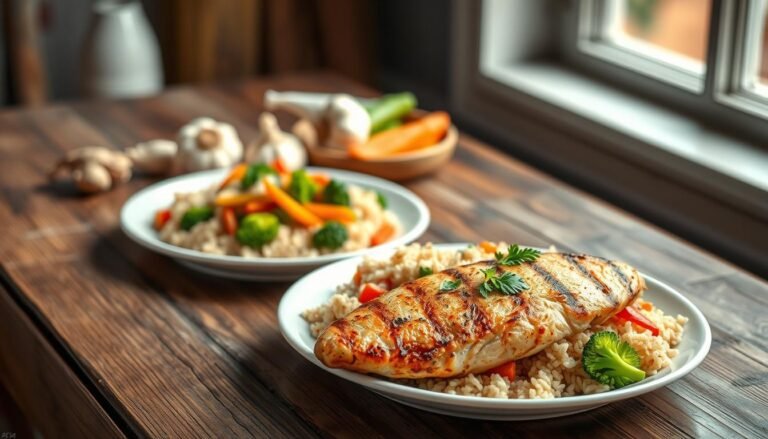
Charred lemon and a pile of roasted asparagus turn a plain chicken breast into something you’d actually want to photograph. Grill marks on zucchini or bell peppers take almost no extra effort since they’re already sitting next to the chicken on the same rack. A slaw made with cabbage, a splash of vinegar, and a little olive oil brings crunch without weighing things down. Try charred corn cut off the cob and tossed with lime, cilantro, and a pinch of chili powder if you want something a bit more festive.
Grain-based sides work too, as long as you keep portions sensible. A scoop of farro or quinoa tossed with cherry tomatoes and cucumber gives you fiber and a little chew that plain rice just can’t match. Skip the heavy potato salad drenched in mayo and go for roasted sweet potato wedges instead, they’ve got natural sweetness that plays well against smoky, grilled meat. Fresh herbs sprinkled at the end, basil or parsley, wake everything up.
Keeping the whole plate low-cal
Portion size matters just as much as ingredient choice. Fill half your plate with non-starchy vegetables, whether that’s steamed green beans, roasted broccoli, or a big handful of spinach wilted in a hot pan with garlic. Cauliflower rice has become something of a cliché at this point, but it earns its reputation, it soaks up sauce and spices while keeping calories way down compared to white rice.
Dressings and sauces sneak in more calories than the chicken itself sometimes, so measure them out instead of pouring freely. A squeeze of citrus, a drizzle of good vinegar, or a spoonful of plain yogurt mixed with herbs gives you flavor without the calorie creep of bottled dressings. Roasting vegetables in a hot oven with just a light mist of oil brings out natural sugars, meaning you need less added fat to make them taste good. Balance is the whole goal here.


To wrap up
You’ve got everything you need now to make chicken that tastes indulgent without the oil slick. A good marinade, a hot air fryer, and a little patience with your pan temperature will take you further than any bottle of vegetable oil ever could. Your kitchen doesn’t need to smell like a fast food joint for dinner to feel satisfying. Try swapping just one recipe this week, maybe that Sunday night stir fry or your go to baked thighs, and see how little you actually miss the extra grease.
Cooking chicken this way isn’t about deprivation, it’s about technique. Once you understand how heat, acid, and seasoning work together, you’ll wonder why you ever reached for so much oil in the first place. Your taste buds adjust fast, and so does your grocery bill. Give yourself a few weeks of practice, keep a couple of these methods on rotation, and low oil chicken will stop feeling like a compromise. It’ll just become how you cook.