Healthy Clean Eating Snacks
That 3pm hunger pang hits you every single day, and what you grab in that moment shapes more of your health than any meal ever could. You don’t need bland rice cakes or boring carrot sticks to eat clean. Real, satisfying snacks exist, and you’re about to find the ones that actually keep you full.
Key Takeaways:
- Real clean snacking isn’t about some strict rulebook or cutting out entire food groups. It’s about picking foods that still look like actual food; think an apple with almond butter instead of a granola bar with a paragraph of ingredients you can’t pronounce.
- A little prep goes a long way. Cutting up veggies, portioning nuts into small containers, or making a batch of energy balls on Sunday means you’re not stuck grabbing whatever’s closest when hunger hits at 3pm.
- Store-bought doesn’t automatically mean bad for you. Plenty of packaged snacks, like plain popcorn, dried fruit with no added sugar, or simple seed crackers, fit into a clean eating routine just fine if you check the label.
So, what’s the real deal with “clean” eating anyway?
Clean eating gets thrown around so much it’s practically lost its meaning, so let’s cut through the noise. At its core, it just means choosing foods that are close to their natural state instead of stuff that’s been pulled apart and reassembled in a factory. Think an apple instead of apple flavored fruit snacks, or plain almonds instead of a bag of mystery trail mix loaded with preservatives. You don’t need a nutrition degree to do this well. You just need to start noticing what’s actually in your snack drawer right now and asking whether your grandmother would recognize half of it.
None of this requires perfection, and I want you to hear that loud and clear. Eating clean isn’t about banning entire food groups or living off kale for the rest of your life. It’s a shift in priorities, where whole foods make up the bulk of what you reach for, and the ultra processed stuff becomes the occasional guest instead of the daily headliner. Small swaps add up fast, and your energy levels will likely notice before your waistline does.
Reading labels isn’t as scary as it looks
Flip any package over and you’ll see a wall of text that looks like it belongs in a chemistry textbook. Don’t let that intimidate you. Your job isn’t to memorize every ingredient, it’s to spot the warning signs. If you see a long list of words you can’t pronounce, or the first three ingredients are some form of sugar, oil, and refined flour, that’s your clue this snack leans more processed than clean. A short ingredient list, one that reads like something you’d actually use in your own kitchen, is usually a good sign.
Serving sizes trip people up constantly, so pay attention there too. A bag might look like a single snack, but the label could be counting it as three servings, tripling the sugar and sodium you’d actually consume if you finished it. Once you get used to scanning for ingredient quality over marketing claims on the front, like “natural” or “made with real fruit,” you’ll shop a whole lot smarter and faster.
Why I think “processed” is a dirty word
Not all processing is evil, and I’ll admit that upfront, since even frozen veggies or canned beans count as processed. But there’s a difference between minimal processing and the industrial kind that strips food of fiber, nutrients, and flavor, then pumps it back full of sugar, sodium, and stabilizers to make it shelf stable for a year. That’s the version I take issue with, the kind engineered to make you crave more without actually nourishing you.
Your body notices the difference even when your taste buds get fooled. Heavily processed snacks spike your blood sugar, leave you hungry again within the hour, and rarely deliver much in the way of fiber or protein to keep you satisfied. Whole food snacks, on the other hand, tend to fill you up and fuel you properly, which is really the whole point of snacking in the first place.
Here’s my favorite ways to get that crunch
Nuts and seeds are actually life-savers
Almonds, walnuts, pumpkin seeds, sunflower seeds… you probably have a bag of one of these sitting in your pantry right now. That’s not an accident. A small handful gives you fat, protein, and fiber all at once, which is exactly why you stay full for hours instead of raiding the fridge thirty minutes later. Pistachios are a personal favorite because cracking the shells slows you down, so you eat a normal portion instead of mindlessly plowing through a bowl.
Portion control matters here since these are calorie-dense foods. Try measuring out a quarter cup instead of eating from the bag. Toss raw or dry-roasted versions with a little cinnamon or smoked paprika if plain nuts bore you. Trail mix works too, just watch out for the candy-coated additions that sneak in and turn your snack into dessert.
The truth about making your own veggie chips
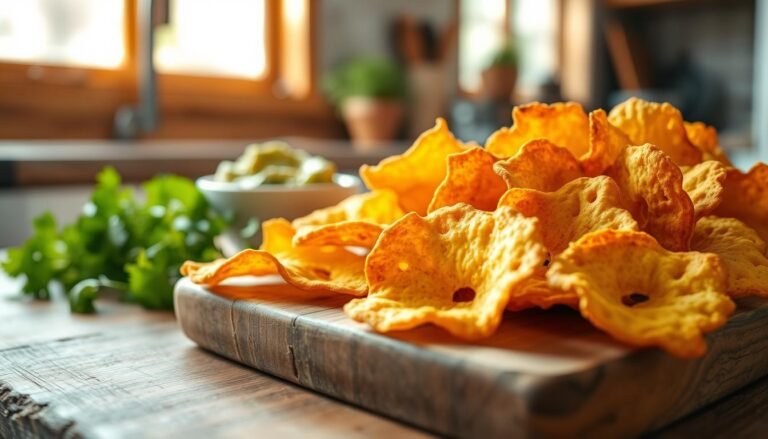
Store-bought veggie chips sound healthy, but flip the bag over and you’ll often find they’re fried in the same oils as regular potato chips, with barely any actual vegetable content. Making your own at home changes the whole equation. Thin slices of zucchini, kale, or sweet potato tossed in olive oil and baked low and slow turn genuinely crispy, and you control exactly what goes on them.
Patience is the real ingredient here, not any special equipment. Low heat, around 250 degrees, and enough time (sometimes over an hour) gets you that shatter crunch without burning the edges. Salt lightly and let them cool completely before storing, since chips sealed up warm turn soggy fast. Kale chips especially reward this method, going from bitter and tough to genuinely craveable once they’re done right.
What’s the deal with my sweet tooth?
Fruit isn’t just “nature’s candy” – it’s better
That craving hitting you around 3pm isn’t a character flaw. Your body’s wired to seek out sweetness, and fighting that instinct head on usually backfires. So don’t fight it. Grab a piece of fruit instead. An apple with its skin on, a handful of grapes, a ripe pear – these give you the sugar hit you’re chasing, but wrapped in fiber that slows everything down. Blood sugar rises gently instead of spiking, which means no crash an hour later leaving you rummaging through the pantry again.
Frozen fruit deserves a mention too. Frozen grapes taste like little sorbet bites. Frozen banana chunks blended alone turn into soft serve without a drop of added sugar. Berries – fresh or frozen – pack antioxidants alongside that sweetness, so you’re getting something back for the calories you’re spending. Pair any of these with a spoonful of nut butter and you’ve got protein and fat slowing digestion even further, keeping you satisfied way longer than a candy bar ever could.
Dark chocolate is totally allowed, I promise
Nobody’s asking you to swear off chocolate forever. Dark chocolate with a high cocoa percentage, say 70% or above, has way less sugar than milk chocolate and comes loaded with flavanols that actually support heart health. A square or two after dinner satisfies that craving without derailing anything you’ve worked toward. The bitterness also tends to make you eat less of it naturally, unlike milk chocolate, which practically begs you to keep going.
Melting a few squares over sliced strawberries or a warm banana turns it into something that feels indulgent but still fits the bill. Keep a bar tucked in the pantry for exactly this purpose, portioned out ahead of time so you’re not eyeballing “just one more piece” at 9pm. Sweetness doesn’t have to mean sabotage. It just means choosing the version that works with your body instead of against it.
Seriously, you’ve gotta try prepping ahead
Sunday afternoons used to feel like a chore until batch prepping turned things around for me. Grabbing a giant bag of almonds and a container of cut veggies mid-week beats standing in front of the fridge, starving, deciding nothing looks good. Thirty minutes on a slow afternoon buys you five or six days of grab-and-go snacks. That’s the math that sold me on this whole approach. Chopping a week’s worth of bell peppers, carrots, and celery all at once takes barely more time than chopping enough for a single day, so the efficiency argument practically makes itself. Your future self, tired after work and rummaging for something decent to eat, will thank you for the effort you put in earlier.
Kitchen time drops dramatically once you stop cooking or chopping in tiny daily bursts. Portioning out nuts, seeds, or homemade energy bites into small containers means you’re not tempted to eat straight from a giant bag, either, which helps keep servings in check without any real willpower involved. Bulk prep also stretches your grocery budget further since buying larger quantities of oats, nuts, or dried fruit tends to cost less per serving than smaller packages. Give yourself one dedicated session a week and you’ll wonder why you spent so long doing things the hard way.
My Sunday ritual for a stress-free week
Coffee in hand, I start by roasting a big tray of chickpeas while washing and cutting fruit for the week. Music playing in the background makes the whole process feel less like a task and more like a wind down from the weekend. Hard boiling a dozen eggs happens on autopilot at this point since they’re a staple I reach for constantly. Roughly forty five minutes covers most of what I need, and I’ve learned to work in an order that keeps the kitchen from turning into total chaos.
Labeling containers with the day of the week keeps decision fatigue out of the equation come Wednesday morning. Everything gets grouped by category, proteins on one shelf, cut produce on another, so grabbing a balanced snack takes seconds rather than minutes. Setting a timer for the ritual keeps it from ballooning into a two hour ordeal, too. Once you’ve done it three or four weekends in a row, the whole routine becomes second nature and barely registers as extra work.
Easy containers that don’t leak everywhere
Glass containers with locking lids have saved more than one bag from becoming a sad, soggy mess. Silicone seals around the edges make a real difference here, keeping dressing or cut fruit juice exactly where it belongs instead of pooling in the bottom of your bag. Divided containers work wonders for keeping wet and dry components separate, so your granola stays crunchy right up until you’re ready to mix it with yogurt. Spending a little extra on quality containers upfront pays off in fewer ruined lunches down the road.
Stackable
Honestly, store-bought snacks aren’t all bad
Nobody has time to make everything from scratch, and pretending otherwise is just setting yourself up to fail. The grocery store can actually be your friend here, as long as you know which aisles to trust and which ones are just candy bars wearing a costume. Whole Foods, Trader Joe’s, even Target these days, they all carry legit options if you’re willing to slow down for an extra minute at the shelf. That extra minute matters more than people think. A lot of “healthy” branding is pure marketing fluff, so training your eye to spot the real stuff from the noise is a skill worth building, and it gets easier the more you practice it in real aisles with real products in your hand.
What I look for on the back of the bag
Ingredient lists tell you everything, and yours should read like something you’d actually cook with at home. Five or six recognizable items, maybe fewer, is the sweet spot. If you spot a string of syrups, gums, or anything ending in “ose” that isn’t fruit, put it back. Sodium content deserves a hard look too, since plenty of “clean” crackers and chip alternatives sneak in way more salt than a homemade version ever would.
Serving size is the other trick companies love to play. A bag might look modest, but if it’s claiming four servings, that’s four times the sugar and calories you’d actually eat in one sitting. Compare that number against total sugars, and you’ll start seeing which brands are being straight with you. Fiber and protein counts matter just as much, since a snack with neither is basically empty filler dressed up in a pretty bag.
My top picks for when I’m too lazy to cook
Simple Mills crackers are a staple in your pantry rotation for a reason, they use almond flour and real seasoning instead of a chemistry set. RXBARs work in a pinch too, since the ingredients are printed right on the front, no digging required. Plain roasted chickpeas from brands like Biena give you crunch and protein without the weird aftertaste some “healthy” chips leave behind.
Two Good yogurt cups solve the sweet craving without the sugar spike, and they travel well if you’re grabbing one on your way out the door. Freeze-dried fruit, the kind with zero added ingredients, satisfies that need for something sweet and crunchy at once. Justin’s nut butter packets are another lifesaver, tossed in a bag for whenever hunger hits between meetings and cooking simply isn’t happening.

Final Words
Your snack drawer says a lot about how you’re taking care of yourself, and small swaps add up faster than you’d think. Swapping chips for roasted chickpeas, or soda for sparkling water with fruit, isn’t about deprivation. It’s about giving your body real ingredients it can actually use. You don’t need a complete pantry overhaul overnight. Pick one or two changes this week, stick with them, then build from there.
Clean snacking works best when you treat it as a personal project rather than a rigid rulebook. Your taste buds, schedule, and budget are unique to you, so trust your own judgment as you experiment with nuts, fruit, yogurt, or homemade energy bites. Read labels, prep when you can, and don’t stress over the occasional store-bought bag of pretzels. Small, consistent choices beat perfection every time. Your future self will thank you for the effort you put in today.