Healthy Chicken Meal Ideas
Chicken can make a satisfying, nourishing meal without relying on heavy sauces or complicated recipes. Pair grilled chicken with brown rice and broccoli, tuck shredded chicken into a whole grain wrap, or add sliced breast to a crisp salad. Your choice of cooking method and sides can turn familiar chicken into a balanced plate.
Key Takeaways:
- Build a filling chicken meal around lean chicken, vegetables, and a satisfying side, such as grilled chicken with roasted broccoli and brown rice.
- Choose simple cooking methods like baking, grilling, or pan cooking with a little oil, then add flavor with lemon, garlic, herbs, or spices.
- Keep meal prep tasty by storing chicken and sides separately, then pair cooked chicken with different ingredients, such as salad greens one day and whole grain wraps the next.
Why I Think Healthy Chicken Meals Start With the Basics
Your choices at the counter shape the meal before anything reaches the pan. A skinless breast and a skin on thigh aren’t interchangeable: they differ in fat, texture, and how filling they feel on your plate. Neither has to be off limits, but knowing what you’re buying makes it easier to match the cut to your appetite and the rest of your meal.
Portion size matters for the same practical reason. A chicken breast can look modest on its own, then become a much larger serving once it’s cooked and plated. If you’re feeding a family, portioning pieces before cooking can keep one person from ending up with half the pack while someone else gets a sliver. For a solo dinner, set aside what you’ll eat and store the extra separately.
Labels can help you make a quick comparison. Check whether the package says skinless, boneless, or ground, and look at the nutrition panel if you’re comparing products. Ground chicken, for example, may include dark meat and skin, so it won’t always be as lean as ground breast. A little attention here gives you a clearer starting point.
Which Cuts Are Leanest?
Skinless chicken breast is usually the leanest familiar choice, with plenty of protein and relatively little fat. It’s handy for a sandwich or a grain bowl when you want a mild flavor that takes well to sauces and seasonings. Boneless, skinless tenderloins are another lean option; they’re simply smaller pieces from beneath the breast, so they’re easy to portion for a quick lunch.
Skinless thighs contain more fat than breast meat, but they’re still a sensible choice if you prefer a richer flavor. That extra fat can make them feel more satisfying, and you may find that a smaller piece is enough alongside vegetables and rice. Removing the skin from a thigh reduces some of its fat, though it won’t make the cut identical to breast meat.
Ground chicken takes a closer look at the label. Some packs are made mostly from breast meat, while others include darker meat or skin and can have more fat. Compare the nutrition information per serving, and check that the serving size is the same before deciding. The table gives you a quick guide to the usual differences.
| Cut | Typical leanness | What to check |
|---|---|---|
| Skinless breast | Leanest common option | Whether it’s boneless or bone in |
| Skinless tenderloin | Lean | Package serving size |
| Skinless thigh | More fat than breast | Skin and visible fat |
| Ground chicken | Varies by blend | Ingredients and nutrition panel |
How Much Chicken Should You Serve?
A useful starting point is a palm sized portion of cooked chicken, roughly the size and thickness of your hand without the fingers. Your hand isn’t a measuring tool, of course, but it gives you a practical visual cue when you’re serving dinner without a scale. A large breast may be more than one portion, while a small tenderloin might fit neatly into one.
For a more consistent estimate, nutrition labels often list a serving in ounces or grams, so you can compare that amount with the piece you’re preparing. Chicken loses water as it cooks, which means a cooked portion weighs less than the raw piece you started with. If you’re weighing it, use the state specified by the label or recipe rather than switching between raw and cooked weights.
Think about who’s eating and what else is on the plate. A smaller chicken portion may suit a meal with beans, eggs, or another protein, while an active teenager might want a larger piece with potatoes and vegetables. If you’re serving a big breast, slice it across the table and let people take what feels right; that’s often easier than deciding everyone needs the same amount.
How Should You Cook Chicken Without Loading It Up?
Start with the cut you have, then choose a method that brings out its flavor without needing a heavy coating of oil or sauce. A boneless breast cooks quickly, while thighs can handle a little more time and still stay tender.
Pay attention to heat and doneness, too. Chicken can dry out when it’s left over the flame or in the oven long after it’s cooked through, so a food thermometer is more useful than guesswork. Check the thickest part, and let the meat rest briefly before slicing.
Small choices make a noticeable difference: trim excess skin, measure oil instead of pouring freely, and season the surface well. You don’t need to strip away flavor to keep cooking light.
Grill, Bake, or Pan-Sear?
Grilling gives chicken a smoky, lightly charred edge, and the open heat lets excess fat drip away. Pat the pieces dry first so they brown instead of steam, then turn them only when they release easily from the grate. Thin cutlets cook fast; thicker pieces benefit from a cooler spot on the grill while the center finishes.
Baking is a hands-off option, especially for bone-in thighs or a batch of breasts. Set the pieces in a single layer, leave a little room between them, and take them out as soon as they reach a safe temperature. A crowded pan traps steam and can leave the surface pale. For a quick finish, broil briefly, keeping a close eye on the oven.
Pan-searing builds a golden crust with just a thin film of oil. Heat the pan before adding the chicken, and avoid moving the pieces around; steady contact does the browning. If the outside colors before the center is done, lower the heat and cover the pan for a few minutes.
Make Marinades and Seasonings Do the Work
A good marinade adds flavor without needing a thick, sugary glaze. Combine an acidic ingredient, such as lemon juice or plain yogurt, with garlic, herbs, and a modest amount of oil. A short soak can flavor thin pieces; thicker cuts can sit longer in the refrigerator. Don’t reuse marinade that touched raw chicken unless you boil it first.
Dry seasonings are handy when you want a crisp surface. Try smoked paprika with black pepper, or cumin with coriander and a pinch of salt. Pat the chicken dry before adding the spices, then press them on gently so they stick. For a brighter finish, add lemon zest or chopped herbs after cooking rather than relying on extra salt.
Build flavor in layers, but keep the amounts measured. A teaspoon of oil brushed across several pieces often coats them better than a free pour, while fresh garlic can scorch in a hot pan. Add delicate ingredients near the end, and taste a small piece before serving.
- Use a thermometer at the thickest point.
- Choose a pan that gives each piece room.
- Keep raw chicken separate from ready-to-eat foods.
Easy Chicken Meal Ideas You Can Mix and Match
Think of cooked chicken as one part of a meal, not the whole plan. Pair it with a grain, a vegetable, and a sauce or seasoning, and you’ve got an easy combination that can shift with what’s in your kitchen. A lemony chicken breast works with rice and green beans; shredded chicken with cumin can go beside corn, tomatoes, and warm tortillas.
Small swaps keep familiar meals from feeling repetitive. Trade brown rice for roasted potatoes, spinach for shredded cabbage, or a creamy dressing for salsa. You can also use chicken thighs when you want a richer bite, or sliced breast when a lighter texture suits the dish. Keep the flavors in the same family, and the plate comes together without much fuss.
For a quick guide, match the chicken’s seasoning to the sides: herbs pair well with grains and greens, while smoky spices suit beans and corn. A spoonful of yogurt sauce, a squeeze of lime, or a handful of chopped herbs can tie the ingredients together.
Bowls, Salads, and Wraps
Start a bowl with a base you enjoy, such as quinoa, rice, or leafy greens, then add sliced chicken and two contrasting toppings. Try warm rice with garlic chicken, cucumber, grated carrot, and a little yogurt mixed with lemon. Prefer a crunchier bowl? Use chopped romaine, black beans, corn, and chicken seasoned with paprika, then finish with salsa.
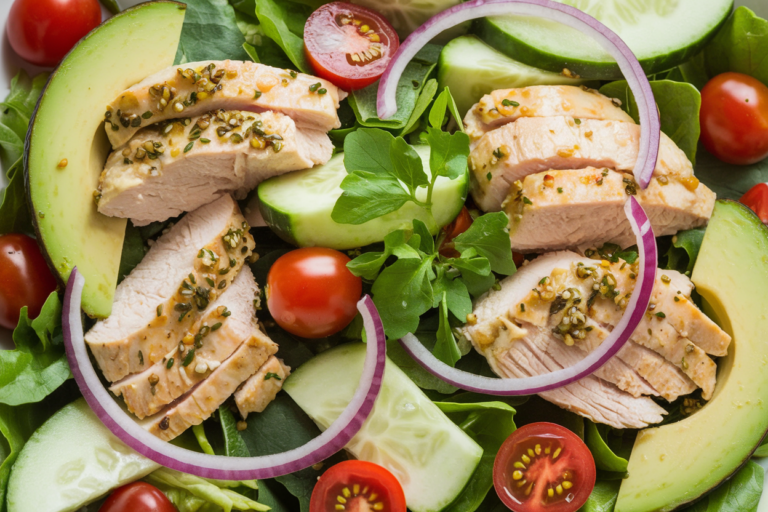
Salads can be more satisfying when you add something hearty alongside the greens. Toss roasted chicken with spinach, chickpeas, tomatoes, and a simple olive oil and vinegar dressing; a few toasted seeds give it extra crunch. For a softer, milder combination, pair chicken with butter lettuce, avocado, sweet corn, and a lime dressing. Add the dressing just before eating so the leaves stay crisp.
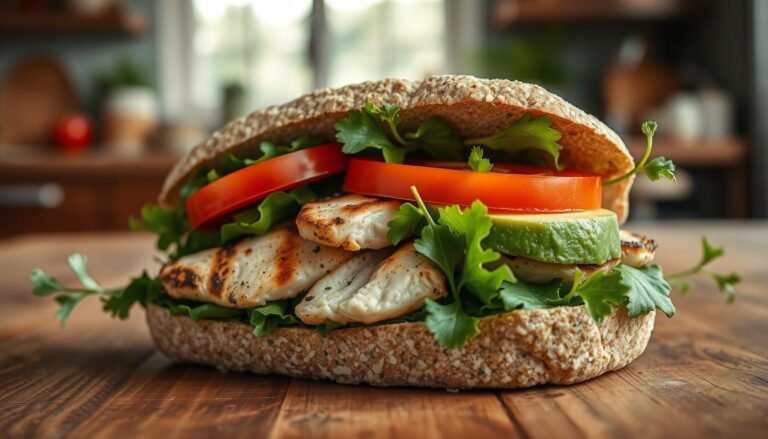
Wraps are handy when you want the same ingredients in a portable form. Fill a whole wheat tortilla with chicken, hummus, shredded cabbage, and cucumber, or use ranch, lettuce, and tomato for a familiar lunch. Keep wet ingredients toward the center and leave room at the edges for folding. A warm tortilla is less likely to crack.
Sheet-Pan Dinners and One-Pot Meals
A sheet-pan dinner keeps the cooking straightforward: arrange chicken and vegetables on a pan, season them to suit, and roast until the chicken is safely cooked through. For a savory combination, use chicken thighs, broccoli florets, and red onion with garlic and dried herbs. Cut the vegetables into similar-sized pieces so they cook at a similar pace, and give the pan enough space for them to brown instead of steam.
For a brighter tray, pair chicken breast with bell peppers, zucchini, and lemon wedges, then serve it with couscous or crusty bread. If one ingredient cooks faster than another, add it later; zucchini, for example, needs less oven time than dense potato chunks. A quick check with a food thermometer is more dependable than judging doneness by color alone.
One-pot meals bring the grain and chicken together with less juggling. Simmer chicken pieces with rice, broth, diced tomatoes, and peas, or stir shredded chicken into a pot of white beans, kale, and broth. Keep an eye on the liquid as the rice cooks, since different pans and grains absorb it at different rates. Finish with parsley or a little grated cheese at the table.
| Meal style | Chicken pairing | Easy finishing touch |
|---|---|---|
| Grain bowl | Garlic chicken, rice, cucumber | Lemon yogurt sauce |
| Salad | Roasted chicken, spinach, chickpeas | Olive oil and vinegar |
| Wrap | Chicken, hummus, cabbage | Cucumber and herbs |
| Sheet pan | Chicken thighs, broccoli, red onion | Garlic and dried herbs |
| One pot | Chicken, rice, tomatoes, peas | Chopped parsley |
My Take on Meal Prep: What Actually Keeps Chicken Tasty?
Good chicken prep starts with a plan you can live with, not a fridge full of identical containers you’ll stop wanting by Wednesday. Decide which meals need cooked chicken and which are better assembled fresh. A tray of roasted thighs can cover one dinner, then become lunch wraps the next day if you keep the add-ins separate.
Timing matters, too. Cook only what you can chill and use promptly, and portion it before it sits out while you tidy the kitchen. A shallow container cools faster than a deep, tightly packed one. Small habits like these keep the meat pleasant to eat instead of leaving you with dry leftovers you’d rather avoid.
For the best texture, think in stages: cook, cool, store, then reheat only what you’re about to eat. Keep sauces, crisp toppings, and moist ingredients apart until serving. That bit of planning takes a few minutes, but it can make Thursday’s chicken taste far closer to dinner on Monday.
Prep Ahead Without Drying It Out
Choose cuts that suit your schedule. Boneless thighs tend to stay forgiving if you’re cooking several portions at once, while chicken breast benefits from careful timing and even thickness. If one end of a breast is much thicker, gently flatten it so it cooks at a similar pace. Use a thermometer to check the thickest part rather than cutting into every piece and letting the juices escape.
Let cooked chicken cool briefly, then divide it into meal sized portions in shallow containers. Don’t leave it on the counter for hours. If you’re prepping for different meals, store the chicken plain and add salsa, dressing, or pan sauce when you serve it. A spoonful of broth or sauce can also help moisten sliced chicken before reheating, without turning the whole batch soggy.
Plan for variety with simple finishing touches. Keep sliced chicken separate from tortillas, salad greens, or cooked rice, and add crunchy ingredients just before eating. For example, one portion can go into a warm grain bowl, while another gets tucked into a wrap with fresh salsa. You’ve cooked once, but the meals don’t have to taste like repeats.
- Label containers with the cooking date.
- Use leakproof containers for marinades and sauces.
- Keep a clean serving spoon with each shared dish.
- Freeze portions you won’t use within a few days.
Store and Reheat It Safely
Get cooked chicken into the fridge within two hours of cooking, or within one hour if the room is hotter than 90°F. Use a refrigerator set to 40°F or below, and keep raw chicken sealed on a lower shelf so it can’t drip onto ready to eat food. Cooked chicken generally keeps for three to four days in the refrigerator; freeze portions sooner if you won’t get to them in that window.
When you reheat leftovers, bring them to 165°F throughout. A food thermometer is more reliable than judging by steam or a hot edge, especially with a thick portion. In the microwave, cover the chicken, add a small splash of broth or water, and pause to stir or turn it halfway through. That helps the center heat evenly while the outside stays tender.
Reheat only the portion you plan to eat. Repeated warming and cooling can make chicken less appealing, and it complicates safe storage. Thaw frozen portions in the refrigerator, in cold water, or in the microwave rather than leaving them on the counter; if you use cold water or the microwave, cook or reheat them right away. When leftovers smell off or have been stored too long, discard them instead of taking a chance.
What Makes a Chicken Meal Balanced?
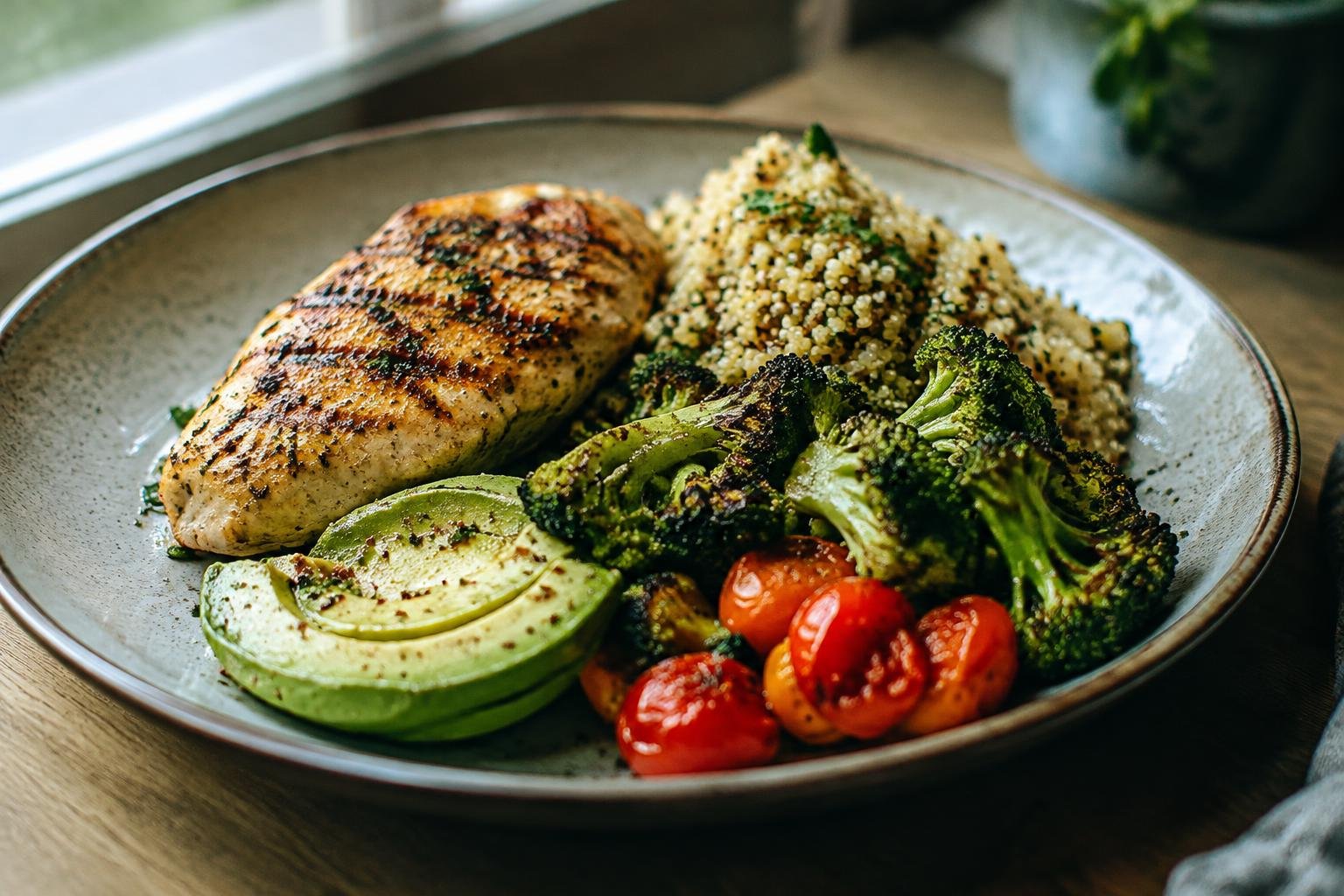
A balanced plate gives chicken company rather than asking it to do all the work. Pair it with vegetables for fiber and color, a grain or another filling carbohydrate for energy, and a modest amount of healthy fat for flavor and staying power. You don’t need to measure every component; a plate with roasted chicken, brown rice, and green beans is a useful everyday guide.
Think about variety across the meal, too. If your chicken is simply seasoned, you can bring brightness with vegetables and a lemony dressing; if the vegetables are rich or roasted, a plain grain can keep the plate from feeling heavy. Olive oil, avocado, nuts, and seeds are practical sources of unsaturated fat, though a drizzle or small topping usually goes a long way.
Balance isn’t a rigid formula. Your appetite, schedule, and what’s already in the fridge all matter. A handful of spinach stirred into warm grains, or a few slices of avocado beside chicken and corn, can round out a meal without adding a complicated recipe.
Add Color With Vegetables
Color is a handy cue for building variety. Pair chicken with dark greens such as spinach or broccoli, orange vegetables such as carrots or squash, and red options like tomatoes or peppers. Each brings a different texture and flavor, so the plate feels more complete than chicken beside a single pale side.
Fresh, frozen, and canned vegetables can all fit. Toss broccoli florets with a little olive oil and roast them until the edges brown, or warm frozen peas with herbs while rice cooks. If you’re using canned vegetables, check the label for added salt and drain or rinse them when appropriate.
Raw vegetables work, too. A crisp cabbage and cucumber salad adds crunch beside tender chicken, while cherry tomatoes can be halved and mixed with leafy greens in minutes. Choose a preparation that suits the rest of the meal: roasted vegetables bring sweetness, and a squeeze of lemon or vinegar can balance richer flavors.
Choose Sides That Keep You Satisfied
A grain or other hearty side gives a chicken meal substance. Brown rice, barley, oats, quinoa, and whole wheat couscous are options with fiber; potatoes and corn can also make satisfying choices. Pick what you enjoy and what fits the meal, rather than assuming every plate needs the same base.
Healthy fats add flavor and can make a simple plate feel more filling. Try a spoonful of tahini thinned with lemon, a few avocado slices, or chopped walnuts over greens. Olive oil works well on roasted vegetables or grains, but you can start with a small drizzle and add more only if the dish needs it.
For a practical balance, combine textures and flavors: soft rice, crisp vegetables, tender chicken, and a little creamy avocado make each bite more interesting. If your side is already rich, such as potatoes dressed with oil, keep the vegetable seasoning lighter. A bowl of barley with chicken, spinach, and toasted pumpkin seeds is one easy way to bring those elements together.
| Meal component | Options | Simple pairing |
|---|---|---|
| Vegetables | Broccoli, carrots, spinach, tomatoes | Roast, steam, or serve raw |
| Grains and filling sides | Brown rice, barley, potatoes, corn | Serve beneath or beside chicken |
| Healthy fats | Olive oil, avocado, tahini, seeds | Add a drizzle or small topping |


Summing up
Healthy chicken meals don’t need complicated recipes or a long list of ingredients. When you pair simply cooked chicken with vegetables, whole grains, or beans, you’ve got a flexible meal that can fit a busy weeknight. Try roasted chicken with brown rice and broccoli, or tuck sliced chicken into whole wheat tortillas with cabbage and salsa. Small choices, such as seasoning with garlic, lemon, and herbs instead of relying on a heavy sauce, can make dinner feel fresh without adding much fuss.
Your routine matters, too. Cook extra chicken for tomorrow’s lunch, but keep it moist by storing it with a little cooking liquid or sauce. Then use it in a salad, a grain bowl, or soup rather than serving the same plate twice. If you’re short on time, frozen vegetables and canned beans can fill out a meal; check labels for added salt, and season to taste at home. Chicken is only one part of the plate, so include foods that bring color, fiber, and satisfying flavor.
Start with one meal you already enjoy and adjust it: grill the chicken, add a vegetable, or swap a refined grain for a whole grain. Once that feels easy, rotate in another combination, such as chicken with roasted sweet potato and green beans. You’ll build a collection of meals that suits your appetite, schedule, and kitchen, without turning dinner into a project.