Vegan Fresh Ingredient Recipes
A ripe tomato, crisp cucumber, and handful of herbs can turn a simple vegan meal into something bright and satisfying. When you cook with fresh ingredients, you get more natural flavor, texture, and color without relying on complicated techniques. Start with what’s in season, then pair produce thoughtfully: juicy tomatoes and basil, for example, make a lively pasta topping.
Key Takeaways:
- Fresh produce brings color, crunch, and bright flavor to vegan meals. Ripe tomatoes, crisp cucumbers, and a handful of herbs can turn a simple salad into a satisfying lunch.
- Ingredients work best when their flavors and textures complement each other. Pair sweet roasted carrots with tangy lemon dressing, or add toasted nuts to soft greens for a little crunch.
- Simple prep keeps fresh ingredients at their best: wash leafy greens before cooking, add delicate herbs near the end, and store cut vegetables in an airtight container in the fridge.
Why Fresh Ingredients Make Vegan Meals Taste Better
Fresh ingredients bring their own character to a meal, so you don’t have to rely on heavy seasoning to make every bite interesting. A ripe tomato tastes sweet and juicy; a crisp cucumber adds coolness that balances warm, earthy lentils. Put them together and you get contrast as well as flavor.
Texture matters just as much. Tender greens, firm beans, and crunchy radishes keep a bowl from feeling flat, even when the ingredients are simply dressed with lemon and olive oil. And because plant based meals often feature vegetables, grains, and legumes in clear, distinct roles, small differences in freshness can show up on the plate. A just cut herb releases a brighter aroma than one that’s gone limp, while a crisp pepper gives a stir fry a lively bite.
What “Fresh” Really Means in Everyday Cooking
Fresh doesn’t have to mean picked that morning. In everyday cooking, it means an ingredient still has the flavor, aroma, and texture you expect from it. A carrot that snaps when you bend it will bring more crunch to a salad than one that’s rubbery; basil with fragrant, perky leaves will give a sauce a cleaner, greener taste than leaves that have darkened.
Some ingredients also keep their appeal longer than others. Cabbage can stay crisp for a while, while tender greens lose their spring sooner. So use your senses before cooking: check whether a vegetable smells clean, feels firm, and looks lively. A slightly soft tomato can still work beautifully in a cooked sauce, where its juices mingle with garlic and oil, even if it’s no longer ideal for slicing.
The Simple Flavor Boost of Seasonal Produce
Seasonal produce often tastes especially vivid because it’s harvested when its flavor and texture are at their best. A summer peach can bring fragrant sweetness to a salad, while a cool weather squash turns silky and rich when roasted. You can taste the difference in a simple meal: ripe tomatoes need little more than salt, pepper, and basil, while winter greens pair naturally with citrus for a bright finish.
Seasonal shifts also give familiar dishes a fresh feel without adding complicated steps. Try tender spring asparagus with warm white beans, or fold sweet corn into a bowl of rice when it’s in season. The produce supplies the contrast: crisp against creamy, sweet against earthy. That’s why a handful of fresh herbs or a seasonal vegetable can make a basic plate of grains and beans feel lively.
| Ingredient | Fresh quality to notice | Effect in a vegan meal |
|---|---|---|
| Tomato | Juicy flesh and a fragrant smell | Adds sweetness and moisture |
| Cucumber | Firm, crisp flesh | Brings cool crunch |
| Basil | Perky leaves with a clear aroma | Adds a bright, herbal note |
| Carrot | Firm texture that snaps | Provides sweetness and bite |
Picking Ingredients That Actually Work Together
Start with a shared thread: sweetness, freshness, or a savory note that lets your ingredients sit comfortably together. Ripe tomatoes and sweet corn, for instance, make an easy match, while lemon can brighten both without taking over. Choose produce that’s in good shape and suits the dish you have in mind; a firm pear brings a different feel from a soft, juicy one.
Your pantry can fill gaps without crowding out fresh flavors. Olive oil, tahini, vinegar, and a few spices each bring a distinct kind of richness or tang. Check labels on packaged staples such as broth and sauces, since ingredients like honey or dairy can turn up unexpectedly. A small handful of well-matched ingredients often tastes clearer than a crowded mix.
My Go-To Fresh Produce and Herbs
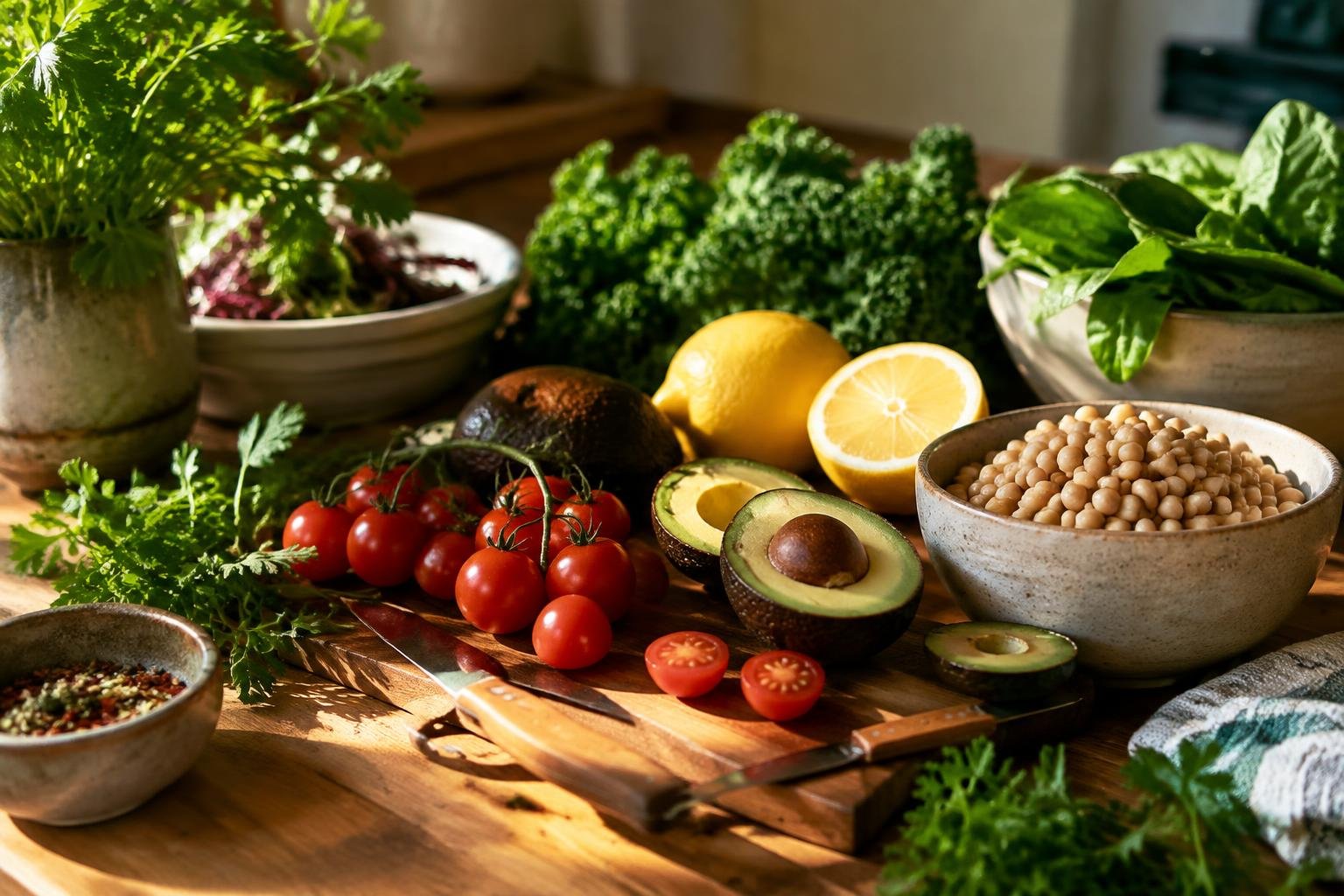
Keep a flexible mix of produce on hand: leafy greens, something crisp, and one or two ingredients with natural sweetness. Cucumbers pair neatly with radishes, while carrots work well beside leafy herbs and citrus. Choose fruit that can pull double duty; a lemon can season greens, beans, or a bowl of sliced apples. For herbs, parsley and cilantro suit bright, fresh combinations, while rosemary brings a woodier note to potatoes or white beans.
Buy herbs with leaves that look lively rather than limp, and match them to the flavors you already enjoy. Mint brings a cool edge to peas and cucumber; basil fits naturally with tomatoes and tender greens. If you’re unsure what to choose, pick one herb and let it lead instead of adding several competing flavors. A bunch of parsley can also become a simple base for a chopped herb dressing.
A Handy Guide to Mix-and-Match Flavors
Think in pairs before you fill your basket: sweet with sharp, creamy with crisp, or earthy with bright. Roasted beet’s earthy sweetness, for example, sits well beside tart orange and peppery arugula. For a creamy element, try avocado with crunchy cabbage and lime, or tahini with chickpeas and parsley. These combinations give each ingredient a clear role, so your plate doesn’t taste muddled.
Use this quick guide when you want a starting point, then adjust to what looks good at the market:
- Tomatoes with basil and a splash of balsamic vinegar
- Sweet potato with black beans and ground cumin
- Peas with mint and a little lemon zest
- Apple with cabbage and toasted walnuts
Fresh Vegan Recipes You’ll Want to Make Again
Keep a handful of reliable meals in your weekly rotation, then change the herbs, vegetables, or dressing to suit what you have. A quick breakfast can carry you through a busy morning, while a lunch built around beans or grains is easy to pack. At dinner, a hot pan, a pot of pasta, or a sheet tray turns fresh produce into something hearty without much fuss.
Think of these recipes as flexible templates, not strict instructions. Add chickpeas to a salad for a more filling lunch, or spoon leftover roasted vegetables over toast the next day. A squeeze of lemon, a spoonful of tahini, or a scatter of fresh herbs can shift the flavor without asking you to start from scratch.
Bright Breakfasts and Easy Lunches
For breakfast, mash ripe avocado onto toast and top it with sliced tomato, cracked pepper, and a pinch of salt. If you’d rather eat with a spoon, simmer oats with grated apple and cinnamon, then finish with chopped walnuts. Both options are quick, but they feel like a proper meal. On a slower morning, fold wilted spinach and mushrooms into a tofu scramble and serve it with warm tortillas.
Lunch can be just as straightforward. Toss cooked lentils with cucumber, chopped parsley, and a lemon dressing, or tuck hummus, shredded carrot, and greens into a pita. Got leftover rice? Mix it with edamame, scallions, and crisp cabbage for a filling bowl. Keep dressing separate if you’re packing lunch, so the greens stay lively until you’re ready to eat.
Colorful Dinners and Fresh Sides
A sheet pan makes dinner feel manageable: roast cauliflower and red onion until browned, then serve them over couscous with a spoonful of tahini sauce. For another easy night, stir-fry broccoli, bell pepper, and tofu with garlic and ginger, and bring it to the table with rice. Cut vegetables into similar-sized pieces so they cook at about the same pace; thin strips of pepper soften well before larger broccoli florets.
Fresh sides can round out a simple main without adding much work. Pair lentil soup with a tomato and cucumber salad, or serve grilled corn beside black bean tacos. A bowl of sliced radishes with lime and salt brings a crisp bite to a rich curry. Save any extra herbs for a quick finish: chopped cilantro brightens a bean bowl, while basil gives a warm tomato pasta a fresh edge.
| Meal | Recipe idea | Easy variation |
|---|---|---|
| Breakfast | Avocado and tomato toast | Add sliced radishes |
| Lunch | Lentil and cucumber salad | Serve in a pita |
| Dinner | Roasted cauliflower couscous | Finish with lemon |
| Side | Tomato and cucumber salad | Add chopped parsley |
What’s the Best Way to Prep and Cook Fresh?
Fresh ingredients don’t need much fuss, but a few small choices can make weeknight cooking smoother. Wash produce before you start, then dry leafy greens and herbs well so they don’t water down a pan or dressing. Set out your knife, board, and seasonings before the heat goes on; once garlic hits warm oil, there isn’t much time to hunt for the cumin.
Match your prep to how each ingredient cooks. Cut dense carrots into slim pieces, keep tender zucchini a little thicker, and separate broccoli stems from florets so both cook evenly. Add delicate herbs near the end, while sturdy ingredients can take more heat. You’ll get brighter colors and better texture without complicated steps.
Quick Prep for Busy Weeknights
Start with the ingredient that takes longest, then prep the rest while it cooks. If you’re making a chickpea and vegetable skillet, slice the onion and carrots first; chop spinach and parsley while they soften. Keep cut ingredients in separate piles or small bowls, so you can add each one at the right moment instead of crowding the pan.
A sharp knife saves time and keeps tomatoes from turning to pulp. For an even faster start, use a box grater for carrots or a citrus zester for lemon peel, and rinse canned beans while the pan warms. You can also strip kale leaves from their stems in one quick pull, then slice the stems finely for the first few minutes of cooking.
Keep the Crunch, Color, and Flavor
Give vegetables room in the pan. When you pile mushrooms or cauliflower into a crowded skillet, they release moisture and steam instead of browning; cook them in batches if needed. Use medium high heat for a quick sear, and stir only often enough to prevent sticking. A little golden color adds depth without leaving vegetables limp.
For crisp results, add tender greens like spinach at the end and let residual heat wilt them. Keep lemon juice and fresh herbs off the hottest surface: squeeze the lemon over the finished dish, then fold in chopped basil or cilantro. Try these quick cues as you cook:
- Cut bell peppers into similar sized strips.
- Toast cumin briefly before adding wet ingredients.
- Blanch green beans, then plunge them into cold water.
- Season sliced tomatoes just before serving.
The Real Deal About Storing Fresh Ingredients
Good storage starts before anything goes into the fridge. Keep produce dry until you’re ready to wash it, since trapped moisture can encourage mold, and remove any spoiled leaves or bruised pieces before they affect the rest. A loose bag or breathable container often works better than sealing delicate greens in a damp, airtight one.
Temperature matters, too. Your refrigerator’s crisper drawer gives many vegetables a cooler, humid spot, while tomatoes and whole stone fruit usually taste better at room temperature until ripe. Herbs need their own touch: treat sturdy stems like parsley as a small bouquet in a jar of water, but wrap tender herbs such as basil loosely and keep them away from cold air.
Store Produce So It Lasts
Separate fruits that ripen quickly from vegetables that are sensitive to the gases some fruits release as they ripen. Apples, for example, can speed up ripening nearby, so give them their own bowl rather than tucking them beside leafy greens. Keep potatoes and onions in a cool, dark, dry place, but store them apart; moisture and poor airflow can make either spoil sooner.
For fridge storage, use the crisper drawers for produce that benefits from humidity, and leave a little room for air to circulate. Store washed lettuce only after it’s thoroughly dried, with a clean towel in its container to absorb extra moisture. A quick check every few days lets you remove a soft cucumber or wilted leaf before it turns into a bigger mess.
| Ingredient | Where to store it | Simple check |
|---|---|---|
| Leafy greens | Refrigerator, dry container | Remove wilted leaves |
| Tomatoes | Room temperature until ripe | Move ripe ones to the fridge if needed |
| Potatoes | Cool, dark, dry spot | Keep away from onions |
| Parsley | Jar of water in the fridge | Trim stems and refresh water |
Use Up Extras Before They Go Bad
Wilted greens aren’t always finished. If they’re still clean and free of slime, stir them into a pot of soup or fold them into warm grains just before serving; the heat softens the leaves without demanding perfect-looking produce. A half bunch of parsley or cilantro can be chopped with lemon zest and stored briefly in a covered container, ready to brighten beans or roasted vegetables.
When you’ve got more than you can use in a few days, freeze ingredients that handle it well. Peas, corn kernels, and chopped bell peppers can go into a freezer container for later cooking, while soft salad greens are better used fresh. Keep a small “use first” area at the front of your fridge, and place the oldest open container there, where you’ll see it before reaching for something newer.

Conclusion
Fresh vegan cooking works best when you let each ingredient do its job. Ripe tomatoes bring sweetness and juice, leafy herbs add fragrance, and a squeeze of lemon can brighten beans or roasted vegetables just before serving. You don’t need complicated techniques: a sharp knife, a hot pan, and a little attention to texture can turn familiar produce into a satisfying meal. If you’re planning dinner, start with what’s in season or already waiting in your fridge, then pair it with a filling staple such as lentils, rice, or chickpeas.
Give yourself room to adjust as you cook. Taste a dressing before it reaches the salad, add tender greens near the end of a soup, and store delicate herbs with care so they’re ready for another meal. A few thoughtful choices can make weeknight cooking easier and cut down on produce you’d otherwise forget. Your next good dish might be as simple as crisp cucumber, warm chickpeas, fresh dill, and a tangy lemon dressing.
Printable Recipe Card
Want just the essential recipe details without scrolling through the article? Get our printable recipe card with just the ingredients and instructions.