Healthy Dessert for Diet Plan
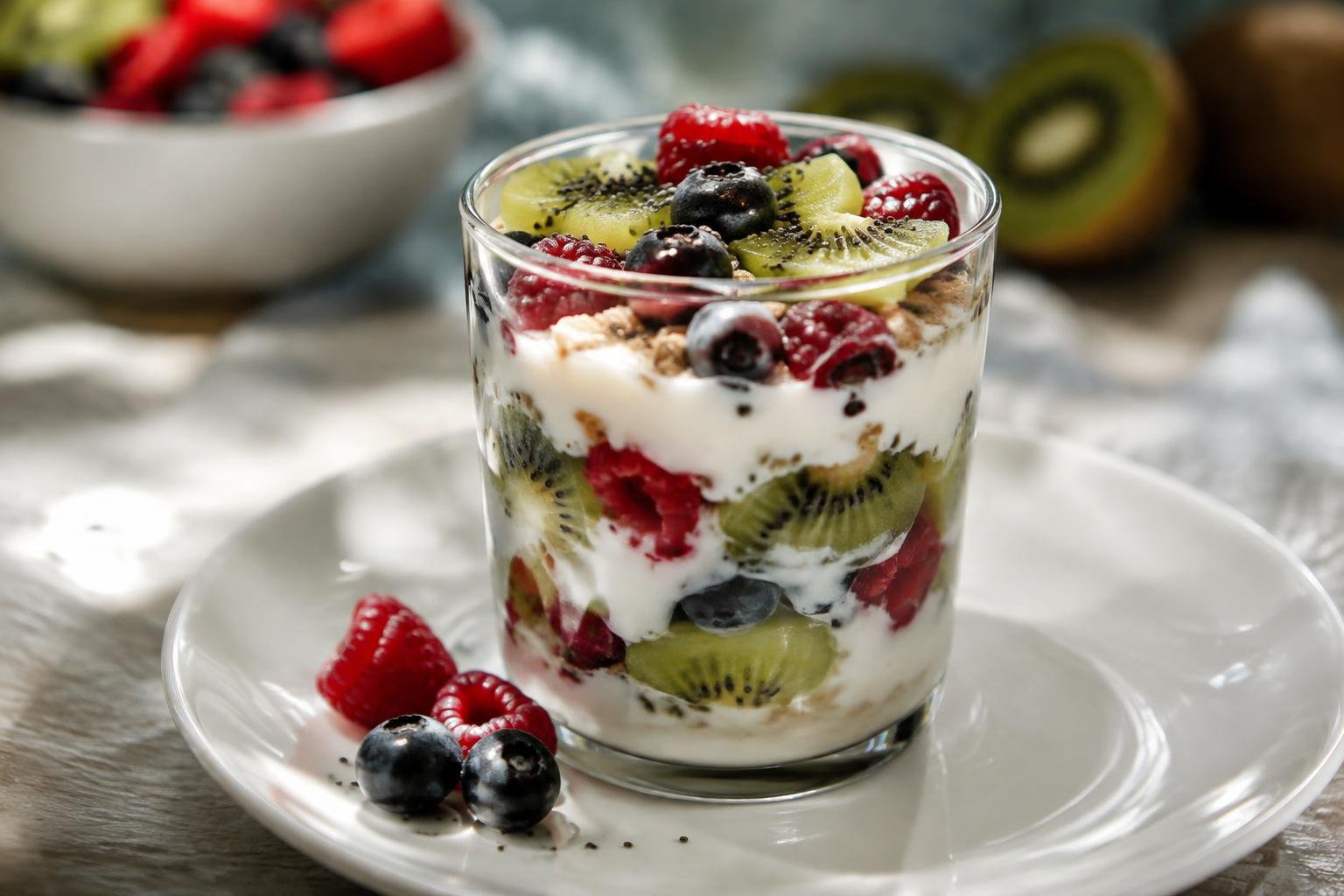
A diet plan doesn’t have to mean giving up the sweet finish you enjoy after dinner. You can make dessert work with your goals by choosing satisfying ingredients and keeping portions in view. A bowl of Greek yogurt with berries, for example, offers sweetness and texture without turning an everyday treat into an all-or-nothing choice.
Key Takeaways:
- A diet-friendly dessert can still taste satisfying. Try Greek yogurt with berries and a little honey, or baked apple with cinnamon.
- Portion size and ingredients matter more than a “healthy” label. Check added sugar, and choose options with fruit, nuts, or yogurt when they fit your plan.
- Dessert can be part of a balanced diet. Pick something you enjoy and serve a portion that leaves you satisfied, not deprived.
What Makes a Dessert Diet-Friendly?
A diet-friendly dessert fits your eating plan without turning a treat into a math problem. Calories matter, but they’re only part of the picture: a small serving can still leave you hungry if it offers little beyond sweetness. A bowl of berries with yogurt, for instance, brings more nourishment than an equal-calorie handful of candy.
Think about the dessert’s ingredients, how much you’ll eat, and whether it feels satisfying afterward. You don’t need every sweet to check every nutrition box, either. A cookie enjoyed after dinner can fit; the goal is to make room for treats while keeping your usual choices nourishing and portions comfortable.
Balance sweetness with fiber and protein
Fiber and protein can make a sweet snack more filling, so you’re less likely to reach for another portion right away. Pairing fruit with plain yogurt gives you natural sweetness, fiber from the fruit, and protein from the yogurt. A sliced pear with cottage cheese is another simple example.
Sweetness doesn’t have to come from sugar alone. Ripe banana or strawberries can bring plenty of flavor, while oats, chia seeds, or nuts add fiber and texture. But balance is about the whole serving, not a single ingredient: a dessert made with nutritious foods can still add up if you eat far more than you intended.
Keep portions satisfying, not tiny
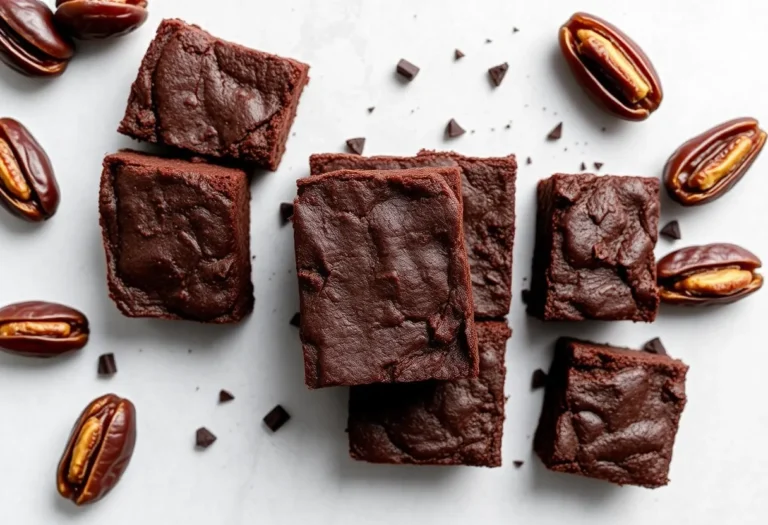
A portion should feel like a real treat, not a token bite that leaves you eyeing the rest of the kitchen. Try plating one brownie or pouring a serving of frozen yogurt into a bowl instead of eating from the package. Seeing what you’ve chosen makes it easier to enjoy the dessert at a comfortable pace.
Pay attention to richness, too. A dense slice of cake may be satisfying in a smaller piece than a lighter fruit dessert, and there’s no need to use the same serving size for both. If you’re still hungry, pause and check whether you need more food or simply want another taste.
- Choose a bowl or plate before you start eating.
- Serve dessert after a meal if that suits your routine.
- Put the package away before you sit down.
Simple Swaps That Make Sweets Healthier
Small changes to a familiar recipe can make a dessert fit your diet plan better without turning it into a different dish. Try one swap at a time, then taste as you go; applesauce in a loaf cake, for example, can add moisture while letting you trim some of the oil. The best choice depends on the recipe, since fat, sugar, and flour each affect texture in their own way.
You don’t need to replace every ingredient, either. Keeping the chocolate in brownies while adjusting the flour or sweetness can preserve the treat you enjoy. A few practical swaps are easy to compare before you start baking.
| Recipe ingredient | Everyday swap | What it changes |
|---|---|---|
| Some oil in cake | Unsweetened applesauce | Adds moisture |
| White flour | Whole wheat pastry flour | Adds a heartier texture |
| Part of the sugar | Mashed ripe banana | Adds sweetness and moisture |
Use fruit, yogurt, or whole grains
Ripe fruit brings sweetness and moisture, so mashed banana can work well in muffins, while chopped dates add a chewy note to oat bars. Unsweetened applesauce is another useful baking swap, though replacing all the fat may leave a cake dense. Start by replacing only part, then check the texture.
For a quick dessert, spoon berries over plain Greek yogurt and add a little cinnamon or toasted oats. In baked recipes, try swapping some white flour for whole wheat pastry flour; its finer texture is less heavy than regular whole wheat flour. These ingredients add flavor and texture, but they still count toward your overall portions.
Cut back on added sugar without going bland
Reduce sugar gradually rather than stripping it out. In many cookies or quick breads, you can try using a little less and see whether the flavor and texture still suit you. Sugar does more than sweeten: it helps baked goods brown and stay tender, so a large cut can make a noticeable difference.
Build flavor as you trim sweetness. Vanilla, cinnamon, citrus zest, or a pinch of salt can make a dessert taste fuller without adding more sugar. Dark chocolate also brings a strong cocoa flavor, so a few chopped pieces may go further than a larger amount of a sweeter topping. Taste the batter when it’s safe to do so, or sample the finished batch before adjusting your next recipe.
What Should You Look for in Store-Bought Desserts?
Package claims can make a treat sound lighter than it is, so turn the box around before you decide. The nutrition facts and ingredient list give you a clearer picture than phrases like “made with fruit” or “high protein.”
Compare similar products side by side, such as two yogurt cups or snack bars, and check the amount you’d actually eat. A little label reading can keep a convenient dessert in your plan without turning a single portion into an accidental double.
Check Added Sugars and Serving Sizes
Start with the serving size, then check added sugars for that exact amount. A package may contain two servings even if it looks like one snack, so eating the whole thing means you’ll need to count twice the listed sugar and calories. For example, compare the label with the portion you’d normally have, not just the small amount printed at the top.
Added sugars are listed separately from total sugars on many nutrition labels. That distinction matters in foods such as fruit yogurt, where some sugar comes naturally from milk or fruit. If you’re choosing between two similar desserts, the one with less added sugar per portion may fit your preferences better. Also check whether the package is resealable; it can make saving half a bar or pudding cup easier.
Spot Nutritious Ingredients on the Label
Scan the ingredient list for foods you recognize, such as oats, nuts, cocoa, or fruit. Ingredients appear in order by weight, so a dessert listing sugar near the beginning likely contains a substantial amount. A short list can be handy, but length alone doesn’t tell you whether a product suits your needs; compare the ingredients with the nutrition facts and your own dietary priorities.
Look for a source of fiber or protein if you’d like a treat that feels more satisfying, such as oats in a snack bar or Greek yogurt in a frozen dessert. Check the type of fat, too: nuts and seeds offer unsaturated fats, while a long ingredient list may include several added oils. A quick label check can help you spot:
- Whole fruit listed by name
- Oats or whole grain near the start
- Nuts or seeds for texture
- Milk or yogurt as a protein source
Healthy Dessert Ideas I Actually Enjoy
Good homemade desserts don’t need a long ingredient list or a special occasion. A ripe banana, a spoonful of yogurt, or a few squares of dark chocolate can turn an ordinary snack into something that feels like a treat. You get more control over sweetness and portions, too, because you’re making it yourself.
Keep the flavors simple and let texture do some of the work: warm fruit, creamy yogurt, and crisp oats each bring their own appeal. A little cinnamon or cocoa can make a familiar combination feel different without much effort. These are the kinds of sweets you can pull together with everyday ingredients.
Fruit-forward desserts for everyday cravings
When you want something sweet after lunch, try sliced apple warmed in a pan with cinnamon and a splash of water. It softens into a spoonable dessert, and a few chopped walnuts add crunch. You can also bake a pear until tender, then serve it with a spoonful of plain yogurt. The fruit’s own sweetness carries the dish, so added sugar often isn’t needed.
Frozen grapes are another easy option: wash and freeze them on a tray, then eat them straight from the freezer for a chilly, chewy bite. For a softer finish, mash ripe berries over cottage cheese or yogurt. Choose fruit that’s in season when you can; peaches, berries, and oranges each bring a different flavor without asking you to make a complicated recipe.
| Fruit | Simple preparation | Texture or flavor |
|---|---|---|
| Apple | Warm with cinnamon | Soft, gently spiced |
| Pear | Bake until tender | Juicy and mellow |
| Grapes | Freeze on a tray | Chilly and chewy |
Quick yogurt, oats, and chocolate options
Plain yogurt gives you a creamy base for a quick dessert. Stir in cocoa powder and a little honey, then add sliced strawberries or a few chocolate shavings. If you prefer a thicker spoonful, mix yogurt with chia seeds and let it sit in the fridge until it firms up. You’ll get a pudding like texture without needing to cook anything.
For a warm option, combine oats with milk, mashed banana, and a pinch of cinnamon, then heat until soft. A few dark chocolate chips stirred in at the end melt into the oats, so each bite tastes rich without needing a handful of candy. You can also layer yogurt, toasted oats, and fruit in a glass; the contrast between cool creaminess and crisp topping makes a small serving feel satisfying.
How to Fit Dessert Into Your Diet Plan
A dessert fits more comfortably into your day when you make room for it instead of treating it as a slip. You might plan to have a cookie after dinner, or choose a small bowl of fruit and yogurt when you want something sweet after lunch. The point is to enjoy it on purpose, not to eat it while distracted and wonder where it went.
Timing can be practical, too. If a sweet snack in the afternoon leaves you satisfied until dinner, there’s no rule that says dessert has to come after an evening meal. Notice how hunger, schedule, and enjoyment line up, then choose a moment that works for you.
Enjoy Treats Without All-or-Nothing Rules
One dessert doesn’t undo the rest of your eating pattern, and skipping sweets forever isn’t the only way to pursue a goal. If you’re at a birthday party, have a slice of cake and enjoy it rather than deciding the day is already “off plan.” That kind of rigid thinking can turn an ordinary treat into a reason to keep eating past comfort.
Try making your choice without labeling foods as good or bad. You can have a brownie because you like brownies, then return to your usual meals at the next opportunity. No compensating by skipping breakfast, and no need to promise yourself you’ll never eat one again. A calmer approach leaves room for pleasure and keeps one choice from defining your whole day.
Match Portions to Your Appetite and Goals
Start with an amount that sounds satisfying, not the largest serving available. A small dish can make a scoop of ice cream feel like a proper dessert, while eating straight from the carton makes it harder to notice when you’ve had enough. If you’re still hungry after finishing, pause for a moment and decide whether more would genuinely hit the spot.
Your goals matter, but so does your appetite on a particular day. You might want a couple of squares of chocolate after a filling dinner, or a more substantial dessert after an active afternoon. Use the package serving as a reference, not a command; your hunger and the rest of your meal can guide the amount you choose.
- Put your serving on a plate or in a bowl.
- Eat seated, rather than while walking around.
- Keep the package out of reach once you’ve served yourself.
- Pause between bites and notice the flavor.
My Take on Making Healthy Desserts Stick
A dessert habit works better when it fits the way you already eat, rather than asking you to follow a strict set of rules. You might bake on Sunday, keep fruit and yogurt handy for busy evenings, or enjoy a small square of chocolate after dinner. The right routine depends on what feels satisfying and practical in your home.
Give yourself room to adjust. If a recipe feels like a chore or leaves you wanting something else, it probably won’t become a regular choice. A few small, enjoyable options can make dessert feel like part of everyday life, not a test of willpower.
Choose flavors you genuinely like
Start with the flavors you’d choose even if nobody called them healthy. If you love cinnamon, add it to baked apples or oatmeal; if citrus is your thing, try orange zest in yogurt or a simple ricotta bowl. A dessert that suits your taste is more likely to satisfy you than one built around an ingredient you’re forcing yourself to enjoy.
Pay attention to texture, too. You may prefer creamy yogurt with berries, a crisp apple with nut butter, or a soft baked pear with a little spice. Try one change at a time, such as adding toasted nuts for crunch, so you can tell what makes the dessert more appealing. There’s no need to copy someone else’s favorite combination.
Keep a few easy ingredients on hand
A small, useful pantry makes dessert easier to put together when you’re tired or short on time. Plain yogurt, frozen berries, oats, cinnamon, and a jar of nut butter can turn into several simple options without a special shopping trip. Frozen fruit is especially handy: let it thaw for a few minutes, then spoon it over yogurt or warm it in a small pan.
Choose ingredients you already know how to use, and replace them as they run out rather than stocking a long list of extras. If ripe bananas are often on your counter, keep oats nearby for a quick baked snack; if you prefer no-cook choices, keep fruit and yogurt within easy reach. A few familiar staples are easier to use than an ambitious recipe collection.
| What you like | Easy pairing | Handy ingredient |
|---|---|---|
| Warm, spiced flavors | Baked apple with cinnamon | Oats |
| Creamy textures | Yogurt with berries | Plain yogurt |
| Sweet and crunchy | Apple with nut butter | Nut butter |


Final Words
A healthy dessert can fit your diet plan without turning every sweet bite into a calculation. Choose options that satisfy you and bring something useful to the plate, such as fruit, yogurt, oats, or nuts. A bowl of berries with plain yogurt, for example, can feel like dessert while offering more substance than a handful of candy. Portion size still matters, but you don’t need to treat dessert as a failure or an all-or-nothing choice.
Build a routine around what you genuinely enjoy. If you like chocolate, try a few squares alongside fruit; if you prefer something cool, keep frozen banana slices ready for blending. Check packaged desserts for added sugar and serving sizes, then decide whether they fit your day. Your plan should make room for satisfying food, not leave you feeling deprived. With a little preparation and flexible choices, dessert can be part of eating well.