Vegetarian Diet Friendly Meals
A satisfying vegetarian meal doesn’t have to mean a plate of plain greens or a complicated recipe. You can build a filling lunch around black beans, rice, roasted peppers, and avocado, or keep dinner simple with lentil soup and crusty bread. The key is choosing ingredients that bring flavor, texture, and lasting substance to your plate.
Key Takeaways:
- A satisfying vegetarian meal pairs protein with filling staples and produce. Try lentils with rice and roasted vegetables, or scrambled eggs with toast and spinach.
- Vegetarian meals can be simple at any time of day: oatmeal with nuts for breakfast, a chickpea salad wrap for lunch, or tofu stir-fry for dinner.
- Build variety with beans, lentils, tofu, eggs, dairy, nuts, or seeds, and keep easy sides like fruit, yogurt, or hummus and carrots on hand.
What Makes a Meal Vegetarian, Anyway?
A vegetarian meal leaves out meat, poultry, and fish, but the label can cover a few different ways of eating. If you’re choosing a dish at a café, for example, a vegetable curry might be vegetarian while a similar curry made with chicken stock isn’t. The details matter: meat can show up in broth, sauces, or flavorings even when the main ingredients look plant based.
Eggs and dairy are a separate question. Many vegetarians eat both, while others avoid one or the other for personal, cultural, or ethical reasons. A cheese and tomato sandwich fits a lacto vegetarian diet; an omelet fits an ovo vegetarian diet. If you’re cooking for someone else, asking what they include is more reliable than guessing from the word “vegetarian.”
Some people also avoid ingredients made from animals, such as gelatin, which is often used in sweets. Vegetarian eating isn’t one identical rulebook, so a little label reading and a quick question can clear up common confusion. The table offers a simple guide to familiar choices.
| Eating pattern | Meat, poultry, fish | Dairy | Eggs |
|---|---|---|---|
| Lacto ovo vegetarian | Avoided | Included | Included |
| Lacto vegetarian | Avoided | Included | Avoided |
| Ovo vegetarian | Avoided | Avoided | Included |
| Vegan | Avoided | Avoided | Avoided |
Meat-free, but not always dairy-free
For many vegetarians, milk, yogurt, butter, and cheese are part of everyday meals. A baked potato topped with cheddar, or oatmeal finished with milk, can fit comfortably into that pattern. Eggs may be welcome too, whether they’re folded into a breakfast scramble or used to bind a vegetable fritter. So “vegetarian” doesn’t automatically mean every ingredient comes from a plant.
But dairy and eggs aren’t universal choices. If you’re serving a vegetarian guest, don’t assume that cheese is acceptable just because the dish contains no meat. A bean burrito can be made with or without sour cream, and checking which version works saves everyone a bit of awkwardness. The same goes for baked goods, where butter or eggs may be less obvious.
Ingredient names can also take a closer look than you’d expect. Parmesan traditionally uses animal rennet, while some cheeses are made with microbial or vegetarian rennet; the label can help you tell which is which. Gelatin, often found in marshmallows and some desserts, is animal derived, so it isn’t suitable for vegetarians who avoid those ingredients. When the distinction matters, check the package rather than relying on the dish’s name.
Common ingredients to keep on hand
Beans and lentils are useful staples because they bring substance to dishes without needing much fuss. A can of chickpeas can go into a salad, while cooked lentils work in soup or alongside rice. Keeping a few options in the cupboard gives you a straightforward base for meals such as black bean tacos or lentil tomato stew.
Grains add another easy foundation. Rice, oats, pasta, and couscous pair well with vegetables, beans, eggs, or dairy, depending on what you eat. For a quick lunch, you might combine leftover rice with peas and a fried egg; a bowl of oatmeal can take milk, fruit, or nuts. Frozen vegetables are handy too, since peas or spinach can be stirred into a pot without much prep.
Flavorings make these simple ingredients taste like a proper meal. Keep garlic, onions, canned tomatoes, soy sauce, vinegar, and a few dried herbs nearby; each brings a different kind of depth to beans, grains, or vegetables. Nuts and seeds add crunch to porridge or salad, while peanut butter can turn noodles into a filling dish. Check stocks and sauces for meat based ingredients if you’re cooking strictly vegetarian.
My Take on Building Meals That Actually Satisfy
A satisfying meal gives you more than a quick burst of energy. It has enough substance to carry you through the afternoon, and enough contrast in texture and flavor that you don’t feel like you’re eating the same thing in a bowl. For a useful starting point, think about what’s on your plate in three parts: a protein source, vegetables or fruit, and a hearty grain or other filling base.
You don’t need to measure everything or make each part look perfectly balanced. A scoop of lentils, roasted carrots, and brown rice can work just as well as tofu with greens and noodles. What matters is that the meal has some staying power, especially if you tend to get hungry soon after eating.
Small choices can make a noticeable difference. Add chickpeas to a grain bowl, tuck beans into a baked potato, or serve eggs alongside vegetables and toast. Once those building blocks feel familiar, you can adjust portions to suit your appetite and the ingredients you have on hand.
Mix protein, vegetables, and something hearty
Start with a protein you enjoy, then give it company. Black beans bring a soft, earthy bite; baked tofu is firmer and takes on the flavor of whatever you cook it with. Add vegetables in more than one texture if you can: crisp cabbage beside warm beans, or tender roasted zucchini over a bed of greens. The contrast keeps each forkful interesting.
Your hearty base doesn’t have to be rice. Barley, potatoes, whole grain bread, and corn tortillas can all make a meal feel grounded. Try a baked potato topped with white beans and steamed broccoli, or fold scrambled eggs, spinach, and mushrooms into a whole wheat wrap. If you’re using a grain, cook enough for another meal; chilled rice or quinoa can be quickly warmed in a pan with vegetables.
There’s no need to force a fixed ratio onto every plate. On a busy day, you might want extra potatoes; after a long walk, a larger serving of beans may hit the spot. Aim for a clear protein source, a generous handful of produce, and a filling base, then adjust by appetite. For a simple check, ask whether the meal includes all three before you sit down.
- Rinse canned beans to remove excess liquid.
- Keep frozen peas ready for quick meals.
- Toast nuts or seeds for a crunchy finish.
- Use leftover roasted vegetables before cooking fresh ones.
Add flavor with sauces, herbs, and spices
Seasoning is what turns familiar ingredients into meals you actually look forward to. A spoonful of tahini thinned with lemon juice and water gives chickpeas and greens a creamy, tangy finish. For a brighter grain bowl, stir chopped parsley into olive oil with lemon zest. You can make either sauce in minutes, then add just enough to coat the food rather than drown it.
Spices work best when you give them a little heat. Bloom cumin or smoked paprika in oil before adding beans, or stir curry powder into onions as they soften. Fresh herbs bring a different kind of lift: cilantro suits black beans, while dill is lovely with potatoes and white beans. If you’re unsure, start with a small pinch, taste, and build from there.
Keep a few flavor directions in mind, and the same ingredients won’t feel repetitive. Lemon, garlic, and parsley make a fresh, savory combination; soy sauce, ginger, and sesame oil lean warm and salty. A spoonful of yogurt with chili flakes can cool a spicy dish, while vinegar cuts through rich cheese or buttery vegetables. Taste near the end and adjust salt or acidity before serving.
Easy Vegetarian Meals for Any Time of Day
Your day doesn’t have to revolve around complicated recipes. A few reliable ingredients can turn into breakfast, lunch, or dinner with little fuss: eggs, beans, lentils, whole grains, vegetables, and a sauce you already like. Keep cooked rice in the fridge, for instance, and you can pair it with greens and a fried egg at noon or fold it into a quick vegetable skillet at night.
Think in flexible combinations rather than strict recipes. If you’ve got tortillas, canned beans, and a bit of cheese, lunch is close; swap in leftover roasted vegetables when the fridge offers them. For dinner, pasta can take on sautéed mushrooms, spinach, and white beans without needing a long simmer. A change in seasoning can make familiar staples feel new.
Here are practical ideas for busy mornings, midday breaks, and evenings when you’d rather keep the cooking simple.
Quick breakfasts and lunches
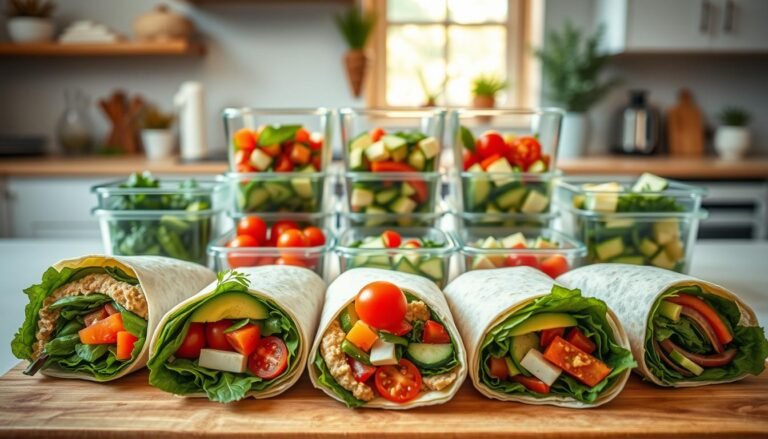
Oatmeal is a useful starting point, but it doesn’t have to be sweet. Stir in grated cheddar and chopped spinach while the oats cook, then top the bowl with a fried egg or toasted seeds. If you prefer something you can eat on the way out, spread hummus on a whole grain wrap, add sliced cucumber and roasted peppers, and roll it tightly so the filling stays put.
For a fast lunch, mash canned chickpeas with lemon juice, olive oil, and a little mustard; pile the mixture onto toast with crunchy lettuce. Leftover rice also makes a quick base: warm it with frozen peas, soy sauce, and scrambled egg, or keep it egg free and add edamame. You’ll get a filling meal without waiting for a fresh batch of grains to cook.
When time is especially tight, a breakfast quesadilla works well. Fill a tortilla with scrambled eggs, black beans, and salsa, fold it in half, and toast it in a skillet until the edges turn crisp. Cut it into wedges for an easy meal at home or at your desk.
Cozy dinners for busy nights
On a cold evening, red lentils can become a comforting soup before you’ve had time to fuss over dinner. Simmer them with vegetable broth, diced tomatoes, onion, and curry powder until they soften, then finish with a splash of coconut milk or a spoonful of yogurt. Serve with toast or warm flatbread to make the bowl more substantial.
For a dinner that needs little attention, toss cauliflower florets, chickpeas, and sliced red onion with oil and smoked paprika, then roast them on one pan until browned. Spoon everything over couscous and add a quick lemon and tahini dressing. You can use broccoli or carrots instead, depending on what’s waiting in your crisper drawer.
Pasta is another dependable option when the day runs long. Cook it while you sauté garlic, mushrooms, and spinach; stir in white beans and a little pasta water for a silky finish. Parmesan adds a savory edge, while lemon zest keeps the dish bright. Dinner lands on the table with one pan for the sauce and one pot for the pasta.
| Meal | Quick base | Filling additions |
|---|---|---|
| Breakfast | Oats or tortilla | Egg, spinach, or beans |
| Lunch | Toast or leftover rice | Chickpeas, peas, or edamame |
| Dinner | Lentils, couscous, or pasta | Vegetables and beans |
Seriously Good Snacks and Sides
A few well-chosen extras can make a simple plate feel complete without turning the kitchen into a second job. Keep a bowl of crisp vegetables, a jar of olives, or a tub of hummus ready, and you can add texture and flavor in seconds. These little additions are handy when a meal needs something fresh, tangy, or crunchy.
Think about contrast as you choose them. A creamy dip pairs nicely with raw carrots; a sharp pickle can cut through a rich bean dish; toasted seeds add crunch to soft roasted vegetables. You don’t need to make every side from scratch, either. A good store-bought chutney or salsa can earn its place alongside something you’ve cooked.
Small portions are often enough. Set out a few options, let everyone take what they like, and save leftovers in easy-to-reach containers. That’s a practical way to add variety while keeping everyday cooking manageable.
Filling snacks that travel well
For a snack that can handle a commute or an afternoon in your bag, choose ingredients that stay tasty without much fuss. Roasted chickpeas bring a satisfying crunch, while a small container of edamame makes a protein-rich option if you can keep it cool. Pair either with a piece of fruit, such as an apple or pear, for a snack that doesn’t rely on a packet of biscuits to keep you going.
Oat bars are easy to carry, but check the label if you’re avoiding honey or dairy. You can also make a batch at home with oats, nut butter, chopped dates, and pumpkin seeds, then wrap individual portions. For a savory choice, pack whole grain crackers with a firm cheese, or bring a small tub of white bean dip and sturdy cucumber sticks in a leakproof container.
Try these practical additions when you’re packing snacks:
- Keep napkins with juicy fruit, such as sliced oranges.
- Choose unsalted nuts if you’re watching sodium.
- Pack dips in a screw top container.
- Use an insulated pouch for foods that need chilling.
Easy sides to share
A shareable side doesn’t need a complicated recipe; it just needs to hold up on the table and taste good at room temperature. Toss cooked lentils with chopped parsley, lemon juice, and a little olive oil for a bright bowl that works beside many dishes. Or roast cauliflower florets with cumin and paprika, then serve them on a platter with lemon wedges. Both options are easy to portion, and neither demands last minute attention.
For a fresher choice, combine sliced tomatoes with thinly cut red onion and torn basil. A pinch of salt draws out the juices, so give the salad a few minutes before serving and bring bread to soak up the dressing. A bowl of quick pickled vegetables is another useful extra: cover thin slices of radish or cucumber with vinegar, water, sugar, and salt, then chill until the rest of the meal is ready.
When you’re sharing sides, keep serving tools nearby and label anything with common allergens, especially nuts or dairy. That small bit of planning makes it easier for guests to serve themselves and helps a crowded table stay relaxed.
Here’s How to Make Vegetarian Meals Work for You
A little planning can make meat free meals feel like a natural fit, even on a week when your calendar is packed. You don’t need a strict menu or a pantry full of specialty ingredients; a few dependable choices give you room to adapt. Keep staples on hand, check what needs using up, and leave space for a meal that changes with your plans.
Your shopping habits matter, too. Buying ingredients that can appear in more than one meal cuts down on waste, while flexible substitutions let you cook with what’s available. A bag of lentils, for example, can work in a soup one day and a grain bowl later in the week. Small decisions like these make vegetarian cooking practical, not another task to manage.
Think of the suggestions below as tools, not rules. Your schedule, budget, and preferences will shift from week to week, so your approach can shift with them.
| What you’re planning | Practical choice | Why it helps |
|---|---|---|
| A busy evening | Use a pantry staple and prepped vegetables | Less chopping and fewer decisions |
| A tight grocery budget | Build around beans, lentils, or seasonal produce | Flexible ingredients can stretch across meals |
| A missing ingredient | Swap in a similar texture or flavor | You can adapt without restarting your plan |
Plan around your schedule and budget
Start with the week you actually have, not an idealized one. If Tuesday is packed, plan for something you can assemble quickly from cooked grains, canned beans, and washed greens. On a quieter evening, you might cook a larger batch of rice or roast a tray of vegetables to use later. A short check of your calendar before shopping can keep you from buying fresh produce you won’t have time to prepare.
Budget friendly planning often begins with what’s already in your cupboards. Check dried pasta, oats, canned tomatoes, and legumes before writing a list, then buy only what rounds them out. Frozen vegetables are handy when fresh options are costly or likely to spoil; they’re ready when you are and work well in soups, pasta, or a quick skillet meal.
Choose a few ingredients that can earn their place in more than one meal. A tub of plain yogurt might dress a grain bowl and accompany roasted vegetables, while a bunch of parsley can brighten several dishes. Keep your plan loose enough to use a ripe avocado today or save sturdy cabbage for later in the week.
Swap ingredients to suit your taste
Substitutions work best when you match the job an ingredient does. If a dish needs something hearty, try chickpeas in place of white beans or lentils instead of ground meat. For crunch, toasted seeds can stand in for nuts; if you’re avoiding dairy, an unsweetened plant based yogurt can add a cool, creamy note to a dressing. Check labels when allergies or dietary needs matter.
Flavor is flexible, too. Don’t have fresh lemon? A splash of vinegar can bring similar brightness, though you’ll want to add it gradually and taste as you go. Swap cilantro for parsley if its flavor isn’t your thing, or use smoked paprika when you want warmth without chili heat. A small change can make a familiar meal feel more like yours.
Texture can guide your choices just as much as taste. Use mushrooms or chopped walnuts for a savory, substantial bite, and choose zucchini or bell pepper when you want a softer, lighter result. If you replace a watery vegetable with a denser one, allow extra cooking time and adjust the liquid so the finished dish doesn’t turn soupy.


Summing up
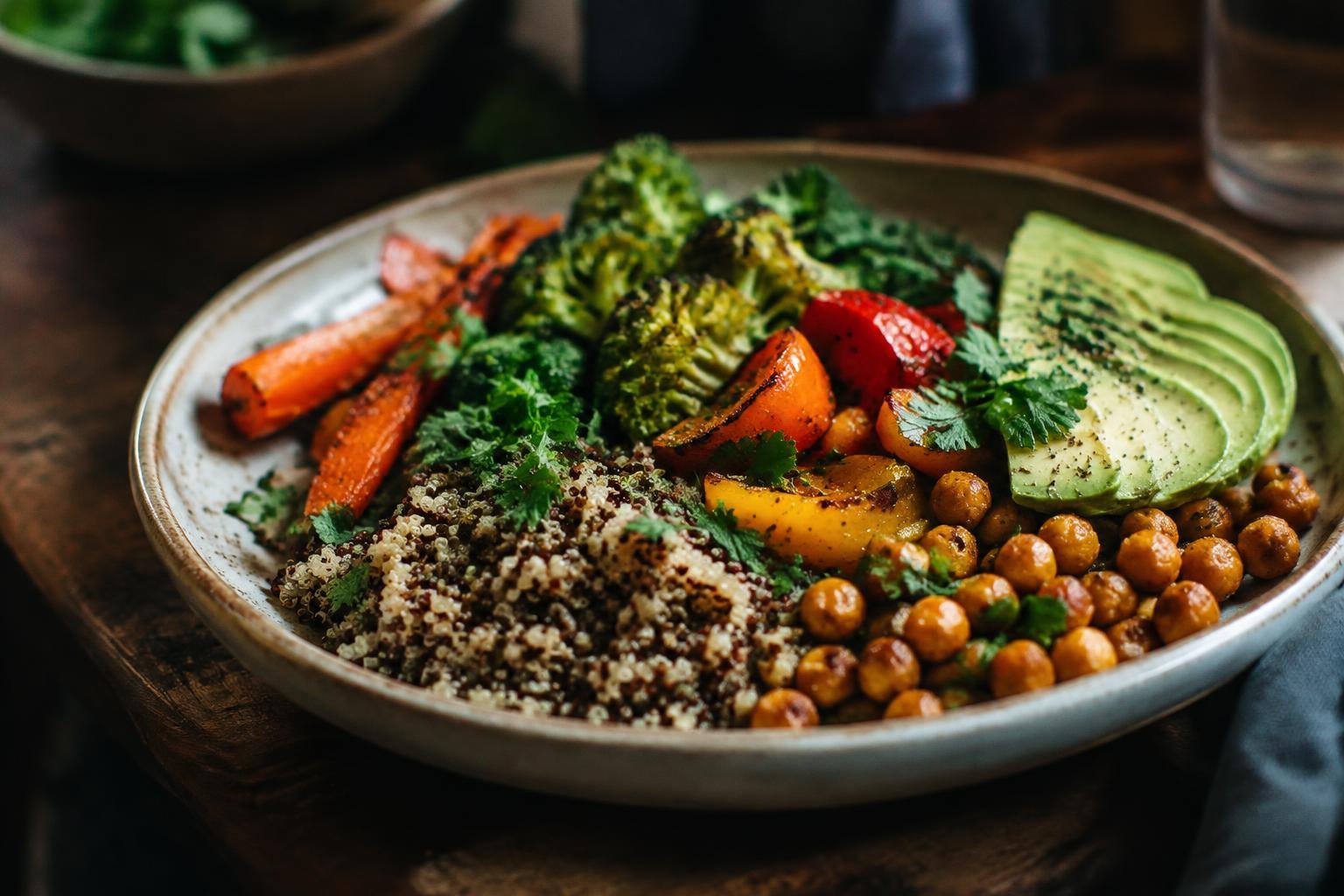
Vegetarian meals can be satisfying, practical, and full of variety when you build them around foods that do more than fill the plate. Pair beans, lentils, tofu, eggs, or dairy with vegetables and grains, and you’ve got a meal with staying power. A bowl of brown rice, roasted vegetables, chickpeas, and tahini is one easy example; scrambled eggs with spinach and whole grain toast works just as well for breakfast. The point isn’t to follow a perfect formula at every meal. It’s to choose ingredients that suit your appetite, schedule, and budget.
You can keep things simple by adapting meals you already enjoy. Add black beans to tacos, swap lentils into a pasta sauce, or serve a baked potato with cottage cheese and broccoli. For snacks, yogurt with fruit, hummus with carrots, or a handful of nuts can bridge the gap between meals. If you eat fully plant based, include reliable sources of nutrients such as vitamin B12 in your overall plan, and check product labels when choosing fortified foods.
Start with one familiar meal and make a small change this week. Once you’ve found a few combinations you genuinely like, keep the ingredients on hand and let them rotate through your routine. That’s how vegetarian eating becomes less of a project and more of dinner.