Healthy Gluten Free Desserts
Key Takeaways:
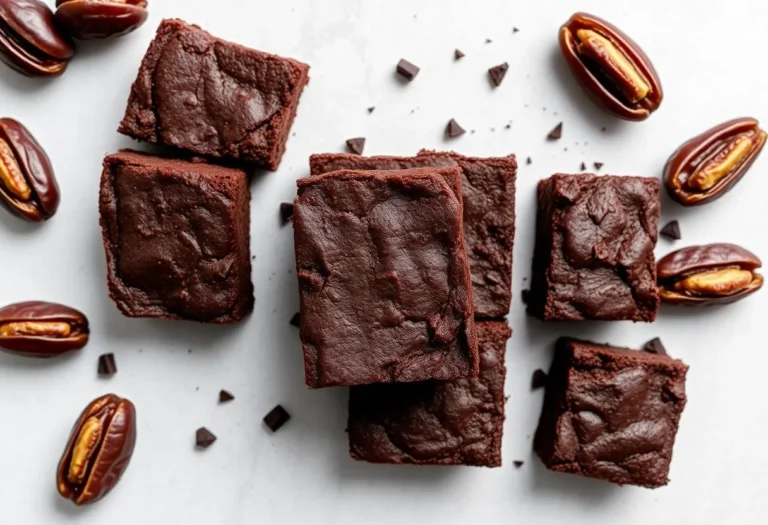
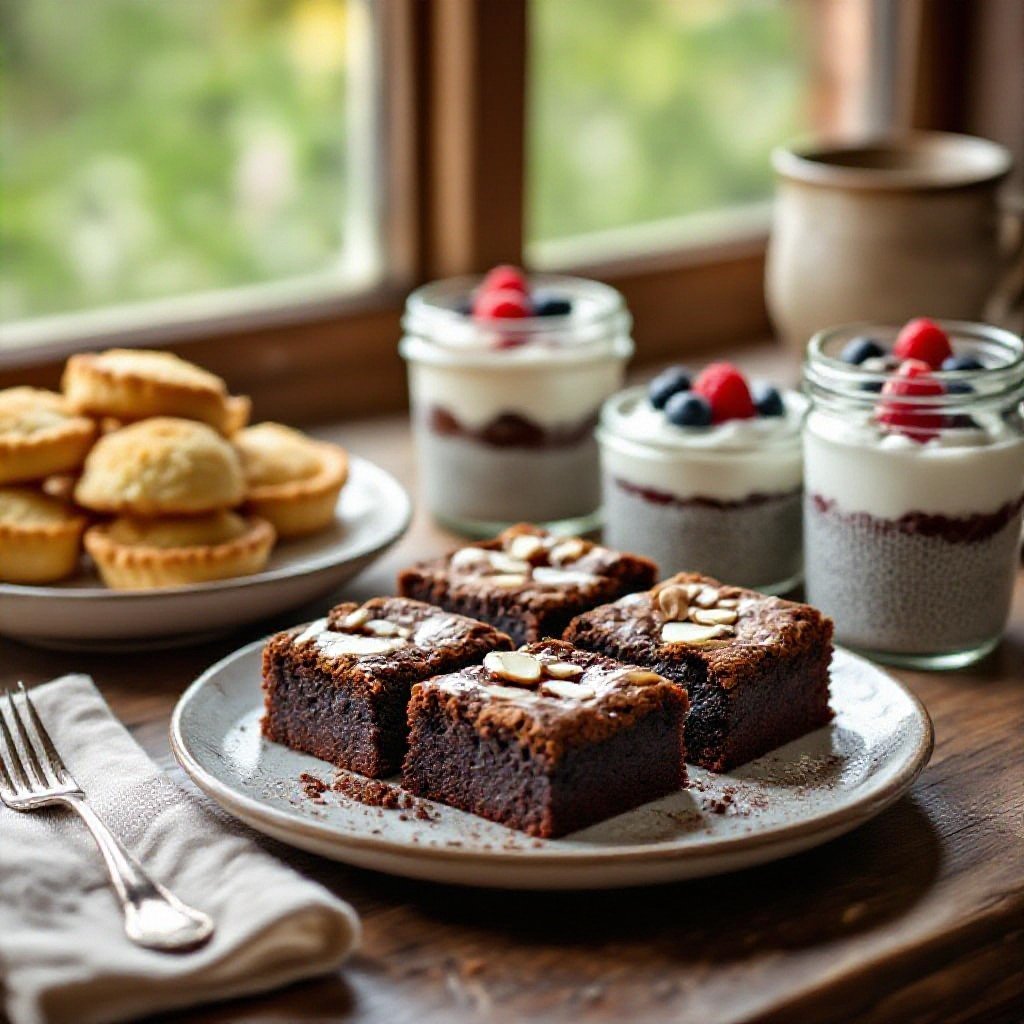
- You don’t have to sacrifice flavor just because you’re going gluten-free; many delicious desserts use naturally GF ingredients like nuts, fruits, and certain flours that actually enhance the taste and texture. Think about how rich an almond flour brownie can be, or the bright tang of a lemon tart with a coconut flour crust.
- Swapping out traditional wheat flour for alternatives like almond, coconut, or oat flour is easier than you might think, and these often bring added nutritional benefits like fiber and healthy fats. It’s not just about avoiding gluten; it’s about incorporating more wholesome ingredients into your treats.
- Natural sweeteners are your best friends in healthy gluten-free baking, offering complex flavors and often fewer processed sugars. Dates, maple syrup, honey, and even ripe bananas can provide all the sweetness you need, without the sugar crash.

Why gluten-free doesn’t have to taste like cardboard
You’ve probably had those gluten-free desserts that make you wonder why you even bothered. They’re dry, crumbly, and often leave a strange aftertaste, right? But it doesn’t have to be that way; the world of gluten-free baking has truly evolved.
Think about the incredible variety of alternative flours available today – almond, oat, tapioca, and even cassava flour. Each brings its own unique texture and flavor profile to the party, allowing for creations that are every bit as decadent as their gluten-containing counterparts.
My take on the whole healthy dessert struggle
I get it, the idea of “healthy dessert” often conjures images of joyless, flavorless concoctions. You want to indulge without the guilt, but you’re also not willing to sacrifice that moment of pure bliss a good dessert brings. It’s a constant balancing act.
But what if you could have both? What if your healthy choices actually tasted amazing and left you feeling satisfied, not deprived? That’s the sweet spot we’re aiming for here.
Why we shouldn’t settle for mediocre treats
Life’s too short for bad dessert, wouldn’t you agree? You work hard, you deserve to treat yourself, and that treat should be genuinely enjoyable, not just “good for you.” Settling for less just leads to feeling unsatisfied and, frankly, a bit resentful.
This isn’t just about taste; it’s about the entire experience. A truly great dessert can brighten your day, celebrate a moment, or simply provide a comforting pause. And you shouldn’t have to compromise on that feeling just because you’re choosing a gluten-free or healthier option.

Seriously, natural sweeteners are where it’s at
You’re probably used to reaching for granulated sugar, and it’s fine sometimes, but when you’re aiming for truly healthy gluten-free desserts, natural sweeteners are your best friend. They offer more than just sweetness; many bring their own subtle flavors and even some beneficial nutrients to the party. Think about the rich caramel notes of maple syrup or the floral undertones of honey – they add complexity you just don’t get from refined white sugar.
These alternatives also often have a lower glycemic index, meaning they won’t send your blood sugar on quite the roller coaster ride that conventional sugar does. You’ll feel more sustained energy and avoid that dreaded sugar crash. Plus, they can contribute to a lovely moist texture in your baked goods, which is always a win.
Why I think honey and maple syrup beat the white stuff
Honey, for instance, isn’t just a sweetener; it’s got antioxidants and even some antibacterial properties. It’s truly amazing. Plus, its unique flavor profile can really enhance a dessert, adding a depth that plain sugar simply can’t match.
Maple syrup, on the other hand, brings a whole host of minerals like manganese and zinc. And let’s be honest, that distinct maple flavor is just divine in so many recipes, from pancakes to pecan pies. You’re getting more than just empty calories when you opt for these natural wonders.
Here’s how to cut the sugar without losing the vibe
Reducing the overall sweetness in your recipes is a fantastic step, and it’s easier than you think. Start by simply cutting the recommended sugar by 25% in your favorite recipes; you’ll often find you don’t even miss it. Your palate actually adjusts over time, becoming more sensitive to natural sweetness.
Another trick is to lean into other flavor enhancers like spices and extracts. A dash of cinnamon, a pinch of cardamom, or a good vanilla extract can trick your brain into perceiving more sweetness than there actually is. Think about how a spiced apple pie tastes sweet even with less added sugar.
You can also incorporate naturally sweet ingredients like ripe bananas, dates, or applesauce to boost flavor and moisture. These additions contribute their own sugars but come packaged with fiber and nutrients, giving you a dessert that truly satisfies without an excessive sugar hit. For example, mashed ripe banana works wonders in muffins or quick breads, replacing a significant portion of the added sweetener.
Don’t get tricked by the “healthy” labels
Is it really good for you? Here’s the truth
You’re probably seeing more and more gluten-free options popping up in the dessert aisle, all screaming “healthy!” from their brightly colored packaging. But before you toss that gluten-free cookie dough into your cart, let’s hit pause for a second. Is it really a virtuous choice, or just clever marketing playing on our good intentions?
Many of these so-called healthy treats are still loaded with ingredients that don’t do your body any favors. You’re trying to make better choices, and you deserve to know what you’re actually putting into your system.
The hidden junk you’ll find in store-bought snacks
Flip over that package and take a good look at the ingredient list. What you often find lurking there are refined sugars in disguise – think high-fructose corn syrup, corn syrup solids, or even just plain old sugar listed multiple times under different names. And let’s not forget the trans fats and hydrogenated oils that are still surprisingly common.
They’ll also often use a slew of artificial flavors, colors, and preservatives to make these products shelf-stable and appealing. Your body doesn’t recognize these chemical concoctions as food, and they certainly don’t contribute to your well-being.
My top tips for a perfect bake every time
Baking gluten-free can feel a bit like a science experiment sometimes, but it doesn’t have to be intimidating. Getting consistent results means paying attention to a few key details that make all the difference in texture and flavor.
Here are my top tips for success:
- Always weigh your ingredients, especially flours. Volume measurements can be really inaccurate with gluten-free blends.
- Let your ingredients come to room temperature before mixing. This helps them combine more smoothly and creates a better emulsion.
- Don’t overmix your batter. Just mix until combined to avoid a tough or gummy texture.
- After baking, allow your desserts to cool completely before slicing or serving for the best structure.
Why you shouldn’t be afraid to experiment a bit
You’ve got a solid recipe, but what if you want to tweak it? Don’t be shy! Baking, even gluten-free baking, leaves room for personal touches. Maybe you want to try a different fruit or a new spice blend.
Think of recipes as a starting point, not a rigid set of rules. Swapping out a nut butter or adding a touch more vanilla can totally transform a dessert.
Making things look pretty without the extra stress
Presentation really does make a difference, doesn’t it? But you don’t need to be a pastry chef to make your gluten-free treats look appealing. Simple garnishes can go a long way without adding a ton of extra work.
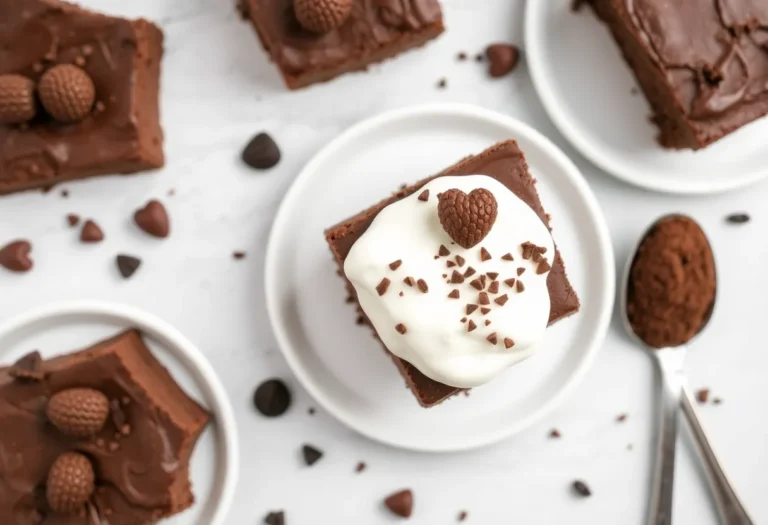
A sprinkle of cocoa powder over a chocolate cake, a dusting of powdered sugar on a fruit tart, or a few fresh berries on top of a muffin can instantly upgrade its appearance. You could also try a simple drizzle of melted chocolate or a quick swirl of coconut cream for an elegant touch that takes mere moments.


Final Words
You’ve got all the tools now to whip up some truly delicious and healthy gluten-free desserts. Don’t be afraid to experiment with different flours and sweeteners; that’s part of the fun! You’ll find that making these treats yourself gives you complete control over the ingredients, which is a big win for your health and your taste buds.
Just think of the satisfaction you’ll get from serving up a dessert that everyone loves, and that you know is good for them. You’re not just baking; you’re creating joy and well-being, one delicious, guilt-free bite at a time.