Healthy Bruschetta Recipe
Key Takeaways:
- Fresh, ripe tomatoes form the foundation of authentic bruschetta, combined with fragrant basil, quality olive oil, and garlic for a simple yet flavorful topping that takes just minutes to prepare.
- Toasting bread slices until golden and crispy creates the perfect base that holds up to the juicy tomato mixture without becoming soggy, while rubbing raw garlic directly on the warm bread adds an aromatic punch.
- This Mediterranean appetizer delivers heart-healthy benefits from olive oil and tomatoes while staying naturally low in calories, making it an excellent choice for entertaining or as a light meal option.
Selecting the Foundation: Nutrient-Dense Bread Options
Your choice of bread transforms bruschetta from a simple appetizer into a nutritious meal component. Whole grain, sourdough, and sprouted bread varieties offer superior nutritional profiles compared to refined white bread. These options provide sustained energy through complex carbohydrates while delivering important fiber, B vitamins, and minerals that support digestive health and metabolic function.
Benefits of Whole Grain and Sprouted Varieties
Whole grain breads retain the bran, germ, and endosperm, giving you three times more fiber than their refined counterparts. This complete grain structure helps regulate blood sugar levels and keeps you satisfied longer after eating. Sprouted grain breads take nutrition one step further by breaking down phytic acid, which allows your body to absorb more iron, zinc, and magnesium from each slice.
Achieving the Perfect Crunch Without Excess Oil
You can create perfectly crispy bruschetta using just a light mist of olive oil spray or by brushing a thin layer onto each slice. Baking the bread at 400°F for 8-10 minutes produces golden, crunchy toast without the greasiness that comes from pan-frying. Rubbing a cut garlic clove across the warm bread after toasting adds flavor without any additional fat.
Air fryers offer another excellent method for achieving that signature crunch while using minimal oil. Set your air fryer to 375°F and toast the bread slices for 4-5 minutes, flipping halfway through for even browning. The circulating hot air creates a crispy exterior while maintaining a slightly tender center, giving you the ideal texture contrast that makes bruschetta so appealing.
The Tomato Base: Maximizing Flavor and Antioxidants
Your tomato selection determines the entire flavor profile of your bruschetta. Fresh, ripe tomatoes contain high levels of lycopene, a powerful antioxidant that gives them their vibrant red color and offers significant health benefits. You’ll want to choose tomatoes with deep color and firm flesh that yields slightly to gentle pressure. Roma or San Marzano varieties work exceptionally well because their meaty texture and lower water content prevent soggy bread.
Identifying Peak-Season Vine-Ripened Varieties
Peak-season tomatoes appear in farmers’ markets from June through September, offering superior taste and nutritional value compared to off-season options. You can identify vine-ripened tomatoes by their intense aroma at the stem end and consistent color without green shoulders. The skin should feel taut but not hard, and the tomato should feel heavy for its size, indicating juice content and ripeness. Local heirloom varieties often provide the most complex flavors and highest antioxidant levels.
Proper Dicing Techniques for Texture Consistency
Uniform dice size ensures every bite of your bruschetta delivers balanced texture and flavor distribution. You should cut your tomatoes into quarter-inch cubes, removing excess seeds and liquid to prevent the bread from becoming waterlogged. A sharp knife makes clean cuts that preserve the tomato’s cellular structure and prevent mushiness.
Your cutting board should be stable and your knife should glide through each tomato without crushing it. Start by cutting the tomato in half horizontally, then gently squeeze out the seed pockets over a bowl. Slice each half into strips, then turn and cut perpendicular to create even cubes. This methodical approach gives you professional-looking results and ensures the tomatoes release their juices gradually when mixed with other ingredients rather than immediately soaking into your bread.
Essential Aromatics and Healthy Fats
Your bruschetta’s nutritional profile depends heavily on the quality of fats and aromatics you select. Extra virgin olive oil serves as the foundation, delivering heart-healthy monounsaturated fats that help your body absorb fat-soluble vitamins from the tomatoes. Fresh garlic and basil transform this simple dish into an antioxidant powerhouse while adding complex flavors that make added salt unnecessary.
The Role of Polyphenol-Rich Extra Virgin Olive Oil
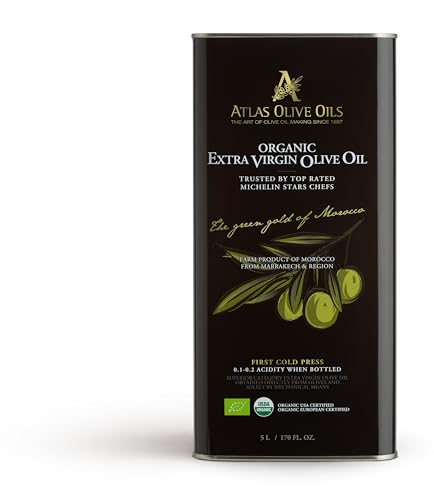
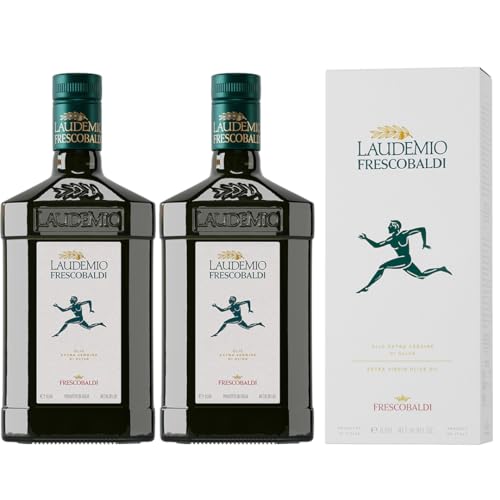
Polyphenols in high-quality extra virgin olive oil provide anti-inflammatory benefits that support cardiovascular health. You’ll want to choose cold-pressed varieties with a harvest date within the past year for maximum nutrient retention. Drizzling two tablespoons over your bruschetta supplies approximately 240 calories of beneficial fats that promote satiety and help regulate blood sugar levels throughout your meal.
Utilizing Fresh Basil and Garlic for Sodium-Free Flavor
Fresh basil contains compounds like eugenol and rosmarinic acid that naturally enhance taste perception without requiring salt. Garlic brings allicin to the table, a sulfur compound that not only boosts flavor intensity but also supports immune function. Raw garlic offers the highest concentration of these beneficial compounds, though you can mellow its sharpness by mincing it finely and letting it rest in olive oil for five minutes before mixing with your tomatoes.
Your palate will appreciate how these aromatics create layers of complexity in each bite. Basil’s slight peppery sweetness balances garlic’s pungent bite, while both ingredients contribute volatile oils that stimulate your taste buds more effectively than sodium chloride. This combination allows you to reduce or eliminate added salt while maintaining a satisfying flavor profile that keeps you coming back for more.
Nutritious Topping Enhancements
Boosting your bruschetta’s nutritional profile becomes simple when you layer on protein-rich and fiber-packed ingredients. You can transform this classic appetizer into a more satisfying meal by selecting toppings that offer sustained energy and important nutrients. The right combinations will keep you feeling full longer while delivering vitamins, minerals, and heart-healthy fats that support your overall wellness goals.
Incorporating Plant-Based Proteins and Legumes
White beans, chickpeas, and lentils make excellent bruschetta toppings that dramatically increase protein content. You’ll get approximately 7-8 grams of protein per half-cup serving while adding a creamy texture that complements the crispy bread. Mashing these legumes with garlic, lemon juice, and herbs creates a flavorful spread that rivals traditional options.
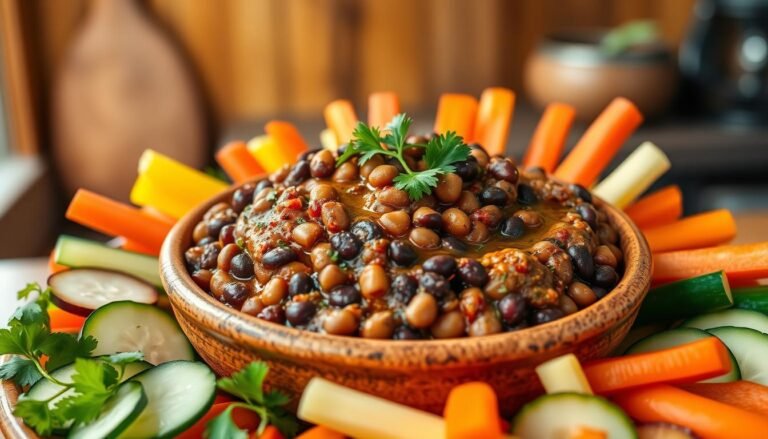
Edamame and black beans offer alternative textures and flavor profiles worth exploring. You can season them with Mediterranean spices or Asian-inspired ingredients to create unique variations. These options provide complete amino acids when paired with whole grain bread, making your bruschetta a nutritionally complete snack.
Low-Fat and Artisanal Cheese Substitutions
Ricotta made from part-skim milk delivers creamy richness with 60% less fat than traditional mozzarella. You can whip it with fresh herbs and a touch of lemon zest to create an airy, spreadable base. Goat cheese offers tangy complexity while containing fewer calories and easier-to-digest proteins than cow’s milk varieties.
Feta cheese crumbles provide bold, salty flavor in smaller quantities, allowing you to use less while maintaining taste impact. You’ll find that a tablespoon of quality feta goes further than multiple slices of mild cheese. Aged Parmesan shavings work similarly-their concentrated umami flavor means you need only a light dusting to achieve satisfying results.
Nutritional yeast presents a dairy-free alternative that mimics cheese’s savory notes while adding B-vitamins and complete protein. You can sprinkle it directly on warm bruschetta or blend it into cashew-based spreads for a plant-based option. This ingredient works particularly well when combined with roasted garlic and sun-dried tomatoes, creating depth without animal products.
The Art of Assembly
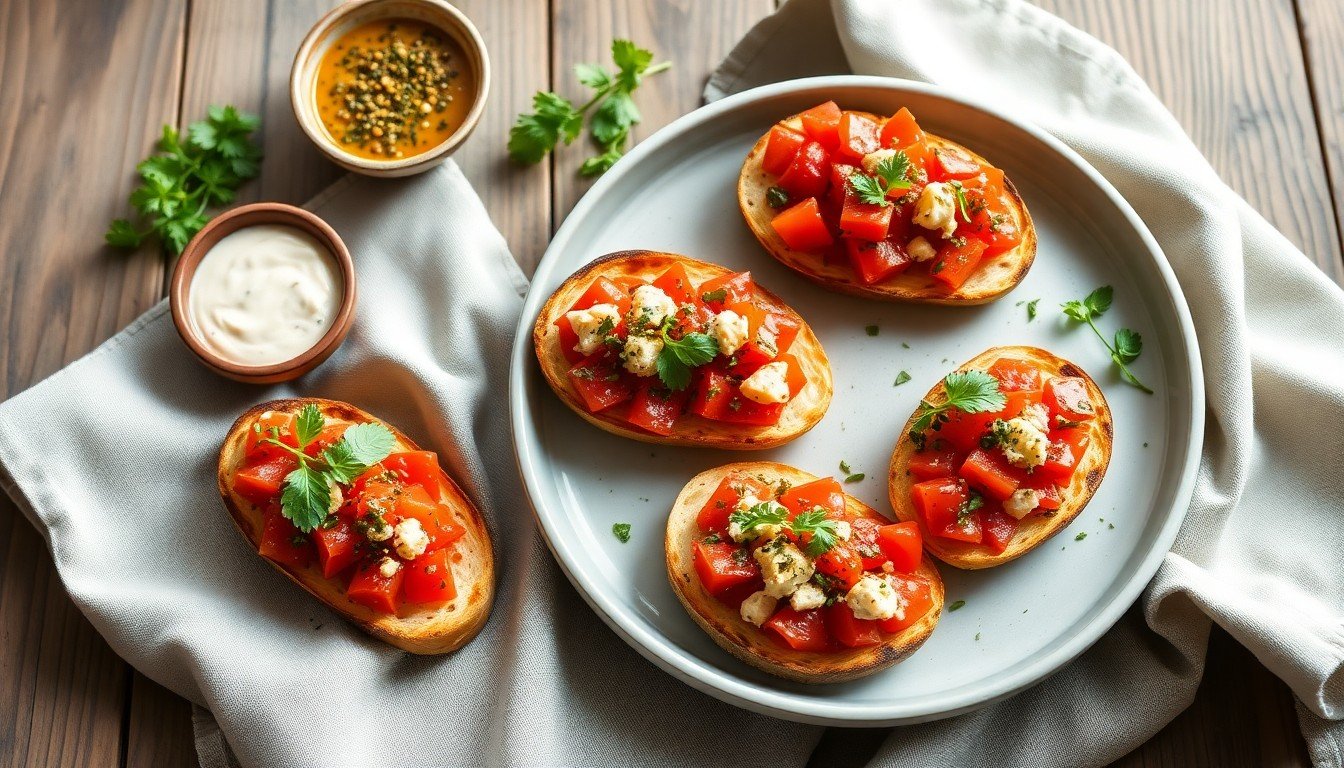
Building your bruschetta requires attention to technique and ingredient placement. You’ll want to start with your toasted bread still warm, rubbing the cut garlic clove across the surface to release its aromatic oils. The tomato mixture should be spooned generously onto each slice, allowing the juices to soak slightly into the bread without overwhelming it.
Presentation matters when serving this classic appetizer. You can arrange the bruschetta on a wooden board or white platter, finishing each piece with a drizzle of your best extra virgin olive oil and a sprinkle of fresh basil. Your guests will appreciate the vibrant colors and aromatic appeal of properly assembled bruschetta.
Balancing Acidity with Balsamic Reductions
Tomatoes naturally contain high acidity levels that can overpower your palate. You can counteract this sharpness by adding a balsamic reduction, which brings sweetness and depth to each bite. Simmer your balsamic vinegar over medium heat until it reduces by half, creating a syrupy consistency that clings beautifully to the tomatoes.
Drizzling this reduction over your assembled bruschetta creates a harmonious flavor profile. The caramelized notes complement the fresh ingredients while mellowing the acidic punch, resulting in a more sophisticated and balanced appetizer that appeals to diverse taste preferences.
Timing the Topping to Prevent Sogginess
Assembling your bruschetta at the right moment makes the difference between crispy perfection and disappointing mushiness. You should top your toasted bread no more than 10 minutes before serving, as the tomato juices will quickly penetrate the bread’s surface. Keeping your tomato mixture in a separate bowl until the last possible moment preserves the textural contrast that defines excellent bruschetta.
Temperature control plays an equally important role in maintaining crispness. Your toasted bread should cool for just 2-3 minutes before topping-warm enough to absorb flavors but not so hot that it steams and softens. Chilling your tomato mixture for 30 minutes before assembly also slows down juice absorption, giving you a slightly longer window for serving without compromising that satisfying crunch your guests expect from quality bruschetta.

Nutritional Profile of the Mediterranean Diet
Your bruschetta embodies the core principles of Mediterranean eating, which emphasizes fresh vegetables, heart-healthy fats, and whole grains. This dietary pattern has been extensively studied for its role in reducing chronic disease risk and promoting longevity. The combination of tomatoes, olive oil, garlic, and basil provides antioxidants, monounsaturated fats, and anti-inflammatory compounds that work synergistically to support your overall health.
Research consistently shows that people following Mediterranean-style eating patterns experience lower rates of heart disease, diabetes, and cognitive decline. Your homemade bruschetta delivers these protective nutrients in a delicious, accessible format that you can easily incorporate into regular meals or entertaining occasions.
Cardiovascular Benefits of the Key Ingredients
Olive oil stands as the cornerstone of this recipe’s heart-protective properties, containing oleic acid and polyphenols that reduce LDL cholesterol oxidation and improve arterial function. Tomatoes contribute lycopene, a powerful antioxidant linked to decreased blood pressure and reduced arterial stiffness. Garlic offers allicin compounds that help regulate cholesterol levels and support healthy blood flow throughout your cardiovascular system.
Caloric Density and Portion Control Guidelines
Each bruschetta piece typically contains 80-120 calories, depending on bread thickness and olive oil quantity. You can enjoy 2-3 pieces as an appetizer or 4-5 pieces as a light meal while staying within reasonable caloric boundaries. The fiber from tomatoes and whole-grain bread helps you feel satisfied without overconsumption.
Measuring your olive oil with a tablespoon ensures you get the health benefits without excessive calories, as this ingredient contributes most of the dish’s energy content. You’ll find that using a kitchen scale for bread portions helps maintain consistency across servings. Pairing your bruschetta with a mixed green salad creates a balanced meal that keeps your total caloric intake appropriate while maximizing nutrient density and satiety.

Final Words
With these considerations in mind, you can transform bruschetta into a nutritious meal that supports your health goals without sacrificing flavor. You have the freedom to experiment with whole grain bread, fresh vegetables, lean proteins, and heart-healthy olive oil to create combinations that suit your taste preferences and dietary needs. This classic Italian appetizer proves that eating well doesn’t require complicated recipes or expensive ingredients. You simply need quality components and a willingness to prepare fresh food at home.