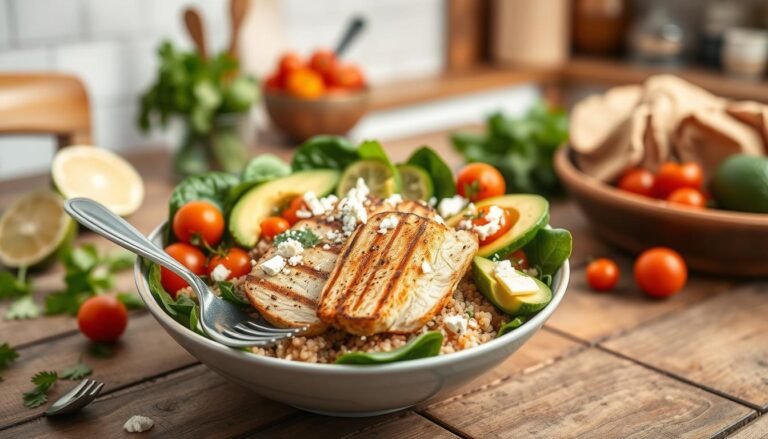
Chicken Weight Loss Meals
Tired of choking down bland, boiled chicken breast just to hit your protein goals? You don’t have to. Chicken can be the backbone of a weight loss plan that actually tastes good, keeps you full for hours, and doesn’t leave you dreading dinner. You’ll learn how to cook it right, season it smart, and build meals that fit your goals without feeling like punishment.
Key Takeaways:
- Skinless chicken breast or thigh gives you a ton of protein without dragging in extra fat, which makes it way easier to stay full and still hit your calorie goals for the day.
- Bold spices, citrus, and fresh herbs do all the flavor work that butter and heavy sauces used to do, so you’re not sacrificing taste just because you’re cutting calories.
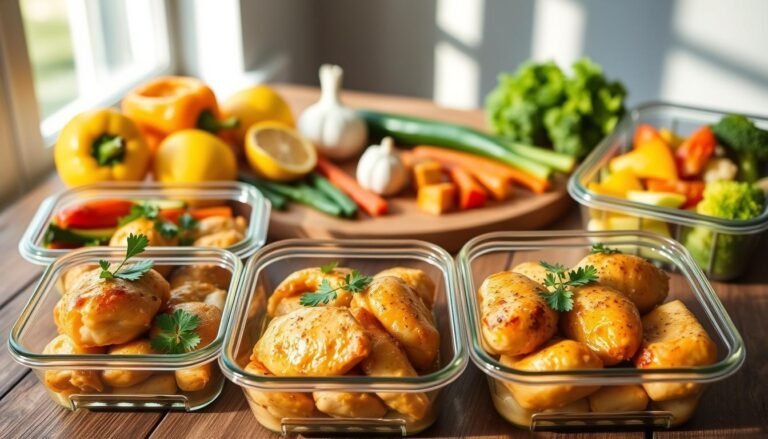
- A little planning on the weekend, like grilling a big batch and portioning it out, saves you from ordering takeout on a Tuesday night when you’re starving and short on time.
Why Lean Protein is Actually Your Best Friend
Protein does something carbs and fats just can’t do quite as well: it sticks with you. Your body works harder to digest it, which means you’re burning a bit more energy just processing your meal. Beyond that, protein triggers hormones that tell your brain you’re satisfied, so you’re not raiding the pantry an hour after dinner. That’s the whole game when you’re trying to lose weight. It’s not about starving yourself; it’s about staying full on fewer calories, and chicken happens to be one of the most efficient tools for pulling that off.
A single serving packs a serious protein punch without dragging along a ton of fat or calories. Compare that to a lot of other protein sources, and you’ll see why chicken keeps showing up on every serious meal plan. You get the muscle-preserving, hunger-crushing benefits without the caloric baggage that comes with fattier cuts of meat. Your body holds onto lean muscle better too, which matters more than most people realize when the scale starts dropping.
Why I’m obsessed with chicken breast
Chicken breast earns its reputation the hard way, through sheer nutritional efficiency. You’re getting a massive protein hit for very little fat, which makes it almost impossible to beat when you’re counting calories but still want to feel like you actually ate something. There’s a reason bodybuilders and dieters alike keep coming back to it. It’s not glamorous, but it’s dependable, and dependable is exactly what you need when you’re trying to build habits that stick around longer than a New Year’s resolution.
Texture and versatility play a role too. You can shred it, slice it, cube it, or grind it, and it plays nice with almost any cuisine you throw at it. That adaptability keeps your meals from feeling like punishment. When you’re not bored with your food, you’re far less likely to cave and order takeout. That consistency, more than any single nutrient, is what makes chicken breast such a reliable anchor for your weight loss meals.
The real deal about skinless vs. skin-on
Skin adds flavor, sure, but it also adds a noticeable chunk of extra fat and calories you probably don’t need if weight loss is your goal. Stripping the skin off before cooking cuts that fat dramatically while barely touching the protein content underneath. If you’re trying to stay within a tight calorie budget, that’s an easy win. You lose almost nothing in terms of nutrition and gain a lot of breathing room elsewhere in your meal plan.
Some people insist skin-on chicken is worth the tradeoff because of moisture and taste during cooking. Fair point, but you can get juicy results without it if you handle your cooking method right. Removing the skin after cooking instead of before can help lock in moisture while still cutting most of the fat before you eat it. Either way, the choice comes down to how strict your calorie targets are that week.
What’s the Secret to Seasoning Without the Calories?
Plain chicken breast gets boring fast, and that’s exactly why so many people quit their weight loss meals after two weeks. The fix isn’t butter or cream, it’s your spice cabinet. Cumin, smoked paprika, garlic powder, chili flakes, dried oregano, ground coriander – none of these add meaningful calories, but they completely change the personality of your dinner. A teaspoon of a spice might cost you six or seven calories, tops. Compare that to a tablespoon of ranch dressing running well over seventy, and you start to see where the real damage happens on your plate.
Your taste buds don’t actually crave fat, they crave flavor intensity, and that’s a distinction worth sitting with. Citrus zest, fresh herbs, vinegar splashes, and chili heat all deliver that punch without the caloric baggage. Build a rotation of three or four flavor profiles, maybe a Mexican blend, a Mediterranean mix, an Indian inspired combo, and a Cajun style rub, and you’ll never feel like you’re eating the same chicken twice, even though it’s the same protein all week long.
Seriously, stop using heavy sauces
Sauces are where good intentions go to die. You grill up a perfectly lean chicken breast, then drown it in a quarter cup of barbecue sauce or teriyaki glaze, and suddenly you’ve added back a hundred and fifty calories of pure sugar. Bottled sauces are almost always built on sugar, oil, and salt in some combination, which means they’re doing the opposite of what you’re trying to accomplish. Read a label sometime, you’ll be shocked how far up the ingredient list sugar sits on most “healthy” sauce options at the grocery store.
Swap that habit for something with actual nutritional value instead. A homemade salsa made from diced tomato, onion, and lime costs you almost nothing calorically and tastes brighter than anything from a bottle. Greek yogurt mixed with herbs and a little lemon juice makes a tangy sauce substitute that brings creaminess without the fat load of mayo based dressings. Mustard, in its plain yellow or Dijon form, is another one of your best low calorie allies here.
My favorite dry rubs that don’t suck
Dry rubs are honestly underrated, and I think that’s because people assume they’re bland without oil or sugar mixed in. Wrong. My go to blend is smoked paprika, garlic powder, onion powder, black pepper, and a pinch of cayenne, and it turns plain chicken into something with real backbone. Another favorite combines cumin, coriander, turmeric, and a touch of cinnamon for a warmer, almost curry like flavor that pairs beautifully with roasted vegetables on the same tray.
Rubs work because they cling to the surface of the meat and concentrate
How to Cook it So It Isn’t Dry as a Bone
Nobody wants to choke down a hunk of chicken that tastes like it’s been sitting under a heat lamp since Tuesday. The good news is you don’t have to sacrifice moisture to keep things lean. The trick isn’t skipping fat entirely, it’s cooking smart so the protein holds onto its own juices instead of sweating them all out in a hot pan. Get the technique right and you’ll never touch that bottle of ranch dressing out of desperation again.
Overcooking is the real enemy here, not the absence of butter or oil. Chicken breast turns to cardboard the second it crosses about 165°F internally and keeps climbing. A meat thermometer costs less than a fancy coffee and will do more for your dinners than any marinade ever could. Pull it right at temp, let it rest for five minutes, and you’ll notice a difference you can actually taste.
Why poaching is actually a game-changer
Poaching gets a bad reputation, mostly because people picture bland hospital food. Done right, though, submerging chicken in a gently simmering liquid, think broth, water with herbs, or even a splash of soy sauce, keeps every fiber surrounded by moisture the entire time it cooks. There’s no dry heat scorching the surface before the inside catches up. You’re basically insulating the meat from itself.
Keep the liquid at a bare simmer, never a rolling boil, since aggressive heat tightens up the proteins and squeezes out water fast. Ten to fifteen minutes for a standard breast, depending on thickness, gets you meat that shreds apart with a fork. Toss in garlic cloves, a bay leaf, or peppercorns and you’ve flavored your protein without adding a single gram of fat.
The air fryer is honestly a lifesaver
Skin gets crispy, the inside stays juicy, and you barely use any oil at all. That’s the air fryer pitch in one sentence, and it actually delivers. Circulating hot air cooks chicken fast enough that moisture doesn’t have time to escape the way it does in a low, slow oven bake. A light spritz of oil on the outside is all you need for that satisfying crunch people usually chase with deep frying.
Bone in thighs at around 380°F for roughly 20 to 25 minutes come out with crackling skin and tender meat underneath. Breasts cook faster, so keep an eye on them to avoid the same overcooking trap from other methods. Flip halfway through for even browning, and you’ve got a weeknight dinner ready before you’d even finish preheating a conventional oven.
My Take on Prepping for the Week
Kitchen chaos is the number one reason people fall off the wagon by Wednesday. If you’re grabbing chicken out of a random container buried behind last week’s leftovers, you’re not going to eat well, you’re going to order takeout. Setting up your kitchen properly means designating actual zones: one shelf for cooked proteins, one bin for chopped veggies, one spot for your containers so they’re not scattered across three cabinets. Sounds simple, but it works. A little bit of order turns “what am I even eating today” into a five second decision instead of a fifteen minute negotiation with yourself.
Think of your kitchen setup as the scaffolding that holds the rest of your plan together. Labels help more than people expect, especially if you’re batch cooking two or three flavor variations at once. Grab a stack of masking tape and a marker, write the date and seasoning style on each container, and you’ll never have to play the guessing game with mystery chicken again. That little bit of structure is what separates people who stick with this for months from people who quit after two weeks.
Don’t let your fridge get messy
Your fridge tells the truth about your habits. A packed, disorganized fridge with sauces expiring in the back and produce turning to mush in the drawer is a recipe for skipped meals and impulse decisions. Clear out anything questionable before your prep day even starts. Give your cooked chicken its own shelf, ideally at eye level, so it’s the first thing you see when that door opens. Out of sight really does mean out of mind, and you want your prepped protein to be the easiest option, not the one you forgot existed.
Airtight containers matter more than people realize here. Chicken that’s exposed to open air or sitting in a container with a loose lid picks up fridge odors fast, and nobody wants their lunch tasting like last night’s garlic shrimp. Stack containers so older batches sit in front, a simple rotation trick that keeps you from finding a forgotten tub of chicken from ten days ago. A clean, organized fridge isn’t just tidier, it’s genuinely a tool for staying consistent.
What’s in my Sunday meal prep bag
Sundays are when the whole week gets decided, at least in your kitchen. Your prep bag, or your prep station if you don’t literally carry a bag, should hold a few non-negotiables: your meat thermometer, a set of matching containers, tongs, and whatever seasoning blends you’ve settled on for the week. Having these items grouped together saves you from digging through drawers mid-cook, which is exactly when things start going wrong, like chicken sitting too long on the counter while you hunt for a lid that fits.
Zip-top bags deserve a spot in there too, useful for marinating multiple batches at once without dirtying five bowls. Toss in a small notebook or use your phone notes to jot down which batch got which seasoning, since three pounds of chicken can look identical
What Else Should You Put on the Plate?
Chicken might be the star of the show, but the supporting cast on your plate does a lot of the heavy lifting. Vegetables, especially the fibrous kind, slow down digestion and keep you feeling satisfied for way longer than chicken alone ever could. Your body has to work harder to break down fiber, which means fewer hunger pangs sneaking up on you an hour after eating. Skip the veggies and you’ll likely find yourself raiding the pantry way sooner than you’d like.
Fiber also plays a quiet but powerful role in how your body handles the rest of the meal. Pairing chicken with fibrous vegetables blunts the blood sugar spike you’d get from eating protein and starchy sides alone, keeping your energy steadier through the afternoon. Broccoli, cauliflower, green beans, zucchini, and leafy greens all fit the bill nicely. Bulk matters here too. A plate that looks full but stays low in calories does wonders for your head as much as your stomach.
Greens that actually taste good
Kale gets a bad reputation, and honestly, it deserves better treatment than a sad raw pile. Roasting it with a little olive oil and garlic until the edges crisp up turns it into something you’ll actually crave. Spinach wilted in the same pan you cooked your chicken in soaks up all those leftover flavors sitting at the bottom. Even Brussels sprouts, the vegetable everyone loves to hate, become genuinely addictive once you roast them hot enough to caramelize.
Texture matters just as much as seasoning when it comes to greens you’ll want to eat again. Charring or roasting brings out natural sweetness that boiling just destroys, so ditch the pot of boiling water for a sheet pan instead. Adding a splash of lemon juice or a sprinkle of chili flakes right before serving wakes everything up without adding meaningful calories. Once you find your favorite method, green vegetables stop feeling like an obligation.
Why I think you still need some carbs
Cutting carbs entirely sounds appealing when weight loss is the goal, but your body and brain both run on glucose for a reason. Complex carbs like sweet potato, quinoa, or brown rice give you slow-release energy that keeps you from feeling drained by mid-afternoon. Chicken alone won’t fuel a workout or a long workday the way a balanced plate will. Depriving yourself completely tends to backfire anyway, usually ending in a carb binge later that undoes your progress.
Sweet potato happens to be a personal favorite because it brings natural sweetness along with fiber, unlike white rice or plain pasta. Quinoa works well too, adding a bit of protein on top of its carb content, which stretches your meal further. Keeping carbs in the picture, even in modest amounts, makes the whole eating plan s
The Real Deal About Portion Sizes
How much chicken is too much?
A palm sized portion, roughly four to six ounces of cooked chicken, is the sweet spot most people should aim for at a single meal. That’s about 25 to 35 grams of protein, which is plenty for muscle repair without turning your plate into an all meat affair. Piling on double or triple that amount doesn’t speed up fat loss. Calories still count, and a mountain of chicken breast can quietly add up to more than you think, especially if you’re cooking it in oil or pairing it with heavier sides.
Two servings a day, maybe three if you’re very active or have a higher calorie target, tends to work well for most goals. Weigh your portions on a kitchen scale for a week or two just to calibrate your eye. You’ll be surprised how often “one serving” is actually closer to eight or nine ounces once you actually measure it out.
Honestly, just listen to your body
Numbers on a scale or in an app are useful starting points, but your hunger cues matter just as much. Eating four ounces of chicken and still feeling ravenous an hour later tells you something, maybe you need more fiber or fat alongside it, not necessarily more meat. Fullness isn’t only about protein grams; it’s about the whole meal working together.
Pay attention to how you feel thirty minutes after eating, not just in the moment. Satisfied and energized is the target, not stuffed and sluggish, and not still picking at your plate looking for more. Your appetite will shift day to day depending on training, sleep, and stress, so treat portion guidelines as a framework rather than a rulebook. Adjust up or down by an ounce or two as needed, and trust that consistency over weeks matters more than perfection at any single meal.


Final Words
Chicken doesn’t have to be boring to work for your goals. You’ve got a whole toolbox now: smarter cooking methods that keep the meat juicy, seasoning tricks that add punch without the extra calories, and a portion strategy that stops guesswork from wrecking your progress. The real win here is consistency, not perfection. You don’t need a fancy kitchen setup or hours of free time to make this work. A few smart choices, repeated week after week, will do more for your waistline than any short-lived diet ever could.
Give yourself permission to experiment a little. Swap out marinades, try a new vegetable pairing, or test a different cooking method until you find what actually fits your life. Your meal plan should feel sustainable, not like a punishment. Chicken gives you that flexibility, and once you’ve got your rhythm down, sticking to your goals stops feeling like work and starts feeling like second nature.