Healthy Beef Weight Loss Bowls
A satisfying beef bowl can fit into your weight loss plan without leaving you hungry an hour later. Lean beef adds protein, while vegetables such as cabbage, peppers, and broccoli bring color and crunch. Add a sensible scoop of rice or beans, and you’ve got a balanced meal with familiar ingredients and plenty of flavor.
Key Takeaways:
- Choose lean beef, such as sirloin or lean ground beef, and pair it with plenty of vegetables for a filling bowl with less added fat.
- Build a satisfying base with a sensible portion of rice, beans, or another whole grain, then add flavor with salsa, lime, herbs, or a spoonful of yogurt.
- Watch the extras: generous pours of creamy dressing, heaps of cheese, and oversized rice portions can quickly make a balanced beef bowl more calorie dense.
What Makes a Beef Bowl Work for Weight Loss?
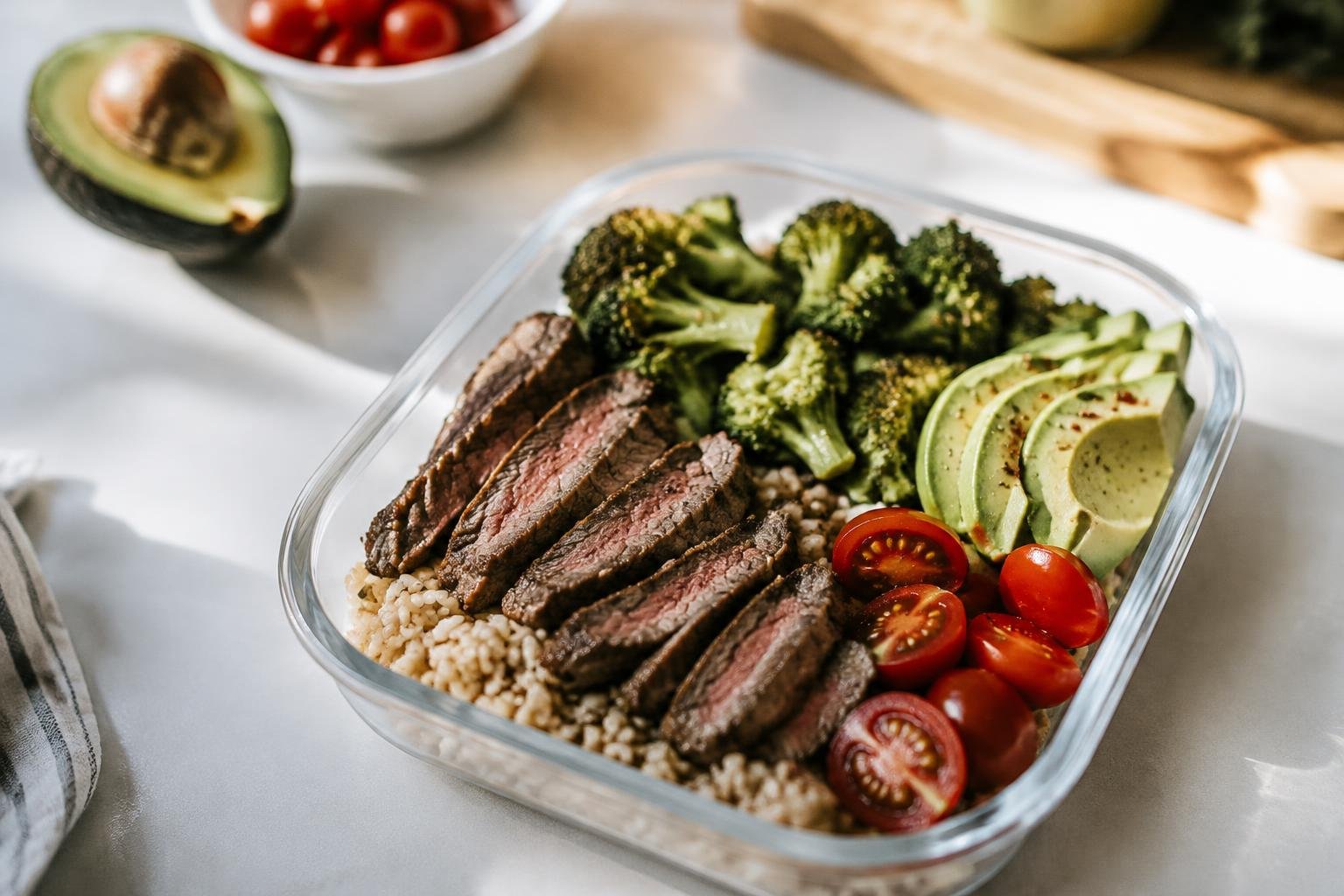
A satisfying bowl brings together foods that do different jobs: beef adds savory flavor, vegetables bring color and crunch, and a hearty base makes the meal feel complete. You don’t need a complicated recipe; a bowl of sliced beef, roasted broccoli, brown rice, and a spoonful of salsa can do the trick. The aim is a mix you’ll enjoy eating, not a rigid formula.
Think about how the ingredients work together. A crisp vegetable can balance tender beef, while a tangy dressing or squeeze of lime gives the whole bowl a lift. That combination matters because a meal that tastes good and has varied textures is easier to look forward to than a plain pile of ingredients. Keep the components simple, then change the seasonings to suit your mood.
Lean beef, satisfying veggies, and smart carbs
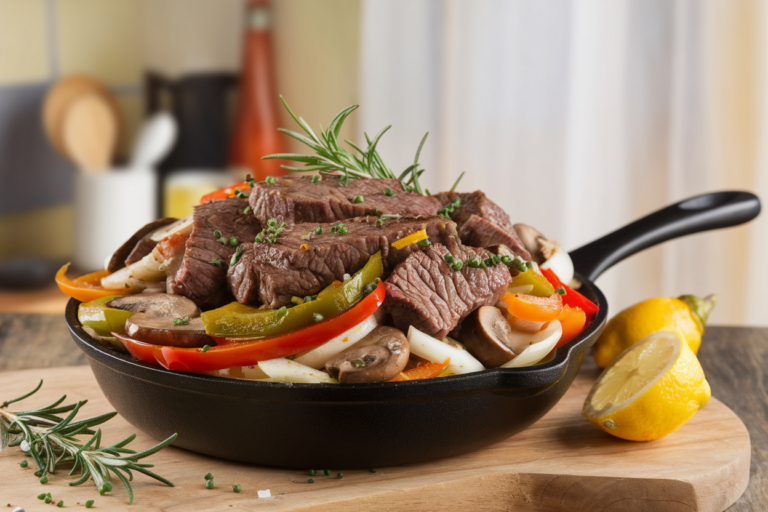
Lean cuts such as sirloin or top round give you beef’s rich taste without making the bowl feel overly heavy. Trim visible fat, then try grilling, broiling, or quickly searing thin strips; they cook fast and pair well with vegetables like peppers, cabbage, spinach, or broccoli. Use a few colors for contrast, and vary the texture with something crisp beside something tender.
For the base, choose a carbohydrate that brings substance and works with the other flavors. Brown rice, quinoa, beans, or a small roasted potato can all fit, depending on what you like and what’s in your kitchen. A bowl with brown rice, sautéed peppers, and sliced sirloin feels different from one built around beans and shredded cabbage, but both give you a balanced mix.
| Component | Examples | What it adds |
|---|---|---|
| Lean beef | Sirloin, top round | Savory flavor and protein |
| Vegetables | Broccoli, cabbage, peppers | Color, crunch, and variety |
| Carbohydrate base | Brown rice, beans, potato | Substance and a satisfying texture |
Why protein and fiber help keep you full
Beef provides protein, which supports your body’s tissues and can make a meal feel more satisfying. Pair it with fiber rich foods such as beans, vegetables, or whole grains, and you get a bowl with more staying power than beef and white rice alone. For example, black beans and sautéed peppers add substance and texture alongside sliced steak.
Fiber also gives your meal a more varied bite, from crunchy cabbage to tender beans. That variety can make lunch or dinner feel complete, rather than leaving you reaching for a snack soon after. Add vegetables you genuinely enjoy, whether that’s roasted broccoli with a little char or fresh spinach under warm beef. A satisfying bowl should taste like dinner, not a collection of diet rules.
How Much Should You Put in Your Bowl?
Your bowl doesn’t need to be perfectly measured to give you a useful sense of portion size. Start with a serving that looks balanced, then pay attention to how filling it is and how it fits into your day. A large bowl can hold a modest meal if it’s packed with vegetables; a smaller one can be calorie dense if it’s heavy on rich sauces, cheese, or oil.
For a clearer picture, check package labels and measure ingredients like cooked rice, dressing, or shredded cheese once or twice. You’ll learn what a serving looks like in your usual bowl, without weighing every meal. Beef can vary in fat content, too, so the cut and cooking method affect the calories on your plate.
A simple plate guide for beef, vegetables, and grains
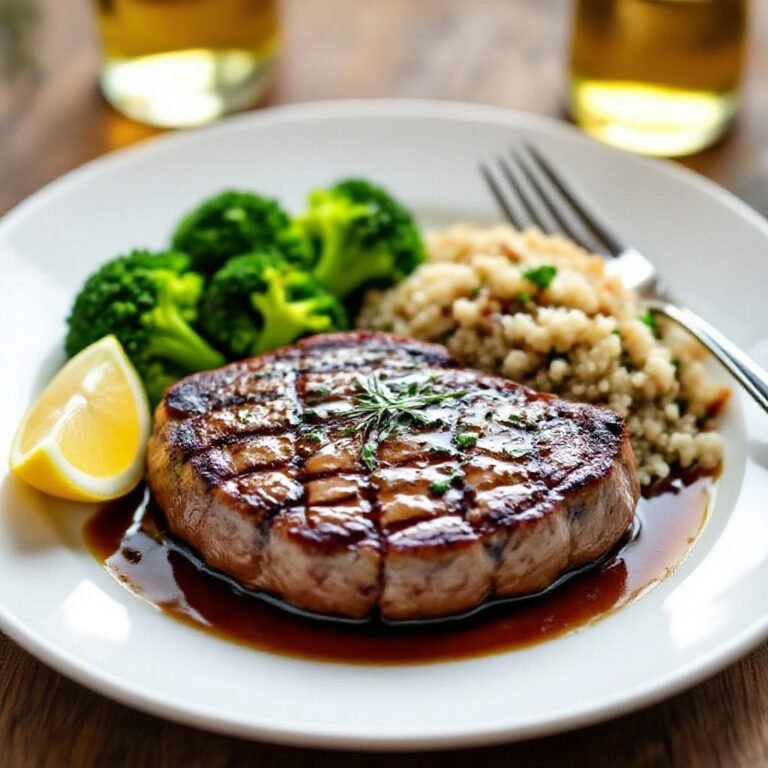
Use your plate as a quick visual guide: fill about half with nonstarchy vegetables, a quarter with cooked beef, and a quarter with grains such as brown rice or quinoa. That’s a starting point, not a rule you have to follow to the inch. For example, you might add extra peppers and greens while keeping rice to a scoop that fits comfortably in your cupped hand.
Choose a lean beef cut, trim visible fat, and keep an eye on cooking oil, since a generous pour can add calories without making the bowl much more filling. A spoonful of sauce can go a long way; pour it on after tasting rather than coating every ingredient. If you use a larger bowl, keep the same proportions instead of filling the extra space with more rice.
Easy ways to adjust portions for your goals
If your bowl leaves you hungry soon after eating, try adding more vegetables or a little extra lean beef before increasing calorie dense toppings. If you’re aiming to reduce calories, serve a slightly smaller scoop of grain and measure oil, dressing, or avocado rather than guessing. Small changes are easier to maintain than cutting out an entire food group.
Activity and appetite can shift from day to day, so let your portions respond to what you need. After a more active day, a fuller grain serving may suit you; on a quieter evening, you might prefer extra vegetables and a smaller scoop. Keep these practical checks in mind:
- Use the same bowl to make portions easier to compare.
- Drain excess fat after browning ground beef.
- Serve sauces on the side.
- Pause before going back for seconds.
Beef Bowls You’ll Actually Want to Make
A good bowl gives each bite a little contrast: savory beef, something hearty, crisp vegetables, and a sauce that ties it all together. You can keep the flavors bold without turning dinner into a complicated project.
Start with lean ground beef or thinly sliced steak, then build around what sounds good that day. A squeeze of lime, a spoonful of salsa, or a gingery sauce can change the whole bowl.
Taco-inspired bowls with beans and fresh toppings
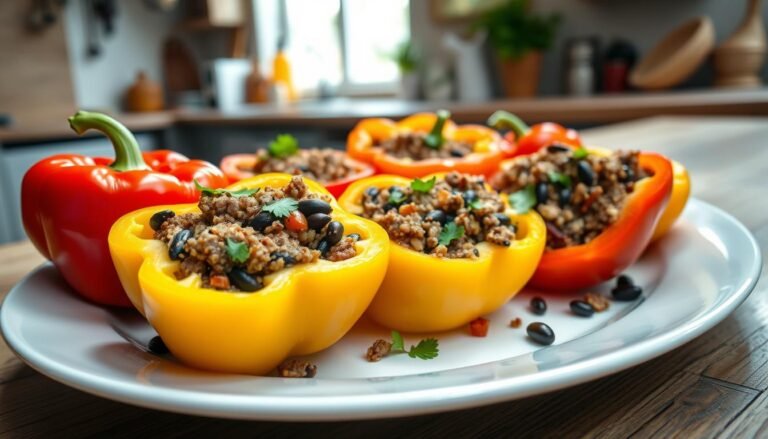
For taco night in a bowl, pair seasoned lean ground beef with black beans and brown rice, then pile on shredded lettuce, diced tomato, and red onion. A little cumin, chili powder, and garlic gives the beef plenty of flavor; finish with lime juice and chopped cilantro for a bright, fresh bite. If you like some heat, add sliced jalapeño or a spoonful of salsa.
Make the toppings work for your taste, too. Corn adds sweetness, while a few slices of avocado bring a creamy contrast to crunchy lettuce. Choose plain Greek yogurt instead of sour cream for a tangy finish, or leave it off and let the salsa do the work. Each forkful can be different, which makes this an easy bowl to come back to.
Teriyaki-style bowls with lots of vegetables
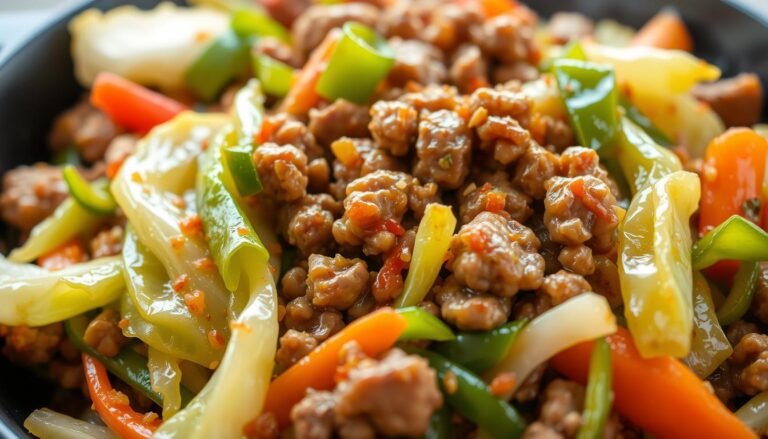
Thinly sliced beef, broccoli, carrots, and bell pepper make a colorful teriyaki-style bowl that’s easy to enjoy on an ordinary weeknight. Cook the beef until browned, then coat it lightly with a sauce made from soy sauce, ginger, garlic, and a touch of honey. Serve it over brown rice, with steamed or quickly sautéed vegetables tucked alongside rather than buried under the sauce.
Want more crunch? Add shredded cabbage or sliced cucumber just before serving. You can also swap in snap peas or mushrooms, depending on what’s in your fridge. A sprinkle of sesame seeds and sliced green onion adds a toasty, fresh finish without much fuss. Keep the sauce measured and let the ginger and garlic carry the flavor.
Mediterranean bowls with whole grains and crunchy greens
Build a Mediterranean-inspired bowl with lean beef seasoned with oregano, black pepper, and a little garlic. Pair it with farro or bulgur, then add chopped cucumber, tomatoes, and crisp romaine. A spoonful of hummus gives the grains and beef a creamy, savory partner; a squeeze of lemon keeps the whole bowl tasting lively.
For extra texture, scatter on a few olives or thinly sliced red onion, and add crumbled feta if you enjoy its salty tang. Parsley works well here, too, especially alongside lemon. Keep the greens fresh and crunchy, and use a light drizzle of olive oil rather than letting it pool at the bottom. Each ingredient has a clear role, from chewy grains to cool cucumber.
| Bowl style | Beef seasoning | Grain or base | Fresh finish |
|---|---|---|---|
| Taco-inspired | Cumin, chili powder, garlic | Brown rice and black beans | Lime, lettuce, tomato |
| Teriyaki-style | Ginger, garlic, soy sauce | Brown rice | Cabbage, green onion |
| Mediterranean | Oregano, pepper, garlic | Farro or bulgur | Lemon, cucumber, romaine |
My Easy Tips for Prepping Beef Bowls Ahead
A little planning makes a weekday bowl much quicker to put together, without leaving you with a week’s worth of limp vegetables. Keep the components useful across a few meals, then assemble only what you’re ready to eat.
For a fresh finish, pack crisp toppings and sauces on their own. When lunchtime comes, you can warm the beef and grains, add the cool ingredients, and get a bowl that tastes freshly made.
Cook beef and grains in batches
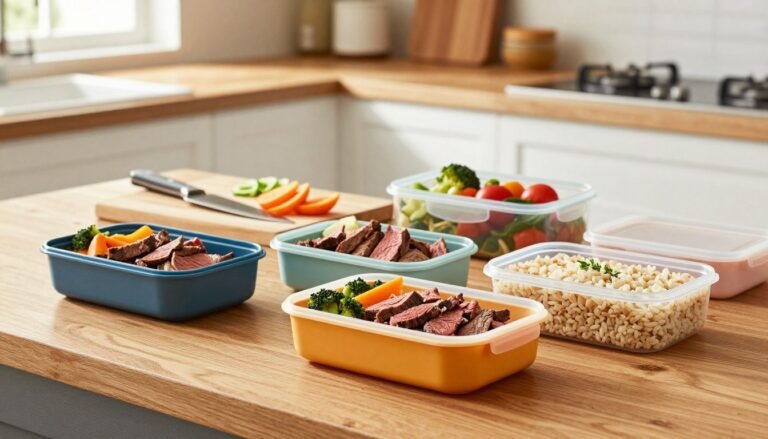
Start with plain, versatile batches so you can change the flavor from one meal to the next. Brown lean ground beef with garlic, or cook strips with a little salt and pepper; keep stronger sauces on the side until serving. Make a pot of brown rice or another grain you enjoy, then spread it in a shallow container to cool before refrigerating. Portioning the beef and grains into individual containers makes weekday assembly easy, especially when you’re packing lunch in a hurry.
Use shallow, airtight containers and refrigerate cooked food promptly rather than leaving it on the counter while you finish other chores. Keep portions you’ll eat soon in the fridge, and freeze any extra for a later week. Thaw frozen servings in the refrigerator, then reheat beef and grains until steaming hot, stirring partway through so the center warms evenly. A squeeze of lime or a fresh sprinkle of herbs can brighten a reheated bowl.
Store toppings and sauces separately
Pack juicy or delicate toppings apart from the warm ingredients. Sliced tomatoes, cucumber, leafy greens, and avocado can turn soft or watery if they sit against hot beef and grains for hours. Store washed vegetables dry, using a paper towel in the container for moisture prone greens, and cut avocado close to serving time. Keep crunchy toppings, such as toasted seeds, in a small dry container so they stay crisp.
Pour dressings, salsa, or yogurt based sauces into leakproof cups, then add them after reheating. If you’re making a sauce with fresh herbs or citrus, keep it chilled and give it a quick stir before serving; separation is normal. For easy packing, label containers with the prep date and stack the small topping cups beside the matching bowl. A handful of spinach and a spoonful of salsa can turn the same batch of beef into a different lunch.
- Pack a fork and a small napkin with each lunch.
- Use wide containers so grains cool quickly.
- Keep sauce cups upright in a separate lunch bag pocket.
What Can Throw a Healthy Beef Bowl Off Track?
A bowl can look balanced and still get weighed down by little extras. A generous pour of dressing, a second scoop of rice, or a handful of crunchy toppings can add up before you notice. You don’t need to measure every ingredient, but it helps to spot which additions bring flavor and which mostly bring extra calories.
Pay attention to how the ingredients work together. If your beef is already seasoned, a salty bottled sauce may be more than you need; if you’ve added avocado, a creamy dressing can make the bowl feel heavy. Small adjustments keep the good parts in place while leaving room for fresh vegetables and satisfying flavor.
Heavy sauces, oversized portions, and too many add-ons
Creamy sauces and sweet glazes can turn a modest bowl into a much richer meal. A thick drizzle of ranch or teriyaki, for example, may contribute more than you expect, especially when you pour straight from the bottle. Spoon sauce into a small dish first, then add enough to coat a bite rather than soak the rice.
Portions can creep up through add-ons, too. A bowl with beef, rice, avocado, shredded cheese, crispy onions, and a large spoonful of sour cream has several calorie-dense ingredients competing for space. Pick one or two extras you really enjoy, and keep the rest of the bowl focused on beef, vegetables, and a sensible base.
Simple swaps that keep flavor without piling on calories
Lime juice, salsa, chopped herbs, and sliced scallions can bring plenty of flavor without a heavy pour. If you like a creamy finish, thin a spoonful of Greek yogurt with lime and water, then season it with garlic or chili. You’ll get a tangy sauce that spreads easily across the bowl.
For crunch, try shredded cabbage, cucumber, or radish before reaching for fried toppings. Choose either avocado or cheese rather than automatically adding both, and use a small scoop of rice alongside extra vegetables. A quick comparison can make choices easier:
| Instead of | Try | What you keep |
|---|---|---|
| Heavy creamy dressing | Yogurt, lime, and garlic | Tang and creaminess |
| Crispy fried onions | Cabbage or radish | Fresh crunch |
| Several rich toppings | One favorite extra | A satisfying finish |


Final Words
Healthy beef weight loss bowls work best when you build them around lean protein, plenty of vegetables, and a sensible serving of filling carbohydrates. A palm sized portion of beef, a generous scoop of roasted broccoli or peppers, and brown rice or beans give you a balanced starting point. Add salsa, herbs, or a squeeze of lime for flavor before reaching for a heavy sauce. Your bowl doesn’t need to be perfect; it needs to suit your appetite and fit into the meals you can keep making.
For an easy weeknight meal, cook extra lean beef and grains, then store them separately from chopped vegetables and fresh toppings. Mix and match ingredients so Monday’s bowl with rice and spinach can become Tuesday’s with beans, cabbage, and salsa. Pay attention to how satisfying the meal feels, and adjust the portions rather than cutting out foods you enjoy. A bowl you look forward to eating is more likely to become a useful part of your routine.