Chicken Healthy Family Meals
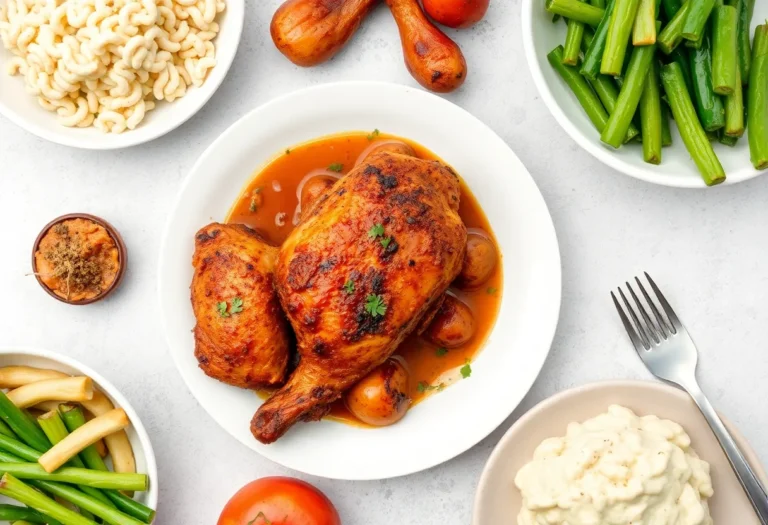
Your dinner table probably sees chicken more than any other protein, and there’s a good reason for that. You need meals that fill hungry bellies, fit your budget, and don’t take all night to cook. This guide walks you through practical ways to turn plain chicken into meals your whole family will actually ask for again.
Key Takeaways:
- Chicken is the ultimate blank canvas for busy weeknights – swap up spices, sauces, and cooking methods and you’ll never hit that “not chicken again” groan from the family table.
- A little prep goes a long way. Marinating overnight or portioning raw chicken into freezer bags on a Sunday afternoon can shave twenty minutes off a hectic Tuesday dinner rush.
- Healthy doesn’t mean bland. Fresh herbs, citrus, and smart spice blends do way more heavy lifting than store bought sauces loaded with sugar and sodium.
Why chicken is actually a weeknight lifesaver
The real deal on lean protein
Chicken breast gives you protein without dragging along a bunch of saturated fat, which matters when you’re trying to keep dinner satisfying but not heavy. A four ounce serving packs enough protein to keep growing kids and tired adults full until morning, without the sluggish feeling that comes after a carb heavy meal. You get muscle repair, steady energy, and a food that plays nice with almost any diet plan your family might be following, whether that’s low carb, balanced macros, or just “eat less junk.”
Thighs deserve credit too. Yes, they carry a bit more fat than breast meat, but that fat helps keep things moist and forgiving if you’re cooking after a long day and your timing isn’t perfect. You’re not sacrificing nutrition for convenience here. Dark meat still delivers solid protein along with iron and zinc, nutrients that white meat alone doesn’t cover as well. Either cut works into a nutrition plan that doesn’t feel like punishment.
Why my kids won’t eat anything else
Bland is the enemy of picky eaters, but chicken never stays bland unless you let it. Shred it into tacos, toss it in a stir fry, bread it lightly and bake it for something that mimics fried without the guilt. Your kids get variety without you cooking three separate meals every night. That mild flavor works in your favor because it soaks up whatever spice or sauce you throw at it, meaning the same protein can taste completely different from Monday to Thursday.
Texture matters more to kids than most parents realize, and chicken bends to whatever texture your household prefers. Crispy tenders win over the skeptics, soft shredded chicken in a quesadilla wins over the toddlers, and grilled strips on a salad satisfy the teenager suddenly obsessed with “eating clean.” Nobody at your table has to compromise, and that alone cuts down on dinner time arguments more than any parenting book ever could.
My secrets for prepping like a pro
Raw chicken doesn’t have to be the messy, dreaded part of your week. A few small shifts in how you handle it can save you twenty minutes a night and a whole lot of cleanup. Grab one cutting board dedicated only to raw meat, and keep it separate from everything else in your kitchen. Sanitize as you go instead of waiting until the end. Wipe down counters with a bleach solution or vinegar spray right after you touch the raw stuff, not after you’ve already contaminated three other surfaces. Pat chicken dry with paper towels before cooking it too, since wet chicken steams instead of searing, and that’s the difference between rubbery and golden.
Timing matters just as much as technique. Pull chicken out of the fridge about fifteen minutes before you plan to cook it so it’s not ice cold in the middle. Season it while it’s still on the cutting board, right before it hits the pan, so you’re not creating extra dishes or cross contaminating your spice containers. Small habits like these add up fast, and they’re the kind of thing that turns chicken from a chore into a five minute task you barely think about anymore.
The “big batch” trick I swear by
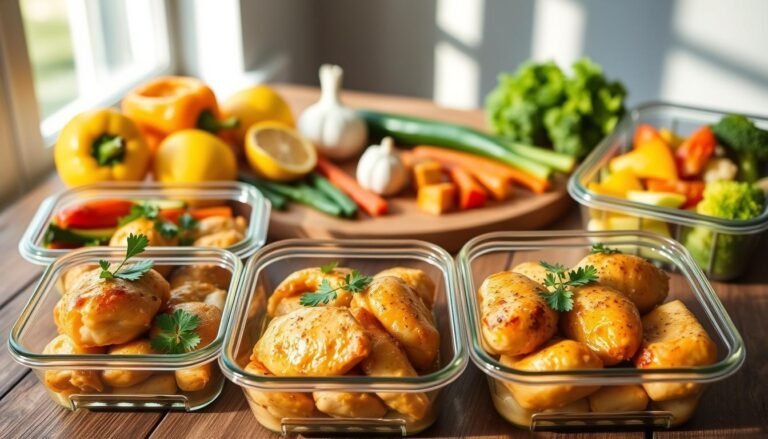
Cooking a huge tray of chicken thighs or breasts on a Sunday afternoon is the single habit that changed my weeknights. Season everything the same way, roast it all at once, and you’ve got protein ready to go for the next four or five days. Toss it into salads, wraps, grain bowls, whatever you’re in the mood for. No more standing over a hot stove after a long day just to feed yourself something decent.
Portion it out immediately after it cools, too. Divide the batch into containers sized for one or two servings rather than leaving it all in one giant tub. You’ll grab exactly what you need without picking through a mountain of chicken every time. Label containers with the date, because even you will forget by Wednesday what day you actually cooked it. This one habit alone can cut your active cooking time in half across the week.
Don’t let the freezer scare you
Freezing chicken feels intimidating if you’ve never done it with any real system. Flat is the magic word here. Lay raw chicken breasts or thighs flat in a freezer bag before freezing, pressing out as much air as you can. Flat bags stack neatly and thaw in a fraction of the time compared to a lumpy frozen block. Label each bag with the cut and the date, and you’ll never have to play a guessing game with a mystery bag six months from now.
Thawing safely is where most people trip up. Skip the counter and move frozen chicken to the fridge the night before you need it, giving it a slow, even thaw. Short on time? Submerge the sealed bag in cold water, changing the water every thirty minutes until it’s ready. Either method beats leaving raw chicken sitting out at room temperature for hours.
What’s for dinner? My go-to healthy recipes
One-pan wonders for lazy nights
Some nights you just don’t have it in you to dirty five pots and pans, and that’s exactly when one-pan chicken bakes earn their keep. Toss boneless thighs or breasts on a sheet pan with cherry tomatoes, chunks of zucchini, and a drizzle of olive oil, then let the oven do the heavy lifting for thirty minutes or so. Season with smoked paprika, garlic powder, and a little lemon zest, and you’ve got something that tastes like you actually tried, even though cleanup takes about ninety seconds.
Skillet dinners work the same magic on the stovetop. Sear chicken thighs, deglaze the pan with a splash of chicken broth, then simmer with white beans and spinach until everything’s tender and saucy. You get protein, fiber, and greens in a single dish without juggling timers for three different components. It’s the kind of meal that feels indulgent but leaves you feeling light instead of stuffed and sluggish afterward.
Seriously good salads that actually fill you up
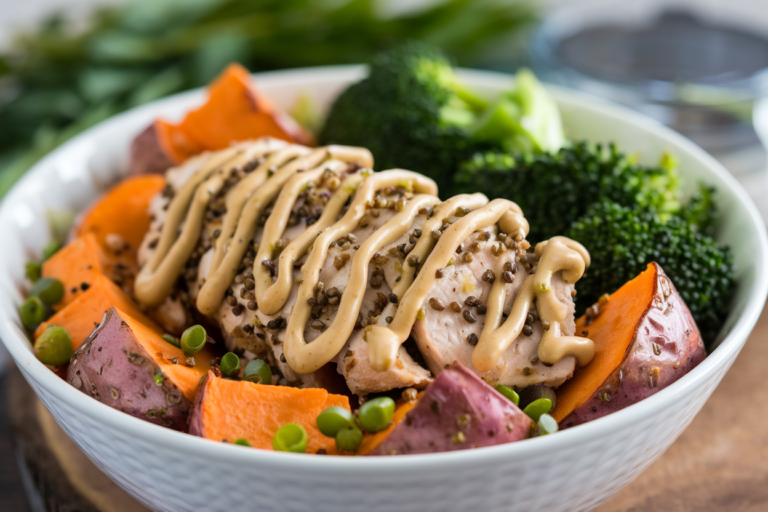
Salads get a bad reputation for being sad little bowls of lettuce that leave you raiding the pantry an hour later. Grilled chicken changes that math entirely when you build the bowl right. Start with a base of massaged kale or a mix of greens, then pile on roasted sweet potato, chickpeas, and sliced avocado. That combination of protein, healthy fat, and complex carbs is what actually keeps you satisfied, not just the pile of vegetables sitting underneath.
Warm chicken salads deserve more attention too, especially when the weather turns cooler and cold greens feel unappealing. Shred rotisserie style chicken and toss it while still warm over farro, roasted brussels sprouts, and a handful of toasted walnuts. The contrast of textures does a lot of work here, crunchy nuts against soft grains, tender chicken against crisp vegetables. Add a mustardy vinaigrette and you’ve got a dinner salad that eats like a real meal, not a consolation prize.
How to pick sides that aren’t boring
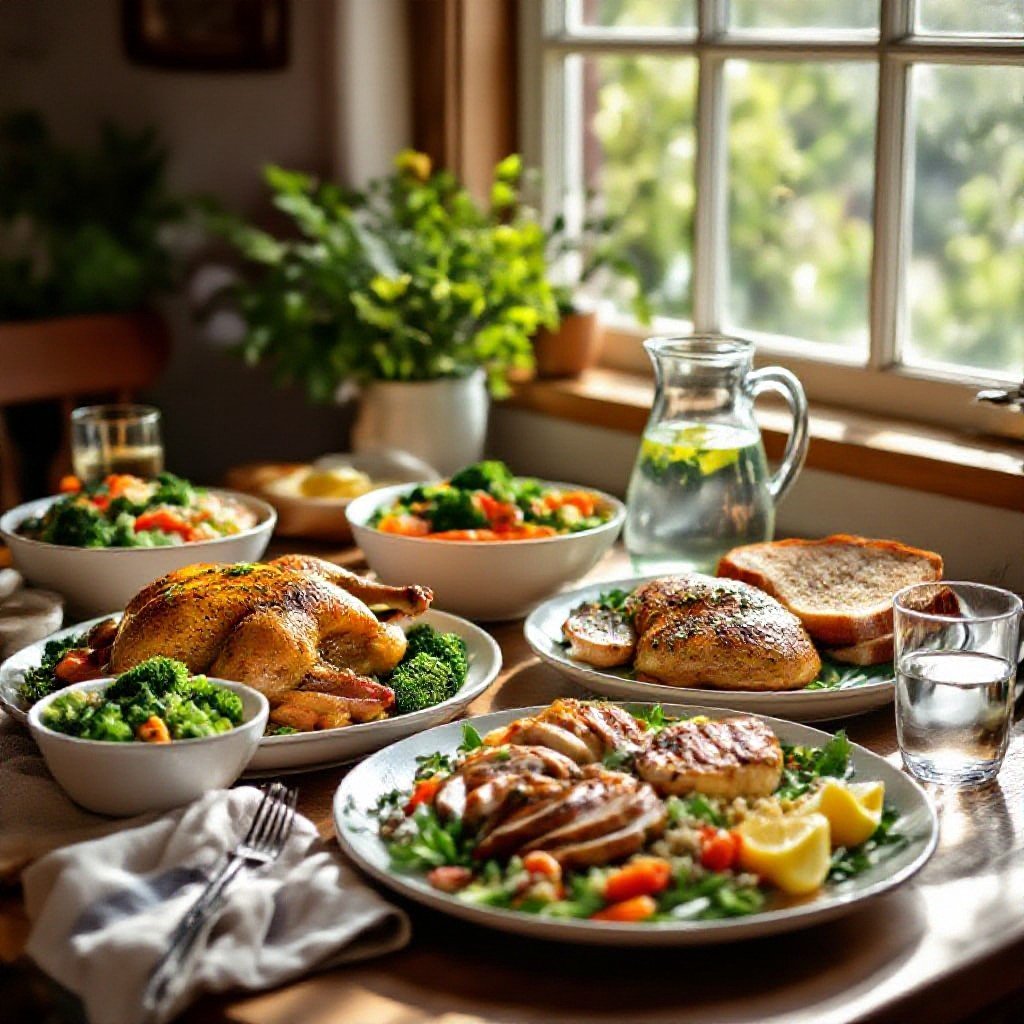
Chicken gets all the glory on the plate, but the sides are what make dinner feel like an actual meal instead of a sad protein sitting there alone. A good plate needs balance: something colorful, something with substance, and something that keeps things interesting so nobody’s pushing food around with a fork. Think of your plate in thirds. One part chicken, one part vegetable, one part grain or starch. That simple ratio takes the guesswork out of dinner and gives your family a mix of fiber, vitamins, and slow burning energy instead of just protein and a pile of nothing.
Skip the frozen mixed veggies you dump in a bowl and microwave into mush. Sides deserve just as much attention as the main dish, because a limp, flavorless vegetable is exactly why kids (and honestly, adults too) start pushing food to the edge of the plate. The trick isn’t complicated recipes. It’s picking produce and grains that hold their own texture, color, and personality next to a well cooked piece of chicken.
Veggies your family will actually eat
Roasting is your best friend here. High heat turns broccoli, carrots, and Brussels sprouts crispy on the edges instead of soggy, and that texture change makes a huge difference for picky eaters who claim they “hate vegetables.” Cut everything roughly the same size so it cooks evenly, toss it with a little oil, and give it real space on the pan so it browns instead of steaming in its own moisture.
Color matters more than people realize. A plate with orange peppers, green beans, and purple cabbage just looks more appetizing than a monochrome pile of anything, and kids respond to that visually before they even taste it. Rotate through a handful of go to vegetables so nobody gets bored: snap peas, zucchini, cherry tomatoes, corn on the cob. Keep two or three on hand each week and you’ll never be stuck serving the same limp side twice.
Grains that don’t taste like cardboard
Plain white rice gets a bad reputation it doesn’t always deserve, but the real upgrade comes from swapping in grains with more texture and flavor built in. Farro has a chewy, nutty bite. Quinoa cooks fast and picks up whatever broth you use. Wild rice blends add a little crunch that plain rice just can’t match. Cook your grains in low sodium chicken broth instead of water and you’ll notice the difference immediately, no extra effort required.
Leftover grains are a weeknight gift, so cook a big batch on Sunday and you’ve got a base ready to go for days. Toss cold quinoa with lemon juice for a quick salad, or reheat farro with a splash of broth to loosen it back up. Grains hold up in the fridge far better than most vegetables, which makes them one of the easiest parts of the plate to prep ahead without sacrificing taste.
Let’s talk about flavor without the junk
Bottled sauces and marinades are sneaky. You grab something that looks innocent at the grocery store, flip it over, and there’s sugar hiding under three different names, plus a sodium count that could season a whole herd of chickens. Skip that trap. Your spice cabinet is doing far more heavy lifting than you probably give it credit for, and it costs pennies compared to those trendy bottled blends. Paprika, cumin, garlic powder, smoked chili, dried oregano – these give you real depth without a single gram of added sugar sneaking onto your plate. Once you start building flavor from the ground up, you stop missing the bottled stuff entirely, and your chicken actually tastes like chicken instead of high fructose corn syrup with a side of protein.
Fresh herbs deserve their own moment too, not just as a garnish tossed on at the end. Rosemary and thyme rubbed into chicken thighs before roasting change the whole character of the dish, and cilantro or basil stirred in right before serving wake up anything that’s been simmering for a while. You don’t need a culinary degree to use them well, either. Just chop, toss, taste, adjust. That’s really the whole game plan.
My favorite DIY dry rubs
A good dry rub is basically a flavor bomb you build yourself, and you get to decide exactly what goes into it. Your base should always start with something salty, something smoky, and something with a little heat, then you round it out from there. My go-to combo leans on smoked paprika, garlic powder, onion powder, a pinch of cayenne, and cracked black pepper. Mix it up in a jar, and you’ve got enough for weeks of dinners sitting right on your counter, no added sugar, no mystery preservatives, no nonsense.
Chicken breasts, thighs, even wings all soak up dry rubs beautifully if you give them a little time. Pat the meat dry first, since moisture blocks the spices from actually sticking where you want them. Rub it on generously, then let it sit for at least twenty minutes before it hits the heat. That resting period matters more than people realize. It lets the spices bond with the surface instead of just sitting there loose, so every bite ends up seasoned all the way through instead of just on the outside crust.
Why I’m obsessed with citrus marinades
Citrus does something dry rubs simply can’t. Lemon, lime, and orange juice bring acid into the mix, and that acid tenderizes chicken while it infuses flavor at the same time. Squeeze fresh juice over your chicken, add a splash of olive oil, toss in some minced garlic and a handful of chopped herbs, and let it sit in the fridge for thirty minutes to a few hours. The result is chicken that’s juicier and brighter tasting than anything a sugary bottled marinade could ever deliver.
Orange and lime pair beautifully with
The gear you honestly need in your kitchen
Why a meat thermometer is a game-changer
Guessing whether chicken is done by cutting it open and eyeing the color? That’s how you end up with either salmonella roulette or a dry, chalky mess. A cheap instant read thermometer solves both problems in about three seconds flat. You just poke it into the thickest part of the breast or thigh, wait for the number, and you’re done second guessing yourself. Chicken is safe at 165°F, and that little digital readout takes all the drama out of hitting that mark.
Once you start using one, you’ll wonder how you ever cooked without it. There’s no more slicing into a breast at the table and finding it’s pink near the bone, no more overcooking out of fear. Some models even let you set an alarm so you can walk away and prep a side dish while the oven does its thing. It’s maybe ten dollars well spent, and it turns cooking chicken from a guessing game into something you can actually nail every single time.
The cast iron skillet vs. air fryer debate
Cast iron is the old reliable friend who’s never let you down. It holds heat like nothing else, giving you that deep golden sear on chicken thighs that a nonstick pan just can’t match. You can start a piece on the stovetop and slide the whole skillet into the oven to finish, no extra dishes required. It takes a bit of seasoning and care, sure, but a well kept cast iron pan will outlast pretty much every other piece of cookware you own.
Air fryers, on the other hand, are the shortcut you didn’t know you needed on a busy Tuesday. Toss in seasoned tenders or drumsticks, and you get crispy skin without a puddle of oil or a hot kitchen in July. Cleanup takes minutes, not scrubbing sessions. Neither tool beats the other outright, they just solve different problems, and having both within reach means you’re covered whether you want a slow, deliberate sear or a fast, fuss free dinner.


To wrap up
You’ve got everything you need now to turn chicken into your family’s dinnertime hero. A few smart prep habits, a handful of go-to recipes, and sides that actually excite your kids instead of getting pushed around the plate – that’s really all it takes. You don’t need fancy equipment or hours of free time to pull this off. What you need is a plan, a well-stocked fridge, and the confidence to season boldly without reaching for a jar of something processed.
Your kitchen doesn’t have to feel like a battleground every night at six o’clock. Once you’ve built a small rotation of meals your family actually asks for again, cooking stops being a chore and starts being second nature. Try one new method this week, whether that’s sheet-pan roasting or a quick skillet sauce, and see how it fits your routine. Healthy family meals aren’t about perfection; they’re about showing up most nights with something good on the table.