Healthy No Bake Desserts
Hot ovens and sugar comas aren’t your only options when a sweet craving hits. You can whip up treats packed with real fruit, nuts, and wholesome ingredients without ever touching the stove. Your kitchen stays cool, your schedule stays free, and your taste buds still get exactly what they’re asking for.
Key Takeaways:
- No bake doesn’t mean no nutrition – swapping refined sugar for dates, mashed banana, or a drizzle of honey can turn a fridge treat into something your body actually thanks you for.
- Whole ingredients like oats, nuts, and Greek yogurt do double duty: they hold these desserts together AND pack in fiber, protein, and healthy fats instead of empty calories.
- Chilling time isn’t just a formality. A few hours in the fridge (or a quick freeze) is often what turns a sticky bowl of mush into something with real texture and bite.
Wait, what actually makes a dessert healthy?
Here’s the thing nobody tells you: it’s not about counting calories or feeling deprived. A dessert earns its “healthy” label when you strip out the processed junk and let whole foods do the heavy lifting. Refined sugar spikes your blood sugar, offers zero nutrients, and leaves you crashing an hour later. Whole food ingredients, though, bring fiber, vitamins, and slow-releasing energy to the table. That’s the actual shift that matters, and it’s simpler than you’d think once you know what you’re looking for.
Your dessert doesn’t need a dozen substitutions to qualify as better for you. Sometimes one swap changes everything. Dates instead of corn syrup. Almond flour instead of bleached white flour. These aren’t gimmicks, they’re just ingredients doing double duty, sweetening your treat while actually feeding your body something useful.
Swapping out the junk for the good stuff
Your pantry probably has more processed sugar hiding in it than you realize, tucked into things you wouldn’t even suspect. Once you start reading labels, you’ll notice refined sugar sneaking into everything from “healthy” granola bars to store bought pie crusts. Ditching that stuff doesn’t mean your desserts get boring. Mashed bananas, unsweetened applesauce, and pureed dates can replace sugar in a lot of recipes without you missing a beat. They add moisture, natural sweetness, and a texture that white sugar simply can’t match.
Flour swaps matter just as much as sugar swaps. Oat flour, almond flour, and even blended chickpeas give you sturdier, more nutrient dense bases for cookies, bars, and crusts. You’re not just cutting out something bad, you’re adding something good in its place. That distinction is everything here, and it’s why these swaps feel sustainable instead of like a punishment.
Why I’m obsessed with natural sweeteners
Maple syrup, raw honey, and coconut sugar have become staples in your dessert making for a reason: they bring flavor complexity that refined sugar just can’t touch. Maple syrup has that deep, almost caramel-like richness. Raw honey carries floral notes depending on where it’s sourced. Coconut sugar has a subtle molasses flavor that makes chocolate desserts taste even more indulgent. You’re not sacrificing taste when you switch, you’re actually upgrading it.
Beyond flavor, these sweeteners typically come with trace minerals and a gentler impact on your blood sugar compared to the refined stuff. Honey has antioxidants. Coconut sugar retains a bit of inulin fiber. None of these are magic bullets, but they’re a meaningful step up. Once you taste desserts made this way, going back to the bleached white stuff feels like a downgrade you don’t want to make.
My take on why fruit is basically nature’s candy
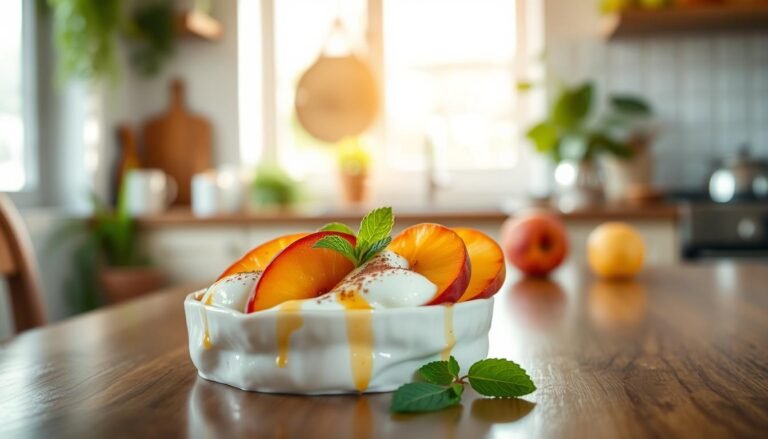
Sweet tooth acting up but the oven’s staying off? Fruit is your answer, and it’s not some sad consolation prize either. Grapes, mango chunks, sliced peaches, whatever you’ve got – that natural sugar hits the same craving spot as a candy bar, minus the crash an hour later. You’re getting fiber, water content, and actual flavor complexity that refined sugar just can’t touch. Bite into a ripe pear and tell me it needs help from anything artificial.
What really sells fruit for no bake desserts is the texture game. Frozen fruit gives you that dense, scoopable consistency without a single ice cube tray of syrup or a churn machine. Fresh fruit brings juiciness and a little bite that makes layered desserts feel finished instead of flat. You don’t need heat to transform either one into something that feels indulgent – you just need to know which fruit does what job in your recipe.
The magic of frozen bananas
Bananas change personality entirely once frozen. Peel them, slice them, freeze them solid, and suddenly you’ve got the base for something that blends up thick and creamy, almost like soft serve. No dairy needed, no ice cream maker required. You just toss frozen chunks into a food processor and let them break down until they turn glossy and smooth, which usually takes a few minutes of scraping down the sides and pushing through.
Texture is the whole story here. A frozen banana brings body to a dessert the way butter brings body to a cookie. You can fold in cocoa powder for something chocolatey, or blend it solo for a base that holds its shape in a bowl. Overripe bananas actually work best since they’re sweeter and softer, so don’t toss the ones with brown spots sitting on your counter.
Berry-based treats that actually hit the spot
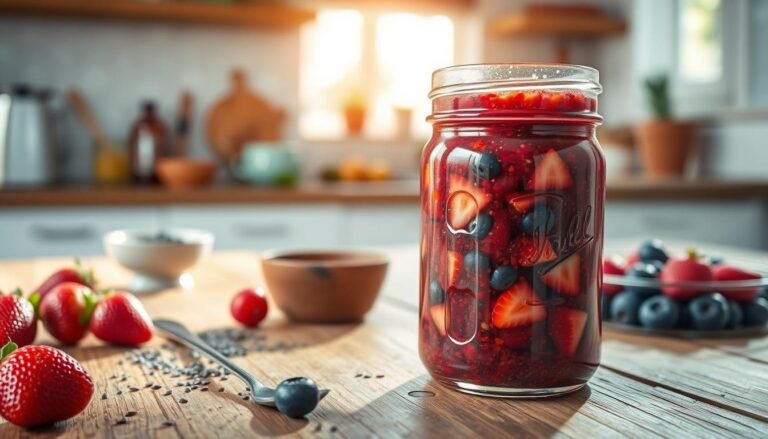
Berries bring something bananas can’t: tartness. That little sour edge cuts through sweetness and keeps a dessert from feeling one-note. Frozen raspberries or blackberries blend into a sauce-like consistency almost instantly, perfect for swirling into a bowl or spooning over a base layer. Strawberries hold up well too, especially when you want visible chunks rather than a smooth puree.
Color is the other thing berries hand you for free. A dessert layered with deep purple blackberry puree or bright red strawberry pieces looks finished without any decorating skill involved. Mixing berry types adds complexity too – raspberry’s sharpness against blueberry’s mellow sweetness creates a flavor balance that a single fruit alone won’t give you. Keep a bag of mixed berries in your freezer and you’re never far from a quick treat.
Seriously, you won’t believe these are good for you
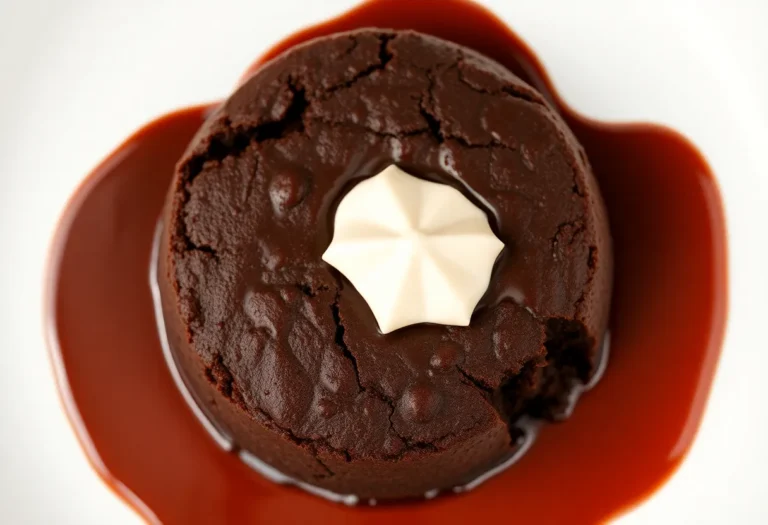
Cravings for something rich and decadent don’t have to send you running toward a box of store-bought cookies. Dark chocolate and nut butters are the two ingredients doing most of the heavy lifting in this category, and they happen to bring genuine nutritional value to the table. You get healthy fats, a bit of protein, and enough natural richness that your taste buds stop asking questions. That’s the magic trick here: nobody’s tricking your palate into thinking bland is delicious. The ingredients themselves are just naturally satisfying, which makes the “this is healthy?” reaction so common when people try these treats for the first time.
Think about the last time a dessert made you pause mid bite because it tasted too indulgent to be good for you. That’s exactly the reaction these two ingredients tend to produce. Peanut butter, almond butter, cashew butter – they all bring a creamy density that mimics the mouthfeel of frosting or caramel. Pair that with dark chocolate’s natural bitterness balancing out any sweetness, and you’ve got a combination that feels like cheating even though it isn’t.
Nut butter bites that taste like cookie dough
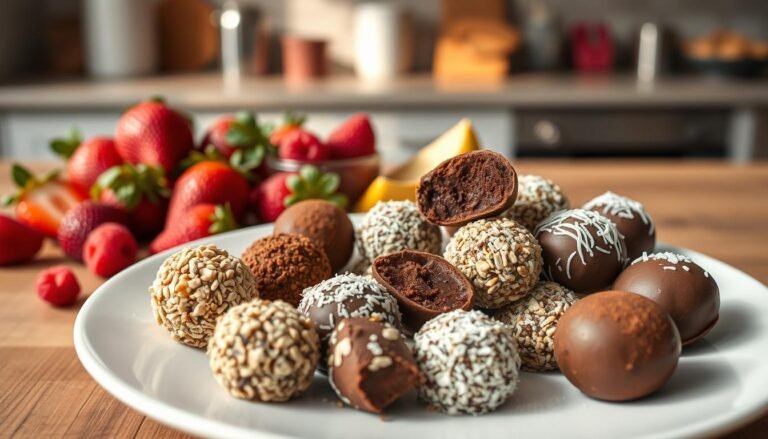
Cookie dough flavor without the raw egg anxiety or the sugar crash? That’s precisely what happens when you mix a nut butter base with a touch of vanilla and a natural sweetener like maple syrup or dates. The fat content in something like almond butter gives you that dense, chewy texture your brain associates with actual cookie dough. You’re not missing anything by skipping the flour and sugar; the nut butter carries the whole flavor profile on its own.
Rolling these into bite sized balls makes portion control almost automatic, which is a nice side benefit you don’t get with a full pan of brownies. Add mini dark chocolate chips and you’ve replicated that classic dough experience down to the texture. Your body gets protein and healthy fats instead of an empty sugar rush, so you feel satisfied rather than jittery twenty minutes later.
Dark chocolate is honestly a superfood
Calling dark chocolate a superfood sounds like marketing spin until you actually look at what it contains. Chocolate with a high cacao percentage, say seventy percent or above, carries antioxidants called flavanols along with minerals like magnesium and iron. Compare that to milk chocolate, which dilutes the cacao content with sugar and dairy solids, and you’ll see why the dark stuff earns its reputation. Your dessert gets a nutritional boost simply by choosing the right bar to melt down or chop up.
Bitterness is the tradeoff, sure, but that’s exactly what makes it pair so well with naturally sweet ingredients like dates or ripe bananas in your no bake creations. You end up needing less added sugar overall because the chocolate itself brings so much flavor complexity. Melt it, drizzle it, fold
What’s the real deal with keeping things cool?
Why your freezer is your new best friend
Skip the oven entirely and you’re leaning on cold temperatures to do all the heavy lifting. That’s exactly why your freezer deserves a promotion in your kitchen hierarchy. When you’re working with ingredients like coconut oil, nut butters, or melted dark chocolate, those fats need a serious temperature drop to firm back up into something sliceable and sturdy. Room temperature just won’t cut it here.
Bars made with cashews and dates, for instance, hold their shape because the fat content solidifies at low temps, binding everything into a fudgy block instead of a crumbly mess. Coconut oil is especially dramatic about this. It’s liquid gold above seventy five degrees and rock solid below sixty, which means your dessert’s entire structure depends on that freezer doing its job properly and consistently.
Don’t rush the setting time
Patience actually matters more than any ingredient list you’ll follow. Pulling a tray out too early is probably the single biggest reason no bake desserts fall apart, literally, into a puddle on the plate. Give layered bars or cheesecakes a minimum of two hours in the freezer before you even think about slicing them, and if a recipe calls for overnight chilling, trust that instruction.
Thicker desserts need even more time than you’d expect. A dense raw cheesecake or a thick slab of fudge might need four hours minimum to set all the way through the center, not just around the edges. Cutting corners here leaves you with a gooey middle and disappointing texture, so set a timer, walk away, and let the cold work uninterrupted.


To wrap up
You’ve got everything you need now to start building your own no bake dessert repertoire without guilt or fuss. Skip the oven, skip the added sugar overload, and lean on dates, nuts, oats, and fruit to do the heavy lifting. Your freezer and fridge are basically doing the work an oven used to do, minus the wasted energy and the risk of burning anything. Try swapping one traditional baked treat this week for a no bake version and see how your body responds. Chances are you’ll feel lighter, more satisfied, and less likely to crash an hour later.
Your kitchen doesn’t need fancy equipment or hours of free time to produce something genuinely good for you. A food processor, a mixing bowl, and a little patience while things set in the fridge are usually enough. Keep experimenting with flavor combos, cacao and peanut butter, coconut and mango, whatever suits your taste buds, and you’ll never feel bored with healthy eating again. These desserts prove that good nutrition and real satisfaction can share the same plate.