Beef Healthy Meal Ideas
A beef dinner can be both satisfying and balanced without complicated recipes or hard-to-find ingredients. Pair lean beef with familiar foods such as roasted vegetables, brown rice, or beans, and you’ve got a filling meal with protein, fiber, and plenty of flavor. A quick skillet of beef, peppers, and broccoli is one practical place to start.
Key Takeaways:
- Choose lean cuts, such as sirloin or tenderloin, and trim visible fat before cooking.
- Pair beef with vegetables and a filling side, like brown rice, beans, or roasted potatoes, for a balanced plate.
- Stretch a smaller portion across meals with dishes like beef and vegetable stir-fry, tacos with beans, or a hearty grain bowl.
Why Beef Can Fit Into a Healthy Meal
Protein and Nutrients in Every Serving
Beef can give your meal a substantial source of protein, which supports muscle maintenance and helps you feel satisfied after eating. Pair it with roasted potatoes and green beans, for example, and you’ve got a filling plate with more than one kind of food. Beef also supplies nutrients your body uses every day, including iron, zinc, and vitamin B12. Iron helps carry oxygen in your blood, while B12 supports normal nerve function and the formation of red blood cells.
Build a Balanced Plate
You don’t need to make beef the whole meal. Add vegetables, beans, or whole grains to bring in fiber and a wider mix of nutrients; a bowl with beef, brown rice, peppers, and black beans is one easy example. Your overall eating pattern matters more than any single ingredient, so consider how the beef fits alongside the rest of your day.
- Try beef with lentils for a hearty, protein rich stew.
- Add sliced beef to a salad with leafy greens and tomatoes.
- Serve beef tacos with cabbage and corn tortillas.
Picking Beef That’s Lean, Tender, and Worth It
Read the Label and Check the Cut
Start with the package label: “90% lean” ground beef gives you a clear lean-to-fat ratio, while cuts labeled round or loin are generally leaner choices. For steaks, look for sirloin or tenderloin; for ground beef, compare lean percentages rather than relying on the word “lean” alone. A little marbling can add flavor, but large streaks of fat mean more fat in the portion. Check the use-by date, too, and choose a package that’s cold, sealed, and free of tears or excess liquid.
| Beef choice | What to look for | Useful detail |
|---|---|---|
| Ground beef | Lean percentage on the label | 90% lean is easy to compare |
| Sirloin | Trimmed edges and modest marbling | A lean steak option |
| Tenderloin | Even color and firm texture | A naturally tender cut |
| Round | Visible fat trimmed away | Often sold as a lean cut |
Judge Freshness and Value
At the counter, ask your butcher to trim visible fat or point out a similar cut that fits your budget. Don’t judge freshness by color alone: beef can look brighter red on the surface and darker inside the package because of limited oxygen. Instead, check the date, packaging, and smell once opened; it shouldn’t have a sour odor. If you’re buying several portions, compare the cost per serving, not just the sticker price, and choose pieces with little waste from thick fat caps or heavy gristle.
What’s the Best Way to Cook Beef Without Overdoing It?
Use Heat With a Light Touch
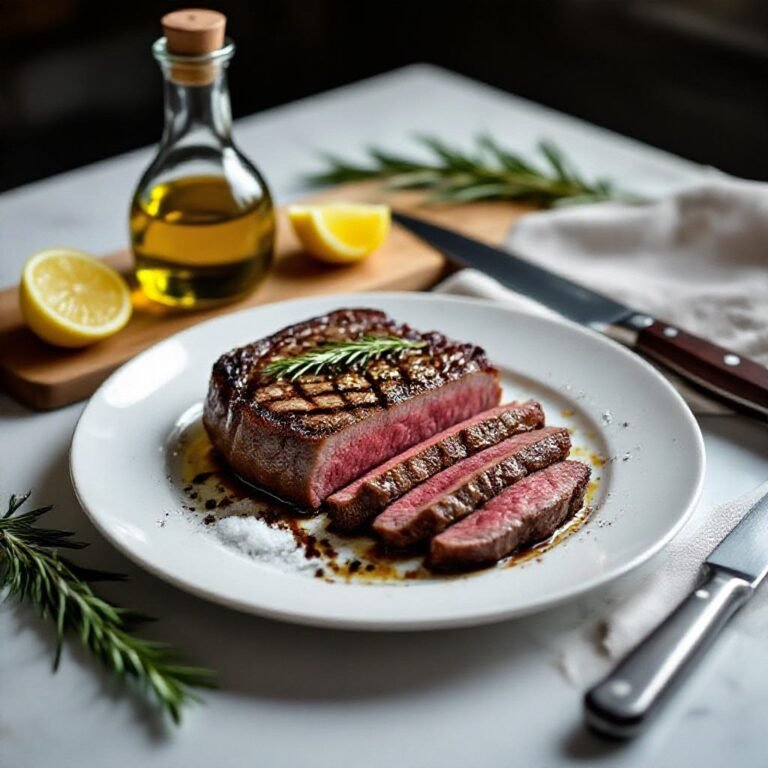
Choose a cooking method that gives you control: grill, broil, or sear beef in a hot pan with just a little oil. Pat the surface dry first, then season simply with pepper, garlic, or herbs. For a steak, let the pan get hot before the meat goes in; a good sear forms quickly, so you won’t need to keep flipping it. Thin cuts cook fast, while thicker pieces benefit from gentler heat after browning.
Check Doneness, Not the Clock
Beef can turn dry in a few extra minutes, so use an instant read thermometer rather than guessing. Insert it into the thickest part, away from bone, and follow safe temperature guidance for the cut you’re cooking. Ground beef needs thorough cooking throughout; whole cuts can be removed from heat before they look completely done, since they’ll keep cooking briefly as they rest. Try these small habits:
- Slice against the grain for a more tender bite.
- Keep the lid on while braising tougher cuts.
- Rest cooked beef before slicing.
Easy Beef Meal Ideas You’ll Actually Want to Make
Simple Bowls, Salads, and Stir Fries
Start with a bowl when dinner needs to be quick: spoon cooked rice into a dish, then add thinly sliced beef, cucumber, shredded carrots, and a little soy and lime. For a salad, toss warm strips of beef with leafy greens, cherry tomatoes, and a sharp vinaigrette; the heat softens the greens without turning them limp. Stir fries are just as flexible. Cook beef quickly over high heat, then add sliced bell pepper and broccoli, finishing with ginger, garlic, and a splash of low sodium soy sauce. Serve over noodles or rice, or keep it simple with extra vegetables.
One Pan, Less Fuss
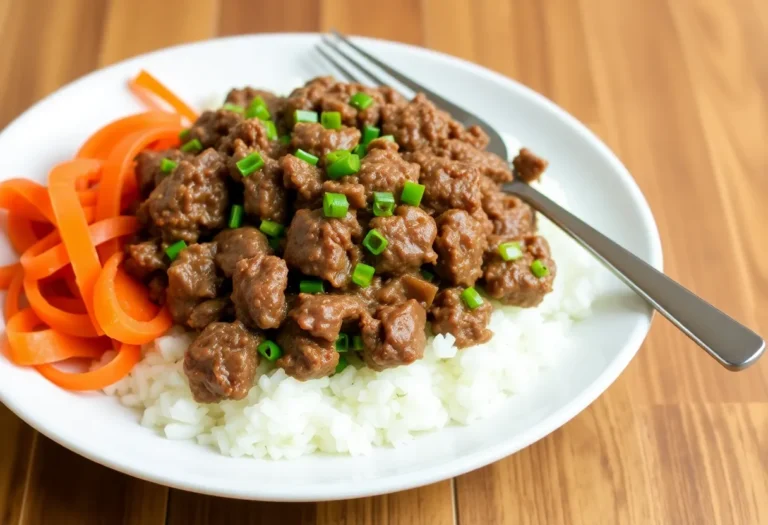
When you’d rather not juggle pans, try a skillet meal. Brown ground beef with onions, then stir in canned beans, corn, and chopped tomatoes for an easy filling that works in tortillas or over baked potatoes. For another option, cook strips of beef with mushrooms and spinach, then fold them into scrambled eggs for a savory breakfast for dinner. Each idea uses familiar ingredients, and you can swap in whatever vegetables are already in your fridge.
| Meal | Quick additions | How to serve |
|---|---|---|
| Beef bowl | Cucumber, carrots, lime | Over rice |
| Beef salad | Greens, tomatoes, vinaigrette | As a warm salad |
| Stir fry | Broccoli, bell pepper, ginger | With rice or noodles |
| Skillet filling | Beans, corn, tomatoes | In tortillas or on potatoes |
My Take on Building a Balanced Beef Plate
Give Each Part a Job
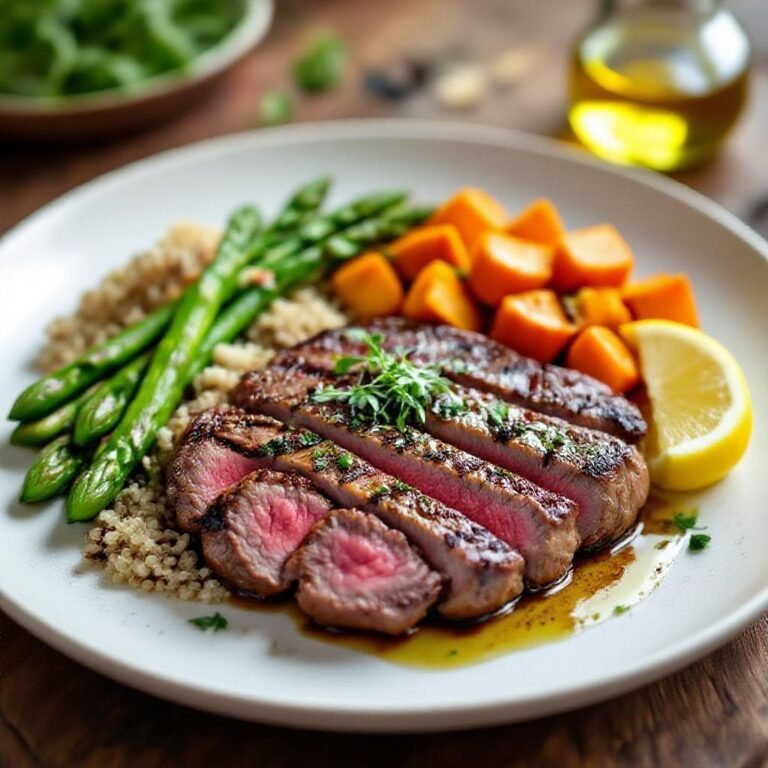
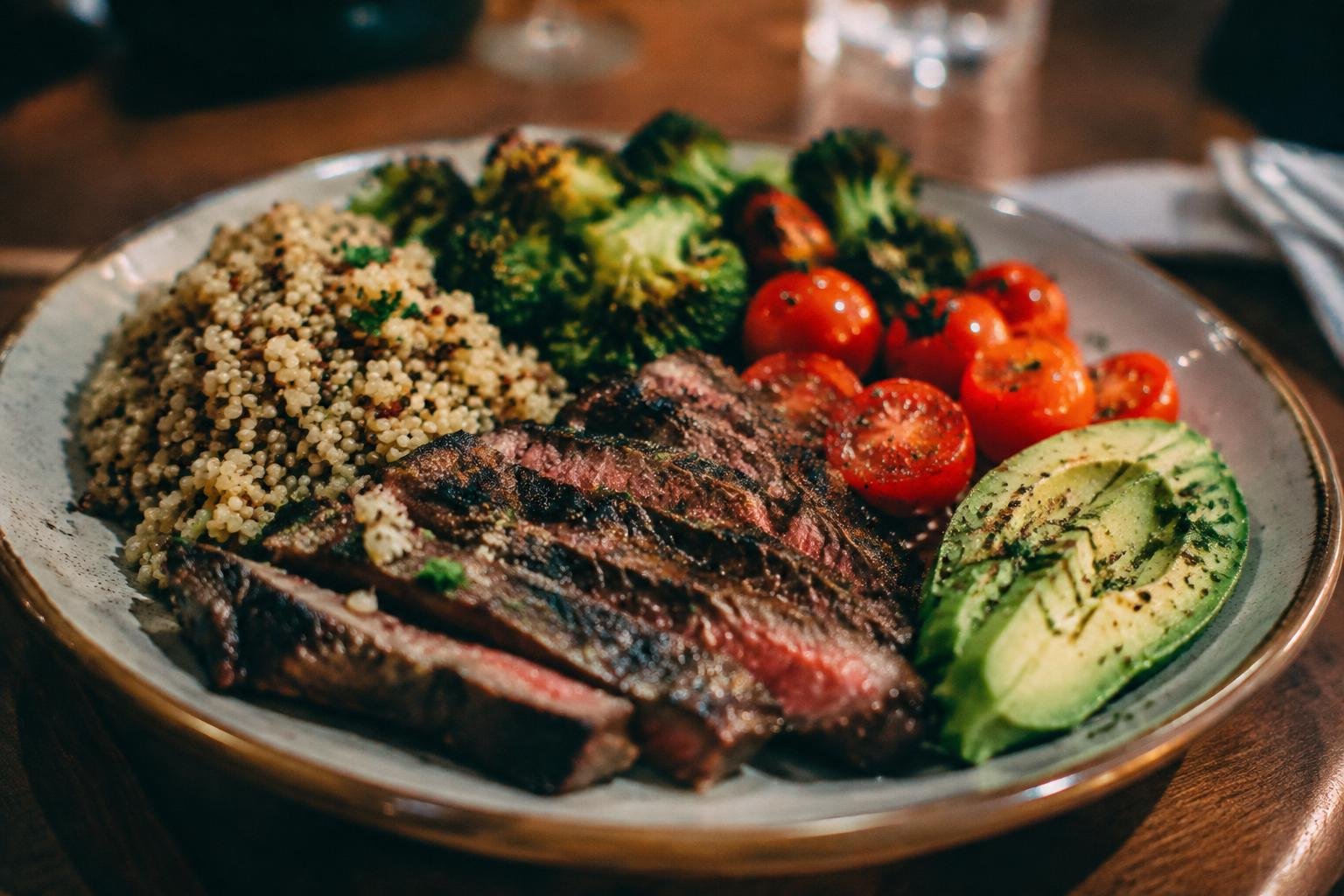
A balanced plate doesn’t need complicated rules. Pair a sensible portion of beef with plenty of vegetables and a whole grain, then let each bring something different to the meal. For example, serve sliced steak with roasted broccoli and brown rice, or add lean ground beef to a bowl with sautéed peppers, black beans, and barley. Beef provides protein, while vegetables add color, texture, and fiber, and whole grains make the meal more satisfying.
Keep Portions in Perspective
When beef takes up less room on your plate, you can enjoy its flavor without letting it crowd out everything else. A palm sized serving is a handy visual guide; fill the rest with vegetables and a scoop of grains such as quinoa or farro. Small choices can make the plate feel complete:
- Add mushrooms to ground beef for a savory mix.
- Use cabbage or lettuce leaves for a crisp contrast.
- Choose a whole grain with a chewy texture.
Honestly, Meal Prep Makes Beef Dinners So Much Easier
Prep Once, Make Weeknights Simpler
When you’ve got a busy week ahead, cook a batch of beef while you have time, then portion it for meals you can assemble quickly. Brown lean ground beef with onions, or roast a piece of beef and slice it once it’s cooled. Store cooked portions in shallow, airtight containers in the fridge and use them within three to four days; freeze what you won’t eat in that window. Label frozen portions with the date, so you can grab the oldest one first.
Keep the Components Ready
Separate beef from vegetables, grains, and sauces until you’re ready to eat, which helps keep textures pleasant. Reheat only the portion you need until it’s steaming hot, adding a splash of broth if sliced beef has dried out. A little planning goes a long way on a rushed evening.
| Prep item | How to store it | Busy day use |
|---|---|---|
| Cooked ground beef | Shallow, airtight container in the fridge | Add to a grain bowl or tacos |
| Cooked sliced beef | Refrigerate separately from sides | Warm with broth for a quick dinner |
| Extra portions | Freeze in dated, meal sized containers | Thaw in the fridge before reheating |



Conclusion
Beef can fit into a healthy meal when you choose a lean cut, cook it without excess fat, and build the rest of your plate with care. Pair grilled sirloin with roasted vegetables and brown rice, or tuck thin slices of flank steak into tacos with beans, cabbage, and salsa. Those simple choices bring protein, vegetables, and satisfying flavor together without making dinner complicated.
Your best option is the one you’ll enjoy enough to make again. Try batch cooking lean ground beef for quick bowls, or cook extra steak to add to tomorrow’s salad. Keep portions sensible, season with herbs, garlic, citrus, or chili, and let vegetables and whole grains round out the meal. A few practical habits can turn beef into a flavorful part of your regular dinner rotation.