Beef Simple Clean Recipes
You don’t need fancy techniques or a pantry full of mystery ingredients to cook great beef at home. What you need are recipes that respect the meat, skip the junk, and fit into a real schedule. Here you’ll find straightforward methods, honest ingredient lists, and practical tips that turn beef into your easiest weeknight win.
Key Takeaways:
- Good beef recipes don’t need a long ingredient list. A hunk of chuck roast, some salt, pepper, and maybe an onion can turn into dinner without any fuss. Simple almost always beats fancy when you’re tired and hungry.
- Your slow cooker and a sheet pan are basically doing half the work for you. Toss the beef in, walk away, come back to something that tastes like you slaved over it. Nobody needs to know it took five minutes of actual effort.
- Prepping ahead, even just chopping veggies or portioning meat on a Sunday, saves you from ordering takeout at 7pm on a Tuesday. A little bit of planning now means way less scrambling later.
Does eating clean beef actually make a difference?
Quality matters more than most people want to admit when they’re standing in the meat aisle trying to save a few bucks. The animal’s diet, how it lived, and what (if anything) got added to its feed all show up in the fat, the flavor, and yes, the nutrition on your plate. You’re not just buying protein when you buy beef. You’re buying the sum of that animal’s whole life, and that shows up in ways a cheap cut just can’t fake. Leaner cuts from well raised cattle tend to carry a better fat profile, and that’s not marketing fluff, that’s basic biology.
Your body responds to what you feed it, plain and simple. Beef packed with hormones or raised in cramped, stressed conditions can carry that stress right into the meat itself, and some folks notice it in digestion or even in how they feel after a meal. Sourcing well doesn’t mean you need to become obsessive about it. It means paying attention to a handful of things that actually matter, then letting the rest go.
My take on those grass-fed labels at the store
Labels like “grass-fed” get thrown around so loosely these days that you almost need a translator to shop for beef. Some packages say “grass-fed” but the cattle were finished on grain for the last few months of life, which changes the fat composition quite a bit. You want to look for “grass-finished” if the whole point for you is that leaner, slightly different flavored beef. It’s a small wording difference that makes a real difference on your cutting board.
Skepticism serves you well here, honestly. Marketing teams know these words sell, and they’ll use them even when the practice barely qualifies. Your best move is finding a butcher or farm you trust and asking direct questions about how the animals actually lived. A five minute conversation at a farmer’s market tells you more than any package sticker ever will.
Honestly, do you really need the expensive stuff?
Money’s tight for most of us, so let’s be real about this. You don’t need to buy the priciest cut in the case every single time to eat well. A solidly raised, conventionally sold chuck roast from a decent grocery store still beats fast food or heavily processed meat alternatives by a mile. Perfect shouldn’t be the enemy of good here.
Splurging occasionally on a better sourced ribeye or ground beef makes sense when your budget allows it, but treating clean beef as an all or nothing game just leads to frustration and giving up entirely. Pick your battles. Maybe you spend a little more on ground beef since you eat it weekly, and save the splurging for special occasions. Balance keeps this sustainable long after the initial motivation fades.
What are some seriously easy dinners for when you’re exhausted?
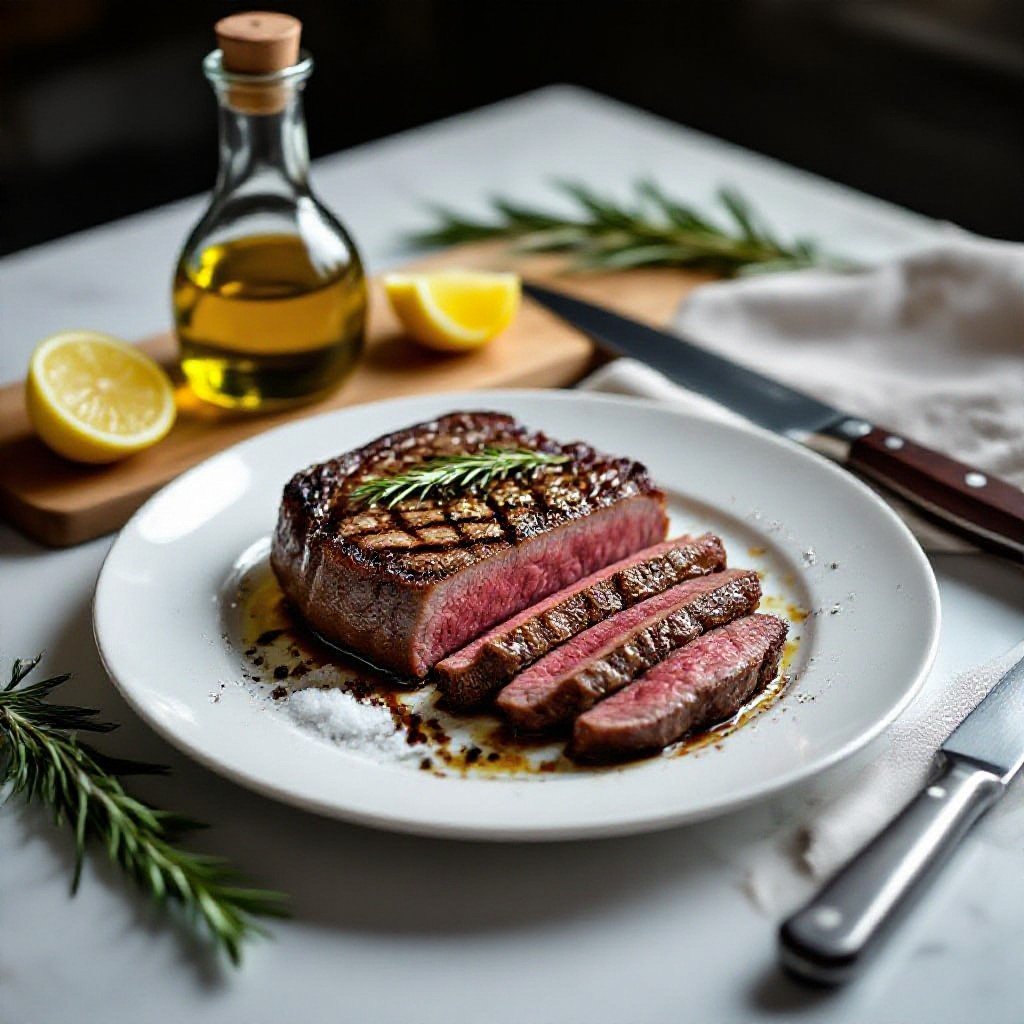
Some nights you walk in the door and cooking feels like the last thing you’re capable of. That’s exactly when a hot skillet and a pound of ground beef or a couple of steaks become your best friends. You don’t need a fancy technique or a long ingredient list to get something satisfying on the table. A cast iron pan, high heat, and about ten minutes is often all it takes. These stovetop meals work because beef cooks fast when it’s cut right, and the char you get from a screaming hot pan does most of the flavor work for you.
Skip the recipes that ask for marinating overnight or twelve different spices. You want something you can start and finish before your stomach starts growling louder. The two dishes below are the ones you’ll actually make on repeat, not just save and forget.
My go-to garlic and herb steak bites
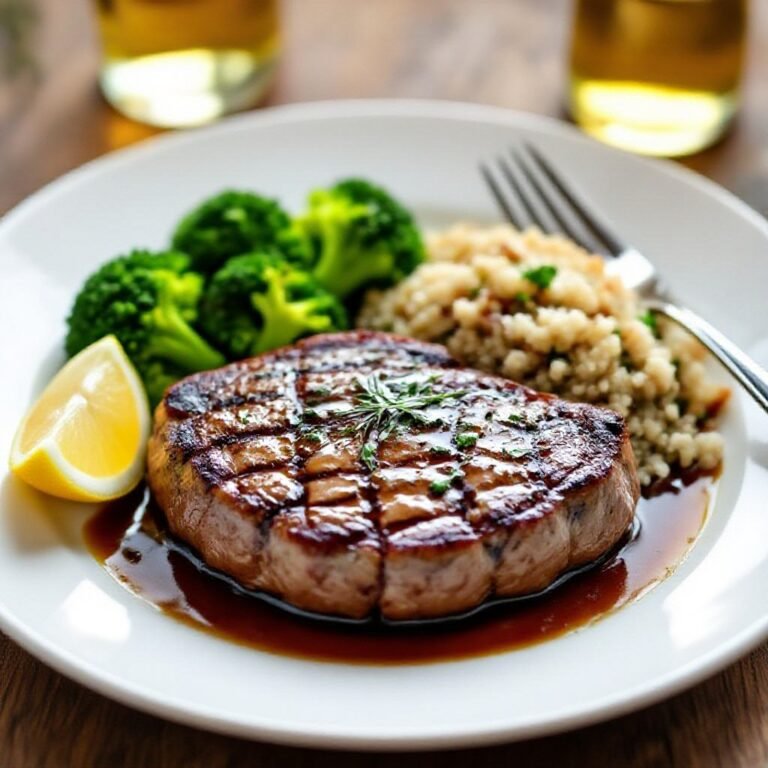
Sirloin or flank steak, cut into bite sized cubes, cooks in under five minutes once your pan is properly hot. You want it screaming, almost smoking, so the beef sears instead of steams. Toss the cubes in salt, pepper, and a little olive oil beforehand, then let them sit untouched for a minute or two before flipping. That’s the secret to getting a real crust instead of gray, sad looking meat.
Butter, minced garlic, and a handful of fresh thyme or rosemary go in during the last thirty seconds of cooking. Swirl the pan so everything coats evenly, then pull it off the heat before the garlic burns. Serve it over rice, with a quick side salad, or honestly just eat it straight from the pan. You’ll have dinner on the table in under fifteen minutes, dishes included.
Why I’m obsessed with this 15-minute beef stir-fry
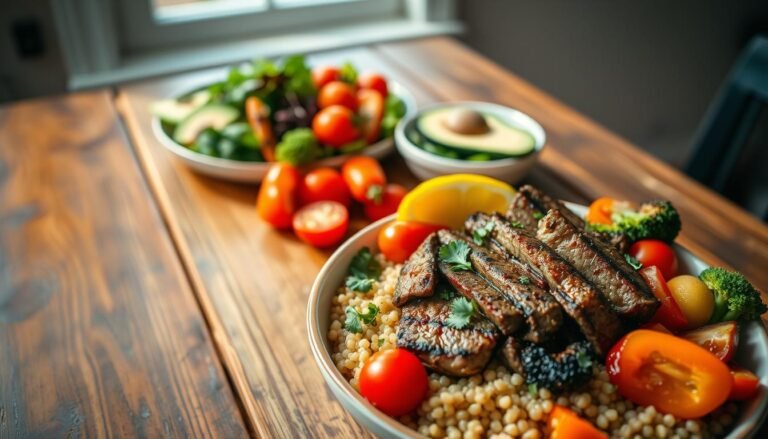
Thinly sliced flank or skirt steak is the move here, and freezing it for twenty minutes beforehand makes slicing paper thin cuts almost effortless. A hot wok or wide skillet gives you that restaurant style sear without any fancy equipment. Toss in whatever vegetables are sitting in your crisper, bell peppers, snap peas, broccoli, it all works. The whole thing comes together in one pan, which means less cleanup and more time actually eating.
Soy sauce, a splash of rice vinegar, and a little sesame oil make a sauce good enough to fool anyone into thinking you ordered takeout. Cook the beef first, set it aside, then stir-fry the vegetables so they stay crisp instead of turning to mush. Combine everything at the end with the sauce and let it bubble for thirty seconds. Fifteen minutes, one pan, zero regrets.
Why I think your slow cooker is a total lifesaver
Some kitchen tools earn their keep, and yours has been sitting on the counter waiting for you to trust it more. Toss in a chuck roast, some onions, a splash of broth, and you can walk out the door for eight hours and come home to something that smells like you spent all day cooking. You didn’t. That’s the whole point. Beef, in particular, loves this method because the tougher, cheaper cuts turn tender and rich instead of chewy. No standing over a stove, no timing anything down to the minute, just a lid and a little patience.
Your slow cooker also forgives mistakes that would ruin a stovetop meal. Add too much liquid? It’ll reduce down fine. Forgot to sear the meat first? Still tastes great, just less deep in flavor. That kind of margin for error matters on a Tuesday when you’re juggling six other things. Set it in the morning, live your life, and dinner handles itself while you’re at work, at the gym, or just avoiding the kitchen entirely.
The cleanest pot roast you’ll ever make
Pot roast gets a reputation for being heavy, greasy, old fashioned food, but it doesn’t have to be that way. Choose a lean chuck roast, trim the visible fat before it goes in, and build your cooking liquid from real ingredients: beef broth, garlic, a spoonful of tomato paste, maybe a splash of balsamic for depth. Carrots and potatoes cook right alongside the meat, soaking up all that flavor without you adding a single processed sauce packet or gravy mix.
Eight hours on low is usually the sweet spot, and you’ll know it’s ready when the meat pulls apart with a fork instead of needing a knife. Skim any fat off the top of the liquid before serving, and you’ve got a meal that’s clean, satisfying, and doesn’t leave you feeling weighed down. It’s the kind of dinner that makes people think you fussed over it for hours.
What’s the secret to a beef chili that isn’t greasy?
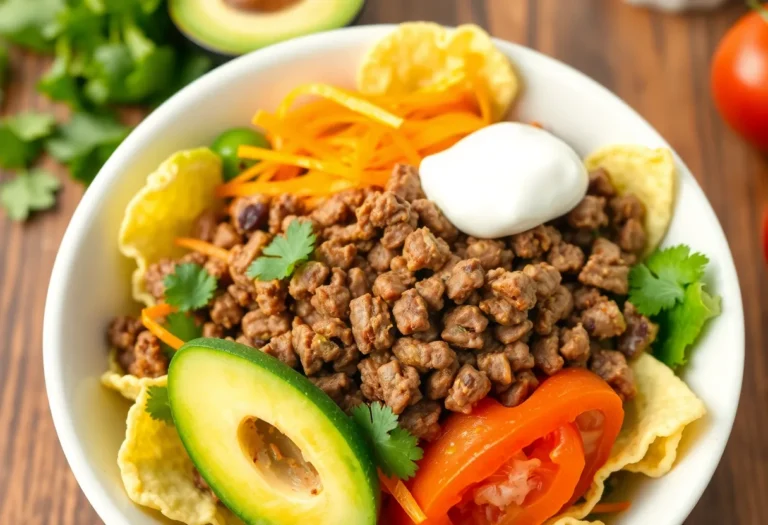
Grease is usually the result of one thing: fat content in the meat you started with. Grab lean ground beef, something in the 90/10 range, and you’re already halfway there. Brown it separately in a skillet first, then drain it before it ever touches the slow cooker. Skipping that step is where most people go wrong, dumping raw fatty beef straight into the pot and wondering why there’s an oily layer floating on top three hours later.
Beans, tomatoes, and a solid mix of chili powder, cumin, and smoked paprika do the heavy lifting on flavor, so you’re not relying on fat for richness. Let it simmer low for six or seven hours, stir once in a while if you’re home, and taste before serving to adjust the seasoning. A splash of apple cider vinegar right at the end brightens everything up and cuts through any lingering heaviness.
How to prep like a pro so you don’t lose your mind
Here’s how I keep everything tasting fresh
Cooked beef has a shelf life, and pretending otherwise is how you end up sniffing leftovers suspiciously on a Thursday night. Once your meat cools down (don’t rush this by tossing hot food straight in the fridge, it messes with the temperature of everything around it), get it sealed up within two hours. I portion mine into single meal sizes right away, because a giant tub of beef stew is way less appealing than four ready-to-grab containers.
Cold storage only buys you three or four days before quality starts slipping, so freezing is your best friend for anything you won’t eat that week. Lay portions flat in freezer bags and press the air out before sealing. Flat packs thaw faster and stack like books, which saves a shocking amount of freezer space once you get the hang of it.
My favorite glass containers for easy grabbing
Glass containers changed my whole prep game, honestly. Plastic stains, holds onto smells, and warps in the microwave, but glass just works. I lean toward the rectangular ones with locking lids, since they stack cleanly in the fridge without toppling every time you open the door. The divided compartments are gold for keeping your beef separate from rice or veggies so nothing gets soggy overnight.
Sizing matters more than people think. Grab a mix of small containers for sauces or toppings and larger ones for full meals, so you’re not cramming a single serving into something meant for a family dinner. Clear glass also means you can actually see what’s inside without playing a guessing game, which sounds small until you’re digging through a packed fridge at seven in the morning trying to find lunch.


Final Words
You don’t need a culinary degree or a pantry full of fancy ingredients to put a good beef dinner on the table. Salt, pepper, a hot pan, and a decent cut of meat will get you further than half the recipes you’ve bookmarked and never made. Your slow cooker, your sheet pan, and a little prep on Sunday afternoon are the real MVPs here, not some complicated technique you saw on a cooking show. Start with one or two recipes from this list, master them, then build from there.
Clean eating with beef isn’t about restriction, it’s about choosing better and cooking smarter. You get to decide what goes into your meals, and that control is worth more than any diet trend. Grab a cut you trust, keep your seasoning simple, and let the meat do the talking. Your future self, the one who’s tired after work and needs dinner in twenty minutes, will thank you for the effort you put in today.