Healthy High Fiber Snacks
That midafternoon slump can make a handful of chips tempting, but a snack with fiber may keep you satisfied longer. You can get fiber from simple choices like an apple with peanut butter, roasted chickpeas, or whole grain crackers with hummus. Pairing fiber rich foods with water can also make the transition easier on your digestion.
Key Takeaways:
- Choose snacks that pair fiber-rich foods with familiar ingredients, like an apple with peanut butter or hummus with carrot sticks.
- Beans, nuts, seeds, fruit, and whole grains can all add fiber; roasted chickpeas or oatmeal with berries make easy options.
- Add high-fiber foods gradually and drink water, especially if you’re swapping in snacks like pears, popcorn, or whole-grain crackers.
What Makes a Snack High in Fiber?
A high fiber snack gives you a meaningful amount of fiber in a portion you’d actually enjoy eating, rather than relying on a tiny serving to make the label look impressive. Fiber is the part of plant foods your body doesn’t fully digest. It can add bulk to a meal and slow digestion, which may help you feel satisfied between meals. Think of the difference between a few bites of fruit and a whole piece of fruit you can eat at your desk.
Fiber counts are only one part of a satisfying snack. Pairing a fiber rich food with protein or healthy fat can make it more filling; for example, fruit with nut butter offers more staying power than fruit alone. Check the serving size on packaged foods, too: a number that looks generous may apply to several crackers, not the whole pouch.
Soluble vs. insoluble fiber, in plain English
Soluble fiber absorbs water and forms a soft, gel like substance as it moves through your digestive system. You’ll find it in foods such as oats, beans, apples, and citrus. That texture can slow digestion, and soluble fiber can help support healthy cholesterol and blood sugar levels as part of an overall balanced diet. The effect depends on your full eating pattern, not one snack in isolation.
Insoluble fiber doesn’t dissolve in water. It adds bulk to stool and supports regular bowel movements; whole grains, nuts, seeds, and many vegetables contain it. Most plant foods offer a mix of both types, so you don’t need to sort every bite into a category. A bowl of oatmeal with berries, for instance, brings more than one kind of fiber to the table.
How much fiber to look for
There isn’t one snack sized number that suits everyone, but the nutrition label gives you a practical starting point. Compare fiber grams per serving, then check how large that serving is. A snack with a few grams can make a useful contribution, especially if your meals also include plant foods. Your daily needs vary with age and sex; general guidance for adults is roughly 25 to 38 grams a day.
Rather than chasing the biggest number on the shelf, choose a portion that feels comfortable and fits your day. If you’re used to eating little fiber, increase it gradually and drink enough fluids; a sudden jump can bring gas or bloating. A small bowl of oats or a piece of fruit is a gentler start than piling several high fiber foods into one sitting.
- Check fiber per serving, not per package.
- Compare similar foods using the same serving size.
- Notice whether the snack also provides protein.
My Go-To High-Fiber Snacks for Busy Days
On a packed day, a snack needs to be quick to assemble and easy to carry. Keep a few reliable basics within reach, such as fruit on the counter, a small container of nuts in your bag, or whole-grain crackers in your desk drawer. Then you can put something together between errands or meetings without turning snack time into another task.
Simple combinations work well because each part brings a different texture and flavor. An apple with a spoonful of nut butter takes little prep, while yogurt topped with berries can be ready in the time it takes to open the fridge. A small amount of planning, like washing grapes or portioning seeds ahead of time, makes those choices easier to grab when you’re in a hurry.
Fruit, nuts, and seeds
An apple, pear, or handful of raspberries is easy to eat on the go, and you can pair it with nuts or seeds for a more satisfying snack. Toss a small container of almonds or pumpkin seeds into your bag, or spread peanut butter on apple slices at home. If you’re short on prep time, a banana and a packet of unsalted nuts are ready as they are.
For a desk snack, combine dried fruit with walnuts or sunflower seeds in a reusable container. Dried fruit is compact, but it’s easy to eat a lot quickly, so pair a modest handful with nuts rather than treating the bag as a serving bowl. Keep fresh fruit visible on the counter, and you’re more likely to grab a pear on your way out.
Whole-grain crackers and hummus
Whole-grain crackers and hummus make a handy savory snack with almost no cooking. Pack a few crackers in a container and add hummus in a small sealed cup; keeping them separate helps the crackers stay crisp until you’re ready to eat. At home, you can spread hummus on each cracker and top it with a cucumber slice for extra crunch.
Check the cracker label for whole grains near the start of the ingredient list, since “multigrain” alone doesn’t tell you how much whole grain is included. A small tub of hummus can also be paired with bell pepper strips or snap peas if you’ve got a minute to wash and cut them. For a commute, pre-cut vegetables and a leakproof container are easier to manage than a loose dip cup.
| Snack | Quick prep | Easy to pack |
|---|---|---|
| Apple and nuts | None | Yes |
| Dried fruit and seeds | Combine in a container | Yes |
| Whole-grain crackers and hummus | Pack separately | Yes |
| Crackers, hummus, and cucumber | Slice cucumber | Best in a container |
Yogurt with berries and chia
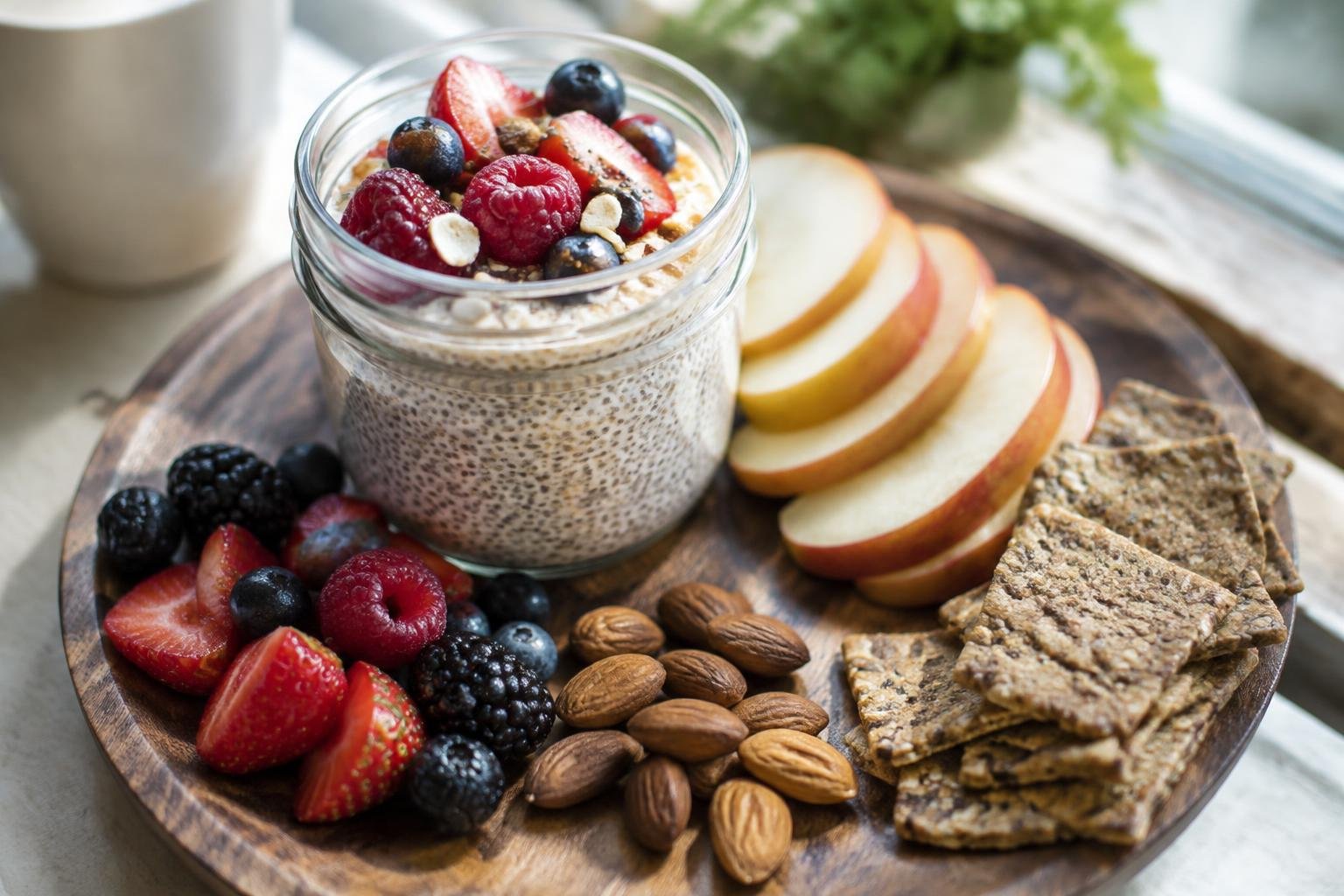
Stir berries and chia seeds into plain yogurt for a quick snack that works at home or in the office. Fresh blueberries need no chopping, while sliced strawberries or thawed frozen berries mix in easily. Add the chia just before eating if you prefer a little crunch, or stir it in ahead and let it soften while the yogurt sits in the fridge.
For a grab-and-go version, layer yogurt, berries, and chia in a jar with a tight lid the night before. Keep a spoon nearby, and you’ve got a snack ready to take along in the morning. Frozen berries are especially useful when fresh fruit runs low; they’ll thaw in the jar and add juice as they soften, so give the mixture a stir before eating.
Want Something Crunchy, Sweet, or Savory?
Your snack craving can be a useful starting point: choose the texture or flavor you’re after, then look for a fiber-rich option that scratches that itch. A crisp bite, a little sweetness, or a savory hit can each point you toward a different snack, so you’re not stuck reaching for the same thing every afternoon.
Keep a few easy options in mind for the moment hunger strikes. A pear feels different from a handful of roasted chickpeas, and both offer more fiber than many packaged snacks. The ideas below sort choices by craving, with familiar foods you can grab at home or pack for later.
Crunchy picks that beat chips
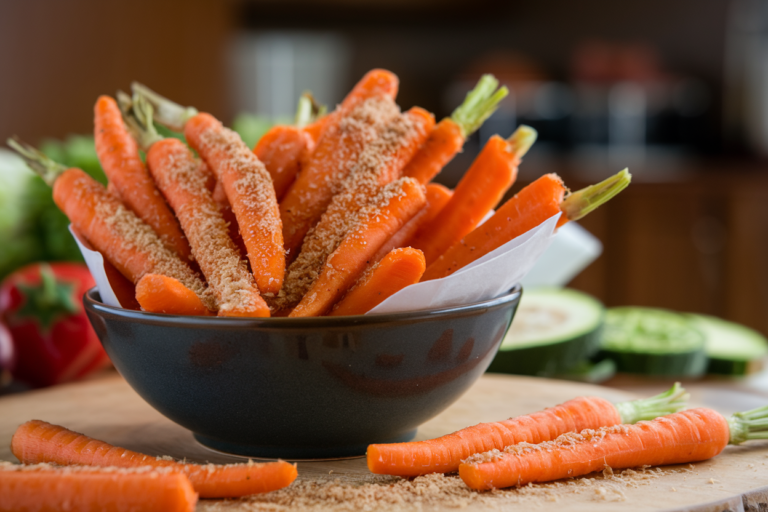
When you want a loud crunch, try air-popped popcorn, roasted chickpeas, or crisp vegetables such as carrots and snap peas. Popcorn is a whole grain, while chickpeas bring a firm, toasted bite; both can make a satisfying stand-in for chips. For an easy flavor change, season popcorn with paprika or cinnamon, or toss chickpeas with cumin before roasting.
Apple slices and firm pear wedges also deliver a crisp bite, especially straight from the fridge. If you prefer something drier, look for whole-grain crispbread with seeds, or bake thin kale leaves until they’re brittle. Check packaged options for added salt and sugar, since seasonings can turn a simple crunchy snack into a much saltier one.
Sweet bites that don’t skimp on fiber
For a naturally sweet snack, reach for a whole fruit you enjoy eating as is. Raspberries, blackberries, pears, and apples are handy choices, and you can keep an apple in your bag without much fuss. Dried figs or apricots work when you want a chewy bite; choose unsweetened varieties when available, and check the label because some dried fruit has added sugar.
Want a treat that feels a little more dessert-like? Mash ripe banana with oats and bake small rounds until the edges turn golden, or spoon berries over plain yogurt. A few dates can also satisfy a sweet craving, though they’re concentrated and easy to eat quickly. Pair their caramel-like flavor with a cup of tea and take your time.
Savory snacks with beans and veggies
Beans are a natural fit for savory cravings. Mash white beans with lemon juice and black pepper for a quick dip, or season canned chickpeas and roast them until the outside is crisp. Keep sliced cucumber, bell pepper, or celery nearby for dipping, so each bite brings a cool, fresh crunch alongside the beans.
For a warm option, make a small bowl of edamame and sprinkle it with chili flakes or garlic powder. You can also heat leftover black beans with salsa and scoop them up with crunchy romaine leaves. If you’re packing snacks, tuck the dip into a sealed container and keep cut vegetables in a separate bag so they stay crisp.
- Try popcorn with smoked paprika.
- Chill pear wedges before packing them.
- Roast chickpeas with cumin and pepper.
How to Pick Snacks That Fit Your Needs
Your best choice depends on what you enjoy eating, what you need to avoid, and what’s easy to find. A snack you can grab at a corner shop may suit a busy afternoon better than one that needs chopping and packing. If you’re shopping for a household, check whether one option works for everyone or whether you’ll need separate snacks to avoid allergens.
Store bought doesn’t have to mean a compromise. Plain roasted chickpeas, fruit, and some whole grain crackers can offer fiber with little fuss, while flavored products may include ingredients you’d rather skip. Read the package, and choose a snack that fits your preferences as well as your dietary needs.
Simple swaps for food allergies
If peanuts or tree nuts are off limits, try roasted chickpeas or pumpkin seeds, provided seeds are safe for you. For a dairy allergy, pair fruit with a non dairy yogurt that suits your needs, or choose a snack built around beans or whole grains. Check every ingredient list, even on familiar products, because recipes and manufacturing practices can change.
Gluten free choices include fruit, edamame, and many plain popcorn products, but seasonings and coatings can add unexpected ingredients. If you have celiac disease or a serious allergy, look for the relevant package labeling and consider cross contact warnings. For example, a bar made with oats may not be suitable unless the oats are specifically labeled gluten free.
What to check on the nutrition label
Start with the fiber amount per serving, then check what the package calls one serving. A product can look fiber rich on the front but offer less in the portion listed on the label. Compare similar items, such as two whole grain crackers, using the same serving basis rather than relying on claims like “made with whole grains.”
Scan the ingredient list, too. Whole grains, beans, seeds, fruit, or vegetables near the beginning can give you a clue about what supplies the fiber. Check added sugars, sodium, and allergens according to your preferences and needs. For instance, a flavored snack may contain whole grains yet also be quite salty, so compare it with a plainer version before choosing.
| Need or preference | Snack option | What to check |
|---|---|---|
| Nut allergy | Roasted chickpeas | Ingredients and cross contact warnings |
| Dairy allergy | Fruit with suitable non dairy yogurt | Milk ingredients and allergen labeling |
| Gluten free | Plain popcorn or edamame | Seasonings and gluten free labeling |
| Less added sugar | Plain whole grain crackers | Added sugars and serving size |
How Much Should You Eat, Honestly?
Your snack doesn’t need to hit a perfect number to be useful. Let hunger, the time until your next meal, and what else you’ve eaten guide the portion. A small apple may do the job between lunch and an early dinner; after a long afternoon, you might want something more substantial. Packaged snacks can make portions easier to judge, but labels are a guide, not a test.
For a quick check, think about what would feel satisfying rather than what sounds virtuous. If you’re still hungry a few minutes later, add something with protein or have a little more. A snack should fit your day, not turn into math homework.
Easy portion cues
Use your hand as a rough guide when measuring isn’t practical: a closed handful of nuts, a cupped hand of roasted chickpeas, or one piece of fruit gives you an easy starting point. For crackers, serve a few onto a plate instead of eating straight from the box, where it’s easy to lose track. These aren’t strict limits; your appetite and the snack itself matter.
At home, pair a small bowl with a drink and pause before reaching for more. A pear with its skin, for example, may be enough on its own if your next meal is close. If you’re packing for a longer stretch, add another item rather than guessing at a giant portion.
Add protein to stay satisfied
Fiber-rich foods can make a snack more filling, and protein gives you another source of staying power. Try apple slices with peanut butter, whole grain toast with an egg, or hummus with carrot sticks. Keep the pairing practical: a small tub of plain yogurt alongside berries works well in a lunch bag, while a hard-boiled egg can travel with a piece of fruit.
Choose combinations you actually enjoy, since the best snack is one you’ll want to eat. If you’re at your desk, keep roasted chickpeas near a cheese stick; for an afternoon out, pack edamame and an orange. The protein portion doesn’t need to be large to round out the snack.
- Keep a spoon in your bag for yogurt.
- Choose unsalted nuts if you’re watching sodium.
- Store cut vegetables in a clear container.
The Real Deal About Adding More Fiber
Your gut may need a little time to adjust when you eat more fiber than usual. A sudden jump can bring on gas, bloating, or changes in your bathroom routine, which can make a healthy change feel like a bad idea. The amount that feels comfortable varies, so pay attention to how you feel rather than forcing a big increase overnight.
A steady pace and enough fluids can make the shift easier. If you have a digestive condition or a clinician has given you specific dietary advice, check with them before making a major change. For day-to-day adjustments, small portions and a glass of water are practical places to start.
Start small and build up
Begin with one modest change, such as adding a spoonful of beans to lunch or choosing whole grain bread instead of white. Keep that change for several days and notice whether you feel comfortable before adding more. If you’re used to a low-fiber routine, doubling your intake in a day can leave your belly gassy or tight.
There’s no need to race toward a target. Increase portions in small steps, and ease back a little if discomfort shows up; you can try again once things settle. A simple note on your phone about what you ate and how you felt can reveal patterns, such as bloating after a large serving of lentils. Persistent pain or major changes in bowel habits deserve a conversation with your health care professional.
Don’t forget fluids
Fiber works best as part of a routine that includes enough fluid. Some types absorb water and add bulk to stool, so eating more fiber while drinking very little may leave you constipated. Keep water within reach during the day, and have a drink with meals or after a walk rather than waiting until you feel parched.
Your needs depend on your activity, the weather, and your health, so there isn’t one daily amount that fits everyone. Water is a straightforward choice, while soup or other drinks can contribute too. If your urine is consistently dark or you’re often thirsty, you may need more fluids, though some medicines and health conditions affect those signs. Follow any fluid limits your clinician has given you.
| Change | Practical step | What to notice |
|---|---|---|
| Increase fiber | Add one small portion at a time | Gas, bloating, or stool changes |
| Adjust portions | Pause or reduce the amount if discomfort starts | Whether symptoms settle |
| Drink fluids | Keep water handy and drink with meals | Thirst and urine color |


Final Words
Healthy high-fiber snacks can fit into the routines you already have. Keep an apple near your desk, pair whole grain crackers with hummus, or add berries to yogurt when you need something quick. The fiber comes from familiar foods, and each option brings its own texture and flavor, so you don’t have to rely on one snack every day. Check labels on packaged choices, too: whole grains, beans, nuts, fruit, and seeds are useful clues, while a long list of added sugars may point you toward a different pick.
As you add more fiber, give your body time to adjust and drink water through the day. A small serving of roasted chickpeas or a pear can be an easy starting point; you can increase portions as they feel comfortable. Your best snack is one you enjoy, can keep on hand, and can fit into your day without fuss. Keep a few options ready, and healthy choices are easier when hunger hits.