Healthy Beef Protein Meals
Beef can bring satisfying protein and rich flavor to your everyday meals without turning dinner into a heavy affair. Pair a lean cut with roasted vegetables, brown rice, or beans, and you’ve got a balanced plate that works for a busy weeknight. The cut you choose and how you cook it can make a real difference.
Key Takeaways:
- Pair lean beef, such as sirloin or eye of round, with vegetables and a filling side like brown rice or potatoes for a balanced plate.
- Choose cooking methods that add flavor without lots of extra fat: grill steak, roast a beef tenderloin, or simmer lean ground beef with tomatoes and beans.
- Build easy meals around cooked beef, from a veggie-packed stir-fry to tacos with cabbage, salsa, and black beans.
Why Beef Can Be Part of a Healthy Meal
Beef can bring more than flavor to your plate: it supplies protein and several nutrients your body uses for everyday functions. Pair it with vegetables, grains, or beans, and you’ve got plenty of room to build a meal around different foods rather than relying on beef alone.
Your overall eating pattern matters more than any single ingredient. A beef meal can sit comfortably alongside other protein sources across the week, with portions and sides suited to your appetite. The nutritional details explain why it can earn a place at the table.
Protein, iron, and other key nutrients
Beef provides complete protein, meaning it contains all the essential amino acids your body needs from food. Protein helps maintain and repair tissue, and it can make a meal satisfying. Beef also contains iron in a form your body can absorb readily; iron helps carry oxygen in the blood. That’s one reason it can be useful in meals for people whose diets need particular attention to iron.
You’ll also get nutrients such as zinc, vitamin B12, and selenium. Zinc supports immune function, while vitamin B12 helps keep nerves and blood cells healthy. A serving of beef can contribute meaningfully to these nutrients, though your needs depend on factors such as age and overall diet. The rest of your plate still counts: beans, leafy greens, and whole grains bring nutrients beef doesn’t supply.
How beef fits into a balanced diet
Balance comes from the mix of foods you eat over time, not from making every meal perfect. Beef can share a plate with roasted vegetables and brown rice, or top a salad with beans and tomatoes. Those combinations add fiber and a wider range of nutrients, which beef doesn’t provide on its own.
Think of beef as one option in a varied routine, alongside fish, eggs, poultry, and plant proteins such as lentils. If you eat beef, you can choose it at meals where its protein and iron suit your needs, while keeping the rest of the week varied. A simple dinner of beef, potatoes, and green beans is one example; lentil soup or baked fish can bring a different balance on another day.
- Vitamin B12 occurs naturally in beef.
- Iron helps your body make hemoglobin.
- Zinc plays a role in immune function.
Picking Beef That’s Lean and Flavorful
Your choice at the meat counter can make a noticeable difference to the saturated fat in your meal. A useful starting point is the cut’s name, followed by a quick look at the visible fat: thick white seams and broad outer edges usually mean more fat to trim or leave behind. Labels can help, too, but compare similar cuts and serving sizes rather than relying on a single “lean” claim.
For ground beef, the lean-to-fat ratio gives you a straightforward comparison. A package marked 90% lean has less fat than one marked 80% lean, though the leaner option may taste less rich. The best fit depends on the dish and your preference, so check the label and choose with the meal in mind.
Lean cuts worth looking for
Look for round or loin cuts, which are generally leaner than well-marbled options such as ribeye. Eye of round, top round, bottom round, sirloin, and tenderloin are common choices; the exact amount of fat varies by cut and trimming. At the counter, ask for a lean sirloin steak or compare the visible fat on two packages of top round. A thin outer strip is easy to spot, while fine marbling runs through the meat.
Ground beef made from sirloin or round can also suit meals where you want a beefy taste without as much visible fat. Check the package’s nutrition label, since grinding and trimming affect the final fat content. For a quick comparison, look at saturated fat per serving as well as total fat: two products with similar total fat can differ slightly in saturated fat. Your best pick is the one whose label and cut match your needs.
| Option | What to check | Useful detail |
|---|---|---|
| Eye of round | Visible outer fat | Usually quite lean |
| Sirloin | Marbling and trim | Can offer a balance of flavor and leanness |
| Ground beef | Lean-to-fat ratio | Compare saturated fat per serving |
| Grass-fed beef | Nutrition label | Fat content varies by product |
Fresh, ground, and grass-fed beef: what matters?
Fresh beef should look moist, not slimy, and have a clean, mild smell when you open the package. Color alone isn’t a reliable freshness test: beef can darken in reduced oxygen, while bright red color doesn’t tell you how much saturated fat a cut contains. Check the use-by date and keep the meat cold on the trip home. For a leaner choice, the cut and its visible fat matter more than whether it’s sold fresh or frozen.
Ground beef labels make fat easier to compare, but don’t assume “grass-fed” means lean. Grass-fed beef may have a different fatty-acid profile, yet its total fat and saturated fat still vary with the cut and product. Read the nutrition panel, compare serving sizes, and look at the lean-to-fat ratio on ground beef. If you’re choosing between two packages, a clearly labeled leaner blend gives you more useful information than a broad marketing term.
My Take on Building a Satisfying Beef Plate
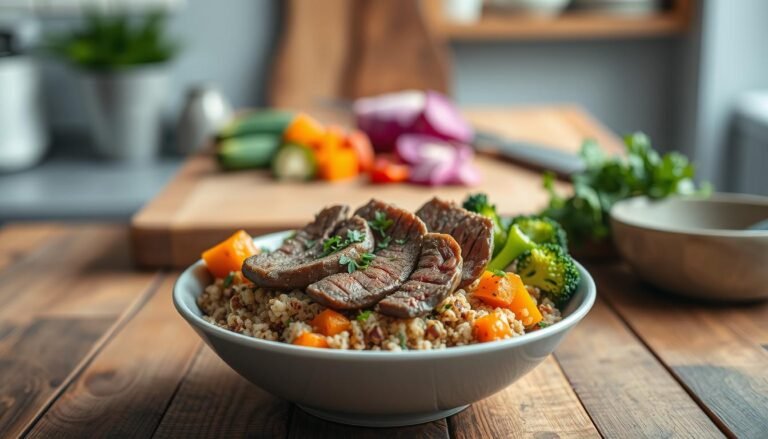
A good beef plate needs contrast: something crisp or tender, something hearty, and a bright note to keep each bite lively. You might pair sliced steak with roasted carrots and barley, or spoon a beef and vegetable stir fry over brown rice. The mix matters more than a complicated recipe.
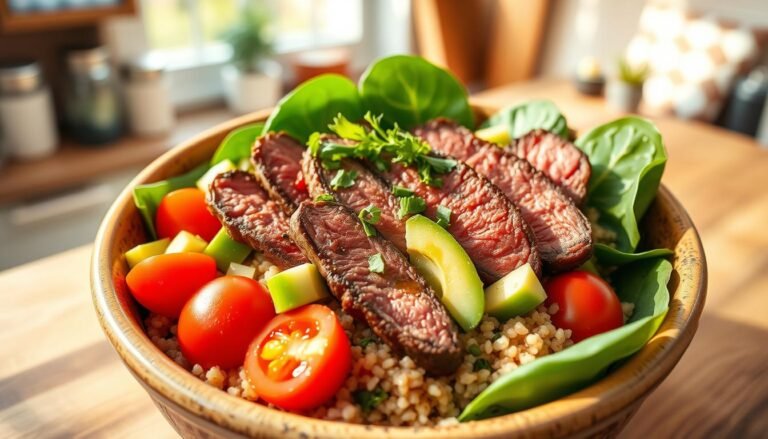
Think about color and texture as you build. A handful of greens, a chewy whole grain, and a little avocado or toasted sesame can turn plain beef into a meal that feels complete. And when the components share a flavor thread, such as lemon with herbs or ginger with scallions, the plate comes together naturally.
Easy sides that round out the meal
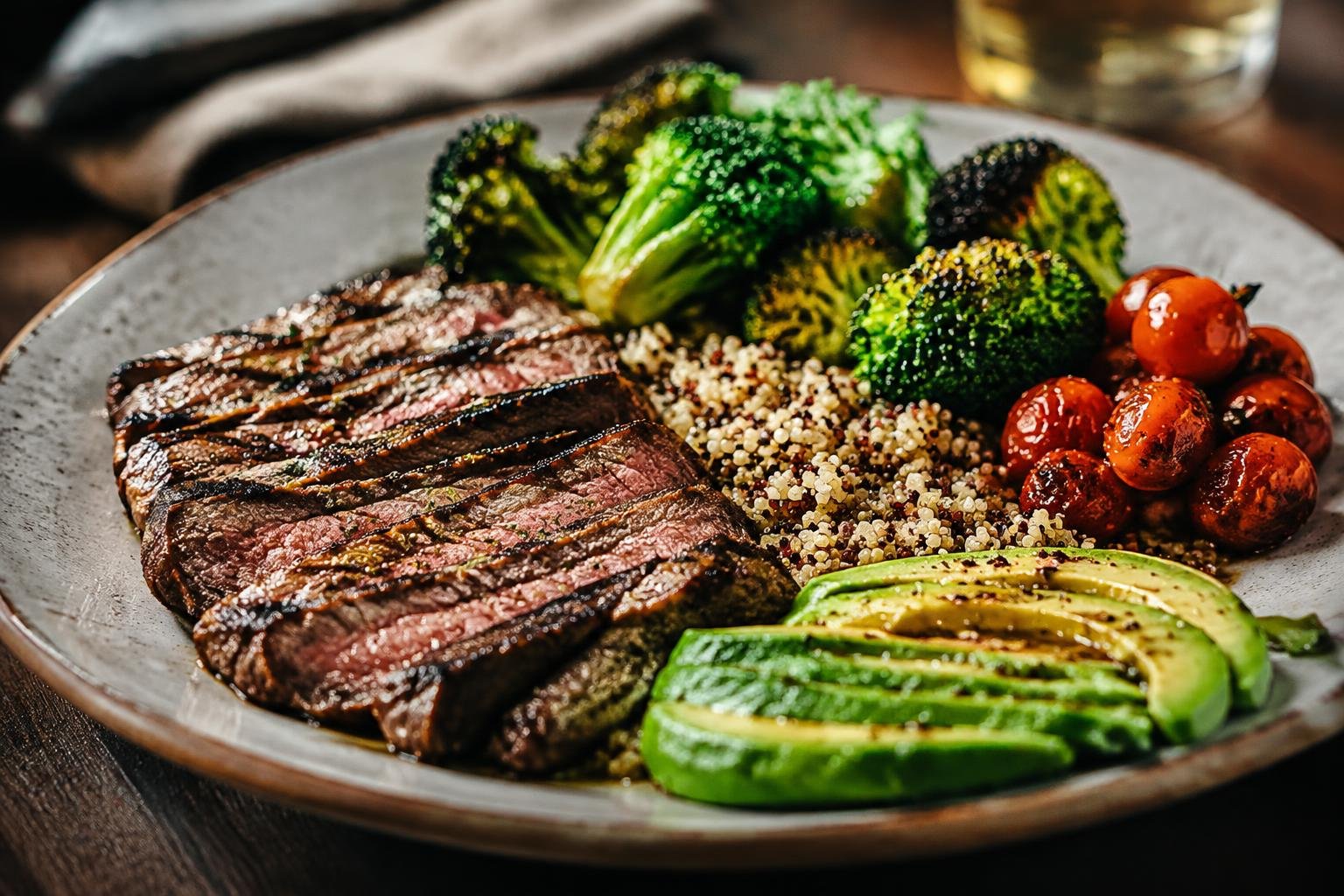
Roasted vegetables are an easy match because the oven does most of the work. Try broccoli, cauliflower, or peppers beside beef, then add farro or quinoa for a nutty, chewy base. If you’re cooking on the stove, wilted spinach or shredded cabbage can be ready while the beef rests.
For a fresher plate, pair beef with a crunchy salad and a grain you can prepare ahead, such as brown rice. A spoonful of beans adds another satisfying texture, while roasted squash brings gentle sweetness. Keep a few simple options on hand, and you can mix and match without making dinner feel like a project.
- Finish roasted carrots with chopped parsley.
- Add cucumber ribbons for a cool, crisp bite.
- Scatter pumpkin seeds over a grain bowl.
Flavor boosters beyond heavy sauces
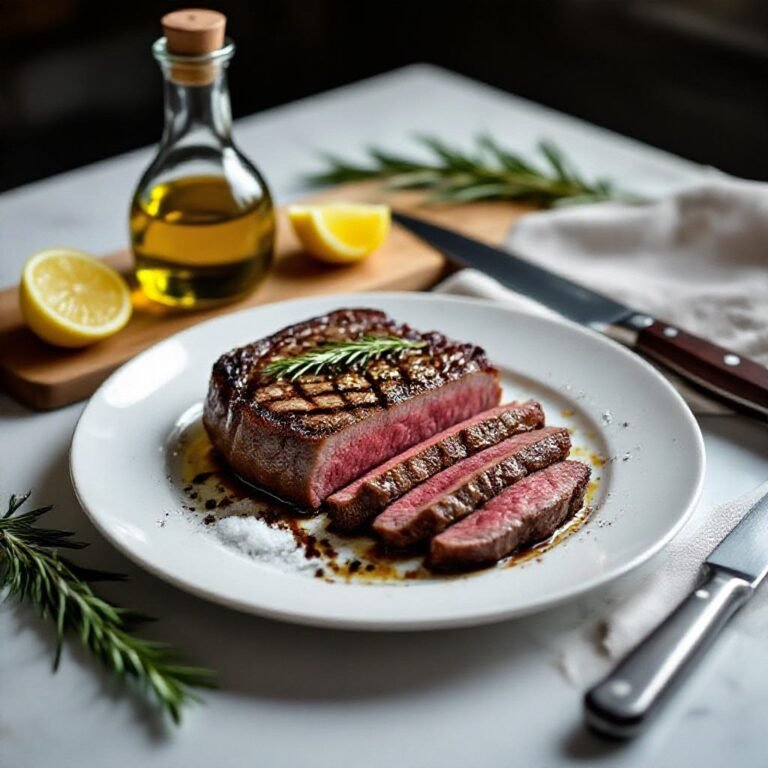
Fresh herbs, citrus, and alliums give beef a lift without a thick sauce. Squeeze lemon over sliced steak, or toss chopped cilantro and scallions through a beef and rice bowl. For a warmer flavor, grate fresh ginger into a quick vegetable sauté; garlic works well with mushrooms and greens, too.
A small amount of healthy fat can carry those flavors across the plate. Drizzle olive oil over roasted vegetables, add avocado to a grain bowl, or finish beef with a few sesame seeds. You can also use a spoonful of plain yogurt mixed with lemon and dill as a cool, tangy accent. Each choice adds a distinct note, not a blanket of sauce.
Healthy Ways to Cook Beef That Actually Taste Good
How you cook beef can make a lean cut taste satisfying without leaning on heavy sauces or extra fat. High heat is useful for building a browned crust, while gentler heat gives thicker cuts time to cook through without drying out. A small amount of oil, a hot pan, and a few fresh seasonings can go a long way.
Pay attention to cut size and cooking time, too. Thin slices cook quickly, so they suit a busy evening; a larger roast needs more time and a brief rest before carving. Match the method to the cut, and you’ll get better texture with less fuss.
Grilling, roasting, and stir-frying
Grilling gives beef a smoky, browned surface with little added fat. Pat steaks dry, season them simply, and cook over a hot, clean grate; turn them with tongs rather than piercing the meat. For a roast, set the beef on a rack so hot air can circulate, and use a thermometer to check doneness instead of guessing by color.
Stir-frying works best with thin, even slices and a very hot pan. Cook the beef in a single layer, in batches if needed, so it browns rather than steams. Add vegetables such as bell pepper or broccoli after the beef, then return the meat to the pan near the end. A splash of broth, citrus, or low-sodium soy sauce can add flavor without a thick, sugary glaze.
| Method | Good fit | Helpful detail |
|---|---|---|
| Grilling | Steaks and kebabs | Pat the surface dry before cooking |
| Roasting | Larger cuts | Use a rack and check the center with a thermometer |
| Stir-frying | Thinly sliced beef | Cook in batches to encourage browning |
Simple tips for juicy, tender beef
Start by slicing against the grain, especially with flank or skirt steak. You’ll shorten the muscle fibers, making each bite easier to chew. For stir-fry, chill the beef briefly before slicing; firmer meat is easier to cut into thin, even strips. A simple marinade with citrus juice, vinegar, or yogurt can add flavor, but don’t leave thin pieces soaking for too long or their texture may turn soft.
Give cooked beef a few minutes to rest before slicing, so the juices don’t run straight onto the cutting board. Keep a thermometer handy, since color alone can’t tell you whether the center has reached a safe temperature. If you’re reheating leftovers, add a spoonful of water or broth and warm them gently; blasting them in a hot pan can leave yesterday’s steak tough.
How Much Beef Should You Serve?
Portion size and how often beef appears on your plate are practical choices, not a test of perfect eating. Your appetite, activity, and the rest of the meal all matter. A smaller serving alongside beans, vegetables, and rice can feel just as satisfying as a larger piece of meat.
For a useful starting point, think in terms of cooked beef, since it weighs less after cooking than it did raw. Then adjust based on what else you’re serving and how hungry you are. The aim is a portion that fits comfortably into your meal and your week.
A sensible serving size
For many adults, about three ounces of cooked beef is a reasonable serving to start with – roughly the size of a deck of cards. If you’re using a kitchen scale, weigh it after cooking; if not, compare the portion with your palm, excluding your fingers. Neither guide has to match perfectly. A burger patty, meatballs, or sliced beef can be harder to judge by eye, so check the cooked amount when you can.
Build the plate around your appetite and the meal’s other ingredients. A bowl with beans, vegetables, and a modest amount of beef may need less meat than a meal where beef is the main protein. If you’re still hungry, add more vegetables, grains, or another protein rather than automatically doubling the beef.
Making room for beef in your weekly menu
Beef doesn’t need to show up every day to be part of a balanced routine. You might serve it once or twice in a week, then choose eggs, fish, beans, or poultry on other days. That leaves room for variety without making a beef meal feel like an exception. Your schedule can guide the choice: a small portion stirred into a weeknight grain bowl is different from a larger serving at a family dinner.
Think about the whole week, not just one plate. If you have beef at lunch, a bean or egg based dinner can add variety later that day. Keep portions flexible for guests, activity levels, and appetite, while avoiding a pattern where beef crowds out other protein foods.
- Check whether the package lists weight before or after cooking.
- Use a smaller plate if oversized portions tend to look normal to you.
- Freeze extra cooked beef in single meal portions.
Healthy Beef Meal Ideas for Real Life
Good beef meals fit the shape of your day, whether you’re eating at your desk or feeding everyone after a busy afternoon. A bowl, a skillet, or a tray of roasted vegetables can all make a satisfying meal without turning dinner into a project.
Keep a few flexible combinations in mind, then swap in what’s already in your fridge. Leftover rice, a bag of slaw, or a can of beans can take a beef meal in a new direction, so you’re not stuck repeating the same plate.
Quick lunches and weeknight dinners
For a fast lunch, spoon cooked beef over rice with cucumber, shredded carrots, and a little soy sauce or chili crisp. If you’ve got tortillas instead, tuck the beef inside with cabbage and salsa for an easy wrap. Both work well with leftovers, and you can assemble them in the time it takes to warm the meat.
On a weeknight, try a one pan skillet with beef, sliced peppers, and onions; serve it with potatoes or warm tortillas. Or make a simple pasta bowl by stirring browned beef into tomato sauce with spinach. Keep the add-ins practical: frozen vegetables, jarred salsa, and bagged greens can turn a rushed evening into dinner without extra chopping.
Meal prep ideas that reheat well
Cook a batch of beef with mild seasoning, then portion it alongside cooked rice and roasted vegetables. Keep sauces separate until serving so the bowls don’t turn soggy; a spoonful of salsa, yogurt sauce, or vinaigrette adds freshness after reheating. You can also use the same beef in a grain bowl one day and a wrap the next.
Chili and beef filled baked potatoes are handy make-ahead choices, too. Let cooked food cool, divide it into shallow containers, and refrigerate what you’ll eat soon; freeze portions you want to keep longer. Reheat until steaming hot, adding a splash of water to rice or a spoonful of broth to chili if it’s thickened in the fridge.
| Meal idea | Easy pairing | Good for |
|---|---|---|
| Beef rice bowl | Cucumber and carrots | Desk lunch |
| Beef and pepper skillet | Potatoes or tortillas | Weeknight dinner |
| Beef and tomato pasta | Spinach and pasta | Quick family meal |
| Beef and roasted vegetable bowls | Rice and separate sauce | Meal prep |


To wrap up
Healthy beef meals don’t need complicated recipes or a strict set of rules. Choose a lean cut, cook it with methods such as grilling, broiling, or braising, and serve it with vegetables and a filling source of carbohydrates. A plate of sliced sirloin with roasted potatoes and green beans, for example, can be both satisfying and straightforward to prepare. Your portion size, appetite, and the rest of your day’s meals matter, too, so there’s no need to make every dinner look exactly the same.
For busy nights, cook extra beef and use it in a grain bowl or a quick vegetable stir-fry the next day. Seasoning with garlic, pepper, citrus, or fresh herbs adds plenty of flavor without relying on a heavy sauce. You can enjoy beef as one part of a varied eating pattern, alongside other protein sources and plenty of produce. Keep the meals practical, balanced, and enjoyable, and you’ll have options that work for real life.