Healthy Beef Nutrition Meals
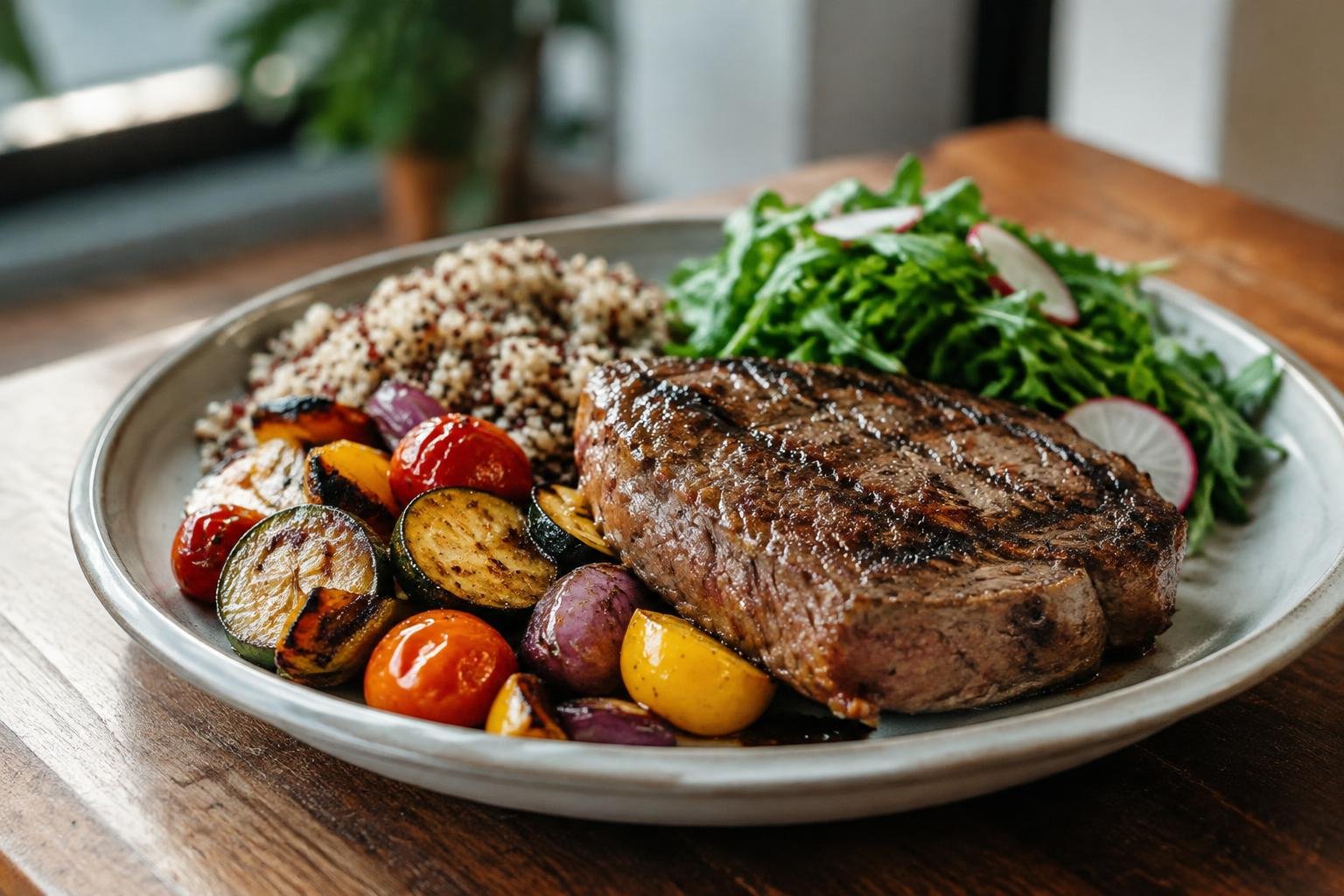
Beef can fit into a balanced meal without turning dinner into a heavy affair. Pair a modest portion of lean steak with roasted vegetables and brown rice, or add strips of beef to a colorful stir fry. You get satisfying protein, while the vegetables and whole grains bring fiber and variety to your plate.
Key Takeaways:
- Choose lean cuts such as sirloin, tenderloin, or eye of round, and trim visible fat before cooking.
- Build a balanced plate with beef, vegetables, and a filling side; try sliced sirloin with roasted peppers and brown rice.
- Use flavorful cooking methods that don’t rely on lots of added fat, such as grilling, broiling, or braising.
- Keep portions in check by serving beef alongside beans, greens, or whole grains rather than making it the whole meal.
- Stretch ground beef in tacos or chili with beans, mushrooms, or chopped vegetables for more variety in each serving.
- Prep beef safely: refrigerate leftovers promptly, and reheat them until steaming hot.
- Healthy beef meals can fit into a varied diet, especially when you rotate them with meals built around fish, eggs, or plant proteins.
What Makes a Beef Meal Healthy, Anyway?
A healthy beef meal starts with proportion, not a pile of rules. Give beef a sensible place on your plate, then make room for vegetables, whole grains, or beans so the meal brings more than protein alone. A bowl with sliced beef, brown rice, and roasted peppers, for example, offers different textures and nutrients without letting any one ingredient take over.
How you build the plate matters, too. A generous serving of buttery potatoes can change the balance of an otherwise lean meal, while a side of steamed greens or a crisp salad adds color and fiber. Keep sauces and added fats in mind, since creamy dressings or lots of oil can quickly make a simple dinner heavier.
Protein, Iron, and Other Nutrients Beef Brings
Beef supplies complete protein, which means it contains all the essential amino acids your body needs from food. That protein supports the maintenance and repair of body tissues, and it can make a meal satisfying alongside vegetables and a grain such as barley. Beef also provides iron in a form your body can absorb readily; iron helps carry oxygen in your blood.
You’ll also get nutrients such as zinc, vitamin B12, and selenium, though the amount varies with the cut and serving. Pair beef with foods that add what it doesn’t bring much of, especially fiber: try a lentil salad, broccoli, or a baked sweet potato. A nutrient rich plate is built from the combination, not beef by itself.
How Much Beef Belongs on Your Plate?
For a practical starting point, picture a cooked portion about the size and thickness of your palm. That visual guide is easier to use than weighing dinner, and it leaves plenty of plate space for sides. A small steak with a heap of green beans and a serving of farro can feel complete without making beef the whole meal.
Your needs and appetite can vary with age, activity, and the rest of your diet, so one portion won’t suit everyone every day. If you’re serving ground beef, use it as an ingredient rather than the entire dish: fold it into bean chili, stuffed peppers, or a tomato sauce with mushrooms. Keep the rest of the meal substantial with produce, beans, or whole grains.
- Add a fruit or vegetable in a color you don’t already have on the plate.
- Choose water or an unsweetened drink beside dinner.
- Use herbs, garlic, or citrus to season without relying on extra salt.
Choosing Beef That’s Lean Without Losing Flavor
A lighter beef meal starts with a cut that suits what you like to eat, not with a promise that every bite will taste the same. The shape of the cut, visible fat, and the amount of trimming you’re willing to do all matter. For example, a well-trimmed sirloin gives you plenty of beefy flavor without the wide fat edge you’ll find on some steaks.
Keep portions in mind, too. A modest piece of beef can still anchor a plate alongside vegetables or grains, while a very large cut may bring more fat than you want. At the store, compare similar cuts side by side and check the package for lean or extra lean wording; those claims follow defined standards, rather than a butcher’s guess.
My Go-To Lean Cuts for Weeknight Cooking
Sirloin is a handy pick when you want a familiar steak flavor and less exterior fat than a ribeye. Top round and eye of round are leaner options, often sold as roasts or steaks; look for pieces with little white marbling if you’re keeping fat down. For a quick beef and vegetable stir fry, flank steak can work well, and you can trim away its thin outer membrane before slicing.
Ground beef gives you another easy weeknight choice, but check the lean to fat ratio on the label rather than relying on color alone. A package marked 90% lean has less fat than one marked 80% lean, though it may feel less rich. If you’re choosing between two cuts, pick the one you’ll enjoy enough to serve in a sensible portion.
Labels, Fat, and What to Look for at the Store
At the meat case, distinguish visible fat from marbling: the first sits along the outside and can usually be trimmed, while the fine white flecks run through the meat. A lean label refers to the product’s fat and calorie levels under regulated criteria, so it’s a useful comparison when packages look similar. “Grass fed” describes how cattle were raised, not a guarantee that the cut is lean.
Choose packages with clear labels, intact seals, and meat that looks fresh, then compare the same type of cut rather than judging a sirloin against ground beef. At home, use a sharp knife to remove thick edge fat and any tough silverskin, the shiny membrane that won’t soften with trimming. Leave a little marbling if flavor matters to you; remove the broad, easy to see strips.
| Cut or label | What to check | Trimming note |
|---|---|---|
| Sirloin | Thin outer fat edge | Trim the edge if you prefer |
| Top round | Little visible marbling | Remove silverskin |
| Ground beef | Lean to fat ratio | No extra trimming needed |
| Lean label | Defined fat and calorie criteria | Still check visible fat |
How to Cook Beef So It’s Tender and Tasty
The cut you choose and the way you cook it work together: lean beef can turn tough if it stays over high heat, while a slower cook can soften a firmer cut. Match the method to the meat, and pay attention as it cooks rather than relying on a fixed time alone.
A few small choices go a long way. Letting beef rest before slicing gives its juices time to settle, and cutting across the grain shortens the muscle fibers so each bite feels easier to chew. Keep a thermometer handy if you’re unsure about doneness, especially with a thick steak.
Grilling, Roasting, and Quick Skillet Methods
For grilling, pat the beef dry and heat the grates well before adding it; a good sear builds flavor without needing a slick of oil. Turn steaks with tongs, then let them rest before slicing across the grain. For a roast, use moderate oven heat and check the center with a thermometer, since thickness and shape affect cooking time. A thin coating of oil is usually enough to help seasonings cling.
A skillet suits quick-cooking cuts such as sirloin strips or flank steak. Heat the pan first, add just a little oil, and cook the beef in batches so it browns instead of steaming in its own juices. For a firmer cut, slice it thinly and cook briefly; for stew meat, use a covered pot with a splash of broth and give it time to soften.
Marinades and Seasonings That Actually Help
A marinade can add flavor and tenderize the surface, especially when it includes an acidic ingredient such as lemon juice, vinegar, or plain yogurt. Combine it with garlic, herbs, or a little soy sauce, then refrigerate the beef while it marinates. Thin steaks need less time than thick pieces, and too much acid for too long can make the outside mushy. Before grilling or searing, wipe off excess marinade so the meat browns rather than burns.
Dry seasonings are an easy option when you want a clean, beefy taste. Salt the meat ahead when you can, then add black pepper, smoked paprika, cumin, or dried thyme just before cooking. A spoonful of mustard or crushed garlic can add plenty of punch without a heavy sauce. Keep these simple cues in mind:
- Use citrus zest for aroma without extra liquid.
- Add fresh herbs after cooking to preserve their fragrance.
- Choose low sodium soy sauce if you’re watching salt.
Healthy Beef Meals I’d Happily Make Again
Good beef dinners don’t need a long ingredient list or a special occasion. You can start with a modest portion of beef, then build the plate around vegetables, beans, whole grains, or potatoes. A squeeze of lime, fresh herbs, or a spoonful of yogurt can bring everything together without making the meal feel heavy.
For an easy weeknight rhythm, pick a flavor direction before you cook: ginger and soy, cumin and tomato, or garlic and rosemary. That small choice makes it easier to pair the beef with ingredients you already have, whether that’s brown rice, cabbage, canned beans, or a bag of spinach.
Colorful Beef Bowls, Salads, and Stir-Fries
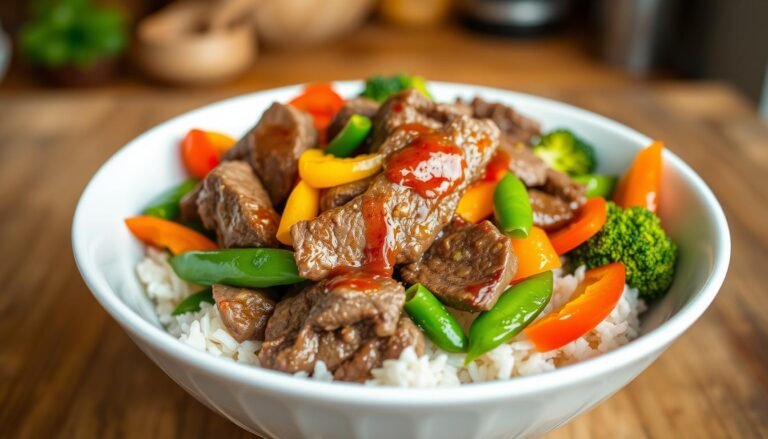
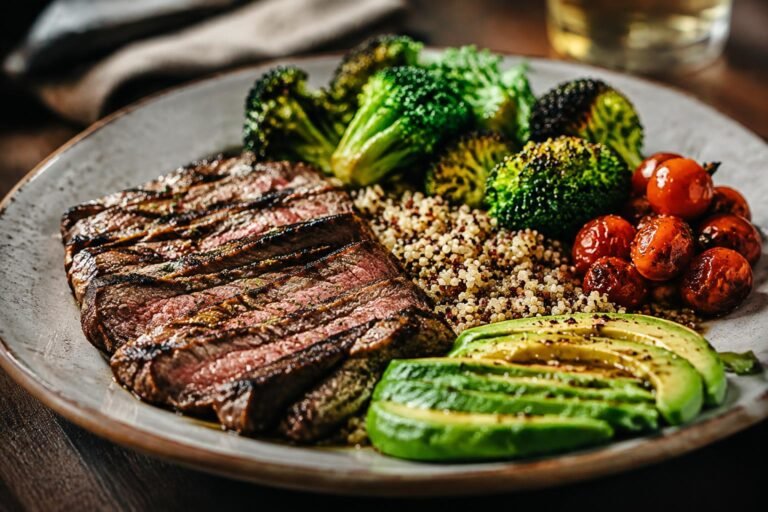
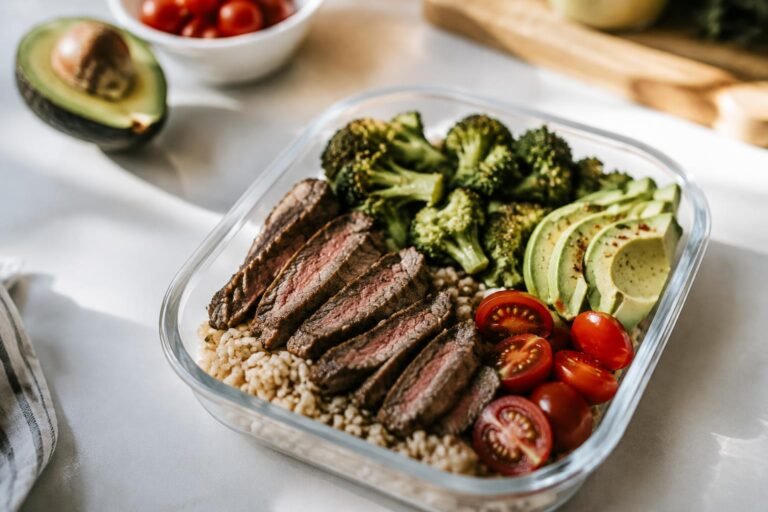
A beef bowl is easy to tailor to what’s in your fridge. Spoon sliced beef over brown rice or quinoa, then add roasted peppers, shredded cabbage, and a few avocado slices. A little salsa or lime dressing gives it plenty of flavor. For a lighter option, use leafy greens as the base and add chickpeas for extra substance.
Stir-fries work well when you want dinner on the table quickly: cook thin strips of beef with broccoli, carrots, and snap peas, then serve them with rice and a modest splash of soy sauce. For a salad, pair warm beef with romaine, tomatoes, cucumber, and corn; a simple vinaigrette keeps the crisp vegetables bright.
| Meal | Vegetable pairing | Serving idea |
|---|---|---|
| Beef bowl | Peppers and cabbage | Brown rice and lime |
| Stir-fry | Broccoli and carrots | Rice with a little soy sauce |
| Beef salad | Romaine and tomatoes | Corn and vinaigrette |
Cozy Soups, Tacos, and One-Pan Dinners
On a chilly evening, add lean ground beef to tomato soup with kidney beans, carrots, and chopped kale. The beans make each bowl more filling, while the greens soften right in the pot. You can season it with cumin and smoked paprika, then serve with whole grain bread for dipping.
Tacos are just as flexible: tuck seasoned beef into corn tortillas with shredded cabbage, pico de gallo, and a spoonful of plain yogurt. Or make a one-pan dinner by roasting beef with potatoes, onions, and green beans, adding the vegetables in pieces that cook at a similar pace. A side of fruit or a crisp salad rounds out either meal.
Meal Prep Without the Guesswork
A simple plan starts with the meals you’ll actually eat. Pick a few beef dishes that share ingredients, then write down how much cooked beef each one needs. For example, roast beef can top a grain bowl one day and fill a wrap the next. Keep raw beef separate from ready to eat foods while you prep, and wash your hands, knife, and board after handling it.
Portioning before cooking makes serving easier, but use a food thermometer rather than judging doneness by color. Cook whole cuts to a safe internal temperature, then let them rest before slicing; ground beef needs to reach 160°F. Set aside clean containers before you start so hot food doesn’t sit out while you search for lids.
Make-Ahead Tips for Busy Weeks
Batch cooking works best when you plan around your schedule, not an idealized week. Brown ground beef for tacos, or roast a small joint for sandwiches, then divide it into portions while it’s still easy to handle. Label containers with the dish and prep date, and keep sauces or crisp toppings separate so they don’t soften the meat or vegetables.
For safer cooling, move cooked beef into shallow containers and refrigerate it within two hours of cooking, sooner if the room is very warm. Don’t leave a large pot on the counter to cool; the center can stay warm long after the surface feels cool. A few practical prep checks can keep the routine tidy:
- Use leakproof containers for raw beef.
- Keep a separate board for produce.
- Label containers before filling them.
- Set out a clean thermometer for cooking.
Leftovers, Fridge Time, and Freezing
Refrigerate cooked beef promptly in covered containers, and use it within three to four days. Keep the fridge at 40°F or below, and store leftovers on a shelf rather than in the door, where temperatures can fluctuate. If you’re not likely to eat a portion in time, freeze it while it’s fresh instead of waiting until the last day.
Freeze beef in meal sized portions, press excess air from freezer bags, and write the date and contents on each package. Thaw it in the refrigerator, not on the counter; a sealed portion can also thaw in cold water if you change the water every 30 minutes. Reheat leftovers to 165°F, checking the thickest part with a thermometer. Gravy or a splash of broth can help sliced beef stay moist as it warms.
The Real Deal About Beef and a Balanced Diet
Beef can fit into a range of eating patterns, whether you build meals around grains, vegetables, or foods that suit a lower carbohydrate approach. Your overall choices matter more than making one ingredient carry the whole meal. For instance, pair a modest serving of beef with roasted vegetables and brown rice, or add sliced beef to a salad with beans and avocado.
Your health goals can shape the details. If you’re watching saturated fat, choose lean cuts and trim visible fat; if you need filling meals, combine beef with fiber rich foods such as lentils, vegetables, or whole grains. You don’t have to eat beef at every meal to enjoy its protein and nutrients. A varied plate leaves room for other protein sources, too.
How Often Should You Eat Beef?
There isn’t one schedule that suits everyone. Your overall diet, health needs, and preferences all play a part, so think in terms of variety across the week rather than a fixed rule. You might serve beef in a chili one night, then choose eggs, beans, fish, or chicken on other days. That mix keeps meals interesting while spreading your protein choices around.
For a practical check, look at how beef fits beside vegetables, whole grains, and other foods you eat regularly. If beef shows up often, try smaller portions or swap in chickpeas for part of the meat in tacos or pasta sauce. People with specific health concerns can ask a registered dietitian or clinician for advice tailored to their needs.
Easy Swaps for More Variety
Small substitutions can change a familiar meal without requiring a new recipe. Replace some of the ground beef in a tomato sauce with lentils, or use black beans alongside beef in a burrito bowl. You’ll still get the savory flavor, while adding another source of protein and fiber. For a stir fry, switch between thinly sliced beef and tofu, keeping the same vegetables and sauce.
These swaps work best when they match the dish’s texture and seasoning. Mushrooms add a hearty bite to burgers or meat sauce, while white beans blend smoothly into soups and stews. Try one change at a time: a half beef, half lentil filling in stuffed peppers is an easy place to start.
| Meal | Beef option | Variety swap |
|---|---|---|
| Tacos | Lean ground beef | Black beans with some beef |
| Pasta sauce | Lean ground beef | Lentils mixed into the sauce |
| Stir fry | Thinly sliced beef | Tofu with the same vegetables |


Conclusion
Healthy beef meals come down to choices you can repeat: pick a lean cut, cook it with care, and build the plate around vegetables, beans, or whole grains. A skillet of beef and peppers over brown rice, for example, can be filling without relying on a heavy sauce. You don’t have to make every meal from scratch, either. Cook extra beef once, then use it in a salad or wrap the next day.
Keep portions comfortable, season with herbs, garlic, citrus, or spices, and let flavor come from the ingredients rather than excess salt or rich toppings. Your needs and preferences may differ, so adjust the cut, sides, and serving size to suit your routine. A practical meal is one you’ll actually enjoy making again, whether that’s a quick beef and vegetable stir fry on a busy night or a simple roast with carrots on the weekend.