Chicken Healthy Dinner Bowls
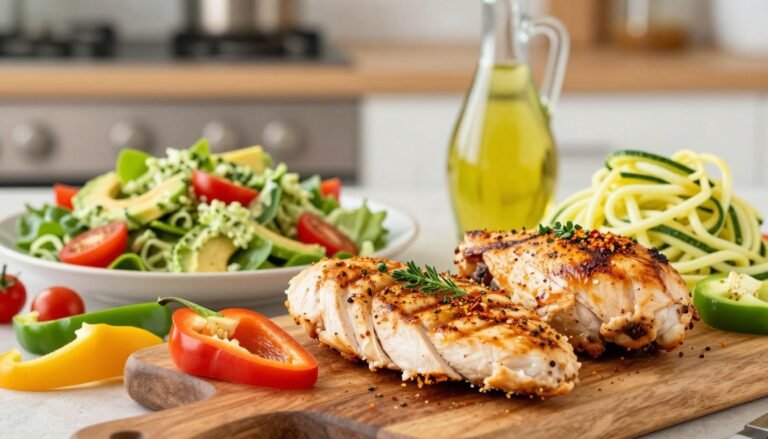
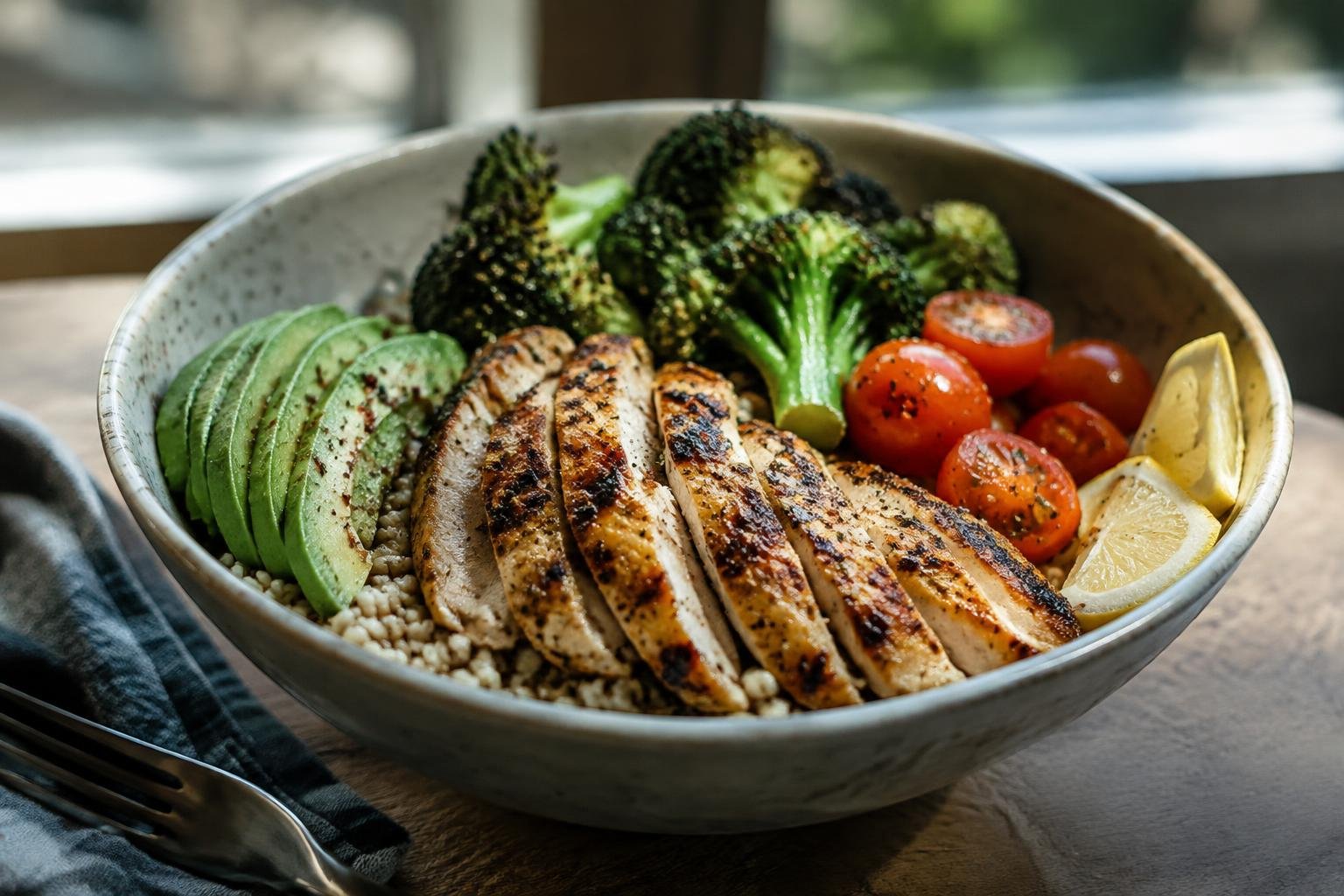
A satisfying dinner bowl can start with tender chicken, warm brown rice, crisp vegetables, and a spoonful of yogurt sauce. You get a flexible meal that brings protein, grains, and produce together without demanding a complicated recipe. Use what’s already in your kitchen: leftover roast chicken works just as well as freshly cooked breast.
Key Takeaways:
- A satisfying chicken dinner bowl pairs protein with vegetables, a filling base, and a flavorful sauce. Try roasted chicken with brown rice, broccoli, and lemon yogurt sauce.
- Build in variety with easy flavor combinations: salsa, black beans, and corn for a Tex-Mex bowl, or cucumber, tomatoes, and hummus for a Mediterranean-style one.
- Keep chicken juicy by cooking it until it’s done, then letting it rest before slicing. Prep the grains and vegetables ahead, and add fresh toppings or sauce just before serving.
What Makes a Chicken Dinner Bowl Actually Healthy?
A healthy bowl gives you enough protein to feel satisfied, plus fiber rich foods that keep the meal substantial. Portion size matters, too: a mountain of greens with a few bites of chicken may leave you hungry, while oversized servings can crowd out variety. Aim for a bowl that feels like a complete dinner, not a side dish dressed up as one.
Your appetite, activity, and the rest of your day all affect what feels like enough. If you’ve been on your feet for hours, you may want a heartier serving; after a lighter day, a smaller bowl might suit you. Pay attention to how you feel afterward. Steady energy and comfortable fullness are better guides than a rigid formula.
Lean chicken and other protein options
Chicken breast is a lean, versatile choice, but it isn’t the only way to build a protein rich bowl. Thigh meat has a little more fat and a fuller flavor, which can make a modest portion feel satisfying. Either cut works; choose the one you enjoy and cook it without relying on a heavy coating or a pool of oil.
For variety, try cooked beans, lentils, tofu, or a hard boiled egg alongside or instead of chicken. These options bring different textures, and beans and lentils add fiber as well as protein. If you’re using canned beans, rinse them first to wash away some of the salty liquid. A bowl with chickpeas and chicken can be especially filling without needing an oversized portion of either.
Whole grains, vegetables, and healthy fats
Whole grains such as brown rice, barley, or quinoa add fiber and make the bowl feel like dinner. You don’t need a huge scoop: enough to complement the chicken and vegetables is often plenty. For a different texture, roasted sweet potato can take the place of grains, while a handful of greens adds freshness and crunch.
Vegetables bring color, volume, and fiber, so mix cooked and raw options if that suits your taste. Think roasted broccoli with crisp cucumber, or sautéed peppers with shredded cabbage. A small amount of unsaturated fat, from avocado, tahini, or olive oil, rounds out the meal and adds richness. Keep an eye on creamy dressings and oily toppings; a spoonful can add plenty of flavor without taking over the bowl.
- Choose plain grains with no added seasoning packet.
- Roast vegetables until tender with browned edges.
- Use unsalted nuts or seeds for a crisp topping.
My Go-To Formula for Building a Bowl
A bowl comes together quickly when you choose each part for a reason, rather than piling on whatever’s nearby. You’re aiming for a mix that feels satisfying, tastes good together, and fits the meal you want. Start with a few dependable options in the fridge or pantry, then swap ingredients as needed: brown rice can stand in for quinoa, and roasted vegetables can replace crisp ones. Keep the components distinct while you assemble them, so you can adjust the balance before adding sauce.
Think of the bowl as a flexible template, not a recipe you have to follow exactly. If your chicken is already seasoned, choose simpler vegetables and a lighter sauce; if the vegetables are plain, a more assertive dressing can bring the meal together. A handful of familiar ingredients is plenty. The combinations below give you a practical starting point.
Pick a base, protein, vegetables, and sauce
Choose a base first, since it gives the other ingredients somewhere to land. Rice, farro, quinoa, or greens all work, and you can use what you’ve already cooked. Add chicken next, whether it’s a sliced breast, a thigh, or leftover roasted pieces. Then fill out the bowl with vegetables: try broccoli and carrots for a warm bowl, or cucumber and shredded cabbage for a crisp one. You don’t need a long ingredient list; two vegetables can bring plenty of color and texture.
Finish with a sauce that ties the components together, using enough to coat a few bites without leaving a puddle at the bottom. A yogurt based dressing, vinaigrette, or tahini sauce can each work with chicken and vegetables. Keep wet ingredients separate until serving if you want greens or crunchy vegetables to stay crisp. For example, layer rice, chicken, roasted broccoli, and sliced cucumber, then add sauce just before eating.
| Component | Options | Simple example |
|---|---|---|
| Base | Rice, quinoa, greens | Brown rice |
| Protein | Chicken breast or thigh | Sliced cooked chicken |
| Vegetables | Roasted or crisp | Broccoli and cucumber |
| Sauce | Yogurt, vinaigrette, tahini | Yogurt dressing |
Keep portions balanced without overthinking it
Build the bowl so chicken and vegetables take up most of the space, with a comfortable scoop of grains or another base alongside them. You don’t need to weigh every ingredient. A useful visual check is to make the vegetables a generous part of the bowl, add a serving of chicken about the size of your palm, and use enough rice or quinoa to satisfy you without crowding out everything else. Your appetite and activity can shift from day to day, so let the portions shift, too.
Pay attention to what makes the meal filling. If a small scoop of rice leaves you hungry, add more; if the bowl already has beans or a substantial sauce, you may want less. Keep toppings modest when they’re rich, since cheese, nuts, and creamy dressings can add up quickly. A weeknight bowl with chicken, a large serving of vegetables, and a scoop of rice is a solid starting point, not a rule you have to obey.
Flavor Combos I Honestly Keep Coming Back To
Your bowl can lean bright and briny, smoky and hearty, or somewhere in between. I like choosing one clear flavor direction, then letting the vegetables and grains add contrast rather than crowding every bite with competing sauces. A squeeze of lemon can wake up a mellow bowl; a spoonful of salsa brings a sharper, livelier note.
These combinations are easy to adjust to what sounds good that day. Pick the Mediterranean mix when you want something crisp and tangy, or go Southwest for creamy avocado, sweet corn, and a little heat. Either way, you get distinct flavors in every forkful.
Mediterranean chicken with grains and crunchy vegetables
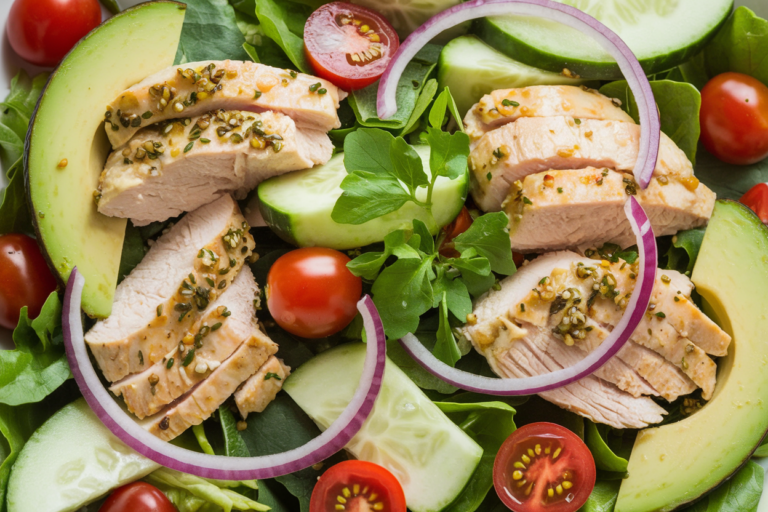
For a fresh, savory bowl, pair chicken with farro or brown rice, chopped cucumber, cherry tomatoes, and thinly sliced red onion. Add a few olives and a crumble of feta for salty, briny notes, then finish with lemon and a spoonful of tzatziki. The cool cucumber and creamy yogurt give each bite a nice counterpoint to warm grains.
Want more crunch? Toss in shredded romaine or sliced radishes, which stay crisp alongside the softer grains. A little chopped parsley or dill brings a clean, herby finish without making the bowl taste heavy. If feta and olives already bring plenty of salt, keep the dressing bright with lemon rather than adding more salty toppings.
Southwest chicken with beans, corn, and avocado
When you’re after something hearty with a little kick, layer chicken over rice with black beans, corn, and diced avocado. Add pico de gallo or a spoonful of salsa for juicy acidity, then scatter over cilantro and a squeeze of lime. The beans make the bowl feel substantial, while avocado softens the smoky, spicy flavors.
For a sharper edge, add pickled jalapeños; for extra crunch, try shredded cabbage or crushed tortilla chips just before serving. A spoonful of plain yogurt can cool things down if your salsa runs hot. You can also swap in quinoa for rice and keep the same toppings, letting the corn’s sweetness balance the beans and lime.
- Try fresh mint with cucumber and lemon.
- Add cotija for a salty Southwest finish.
- Use roasted red peppers for a sweet, smoky note.
How to Cook Chicken That Stays Juicy
Juicy chicken comes down to even thickness, steady heat, and knowing when to stop cooking. For a bowl, boneless, skinless thighs are forgiving, while breasts cook leaner and benefit from a little extra care. If one end of a breast is much thicker than the other, gently pound it to an even thickness so the thin end doesn’t dry out before the center is done.
Keep raw chicken and its juices away from ready to eat ingredients, and wash your hands and utensils after handling it. A clean thermometer takes the guesswork out of cooking; check the thickest part rather than relying on color alone. Then give the cooked chicken a short rest before slicing, so the juices don’t run straight onto the cutting board.
Seasoning and cooking without drying it out
Pat the chicken dry before seasoning; moisture on the surface can slow browning. A simple mix of salt, pepper, paprika, and garlic powder works well, or add lemon zest and dried oregano for a brighter flavor. If you’ve got time, salt the chicken shortly before cooking and keep it refrigerated until it’s ready for the pan. Don’t leave raw poultry sitting out to warm up.
Heat a lightly oiled skillet over medium to medium high heat, then add the chicken without crowding the pan. Let it brown before turning, and lower the heat if the spices start to scorch. A thick breast may need gentler heat after its first sear; thighs can handle a little more cooking without drying out. Use a thermometer to confirm safe doneness rather than cutting into the meat to check.
Checking doneness and slicing for bowls
Insert an instant read thermometer into the thickest part of each piece, keeping the tip away from the pan or bone. Chicken is safe when it reaches 165°F (74°C). Check every piece, since smaller cuts may finish before larger ones, and return any underdone chicken to the heat. Color and clear juices aren’t dependable substitutes for a temperature reading.
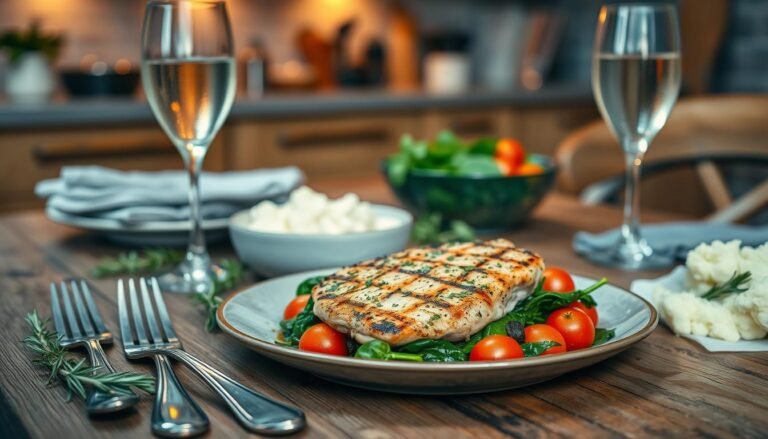
Once the chicken reaches temperature, transfer it to a clean plate and let it rest for a few minutes. Slice breasts across the grain into strips, which makes each bite easier to chew, and cut thighs into bite sized pieces. If you’re using the chicken hot, slice just before it goes into the bowl; a sharp knife helps keep the pieces neat instead of tearing the meat.
| Cut | Cooking approach | What to check |
|---|---|---|
| Chicken breast | Sear, then lower the heat if needed | 165°F (74°C) at the thickest point |
| Chicken thigh | Cook over steady medium heat | 165°F (74°C) at the thickest point |
| Any cut | Rest briefly before slicing | Clean plate and knife for serving |
Make-Ahead Bowls That Still Taste Good
A little planning can turn tomorrow’s lunch into a quick assembly job instead of another cooking session. Set aside a few minutes after dinner to portion the parts that hold up well, and keep the finishing touches separate so they stay fresh.
Think about how you’ll reheat each bowl, too. A sealed container of chicken and rice warms evenly, while crisp toppings and cool sauces are better added just before you eat. Small choices like these keep a make-ahead meal appetizing on a busy day.
What to prep ahead and what to add later
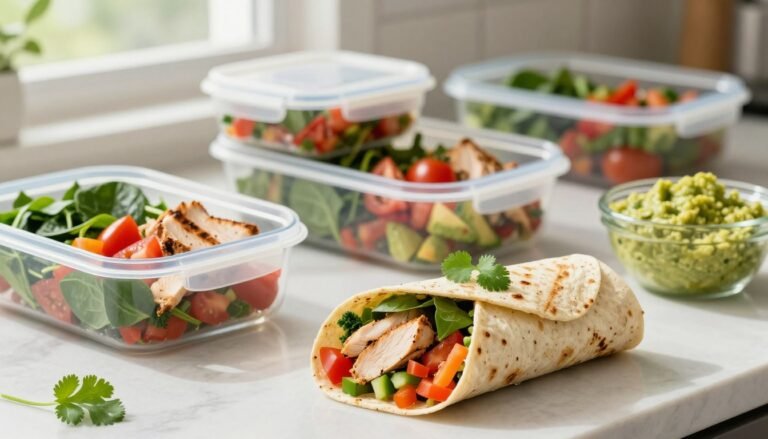
Cook the chicken, grains, and sturdy vegetables ahead, then let them cool before portioning. Roasted broccoli, sautéed peppers, and brown rice can share a container if you’re planning to heat them together; keep the chicken in pieces that are easy to portion without drying out. A little sauce in a separate cup gives you more control at lunchtime.
Save ingredients that lose their texture for the last minute. Add sliced avocado, chopped herbs, crunchy cabbage, or toasted seeds after reheating, and keep leafy greens away from warm ingredients until serving. For a workday lunch, pack lemon wedges or a small dressing container in the same bag, not poured over the bowl overnight.
Safe storage and reheating basics
Get cooked food into the refrigerator within two hours, using shallow containers so it cools faster. Keep your fridge at 40°F (4°C) or colder, and use refrigerated leftovers within three to four days. If you won’t eat a portion in that window, freeze it promptly in a freezer-safe container and label it with the date.
Reheat only the portion you plan to eat, covered, until it reaches 165°F (74°C) throughout; stir rice or vegetables halfway through so cold spots don’t linger. In a microwave, a splash of water can keep grains from turning stiff. Let the bowl stand briefly, check the center with a food thermometer, then add the chilled toppings.
- Choose leakproof containers for sauces.
- Pack a fork or spoon before leaving home.
- Use freezer-safe labels that won’t smear.
Easy Swaps for Your Goals and What’s in the Fridge
Your bowl doesn’t need a fixed recipe to feel complete. Keep the chicken, then swap the base, vegetables, or toppings to suit what you have and what sounds good. A spoonful of salsa can stand in for a creamy dressing; leftover roasted carrots can take the place of fresh peppers. If you’re adjusting a bowl for someone else, serve ingredients separately so each person can choose their own mix.
Small changes can shift the texture and flavor without adding much work. Use lemon juice and herbs for a brighter finish, or add toasted seeds for crunch. The options below show how to make those swaps work for different preferences and for the odds and ends already in your kitchen.
Lower-carb, higher-fiber, and vegetarian-friendly options
For a lower-carb bowl, replace rice with shredded cabbage, cauliflower rice, or crisp lettuce, then add cucumber or roasted zucchini for substance. If you want more fiber, choose beans, lentils, or quinoa as part of the base, and include vegetables such as broccoli or Brussels sprouts. You can keep a smaller scoop of rice alongside them if you like its softer texture. A tahini and lemon dressing pairs well with both warm grains and crunchy greens.
For a vegetarian bowl, swap the chicken for baked tofu, chickpeas, or a jammy egg. Season tofu with the same spices you’d use for chicken, or warm chickpeas with paprika and a little olive oil. Check that your dressing and toppings fit your needs, too: yogurt sauce may not suit a dairy free meal, while pumpkin seeds add crunch without relying on cheese. Mix and match based on what’s in your pantry.
| Preference | Try this swap | Good pairing |
|---|---|---|
| Lower carb | Cauliflower rice or shredded cabbage | Cucumber and lemon dressing |
| More fiber | Lentils or chickpeas | Roasted broccoli |
| Vegetarian | Baked tofu or spiced chickpeas | Tahini sauce and greens |
Quick ways to use leftover vegetables and grains
Leftover vegetables can go straight into a bowl, but a quick warm-up often brings them back to life. Toss roasted squash or green beans in a skillet with a splash of water, or serve sliced cucumbers and tomatoes cold for a fresh contrast. If you’ve got just a handful of vegetables, chop them small and mix them through the grains rather than treating them as a separate side. A little chopped parsley or scallion can sharpen the whole bowl.
Cold rice, quinoa, or farro works well, too. Warm it with a spoonful of water and cover the pan briefly, or keep it chilled and pair it with crunchy vegetables and a tangy dressing. For a fast lunch, fold leftover corn and black beans into rice, then top with chicken and salsa. Use cooked grains within the safe storage window recommended for your refrigerator, and reheat leftovers until steaming hot.



Final Words
A chicken dinner bowl can be filling, flavorful, and balanced without turning dinner into a project. Start with juicy chicken, add a grain or potato, then pile on vegetables and a sauce you enjoy. Roasted broccoli with brown rice and lemon yogurt makes one easy combination; shredded cabbage, corn, and salsa work well when you want something brighter. Adjust the portions to suit your appetite, and use what’s already in your fridge rather than chasing a perfect ingredient list.
For busy evenings, cook extra chicken and grains so tomorrow’s bowl comes together quickly. Keep crisp toppings and sauces separate until serving, and reheat the chicken gently so it stays tender. A handful of greens, leftover roasted vegetables, or a spoonful of beans can change the flavor and texture without much effort. Your best bowl is the one you’ll actually want to make again.