Vegan Quick Healthy Meals
When your day’s packed, a nourishing vegan dinner doesn’t have to mean a long recipe or a pile of dishes. You can turn canned chickpeas, frozen vegetables, and leftover rice into a satisfying bowl in minutes. With a few simple ingredients and smart shortcuts, you can get a balanced meal on the table without relying on takeout.
Key Takeaways:
- Build meals around a plant protein, such as canned chickpeas, tofu, or lentils, to make a quick dinner more filling.
- Keep useful staples on hand: frozen vegetables, whole grains, canned beans, and a simple sauce can turn into a meal with little prep.
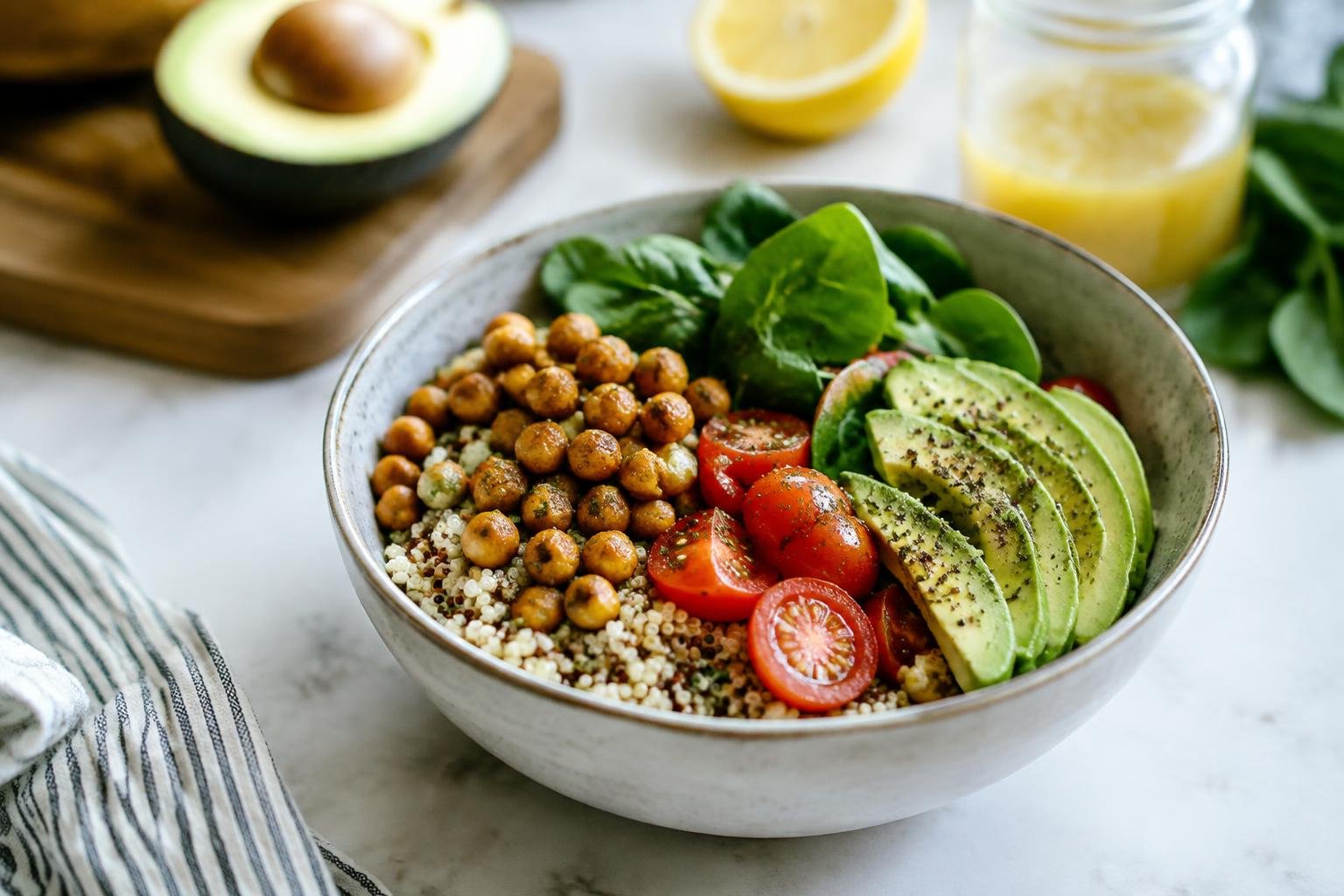
- Try easy combinations like tofu with frozen broccoli and rice, or chickpeas tossed with greens and lemon. A few flexible ingredients go a long way.
What Makes a Vegan Meal Quick, Healthy, and Filling?
A satisfying meal doesn’t need a long ingredient list or a complicated plan. You’re aiming for a mix that gives you energy, keeps hunger at bay, and tastes good enough to make again. Think about what’s on your plate: a source of plant protein, fiber-rich foods, and produce in a range of colors. Portions matter, too. A bowl of greens with a few beans may look substantial, but it can leave you hungry an hour later.
Quick cooking works best when each part has a clear job. Lentils can bring protein and fiber; brown rice adds substance; peppers or spinach contribute color and texture. A little tahini or avocado can make the meal more satisfying. The right balance depends on your appetite and the rest of your day, so use these pieces as a guide, not a rigid formula.
Build around protein, fiber, and colorful produce
Start with a plant protein you enjoy, such as chickpeas, tofu, edamame, or lentils. Then add a fiber-rich base, like oats, barley, whole grain bread, or a baked potato. That pairing gives your meal more staying power than a plate built mostly from refined grains. For instance, a baked potato topped with lentils and steamed broccoli brings together protein, fiber, and a green vegetable without complicated cooking.
Colorful produce fills in flavor and nutrients, so mix shades when you can: red tomatoes, orange carrots, dark leafy greens, or purple cabbage. Fresh, frozen, and canned options can all fit; what matters is choosing vegetables you’ll actually eat. If your lunch is tofu and brown rice, add frozen peas and a handful of shredded cabbage for color, crunch, and fiber.
Keep an eye on satisfying portions
A meal can be nutritious yet too small to hold you until your next break. Give your plate enough substance: a generous serving of vegetables, a noticeable portion of protein, and a satisfying base such as rice, pasta, or potatoes. If you often feel hungry soon after eating, check whether the meal has enough beans or tofu, rather than simply adding more leafy greens.
Fats can also make a plant-based meal feel more complete, since they add richness and help carry flavor. A spoonful of peanut butter in a noodle bowl, a drizzle of olive oil over beans, or a few slices of avocado can do the job. Adjust portions to your appetite; a smaller dinner after a late lunch may suit you, while an active day might call for another scoop of rice.
| Meal component | Examples | What it adds |
|---|---|---|
| Plant protein | Tofu, lentils, chickpeas | Protein and staying power |
| Fiber-rich base | Brown rice, oats, potatoes | Substance and lasting energy |
| Colorful produce | Spinach, carrots, tomatoes | Color, texture, and fiber |
| Satisfying fat | Tahini, avocado, olive oil | Richness and a fuller feel |
My Go-To Pantry and Fridge Staples
A well-stocked kitchen makes a busy evening feel less like a scramble. Keep ingredients you genuinely enjoy within reach, and you won’t have to depend on a special trip to the store for a nourishing meal. Choose a few reliable basics, then add flavors that suit your tastes: a jar of tahini if you like creamy sauces, or lemons for a bright finish.
You don’t need a pantry packed with every plant-based product on the shelf. A short, familiar list is easier to restock and more likely to get used before anything goes stale. Check labels on packaged foods for added salt, and keep opened ingredients easy to spot in the fridge.
- Keep nutritional yeast sealed tightly after opening.
- Store nuts and seeds in the fridge to protect their flavor.
- Label containers of cooked grains with the date.
Beans, lentils, tofu, and whole grains
Canned beans are handy because they’re already cooked; rinse them under cool water if you’d like to reduce their salty taste. Chickpeas, black beans, and white beans each bring a different texture, so keep the varieties you reach for most. Red lentils cook quickly on the stovetop, while canned lentils are useful when you don’t want another pot to watch.
For tofu, choose the texture that fits your preference: soft tofu works well in creamy dishes, while firm or extra firm tofu holds its shape. Pressing firm tofu helps remove excess water, but it’s optional for many everyday meals. Brown rice, quinoa, oats, and whole wheat couscous give you grain options with different cooking times. Check package directions and keep dry grains in airtight containers.
Frozen veggies, greens, sauces, and spices
Frozen vegetables are picked and frozen for storage, so you can keep peas, spinach, broccoli, or mixed vegetables on hand without worrying that they’ll wilt by the end of the week. They’re often ready to use straight from the freezer. Bagged greens are another practical staple; choose sturdy kale or baby spinach if you want leaves that can handle a warm dish.
A few well-liked condiments can bring variety without crowding your fridge: soy sauce or tamari, mustard, salsa, and a jar of curry paste are useful examples. For spices, start with cumin, smoked paprika, chili flakes, and garlic powder, then add others you use often. Check curry paste and bottled sauces for ingredients such as fish sauce, which can appear in products that otherwise look plant based.
How I Put Dinner Together in 20 Minutes
I start by checking what needs the longest cooking time, then get it going before anything else. While rice simmers or a pan heats, you can rinse greens, slice an onion, and open a can of beans. Keep the knife work simple: thinly sliced vegetables cook faster than chunky ones, and frozen peas can go straight into a hot pan. A timer helps, too. Set one for the grain and another for any vegetables that need a quick sauté, so you’re not guessing while dinner comes together.
Next, build flavor with ingredients that don’t need much attention. Garlic, lemon, chili flakes, or a spoonful of curry paste can turn basic beans and vegetables into a satisfying meal. Keep a lid nearby; covering a skillet briefly softens broccoli or peppers without extra cooking time. If you’re waiting for one ingredient to finish, use those minutes to clear the cutting board or warm bowls. The goal is steady progress, not rushing every task at once.
Use one-pan and one-pot shortcuts
A wide skillet gives you room to cook vegetables and beans together, which means fewer dishes and less time shuffling between burners. Start with firm vegetables such as carrots or broccoli, add a splash of water, and cover the pan for a few minutes. Once they’re nearly tender, stir in canned chickpeas, spinach, and a quick sauce made with tahini and lemon. The greens wilt as the chickpeas warm. You can serve the mixture over toast or a microwave warmed grain, with the skillet doing most of the work.
For a one-pot dinner, cook pasta in just enough water to leave a little starchy liquid, then add frozen peas near the end. Stir in white beans, olive oil, black pepper, and lemon zest; the beans heat through while the pasta finishes. A heavy pot holds heat well, so you won’t need to keep adjusting the burner. Choose a pot large enough to stir comfortably, and you’ll avoid pasta spilling over when you add the vegetables.
| Shortcut | What goes in first | Quick finish |
|---|---|---|
| Skillet | Firm vegetables | Chickpeas and spinach |
| One pot | Pasta and water | Peas, white beans, lemon |
| Covered pan | Broccoli with a splash of water | Tofu or beans and sauce |
Prep grains and proteins ahead
Cook a batch of brown rice, quinoa, or farro when you have a quieter stretch, then cool it promptly and store it in a covered container in the fridge. At dinner, you can warm a portion in a skillet with a spoonful of water while vegetables cook beside it. For a fast bowl, pair rice with edamame, shredded cabbage, and soy sauce; the edamame heats quickly, and cabbage needs little more than a quick toss. Chilled grains also work well in a hot pan, where they pick up flavor from garlic or ginger.
You can make tofu easier to use by pressing it ahead and storing it ready to slice, or roast a tray of cubes while you’re already using the oven. Canned lentils and beans are another useful head start: drain them, rinse away excess salt, and keep them chilled in a sealed container if you won’t use the whole can. Add them to a pan near the end so they warm without turning mushy. When cooked grains and a ready protein are waiting, dinner’s main task is seasoning and heating.
Quick Vegan Meals I Actually Make
Some meals earn a regular place in your kitchen because they’re quick without feeling like a shortcut. You can build them around familiar ingredients, keep the cooking simple, and still end up with something you’ll look forward to eating. A ripe banana and peanut butter can carry breakfast; a can of beans can turn a plain lunch into a proper meal.
For dinner, a hot pan and a few well chosen ingredients go a long way. Think crisp vegetables, a filling base, and a sauce that brings everything together. Here are the combinations I reach for on busy days, from mornings when you need to leave soon to evenings when you’d rather not spend much time at the stove.
Fast breakfasts and packable lunches
When you need breakfast in a hurry, stir rolled oats with soy milk, chia seeds, and a spoonful of peanut butter the night before. In the morning, add sliced banana or berries and take the jar with you. If you’ve got a little more time, mash avocado onto toast and add white beans, lemon, and black pepper for a savory start that doesn’t rely on a complicated recipe.
For lunch, tuck hummus, shredded carrot, cucumber, and greens into a whole grain wrap. Add leftover roasted vegetables if you have them, then roll it tightly so it travels without making a mess. A lentil salad also packs well: toss cooked lentils with chopped tomatoes, parsley, olive oil, and vinegar, and keep the dressing light enough that the vegetables stay fresh.
- Pack a spoon with overnight oats.
- Wrap lunch in parchment before slicing.
- Keep lemon wedges beside lentil salad.
Weeknight bowls, wraps, and stir-fries
For a fast bowl, spoon warm rice into a dish and top it with edamame, shredded cabbage, and cubed tofu. A little soy sauce, rice vinegar, and sesame oil makes a quick dressing; add chili crisp if you like heat. Frozen edamame is handy here because it cooks in minutes while the rice warms, and the cabbage adds crunch without needing a separate pan.
On another night, fill tortillas with black beans, sautéed peppers, and salsa, then fold them into quick wraps. Or stir-fry broccoli, mushrooms, and tofu over high heat, adding garlic and a splash of soy sauce near the end so the vegetables stay bright. Serve the stir-fry with noodles or rice, whichever you already have ready. Dinner can be simple and still feel complete.
Make These Meals Work for You
A quick meal should fit the way you actually eat, not ask you to buy a specialty ingredient for one recipe. Start with a simple base, such as rice, toast, noodles, or a baked potato, then add a protein and vegetables you enjoy. If a recipe calls for an ingredient you don’t have, swap in something with a similar role: chickpeas for beans, spinach for kale, or lemon juice for vinegar. Small changes can make dinner easier to pull together and more appealing on a busy night.
Your needs may shift from day to day, too. You might want a milder sauce, a gluten free grain, or a meal that packs well for lunch. A few flexible choices keep the same basic meal useful without making it feel repetitive. The table offers practical swaps to try.
| Need | Try | Example |
|---|---|---|
| Milder flavor | Reduce chili or sharp seasoning | Use smoked paprika instead of chili flakes |
| Gluten free | Choose a naturally gluten free base | Serve lentil curry over rice |
| More protein | Add beans, tofu, or lentils | Fold edamame into a noodle bowl |
| Lower cost | Use seasonal or frozen vegetables | Swap fresh peppers for frozen mixed veg |
Adjust ingredients to suit your taste
Start by changing the seasoning, since that’s often the easiest way to make a meal feel like yours. If a bean bowl tastes flat, add lemon juice or a spoonful of salsa; if it’s too sharp, stir in tahini or a little coconut milk. You can also adjust texture. Roast chickpeas for a crisp topping, or mash some into a stew to make it thicker without adding cream.
For dietary needs, swap the ingredient rather than abandoning the whole meal. Use tamari in place of soy sauce if you need a gluten free option, and choose rice noodles instead of wheat noodles. If you avoid soy, white beans can add substance to a tofu style stir fry. Taste as you go, especially with salty sauces, and add only a little at a time.
Keep costs down without skimping on nutrition
Build meals around affordable staples such as oats, potatoes, brown rice, lentils, and dried or canned beans. They’re filling, and they pair well with vegetables in soups, bowls, and wraps. A pot of lentils can become a spiced lunch one day and a filling taco mixture the next, so you’re not buying separate ingredients for every meal.
Frozen vegetables are handy when fresh produce is expensive or likely to go unused. Add frozen peas to pasta, spinach to a curry, or mixed vegetables to fried rice; they need little preparation and bring color and variety. For extra flavor without costly specialty products, keep onions, garlic, vinegar, and a basic spice blend on hand. A baked potato topped with beans, salsa, and greens makes a satisfying meal from simple ingredients.


To wrap up
Quick, healthy vegan meals don’t need a complicated plan or a long list of ingredients. You can turn canned beans, frozen vegetables, grains, and a simple sauce into a filling dinner with little fuss. Try chickpeas with spinach and curry spices, or toss black beans, corn, and rice together with salsa. Keeping a few dependable staples on hand gives you options when the day runs late, while fresh herbs, lemon, or crunchy seeds add an easy finishing touch.
Your routine can stay flexible: cook extra rice for tomorrow’s lunch, swap lentils for beans, or use whatever vegetables need eating first. Aim to include a source of protein, a satisfying grain or potato, and vegetables, then adjust the seasoning to suit your taste. Start with one meal you already enjoy and make it plant based; a quick tofu stir fry or a hearty bean wrap can be a practical first step. Before long, you’ll have a handful of reliable dinners that fit your schedule and your kitchen.