Healthy Balanced Desserts
A dessert can satisfy your sweet tooth and offer more than a quick hit of sugar. When you pair ingredients such as ripe fruit, yogurt, nuts, or oats, you get a treat with flavor and staying power. Think baked apples with cinnamon and walnuts: still sweet, but balanced with fiber, protein, and a little crunch.
Key Takeaways:
- A balanced dessert can pair something sweet with filling ingredients, like Greek yogurt with berries and a sprinkle of granola.
- Fruit, nuts, oats, and yogurt can add flavor and texture without making dessert feel like a compromise. A baked apple with cinnamon and chopped walnuts is an easy place to start.
- Keep the treat enjoyable and the portion comfortable. A small square of dark chocolate alongside fresh strawberries can be dessert enough.
What Makes a Dessert Balanced, Anyway?
A balanced dessert gives you more than a quick hit of sweetness: it brings together nutrients that can make a treat feel satisfying. That doesn’t mean every bite needs a perfect ratio or a nutrition label’s worth of planning. Think about what’s on the plate and how it fits after a meal, during an afternoon break, or alongside a cup of tea.
Pairing ingredients thoughtfully can make dessert feel enjoyable and substantial without turning it into a math problem. A bowl of fruit with yogurt, for example, offers a different mix of nutrients than a handful of candy. Neither choice needs a moral label; the useful question is whether your dessert suits your appetite and leaves you content.
A little sweetness, plus fiber, protein, and healthy fats
Sweetness can sit comfortably beside fiber, protein, and unsaturated fats. Fiber from fruit or oats adds texture and takes longer to digest, while protein from yogurt, milk, or beans can make a snack feel more filling. Nuts and seeds bring fats that contribute to satisfaction, too. You don’t need every nutrient in every dessert, but combining a couple can make the experience last beyond the first few bites.
Picture sliced pear with a spoonful of Greek yogurt and a few walnuts. The fruit brings sweetness and fiber, the yogurt supplies protein, and the walnuts add crunch and fat. Or try a small square of chocolate with strawberries and a few almonds. The point isn’t to make dessert behave like a full meal; it’s to notice how different components work together.
Why balance matters more than cutting everything out
Trying to ban sugar or label favorite treats as “bad” can make eating feel tense, and it doesn’t teach you what actually satisfies you. A balanced approach leaves room for a frosted cupcake at a birthday party or a scoop of ice cream after dinner. You can enjoy those foods without needing to compensate later or turn one serving into a rule about what you’re allowed to eat.
Balance is also flexible from day to day. If you’ve had a hearty lunch, a small cookie may be just right; after a long afternoon, you might want fruit with yogurt. Your appetite, routine, and preferences all count. A dessert doesn’t have to check every nutritional box to belong in a healthy pattern, and pleasure is part of satisfaction.
- Choose a serving that feels comfortable, not automatic.
- Notice whether you’re hungry, celebrating, or simply craving a particular flavor.
- Eat slowly enough to enjoy the taste and texture.
- Let one dessert choice stand on its own without “making up for it.”
My Go-To Ingredients for Healthier Desserts
You can make more nourishing choices before you even start measuring: keep a few versatile staples within reach, and dessert doesn’t have to depend on specialty products. A ripe banana, a tub of plain yogurt, or a jar of oats can bring useful nutrients along with familiar flavor and texture.
Think of your pantry and fridge as a set of options, not a checklist. Choose ingredients you enjoy and will actually use, then pay attention to what each one adds: fruit brings sweetness, while nuts offer crunch and satisfying richness. Those small choices make it easier to keep everyday treats enjoyable.
Fruit, whole grains, nuts, and seeds
Fresh, frozen, and dried fruit all earn their shelf space. Mashed banana softens and sweetens naturally, while grated apple adds moisture; frozen berries are handy when fresh ones aren’t in season. Dried fruit is more concentrated, so a small handful of raisins or chopped dates can go a long way. You’ll also get fiber and a range of micronutrients from fruit, though its natural sugars still count toward the overall sweetness of a dessert.
For whole grains, keep rolled oats and whole wheat flour on hand. They contribute fiber and a hearty texture that refined flour often lacks. Almonds, walnuts, chia seeds, and pumpkin seeds bring unsaturated fats, protein, and crunch. Store nuts and seeds in airtight containers, and refrigerate them if you don’t use them often; their oils can turn stale with time.
Yogurt, beans, and other surprisingly useful ingredients
Plain yogurt is a flexible fridge staple: it provides protein and calcium, and its mild tang works in sweet foods without adding much sugar. Choose unsweetened varieties so you can control sweetness yourself. Greek yogurt is thicker than regular yogurt, while a plant based option may have a different protein and calcium content, so check the label if those nutrients matter to you.
Beans might sound like an odd dessert ingredient, but puréed white beans can add creaminess and fiber without a strong flavor. Canned beans are convenient; rinse them well and check that they’re plain, not seasoned. Unsweetened cocoa, nut butter, and ground flaxseed are useful supporting staples too. Cocoa adds deep chocolate flavor, while nut butter and flax contribute richness and texture. A small, well stocked shelf can include oats, cocoa, canned beans, seeds, and a jar of peanut butter.
| Ingredient | What it contributes | Easy pantry or fridge choice |
|---|---|---|
| Fruit | Natural sweetness, fiber, and moisture | Frozen berries or ripe bananas |
| Whole grains | Fiber and a hearty texture | Rolled oats or whole wheat flour |
| Nuts and seeds | Unsaturated fats, protein, and crunch | Walnuts, chia, or pumpkin seeds |
| Plain yogurt | Protein, calcium, and a tangy taste | Unsweetened Greek or regular yogurt |
| Beans | Creaminess and fiber | Rinsed canned white beans |
How to Make Treats That Actually Taste Good
Good flavor comes from more than sweetness. A pinch of salt can sharpen chocolate, while citrus zest brings a bright note to a rich batter. Texture matters just as much: pair a tender crumb with toasted nuts, or add a crisp topping to creamy filling. Small choices like these make each bite feel considered, not like a compromise.
As you adjust a recipe, change one thing at a time and taste as you go. A little vanilla can round out fruit, and cinnamon can make oats taste warmer without adding sugar. Keep an eye on moisture, too: mashed banana, yogurt, and nut butter each affect softness differently. A few practical cues make experimenting easier:
- Toast nuts until fragrant, then cool before chopping.
- Use fine zest, avoiding the bitter white pith.
- Chill dough if it spreads too quickly.
Sweeten thoughtfully without losing the fun
Start by asking what’s already bringing sweetness to the recipe. Ripe pears, dates, and roasted sweet potato can add a rounded flavor, so you may need less added sugar than a recipe suggests. Taste the fruit first; a tart berry needs a different touch than a very ripe peach. And don’t strip sweetness away all at once. A gradual reduction gives you room to notice when the dessert still tastes lively, especially in cocoa based batters where sugar also softens bitterness.
Balance sweetness with contrast. A squeeze of lemon, a pinch of salt, or a spoonful of unsweetened cocoa can keep a dessert from tasting flat. For a fruit topping, let the fruit’s own juices do some of the work, then adjust with a little honey or sugar only if needed. You’re aiming for a clear, pleasant flavor, not a dessert that tastes like a substitute.
Make simple swaps that keep desserts satisfying
Choose swaps that do a job in the recipe, rather than replacing ingredients just to make a dessert seem lighter. Greek yogurt can add moisture and tang to a quick bread, while ground oats bring body to a cookie. If you replace all the butter with applesauce, though, you may lose the rich flavor and crisp edges that make the cookie worth eating. Try changing part of the ingredient first, then check the texture as it bakes.
Keep the parts that give a treat its appeal. A smaller amount of good chocolate can still taste generous when paired with toasted nuts or a little flaky salt. Whole grain flour adds a nutty note, but too much can make a tender cake heavy; mixing it with all purpose flour often keeps the crumb softer. Let each swap earn its place by improving flavor, texture, or both.
Healthy Dessert Ideas I’d Happily Serve
A good dessert can feel like a treat without calling for a complicated recipe or hard-to-find ingredients. You might want something cool after dinner, a warm bake for a rainy afternoon, or a cookie to tuck beside your coffee. Different cravings call for different textures and flavors, so it helps to have a few reliable options in your back pocket.
Think of these ideas as flexible starting points. Swap fruit to match what’s ripe, use the nuts you already have, or add cinnamon when you want a little extra warmth. And if you’re bringing dessert to a get-together, familiar favorites often make everyone feel welcome.
Fruit-forward crisps, parfaits, and frozen treats
For a warm, spoonable dessert, bake sliced apples or berries beneath a crisp topping of oats, chopped nuts, and a little butter. You’ll get soft fruit and a toasty finish in every bite, with no pastry crust to fuss over. A bowl of plain yogurt alongside it adds a cool, tangy contrast.
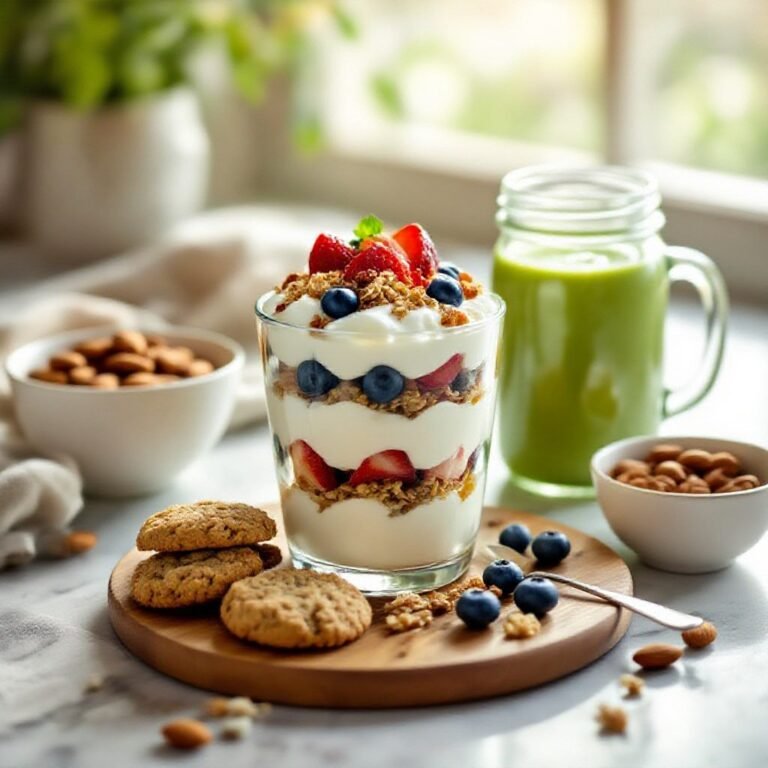
Parfaits suit mornings that turn into something special: layer yogurt with peaches, berries, or diced pear, then scatter granola on top just before serving so it stays crunchy. When the weather calls for something colder, blend frozen banana with cocoa or berries for a creamy, scoopable treat. A few chocolate shavings or crushed pistachios give that simple base a more finished feel.
| Craving | Easy idea | Finishing touch |
|---|---|---|
| Warm and fruity | Apple oat crisp | Plain yogurt |
| Cool and creamy | Yogurt parfait | Granola added at serving |
| Cold and smooth | Blended frozen banana | Cocoa or berries |
Cookies, brownies, and other cozy favorites
When you’re after a familiar bake, oatmeal cookies are easy to make your own with raisins, chopped walnuts, or dark chocolate. Mashed banana or applesauce can add moisture, while a pinch of cinnamon gives the dough a warm, bakery-like scent. You still get a chewy cookie, just with a few more ingredients that bring flavor and texture.
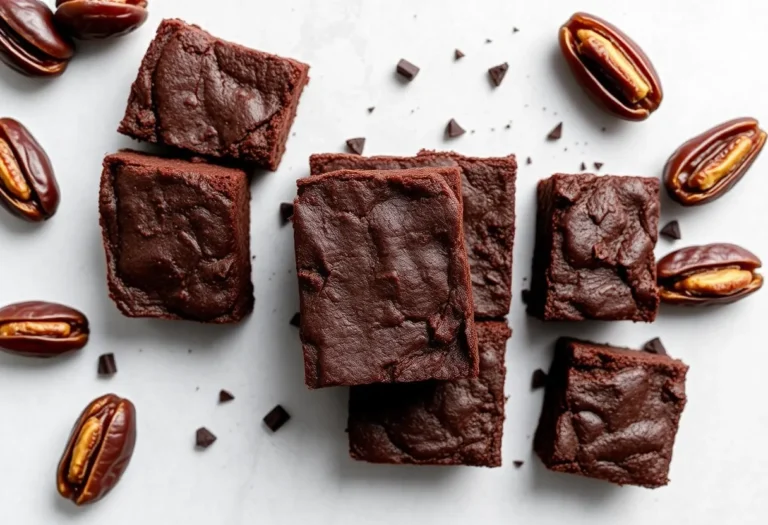
Brownies can be equally welcoming with cocoa, a little espresso powder, and chopped pecans folded into the batter. For a softer, fudgier bite, take them out when the center still has a slight wobble; they’ll continue to set as they cool. And for an especially cozy plate, serve a brownie with sliced strawberries or a spoonful of thick yogurt. Simple, familiar, and just right for sharing.
How Much Dessert Is Enough, Honestly?
A sensible serving isn’t a test you pass or fail. It’s an amount that feels satisfying in the moment and fits comfortably into your day. A small bowl of ice cream after dinner might do the trick; on another evening, you may want a slice of cake and find that’s enough.
Try making your choice deliberately, rather than eating straight from a package while doing something else. Put dessert on a plate, sit down, and give yourself time to enjoy it. There’s no need to compensate for a treat later or label it a “cheat.”
Tune in to hunger and satisfaction
Before you serve dessert, pause and check what you’re feeling. Are you still physically hungry, or are you looking for a sweet taste because it sounds good? Either answer is fine; the point is to notice, so you can choose an amount with intention. If dinner was filling, you might prefer a few bites. If you’re genuinely hungry, a more substantial dessert may feel right.
As you eat, pay attention to when the flavor stops feeling as enjoyable. You don’t have to finish what’s on your plate just because it’s there, and you don’t have to stop at an arbitrary number of bites. A slice of pie can be saved for tomorrow if you’re satisfied halfway through.
Make room for treats in everyday eating
When dessert is allowed to be part of ordinary life, it doesn’t need to become a reward you earn or a food you hide. You can have a cookie with an afternoon coffee or share a brownie after dinner without treating either choice as a setback. That steadier mindset can make it easier to enjoy a portion and move on.
Planning can help, too. If you know you love dessert after Sunday dinner, include it in the meal rather than trying to talk yourself out of it all day. Keep the experience pleasant and simple: serve the cookie on a small plate, or split a bakery tart with someone at the table.
- Choose a seat and put your phone aside.
- Serve dessert on a plate or in a bowl.
- Save leftovers in a container before you start eating.
What If You Have Dietary Restrictions?
A dietary restriction can change which ingredients work, but it doesn’t mean every dessert needs a complicated substitute. Start with the ingredient you need to avoid, then choose a swap that suits the recipe: applesauce may soften a cake, while coconut cream can add richness to a chilled treat. Check packaged ingredients, too, since allergens can turn up in chocolate, baking mixes, and toppings. If you’re baking for someone else, ask what they can safely eat rather than guessing.
Texture and flavor matter just as much as the label. A dependable alternative should fit the job: flaxseed mixed with water can bind muffins, but it won’t behave exactly like whipped egg whites. For a crisp cookie, a gluten-free flour blend made for baking is usually a better starting point than swapping in a single flour without adjustment.
Dairy-free, gluten-free, and vegan options
For dairy-free desserts, unsweetened soy or oat milk often works in muffins and puddings; choose a richer plant milk when the recipe depends on creaminess. Coconut cream can stand in for whipped cream, though its flavor is noticeable, so pair it with chocolate or fruit. Check labels on chocolate and margarine, since milk ingredients can hide in both.
Gluten-free baking tends to work best with a blend designed to replace wheat flour, especially in cakes and cookies. For vegan bakes, use mashed banana or applesauce for moisture, and ground flaxseed mixed with water when you need a binder. Each swap changes the result a little: banana brings sweetness, while flax can make a crumb denser. A small test batch can save a full tray of cookies.
Adjusting for allergies without losing flavor
When nuts are off the table, toasted pumpkin or sunflower seeds can add crunch to oats and fruit, provided seeds are safe for the person eating them. If eggs are the concern, try flax mixture in brownies or muffins, where a tender, compact texture fits. For a nutty flavor without nuts, toast oats until fragrant and use them as a topping.
Allergy swaps aren’t one size fits all. A seed butter may replace peanut butter in some recipes, but it can still be unsafe for someone with a seed allergy; read the package and ask about cross contact. For a simple dessert, baked pears with cinnamon need no common allergens in the basic recipe, and you can serve toppings separately so each person can choose safely.
| Dietary need | Useful option | What to watch for |
|---|---|---|
| Dairy-free | Plant milk or coconut cream | Milk ingredients in chocolate and margarine |
| Gluten-free | Baking blend made to replace wheat flour | Cross contact and unsuitable single-flour swaps |
| Vegan | Flax mixture for binding; applesauce for moisture | Changes in sweetness and texture |
| Nut allergy | Oats or suitable seeds for crunch | Seed allergies and cross contact |


Conclusion
Healthy balanced desserts don’t have to taste like a compromise. When you pair ingredients such as fruit, yogurt, oats, or nuts, you can make a treat that brings flavor and satisfying texture to the plate. A baked apple with cinnamon and a spoonful of yogurt, for example, can feel every bit as comforting as a more elaborate dessert. The right choice depends on what you enjoy, what you have at home, and how hungry you are.
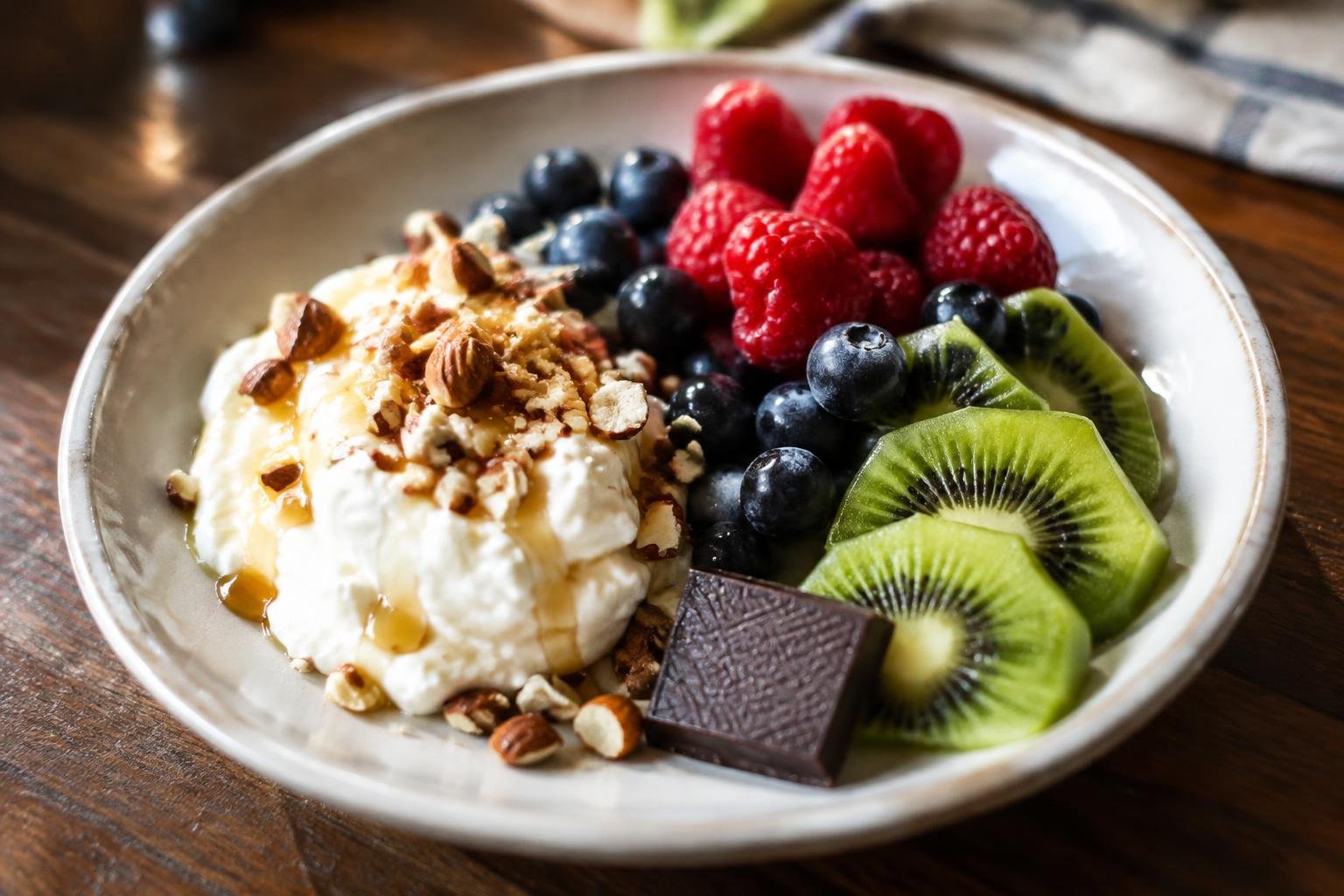
Give yourself room to enjoy dessert without turning it into a test of willpower. You might serve a small bowl of berries with dark chocolate after dinner, or bake muffins with ripe bananas for an afternoon snack. If you have an allergy or follow a particular eating pattern, choose ingredients that suit your needs and check labels where necessary. A balanced treat is one you genuinely like, made with ingredients that work for you. Keep the recipes simple, adjust sweetness to taste, and let pleasure have a place at your table.