Beef Healthy Cooking Tips You Can Use Tonight
Have you wondered whether your favorite protein can support a lighter, more vibrant dinner? Some people view red meat as off-limits for balanced eating, but that view misses many options. These Beef Healthy Cooking Tips help create nutrient-dense meals without losing bold flavor.
Choose lean cuts and smart portions to open up delicious possibilities. Pair high-quality protein with fresh vegetables and use methods that keep beef tender and juicy. These steps keep your plate balanced and satisfying every time.
These methods suit quick skillet meals, taco nights, and hearty grain bowls. Use them to turn everyday ingredients into restaurant-quality dishes and easy healthy beef recipes. Eating well means making smart choices in your kitchen, not giving up foods you enjoy.
Key Takeaways
- Select lean cuts like sirloin or tenderloin to reduce saturated fat intake.
- Prioritize portion control by filling half your plate with colorful vegetables.
- Use high-heat searing methods to lock in moisture and natural juices.
- Incorporate fresh herbs and citrus to brighten flavors without extra salt.
- Repurpose leftovers into creative salads or wraps for an easy next-day lunch.
Beef Healthy Cooking Tips for a Smarter Dinner Tonight
Beef does not need to fill your entire dinner plate to taste satisfying and delicious. By using smart portion control, you can enjoy rich flavors while making room for nutrient-dense sides. This balance helps you build a healthy plate that keeps you energized throughout the evening.
Keep portions satisfying without making beef the entire meal
Think of beef as one important part of dinner, not the whole meal. Treating meat as a flavorful accent helps you create satisfying healthy meals that leave you full and nourished. Fill half your plate with colorful vegetables or fiber-rich grains to complete the meal.
Visual cues can help manage intake without a kitchen scale. A serving of beef should generally be about the size of a deck of cards. This simple method makes portion control feel natural and stress-free on busy weeknights.
You can make dinner more satisfying with bold, flavorful toppings. Fresh herbs, a squeeze of lime, or a dollop of salsa can make smaller portions feel like a feast. These simple additions help create satisfying healthy meals without making you feel deprived.
Choose Lean Beef Cuts That Still Deliver Great Flavor
Choosing lean beef cuts can improve your dinner routine tonight. You can keep beef’s savory taste while making meals lighter and nutritious. Choosing the right portion helps manage total fat intake and provides a satisfying, protein-packed dinner.
Use the nutrition label to compare ground beef options
In the meat aisle, pause to read the package. The ground beef nutrition label shows exactly what you are buying. Most packages list a lean-to-fat ratio, such as 90/10 or 93/7, for easy comparison before checkout.
Match each cut to the cooking method it handles best
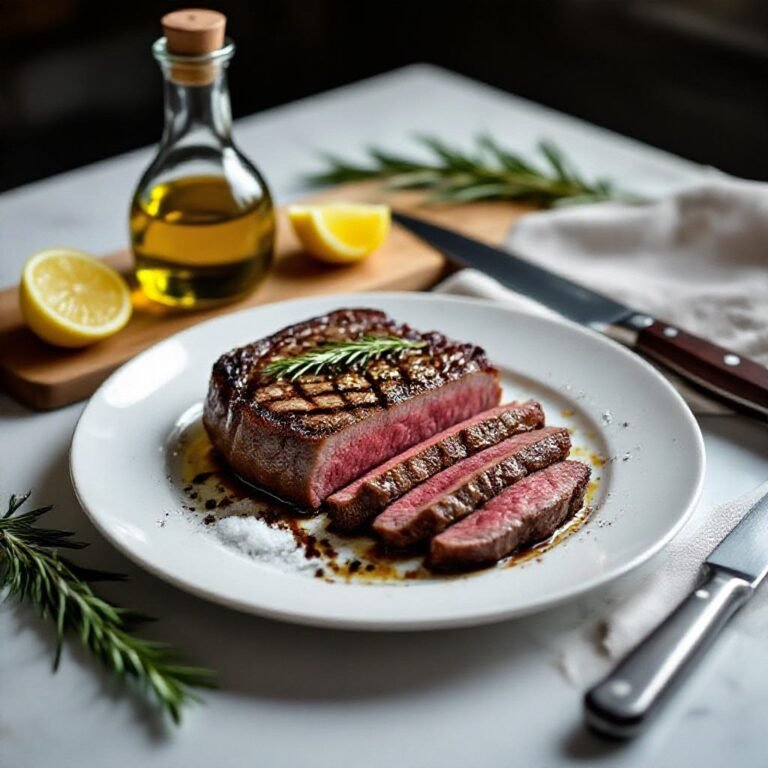
How you cook beef can prevent a dry or bland meal. Tender cuts, such as sirloin or tenderloin, suit quick, high-heat methods like grilling or pan-searing. They stay juicy and flavorful without extra fat.
Tougher cuts need longer, gentler methods, such as braising or slow cooking. These methods break down the fibers, making the meat tender instead of chewy. Choosing lean beef cuts for your recipe prevents dryness and keeps cooking healthy and delicious.
Prep Beef for Better Texture and Less Added Fat
Great low fat beef cooking starts before the stove heats. Trim, season, and handle the meat carefully to improve the final dish. Good preparation keeps beef moist and creates a fine crust without extra grease.
Use a small amount of oil to coat the meat instead of the pan
Many cooks pour oil into a hot pan and use more than needed. Brush a thin layer directly onto the beef instead. This method puts oil on the protein, a key part of low fat beef cooking.
Coating the meat instead of the pan lowers your meal’s total fat. This change helps control calories while creating a perfect sear. The pan stays cleaner, and the beef browns evenly each time.
Bring steaks closer to room temperature before quick cooking
Remove your steak from the refrigerator about twenty minutes before cooking. Cold meat in a hot pan may cook unevenly, burning outside before the center is ready. Letting beef warm slightly helps it cook evenly from edge to center.
This step helps maintain the texture and moisture of your favorite cuts. These details raise your low fat beef cooking to a professional level. Your meat stays tender and juicy, showing that great flavor needs no extra fat.
Use High-Flavor Cooking Methods That Keep Beef Lighter
Learning beef cooking methods helps you enjoy bold flavor without extra calories. You can skip heavy sauces and deep frying while still making a satisfying meal. The right technique brings out the meat’s natural taste and keeps dinner light.
Choose steaming, broiling, or air frying when appropriate
Broiling gives steak a tasty crust without adding much fat. High, direct heat quickly browns the surface. Air fryer beef offers a modern way to create a crisp texture with little oil.
An air fryer’s circulating heat sears smaller cuts beautifully. You can also steam vegetables beside seasoned beef. This keeps the whole plate balanced and full of flavor.
Reserve braising for leaner portions that need gentle cooking
Not every cut benefits from high heat. Braising suits lean portions that might dry out. Moisture and time soften the fibers, creating tender, juicy meat.
Match your beef cooking methods to the cut you have. A tough, lean roast benefits from a slow braise, while tender sirloin suits the broiler. These small changes help make each meal healthy and delicious.
Cook Ground Beef for Healthy Tacos, Bowls, and Skillets
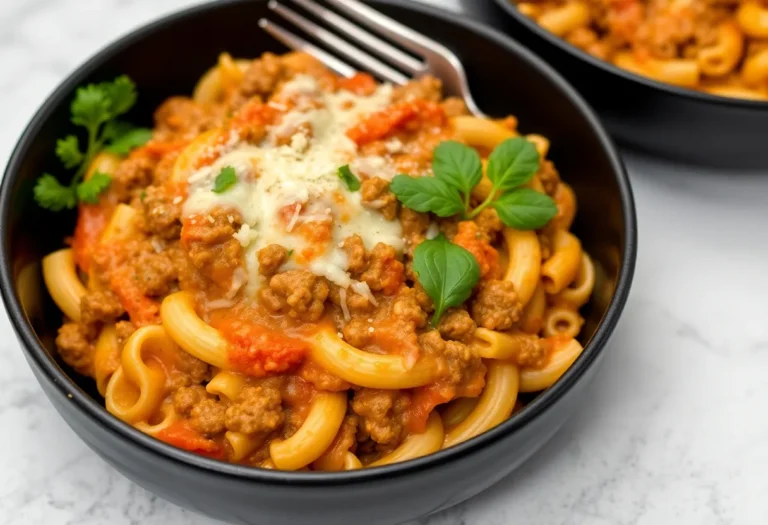
If you love tacos and skillets, simple swaps can make them much healthier. Ground beef is a versatile base for quick weeknight meals. Drain excess rendered fat from the pan after browning the meat.
Strong seasoning helps keep portions satisfying. Use chili powder, cumin, garlic, and onion powder for bold flavor. This keeps meals tasty without heavy sauces or extra salt.
Replace some cheese and sour cream with avocado, plain Greek yogurt, or salsa
Heavy dairy is not needed for a delicious dinner. Try healthy taco toppings that add creaminess and zest. Plain Greek yogurt offers a tangy, protein-rich alternative to sour cream, while salsa adds a bright kick and avocado offers healthy fats and smooth texture.
For a more complete meal, try building avocado beef bowls. These bowls combine seasoned beef with various nutrient-dense ingredients. Use brown rice, quinoa, or cauliflower rice as a fiber-rich base.
Layer in black beans, sautéed bell peppers, and fresh greens to complete the dish. Avocado on top ties all the flavors together. These avocado beef bowls are easy to customize for busy evenings when you want something wholesome and filling.
Make Marinades, Sauces, and Seasonings Work Harder
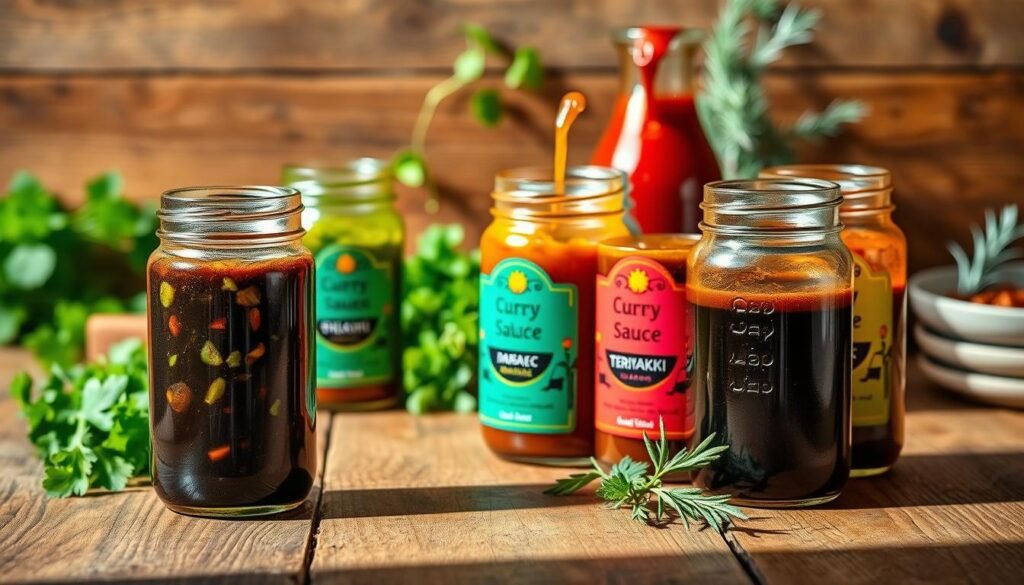
Beef marinades help home cooks add bold flavor without heavy cream sauces or excess fat. Soaking meat in a flavorful liquid can soften its fibers and add deep flavor to each bite. This easy step keeps meals light and healthy while bringing a restaurant-quality experience home.
Add umami with mushrooms, tomato paste, Worcestershire sauce, or low-sodium soy sauce
Create rich savory flavor with ingredients that deliver strong taste in small amounts. Mushrooms, tomato paste, and Worcestershire sauce add satisfying umami to beef dishes. Low sodium seasonings, including low-sodium soy sauce, add depth without too much salt.
Finish with herbs, scallions, citrus zest, or a squeeze of lemon
After cooking, refresh the plate with low sodium seasonings, fresh herbs, or chopped scallions. Add a squeeze of lemon juice or citrus zest to cut through rich beef and create balance. These bright touches make each bite feel light and exciting.
These finishing touches take little extra time but greatly improve the final presentation. Fresh ingredients help keep your healthy beef dinner nutritious and delicious.
Pair Beef With Vegetables and Filling Side Dishes
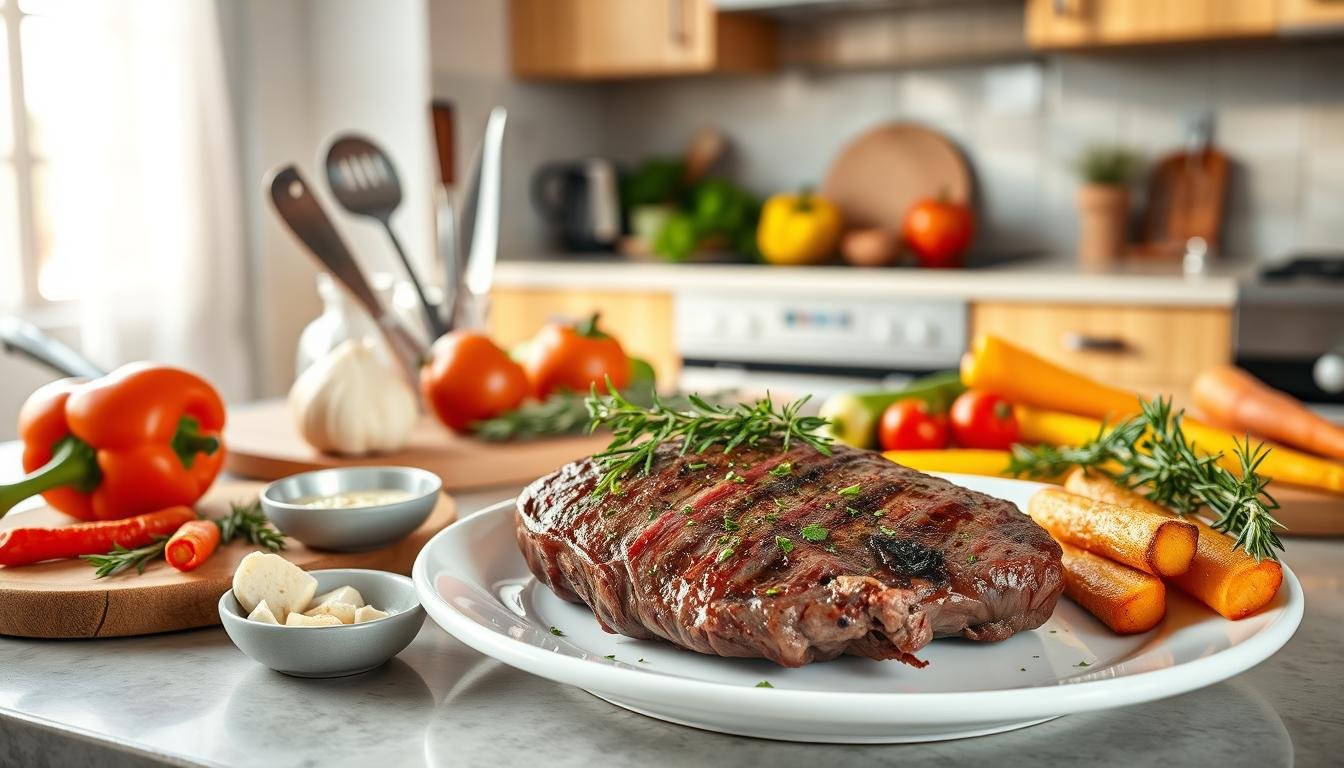
A balanced plate starts by pairing beef with the right sides. For a high protein dinner, let beef bring flavor while sides add volume and nutrition.
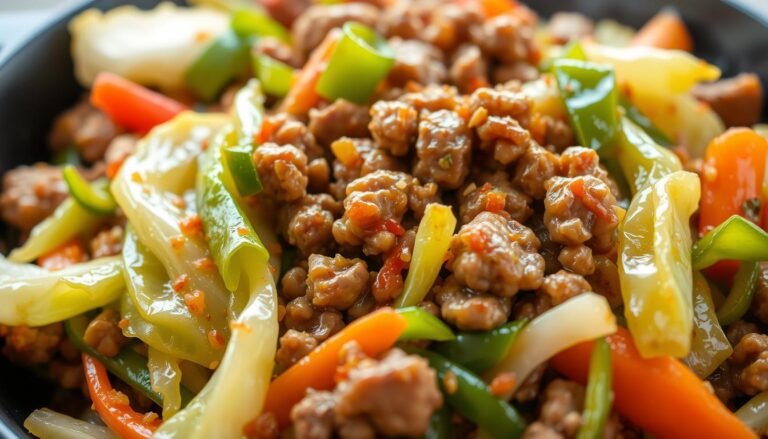
Try broccoli, bell peppers, zucchini, cabbage, carrots, and green beans
These vegetable side dishes fit many kitchen routines. Roast, sauté, grill, or steam them to bring out their natural sweetness and crunch. They add fiber, bright color, and satisfying texture to any cut of beef.
Add complex carbohydrates, such as quinoa, brown rice, beans, or roasted potatoes. They provide lasting energy and help you stay full longer. This balance keeps your high protein dinner healthy and satisfying.
Control calorie-dense toppings while keeping the meal satisfying
You can keep favorite toppings without making the meal too heavy. Shredded cheese, creamy dressings, toasted nuts, and flavorful oils add a tasty finish. Measure them instead of pouring freely.
A measuring spoon helps you enjoy these rich extras without hidden calories. This simple habit keeps your favorite flavors while supporting your nutrition goals.
Cook Beef Safely Without Drying It Out
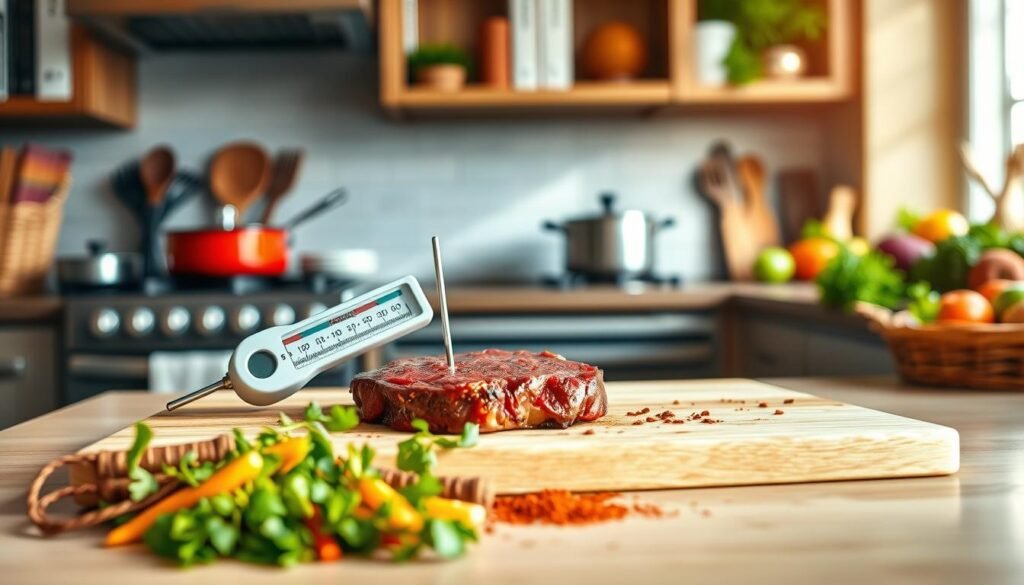
A great beef dinner balances safety and moisture. Meat color can mislead you about doneness. Use a digital meat thermometer to check the food safety beef temperature.
The ideal internal temperature depends on the cut and whether you cook ground beef or a whole steak. Check the latest USDA guidelines for the safe endpoint for your meal. A thermometer removes guesswork and helps prevent overcooking.
Rest cooked beef before slicing to retain more juices
After beef reaches its target temperature, wait before cutting it. Resting cooked beef lets its juices spread through the muscle fibers. Cutting too soon sends flavorful juices onto the cutting board.
Most steaks need five to ten minutes of resting. Larger roasts may need fifteen minutes or more to settle. This pause helps each bite stay juicy and tender when served.
Slice tougher cuts thinly against the grain
For tougher cuts like flank or skirt steak, slicing technique matters. Find the direction of the muscle fibers, called the grain. Slice across these fibers to shorten them.
This method makes meat easier to chew and improves the dish’s texture. Combine it with proper resting cooked beef for the best results from every cut. Your guests will notice the difference in tenderness.
Turn Leftover Beef Into Another Healthy Meal
Turning cooked beef into fresh meals can simplify your weekly cooking routine. You can create new dishes from extra protein, reduce food waste, and save kitchen time. Exploring leftover beef recipes gives you a second meal with little effort.
Store leftovers promptly in shallow containers
Proper storage keeps your food safe and tasty for later. Place cooked beef in shallow containers as soon as possible after your meal. This helps the meat cool quickly in the refrigerator, prevents bacteria growth, and protects its texture.
Plan portions so leftovers stay useful instead of becoming food waste
Plan portions carefully to make the most of your ingredients. Decide portions before cooking, so you have enough for a future meal. This approach creates meal prep beef for tacos, grain bowls, or hearty salads.
Plan how to use your extra portions throughout the week. Add the beef to a quick skillet meal with fresh vegetables or warm soup. A plan makes leftovers useful instead of food you throw away.



Conclusion
You now have tools to make healthy, flavorful meals part of your kitchen routine. Smart portions, lean cuts, and controlled oil use keep dinner light while preserving the taste you crave. High-flavor seasonings and fresh vegetables make simple beef satisfying.
Kitchen safety remains a priority. Use a meat thermometer to ensure your beef reaches the right temperature. Let meat rest, then slice against grain for the best texture in every bite.
This simple step greatly improves how your steak feels on the plate.
Pick one technique to try tonight. Build a vibrant vegetable-rich bowl, try a lighter marinade, or turn leftovers into a fresh salad. Small, consistent choices in your daily routine make cooking beef easier and more enjoyable for your entire family.