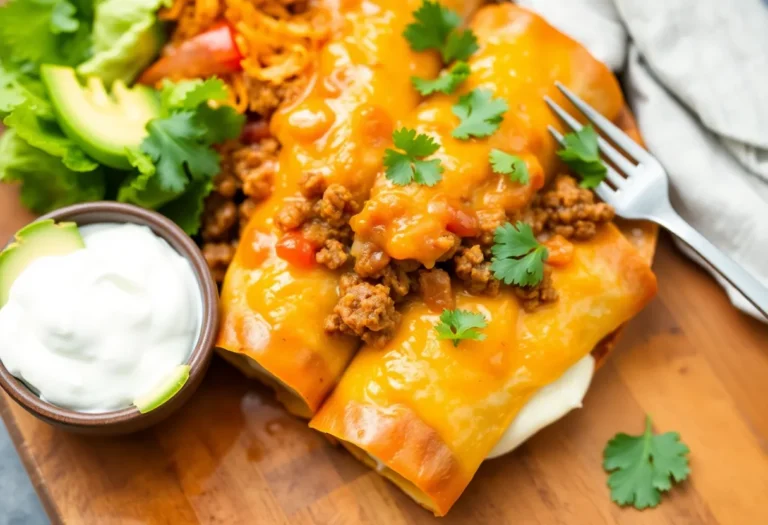
Healthy Beef Sheet Pan
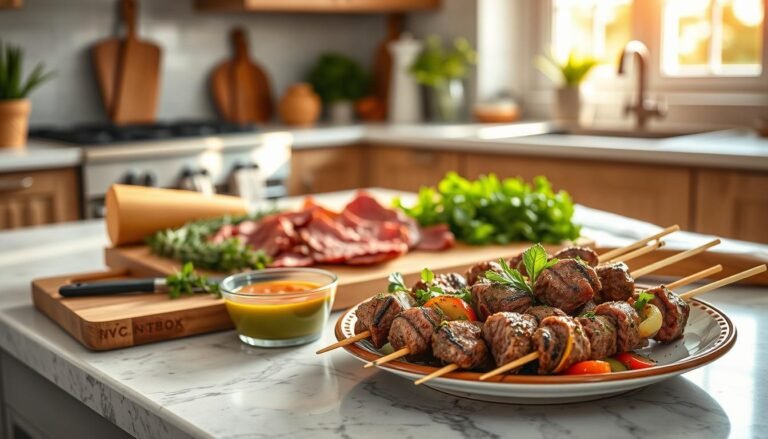
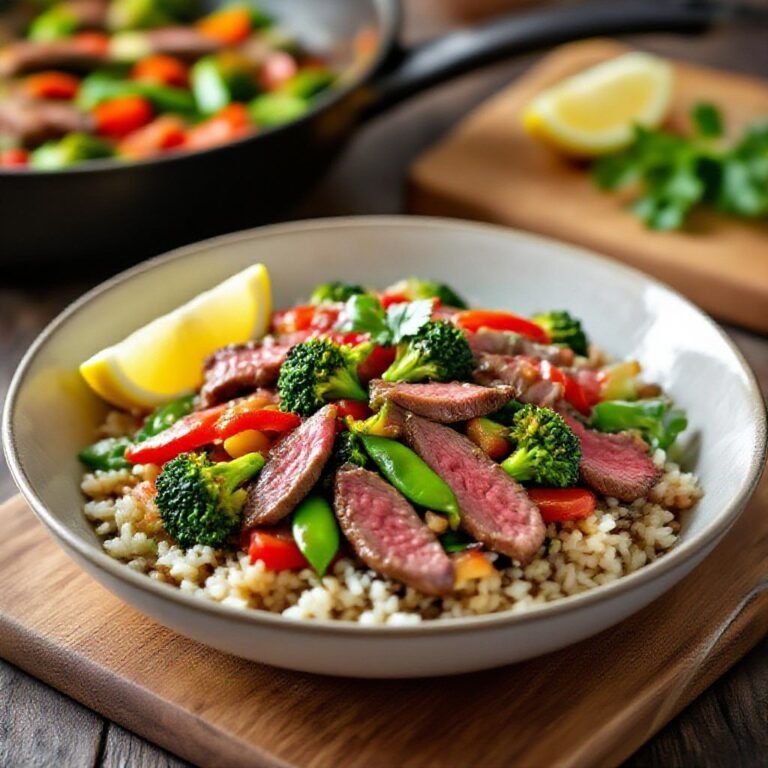
With just one pan and thirty minutes, you can transform lean beef and colorful vegetables into a protein-packed dinner that beats takeout every time. Sheet pan cooking locks in nutrients while developing rich, caramelized flavors that make healthy eating actually enjoyable. You’ll master a technique that saves time without sacrificing taste or nutrition.
Key Takeaways:
- Sheet pan dinners with beef deliver complete nutrition in one go – protein, vegetables, and healthy fats all cook together while you handle literally anything else that needs doing.
- Sirloin, flank steak, and skirt steak work best because they cook quickly at high heat and stay tender when sliced against the grain after a short rest.
- The vegetables need to match the beef’s cooking time, which means cutting dense veggies like potatoes smaller and leaving quick-cooking ones like bell peppers in larger chunks.
- High heat (around 425°F to 450°F) creates that caramelized edge on both the beef and vegetables without drying everything out or leaving things soggy.
- Letting the beef rest for 5-10 minutes after it comes out of the oven isn’t optional – the juices redistribute and you won’t end up with a puddle on your cutting board.
- A single sheet pan means one dish to wash, but lining it with parchment paper or foil makes even that step faster (just don’t skip preheating the pan if you want a good sear).
- Meal prep becomes ridiculously easy since you can scale the recipe up, cook multiple pans at once, and have ready-to-go lunches for days without touching another pot or skillet.
Why beef’s actually the goat for weeknight meals
Beef brings serious protein power to your dinner table without requiring culinary school skills. You can throw it on a sheet pan with whatever vegetables you’ve got hanging around, and thirty minutes later you’re eating something that tastes like you actually tried. No complicated sauces or multiple pots to juggle while you’re also helping with homework.
Sheet pan beef dinners work because the meat cooks at the same temperature as most vegetables. You’re not babysitting different components or timing things down to the second. Toss everything together, slide it in the oven, and you’ve got space to breathe.
It’s packed with the good stuff
Beef delivers complete protein with all nine imperative amino acids your body can’t make on its own. You’re also getting iron in a form that’s easier for your body to absorb than what you’d find in plant sources. B vitamins, zinc, and selenium come along for the ride too.
A serving gives you the nutrients you need to recover from workouts and keep your energy steady. Kids who turn their noses up at chicken often demolish beef without complaint, making dinnertime negotiations a whole lot easier.
That savory flavor you’re craving
Beef has that deep, satisfying taste that makes vegetables suddenly interesting to people who’d normally skip them. The fat renders as it cooks, creating those crispy, caramelized edges everyone fights over. You don’t need fancy ingredients to make it taste good.
Ground beef works, but cuts like sirloin tips or flat iron steak bring texture that feels more like a real meal than weeknight survival food. The meat’s natural umami amplifies whatever seasonings you throw at it, so even basic salt, pepper, and garlic turn into something you’d actually want to eat again tomorrow.
Picking the right cut so it isn’t tough as nails
Choosing the wrong cut will ruin your sheet pan dinner faster than overcooking it. You need beef that can handle high heat without turning into shoe leather, which means looking for cuts with enough marbling or natural tenderness to stay juicy in the oven.
Tender cuts like sirloin tip or top round work well when sliced thin against the grain. Avoid stew meat or chuck roast-they need low and slow cooking to break down properly, not the quick blast of heat a sheet pan provides.
Lean cuts that still taste amazing
Sirloin steak delivers serious flavor without the fat content of ribeye or strip steak. Sliced into strips or cubes, it cooks quickly and pairs beautifully with roasted vegetables while keeping the meal lighter.
Top round is another solid option if you’re watching calories but don’t want to sacrifice taste. Just make sure you slice it thin and cut against the grain-that’s what keeps it from getting chewy.
Why I’m a fan of flank steak
Flank steak has become my go-to for sheet pan dinners because it’s lean, affordable, and packed with beefy flavor. The long grain structure means you can slice it thin after cooking, and those slices soak up any pan juices or seasonings beautifully.
Marinating flank steak for even 30 minutes before roasting makes a noticeable difference in tenderness. The muscle fibers respond well to acidic ingredients like lime juice or vinegar, breaking down just enough to give you that melt-in-your-mouth texture without any fuss.
Your cooking time stays short with flank steak-usually around 12 to 15 minutes at high heat gets you a perfect medium-rare. Because it’s relatively thin, it cooks at roughly the same rate as heartier vegetables like Brussels sprouts or thick-cut carrots, which means everything finishes together and you’re not juggling different cooking schedules.
What’s the secret to perfectly roasted veggies?
Temperature is everything when you’re roasting vegetables on a sheet pan. You’ll want your oven cranked to at least 425°F, because that’s where the magic happens. High heat creates those caramelized edges and crispy bits that make roasted vegetables actually worth eating. Anything lower and you’re basically steaming them, which defeats the whole point.
Spacing matters just as much as heat. Overcrowd your pan and the vegetables will release moisture faster than it can evaporate, leaving you with soggy, sad produce instead of those golden-brown pieces you’re after.
Not all veggies cook the same
Dense vegetables like carrots and potatoes need a solid 25 to 30 minutes to get tender, while softer options like bell peppers and zucchini only need about 15. If you toss everything on the pan at once, you’ll end up with either mushy peppers or rock-hard potatoes.
Cutting your vegetables to similar sizes helps, but it won’t solve the density problem. You’re better off adding quick-cooking veggies halfway through, or keeping the hearty stuff in larger chunks while cutting delicate vegetables smaller.
Keeping things colorful and crunchy
Pat your vegetables completely dry before they hit the pan. Water is the enemy of crispiness, and even a little moisture clinging to your veggies will create steam instead of that satisfying crunch. After washing, give them a good shake and lay them out on a kitchen towel for a few minutes.
Oil coating should be generous but not drowning. You want each piece glistening with a thin layer of fat, which helps with browning and prevents sticking. Toss everything in a big bowl first rather than drizzling oil on the pan, so every surface gets covered evenly.
Flipping your vegetables once during cooking exposes all sides to direct heat and prevents burning on the bottom. Set a timer for the halfway point and use a spatula to turn everything over. The second side usually cooks faster than the first, so keep an eye on things during those final minutes. Your vegetables should come out with varied textures: some edges deeply browned and crispy, other parts tender but still holding their shape.
Honestly, the seasoning makes the whole dish
Seasoning transforms your beef sheet pan from bland to restaurant-worthy in minutes. You’re not just adding flavor – you’re building layers of taste that penetrate the meat and coat every vegetable. Most people underseason their sheet pans, thinking a sprinkle of salt and pepper will do the trick. It won’t.
Ditching the store-bought packets
Pre-made seasoning packets are loaded with fillers, anti-caking agents, and way too much sodium. You’ll notice they often include maltodextrin and modified food starch as the first ingredients instead of actual spices. Making your own blend takes thirty seconds and gives you complete control over what goes into your meal.
My go-to spice blend for beef
Paprika forms the base of my favorite beef blend because it adds color and a subtle sweetness without overwhelming heat. Mix it with garlic powder, onion powder, cumin, and a touch of oregano for depth. Black pepper and sea salt round everything out, while a pinch of cayenne brings just enough warmth to wake up your taste buds.
Ratios matter here – you’ll want about two parts paprika to one part each of the garlic and onion powders. Cumin should be used sparingly, maybe half a part, since it can dominate if you’re heavy-handed. Store your blend in an airtight container and it’ll stay fresh for months, ready whenever you need to throw together a quick sheet pan dinner.
How to keep the cleanup from being a nightmare
One pan is literally all you need
Sheet pan dinners earn their reputation because you’re using exactly one baking sheet for everything. No separate pots for the protein, no extra bowls for the vegetables, and definitely no stack of dishes waiting in the sink. Line your pan with parchment paper or aluminum foil before you start, and you’ll thank yourself later when there’s barely anything to scrub.
Prep tips for the busy crowd
Chopping your vegetables the night before cuts your actual cooking time in half. Store them in an airtight container in the fridge, and they’ll be ready to toss with oil when you get home from work. You can even season your beef ahead and let it marinate for a few hours.
- Cut all vegetables to similar sizes for even cooking
- Keep a roll of heavy-duty foil specifically for sheet pan meals
- Pat the beef dry before seasoning to get better browning
- Use cooking spray on your foil for extra insurance against sticking
This approach transforms a potentially messy dinner into something you can pull off on a Tuesday night.
Batch prepping on Sunday gives you an even bigger head start. Season multiple portions of beef, divide your chopped vegetables into meal-sized containers, and you’ve got three or four dinners ready to assemble. The actual hands-on time drops to maybe ten minutes – just arrange everything on your lined pan and slide it into the oven.
- Label your prepped containers with the cooking temperature needed
- Store raw beef separate from vegetables until you’re ready to cook
- Pre-measure your oil and seasonings into small containers
- Keep a dedicated sheet pan just for these meals so it’s always clean
This kind of prep work means you’re never more than fifteen minutes away from a home-cooked meal, even on your most chaotic days.
Seriously, don’t skip the resting part
Pulling that sheet pan out of the oven and immediately slicing into the beef is tempting, but you’ll lose all those juices you worked to keep in. Resting isn’t some fancy chef trick – it’s basic meat science. When beef cooks, the muscle fibers contract and push moisture toward the center. Give it five to ten minutes off the heat, and those fibers relax, redistributing the juices throughout the meat instead of all over your cutting board.
How to tell when it’s actually ready
Your beef needs to hit the right internal temperature before you even think about resting. Use an instant-read thermometer inserted into the thickest part – you’re looking for 135°F for medium-rare or 145°F for medium. Don’t rely on color alone, because oven variations and meat thickness can fool you. Once it reaches temp, transfer the beef to a clean plate or board and loosely tent it with foil.
Why letting it sit is a game-changer
Slicing too soon turns your perfectly cooked beef into a dry disappointment. Those precious juices will pool on the cutting board instead of staying where they belong. Rested meat stays moist, tender, and actually tastes beefier because you’re not losing flavor with the liquid runoff.
Temperature carryover happens during rest time too – your beef will continue cooking from residual heat, climbing another 5°F or so. This means you can pull it slightly earlier than your target temp and let physics finish the job. The result is meat that’s evenly cooked edge to center, not gray around the outside with a tiny pink middle.


Summing up
You’ve got everything you need to nail a healthy beef sheet pan dinner. The right cut, properly seasoned vegetables, and a hot oven transform simple ingredients into a meal that satisfies without the guilt or the mess. Your protein stays tender, your veggies get those caramelized edges, and you’re left with just one pan to wash. Give the meat its five-minute rest before slicing, and you’ll see why this method beats takeout every single time.