Healthy Beef Protein Bowls
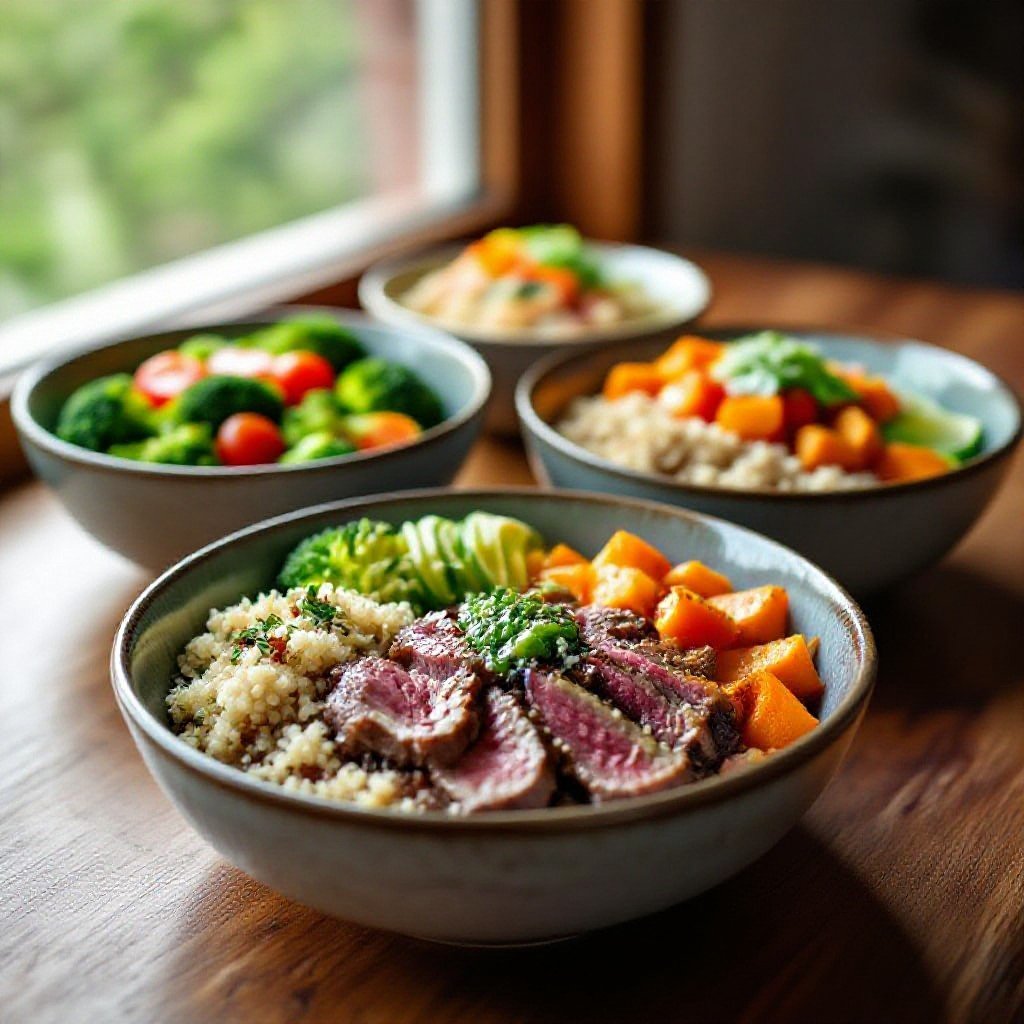
Skip the boring salad and boring chicken breast for a night. Beef protein bowls give you a hearty, muscle-fueling meal without the guilt trip, and once you know a few tricks, you’ll build one better than most restaurants. You’ll get the full rundown here: cuts, sear technique, bases, toppings, and the sauce that ties it all together.
Key Takeaways:
- Sirloin or flank steak, seared hot and fast, gives you that perfect balance of tenderness and flavor without turning your bowl into a chewy mess.
- A grain base like quinoa or brown rice soaks up the sauce and toppings way better than plain lettuce, so your bowl actually holds together as a meal.
- Batch prepping the beef and toppings on a Sunday means weeknight bowls come together in under ten minutes, no stress involved.
Why I think the cut of beef actually matters
Grabbing whatever beef looks good at the store is tempting, but the cut you choose changes the whole nutritional profile of your bowl. Some cuts carry way more saturated fat than others, and that fat adds up fast when you’re building a meal around beef as the star protein. You want something that gives you that satisfying, meaty flavor without turning your “healthy bowl” into a fat bomb in disguise. The marbling that makes a ribeye so delicious at a steakhouse is exactly what you’re trying to avoid on a regular Tuesday night dinner.
Your goal here is balance: enough protein to keep you full, enough flavor to keep you interested, and low enough fat content that you’re not undoing all the good work from your veggies and grains. Picking the right cut sets the foundation for everything else in your bowl. Skip this step and even the best toppings can’t save a greasy, heavy result.
My favorite lean cuts that aren’t dry
Sirloin is where you should start if you’re nervous about lean beef turning into shoe leather. It’s got just enough fat marbled through it to stay juicy, but nowhere near the fat content of something like a New York strip. Flank steak is another one you’ll want in rotation, especially because it soaks up marinades beautifully and slices thin for bowls. Round cuts, like eye of round or top round, are leaner still, though they need a bit more attention so they don’t dry out.
Flavor doesn’t have to suffer just because fat content is low. Sirloin and flank steak both bring a beefy richness that holds its own against bold toppings like pickled onions or a spicy sauce. Skirt steak deserves a mention too; it’s slightly fattier than flank but still qualifies as lean, and the flavor payoff is huge for how little effort it takes.
Ground beef is honestly a total life-saver
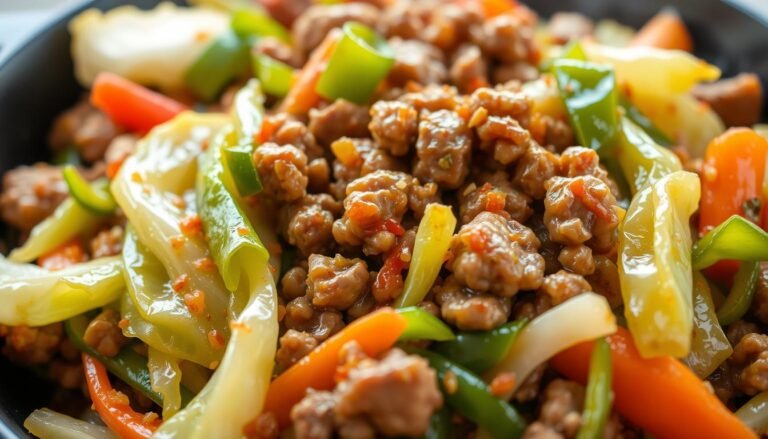
Weeknights get busy, and ground beef is the cut that saves you every single time. The trick is checking that label for lean percentage; 90/10 or even 93/7 ground beef gives you all the convenience without the excess grease pooling in your pan. It crumbles into bowls effortlessly, takes on any seasoning you throw at it, and cooks in a fraction of the time a whole steak would need.
Texture is where ground beef really shines for bowl building. It distributes evenly over rice or greens instead of sitting there as one big slab you have to slice, so every bite gets that protein punch. Draining any excess fat after cooking, even from the leaner blends, tightens up the nutrition profile even more.
Here’s the real deal on getting that perfect sear
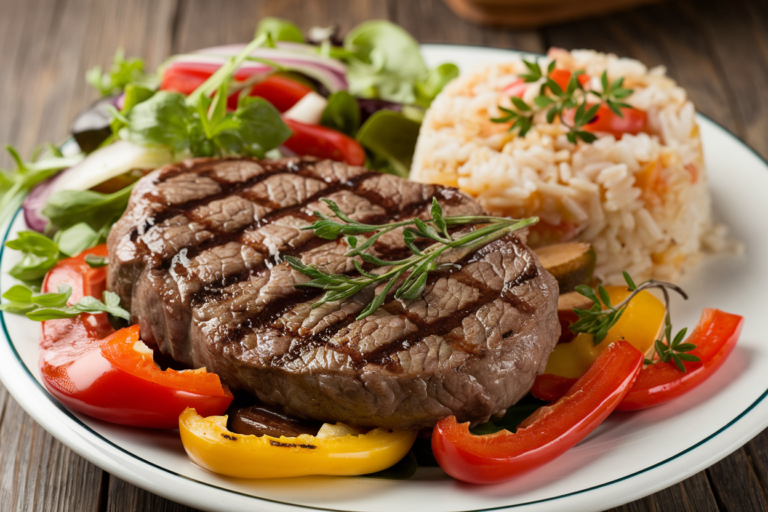
Getting a proper crust on your beef is what separates a bland bowl from something you actually crave. A screaming hot pan does the heavy lifting here, not oil. Cast iron or stainless steel works best because they hold heat evenly and don’t cool down the second your meat hits the surface. Pat your beef dry with paper towels before it ever touches the pan. Moisture is the enemy of a good sear. Any water left on the surface just steams the meat instead of browning it, and you’ll end up with that sad, gray, flat taste nobody wants in a protein bowl.
Once that pan is hot, resist the urge to move your beef around. Let it sit undisturbed for a couple minutes so the Maillard reaction can actually do its thing. That’s the science behind the deep brown color and nutty, savory flavor you’re after. Flip once, sear the other side, and you’re done. No extra butter, no drowning it in oil. Just heat, time, and a dry surface doing all the work for you.
Seriously, don’t skip the marinade
Skipping the marinade feels like a shortcut, but it costs you flavor you can’t get back later. Even thirty minutes in something acidic, like lime juice or vinegar, starts breaking down those tough muscle fibers and lets seasoning actually penetrate the meat instead of just sitting on top. Soy sauce, garlic, and a touch of honey make a solid base if you want something simple that still packs a punch.
Timing matters more than people think. Leafy, lean cuts need less time since the acid works fast and can turn mushy if left too long. Tougher cuts benefit from a longer soak, sometimes overnight, so the flavor gets all the way through instead of just coating the surface. Pat the beef dry again before it hits the pan, no matter how long it marinated. That extra step keeps your sear crisp instead of steamy.
How to not overcook your steak tips
Overcooking is the fastest way to ruin all that hard work you put into your sear. Steak tips cook fast because they’re cut small, so a few extra seconds can push them from juicy to chewy. A meat thermometer takes the guesswork out completely, and pulling your beef five degrees before your target temp lets carryover heat finish the job without drying it out.
Resting matters just as much as the actual cooking. Give your beef at least five minutes on a cutting board before slicing so the juices redistribute instead of spilling out everywhere. Cutting too soon undoes everything you just worked for.
- Use a thermometer instead of guessing by color
- Pull beef at 125°F for medium rare, then let it rest
- Slice against the grain for a more tender bite
- Avoid pressing down on the meat while it cooks or rests
What’s the best base for your bowl?
Your base is doing more work than you’d think. Pick something with real fiber and you’ll notice the difference three hours later when you’re not raiding the pantry for a snack. A base loaded with starchy carbs and nothing else spikes your blood sugar, then drops you off a cliff by mid afternoon. That’s the opposite of what you want when you’ve put effort into a good protein bowl. So the goal here is simple: find a foundation that slows digestion down, keeps things moving steadily, and gives that beef something worthy to sit on.
Grains, rice alternatives, even a bed of greens can all work, but they’re not interchangeable. Fiber content, texture, and how well something holds sauce all matter more than people realize. You want a base that can take on flavor without turning mushy, and one that still leaves room in your bowl for everything else you’re planning to pile on. Get that balance right and the whole meal feels intentional instead of thrown together.
Why I’m obsessed with cauliflower rice
Cauliflower rice earned its spot in your rotation for good reason. Swapping it in for traditional grains cuts the carb load dramatically while still giving you that familiar rice like texture underneath your beef. Cauliflower carries a decent amount of fiber for how few calories it packs, and it soaks up whatever seasoning you throw at it, garlic, cumin, a splash of lime, all of it sticks. Texture is where people mess it up though. Overcook it and you’ve got watery mush; get it right and it’s got a slight bite that mimics rice surprisingly well.
Riced cauliflower also works if you’re trying to stretch a bowl further without adding heaviness. Two cups fills you up visually and physically without the dense carb hit you’d get from an equal amount of grain. Sauteeing it dry first, then adding fat, keeps it from turning into soup. Once you’ve got the technique down, it becomes the base you reach for on nights you want something lighter but still satisfying.
Quinoa vs. brown rice: my honest take
Quinoa wins on protein content, plain and simple. A cooked cup gives you a complete protein profile alongside its fiber, which means it’s pulling double duty in a bowl that’s already centered on beef. Brown rice can’t match that protein number, but it’s got its own strengths: a chewier texture, a nuttier flavor, and it tends to hold up better if you’re meal prepping bowls for several days in the fridge. Neither one is wrong, it really depends on what your week looks like.
Texture preference should guide your choice as much as nutrition does. Quinoa’s got that little pop when you bite into it, which some people love and others find distracting next to seared beef. Brown rice is softer, more familiar, and frankly easier to cook without watching it like a hawk. If fiber and staying power are your main priorities, quinoa edges ahead. If you want something that reheats without tur
Let’s talk about those colorful toppings
Your bowl needs color, and not just for the pretty pictures you’re tempted to snap before digging in. Shredded purple cabbage, matchstick carrots, sliced radishes, halved cherry tomatoes, thin cucumber ribbons – pile them on generously. Each one brings its own crunch and its own nutrient profile, so the more variety you throw in, the more vitamins you’re actually getting into your body. Cabbage alone gives you a decent hit of vitamin C, while carrots bring beta carotene to the table. Don’t be shy with portions here either. A cup or more of raw veggies on top of your beef and base isn’t excessive, it’s the whole point of building a bowl instead of just plating a steak with rice.
Texture matters just as much as color when you’re layering things on. You want that satisfying bite where crisp vegetables contrast against tender beef and a softer base underneath. Avocado slices add creaminess that balances out all that crunch, and a scattering of fresh herbs like cilantro or scallions wakes everything up. Pickled onions or jalapeños give you a tangy edge too, cutting through the richness of the meat. Think of your toppings as the part of the bowl doing the heavy lifting nutritionally, since the beef handles protein and the veggies handle nearly everything else your body needs.
To roast or not to roast?
Raw veggies give you maximum crunch and the most vitamin retention, since heat tends to break down some of those water soluble nutrients like vitamin C. But roasting brings out a sweetness in things like bell peppers, zucchini, and broccoli that raw versions just don’t have. It’s a genuine tradeoff, and honestly, the right answer depends on your mood and your schedule. Roasting takes twenty to thirty minutes in the oven, which isn’t nothing when you’re trying to get dinner on the table fast.
Mixing both approaches in the same bowl actually works really well. Toss some sweet potato or cauliflower in the oven while your beef sears, then top the finished bowl with raw cabbage or spinach for that fresh contrast. You get depth of flavor from the roasted stuff and brightness from the raw. Sheet pan roasting is your friend here too, since you can toss multiple vegetables together with olive oil and salt and let the oven do the work while you focus on the beef itself.
Adding a little crunch with seeds and nuts
Toasted sesame seeds, chopped almonds, sunflower seeds, or crushed cashews turn a good bowl into a great one. They’re small additions, but they change the whole eating experience by adding a final layer of texture that vegetables alone can’t quite deliver. A tablespoon of pepitas brings healthy fats and a bit of protein too, which stacks nicely on top of what your beef is already providing. Toasting them for a couple minutes in a dry pan before sprinkling
The sauce is what makes it, right?
Grab a jar of store-bought dressing and check the label. Sugar is usually hiding in the top five ingredients, right alongside a pile of preservatives you can’t pronounce. That’s the problem with relying on bottled stuff for your protein bowls: you’re undoing all the good work you put into that lean sirloin or sear you nailed. Making your own sauce takes maybe five minutes, and you control exactly what goes in. No hidden syrups, no weird stabilizers, just flavor that actually complements the beef instead of drowning it in corn syrup. Once you start making your own, you’ll wonder why you ever paid for the bottled kind.
A good sauce should do two things: add moisture and tie the whole bowl together. Beef can be a bit dense on its own, so a well-made sauce loosens everything up and makes each bite feel cohesive rather than like separate piles of food. Think about balance too, something creamy needs acid to cut through it, something tangy needs a touch of fat to smooth it out. Get that ratio right and you’ve got a bowl that tastes like it came from a restaurant kitchen.
My secret Greek yogurt creamy sauce
Plain Greek yogurt is doing a lot of heavy lifting in this recipe. Swap it in for mayo or sour cream and you instantly cut the fat while adding a solid dose of protein, which only helps your bowl’s overall macros. Whisk it with a spoonful of tahini, a squeeze of lemon, a small clove of garlic grated fine, and a pinch of salt. That’s it. The tahini gives it a nutty richness, the lemon keeps it bright, and the garlic adds bite without overpowering the beef underneath.
Texture matters here too. If the sauce feels too thick, thin it with a splash of water or olive oil until it drizzles easily off a spoon. Herbs make a big difference as well, fresh dill or parsley stirred in at the end brightens the whole thing up. Try it once alongside a spicy beef bowl and you’ll notice how the coolness balances the heat instead of masking it.
Keeping it light with zesty vinaigrettes
Vinaigrettes are your best friend when you want something punchy without weighing the bowl down. Olive oil, an acid like red wine vinegar or fresh lime juice, a touch of dijon mustard, and a little honey for balance is basically all you need. Shake it in a jar and you’ve got a dressing that keeps in the fridge for days. Beef pairs especially well with something sharp since the fat in the meat needs that acidity to cut through it.
Citrus based versions work wonders too, especially with grilled or seared cuts. Orange or lime juice mixed with a little cumin and chili flakes gives your bowl a completely different personality than the creamy option. Adjust the ratio of oil to acid based on your taste, more
How to prep these like a pro so you don’t stress
Storing your beef so it stays juicy
Sliced beef dries out fast if you toss it in a container while it’s still steaming hot. Give it a few minutes to cool on a plate first, then transfer it to an airtight container with a splash of the cooking juices or a little extra sauce. That moisture barrier makes a real difference three days later when you’re reheating a portion for lunch. Glass containers work better than plastic here since they don’t hold onto odors or stains from the marinade.
Portioning matters more than people think. Divide the beef into single serving sizes right away instead of storing it as one big block. You’ll grab exactly what you need without hacking into a cold mass of meat with a fork at 7am. Cooked beef holds up well in the fridge for about four days, and if you want it to last longer, freeze individual portions flat in freezer bags so they thaw quickly in a warm water bath.
Assembly lines are a total game-changer
Set up your kitchen like a fast casual restaurant on a Sunday afternoon and you’ll thank yourself all week. Line up your containers, then work through one component at a time: grains first, then beef, then vegetables, sauce last. Batching each step means you’re not switching gears every thirty seconds, which is where most of the mental fatigue comes from when people say meal prep feels exhausting.
Keeping wet ingredients separate until the last possible moment protects texture. Sauce goes in a small side container rather than directly on the bowl, and anything crunchy like cabbage or radishes gets packed on top rather than mixed in. Five containers lined up and filled in stages takes maybe twenty extra minutes compared to making one bowl, but it buys you five stress free dinners instead of one.


Summing up
You’ve got everything you need now to build a beef protein bowl that actually tastes like you know what you’re doing in the kitchen. Pick a cut that fits your budget and cooking style, get that sear right, choose a base that suits your energy needs, and don’t skimp on color from your toppings. The sauce ties it all together, so don’t treat it as an afterthought. And once you’ve got a prep routine down, these bowls stop being a project and start being something you can throw together on a Tuesday night without thinking twice.
Your kitchen confidence grows every time you make one of these, trust that. Swap proteins, change up grains, try a new sauce combo next week. The formula stays flexible, which is exactly why it works so well for busy weeks or slow Sunday meal prep sessions alike. Make it yours, adjust portions to your goals, and you’ll find this becomes one of those meals you return to without even thinking about a recipe card.