Vegetarian Weight Loss Meals
Over the years, you’ve probably heard a lot about different diets, but have you considered how a vegetarian approach might be your secret weapon for shedding those extra pounds? It’s not just about cutting out meat; it’s about embracing a world of delicious, filling, and nutrient-dense foods that naturally support your weight loss goals. You’ll discover how easy it is to create satisfying meals.
Key Takeaways:
- Focusing on whole, unprocessed plant foods is your secret weapon for weight loss. Think vibrant fruits, hearty vegetables, legumes, and whole grains. They’re packed with fiber and nutrients, keeping you feeling full and satisfied without excess calories.
- Protein is still king, even without meat. You’ll want to prioritize plant-based protein sources like lentils, chickpeas, tofu, tempeh, and quinoa in every meal. This helps preserve muscle mass and keeps your metabolism humming along.
- Meal planning and prep are non-negotiable for success. Taking a little time each week to map out your meals and get some cooking done prevents those last-minute, less-than-healthy choices when hunger strikes. It really makes all the difference.
Why I think going veggie actually helps you drop the pounds
You’re probably thinking, “Can simply changing my diet really make that much of a difference?” And honestly, yes, it often does. Shifting to a vegetarian diet naturally steers you away from many calorie-dense, processed foods that are common in a meat-heavy diet. It’s not magic, but it certainly simplifies the process of making healthier choices.
Many people find they’re more mindful of what they’re eating when they adopt a vegetarian lifestyle. You start reading labels more closely and cooking more at home, which means you’re in control of ingredients and portion sizes. This awareness alone can be a game-changer for weight management.
It’s all about that fiber, honestly
Think about it: plant-based foods are absolutely packed with fiber. This isn’t just good for digestion; it’s a huge player in making you feel full and satisfied after a meal. So, you’re less likely to overeat or reach for snacks an hour later.
Fiber-rich foods also tend to have a lower caloric density. You can eat a larger volume of vegetables, legumes, and whole grains for fewer calories than, say, a smaller portion of something like fatty meat or processed snacks. It’s a win-win.
Cutting out the junk without feeling deprived
When you commit to a vegetarian diet, you’re often unconsciously cutting out a lot of the highly processed, unhealthy junk food that’s loaded with empty calories. Burgers, fried chicken, greasy takeaways – these things naturally fall by the wayside.
Instead, you’re filling your plate with vibrant vegetables, hearty legumes, and whole grains. You’re not starving yourself; you’re simply replacing less nutritious options with nutrient-dense ones that keep you satisfied.
This replacement doesn’t feel like deprivation because the sheer variety of vegetarian cooking is immense. You can explore global cuisines, experiment with new ingredients like tempeh or jackfruit, and discover incredibly flavorful dishes that leave you feeling genuinely nourished and happy, not like you’re missing out on anything.
My take on the best high-protein swaps that’ll keep you full
You’re probably wondering how you’ll feel satisfied without that usual chicken breast or steak. It’s a valid concern, and one I hear all the time. But trust me, once you discover the power of plant-based protein, you’ll see it’s actually easier than you think to stay full and fueled.
The trick is to be smart about your choices. We’re talking about foods that aren’t just protein-packed but also bring a good amount of fiber to the table. That combination is your secret weapon for satiety, keeping those hunger pangs at bay for hours.
Why tofu isn’t as scary as you think
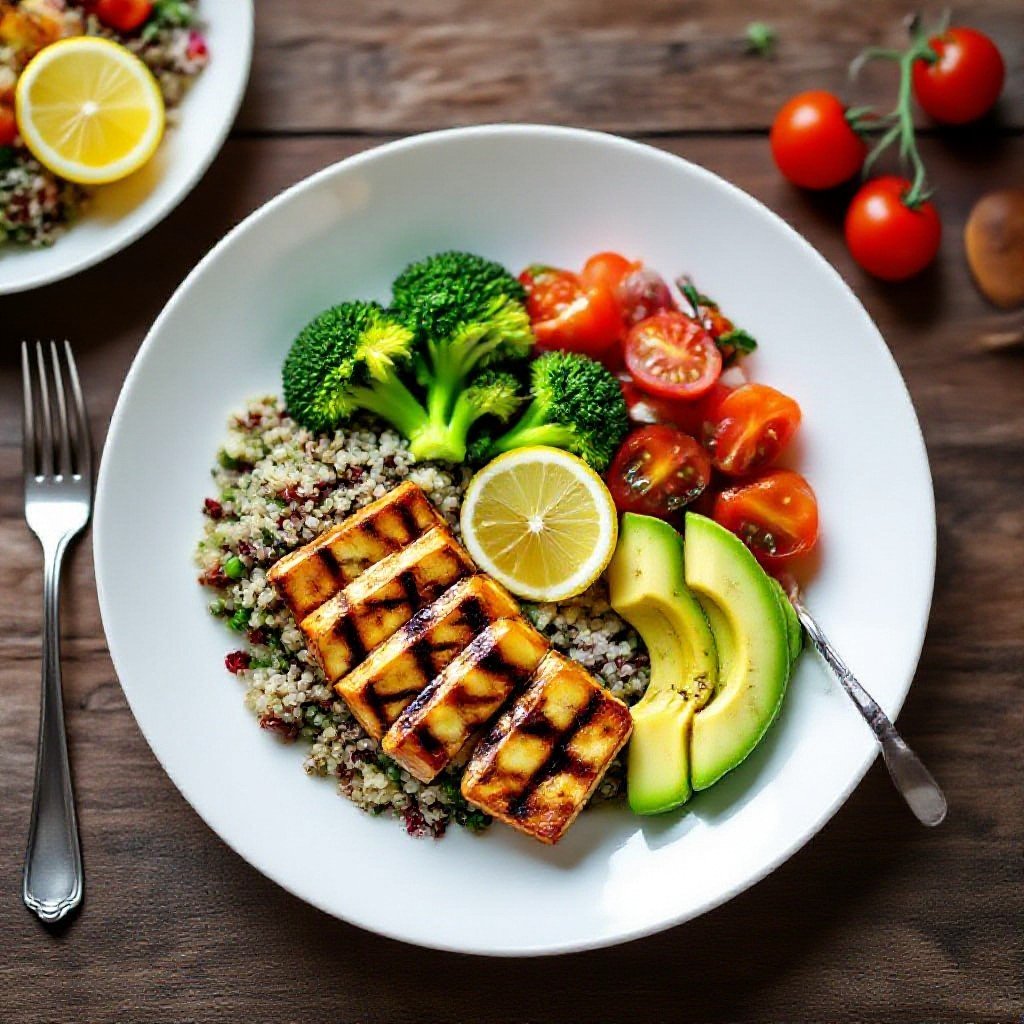
Many people shy away from tofu, picturing bland, squishy blocks. But that’s just a failure of imagination! Tofu is an incredible chameleon, absorbing whatever flavors you throw its way. Press it well, marinate it, and then bake, fry, or scramble it – you won’t believe the difference.
It’s also a complete protein, meaning it contains all nine necessary amino acids your body needs. A half-cup serving of firm tofu, for instance, can pack around 10 grams of protein, making it a fantastic base for stir-fries, curries, or even a hearty breakfast scramble.
Lentils are seriously the secret weapon here
These little legumes are absolute powerhouses, and honestly, they don’t get enough credit. Lentils are incredibly versatile, cheap, and loaded with both protein and fiber. You can throw them into soups, stews, salads, or even make veggie burgers with them.
A single cup of cooked lentils provides roughly 18 grams of protein and an impressive 15 grams of fiber. That’s a serious one-two punch for keeping you feeling satisfied and your digestive system happy. They expand in your stomach, too, which really helps with that “full” feeling.
How to meal prep so you don’t grab the chips
My go-to Sunday routine for a stress-free week
You’ve got to have a plan if you want to avoid those spontaneous, less-than-healthy choices during a busy week. My Sunday routine starts with picking out 2-3 main dishes that can be easily scaled up.
This usually involves a big batch of quinoa or brown rice, roasted vegetables like broccoli and bell peppers, and a lentil or bean-based stew. I’ll also prep some healthy snacks, washing and chopping fruit and veggies like carrots and cucumber sticks for easy grabbing.
Keeping it simple with one-pan wonders
One-pan meals are an absolute lifesaver when you’re short on time but still want something nutritious. You just chop up your chosen veggies, add a protein source like tofu or chickpeas, toss with some olive oil and seasonings, and roast.
The beauty here is minimal cleanup, which is always a win in my book. Think sheet pan fajitas with peppers, onions, and black beans, or a medley of root vegetables and tempeh baked to perfection.
You can even make several portions at once, giving you ready-to-eat meals for a few days. Just divide them into containers once cooled, and you’re set for quick lunches or dinners.
What’s the deal with carbs on a vegetarian diet?
You might be wondering about carbohydrates, especially since so many vegetarian staples are carb-heavy. It’s a common concern, and frankly, it’s where a lot of people get tripped up when they’re trying to manage their weight on a vegetarian diet.
The truth is, not all carbs are created equal, and understanding the difference is key to seeing those numbers on the scale move. You don’t have to cut them out entirely; it’s about making smarter choices.
Complex carbs are actually your best friends
Think of complex carbohydrates as your body’s long-lasting fuel source. They break down slowly, providing a steady release of energy and keeping you feeling full for longer, which is a huge win for weight loss.
These include things like whole grains such as quinoa and brown rice, legumes like lentils and black beans, and starchy vegetables such as sweet potatoes. You’ll find they offer fiber too, another big helper for satiety.
Avoiding the “pasta every night” trap
It’s easy to fall into the routine of relying on quick and easy refined carbs like white pasta or bread, especially after a long day. But these simple carbohydrates cause rapid spikes in blood sugar, followed by a crash that leaves you hungry again surprisingly quickly.
You’re imperatively setting yourself up for a cycle of hunger and overeating if your meals are consistently built around these less-than-ideal choices. And that’s not what we want for sustainable weight management.
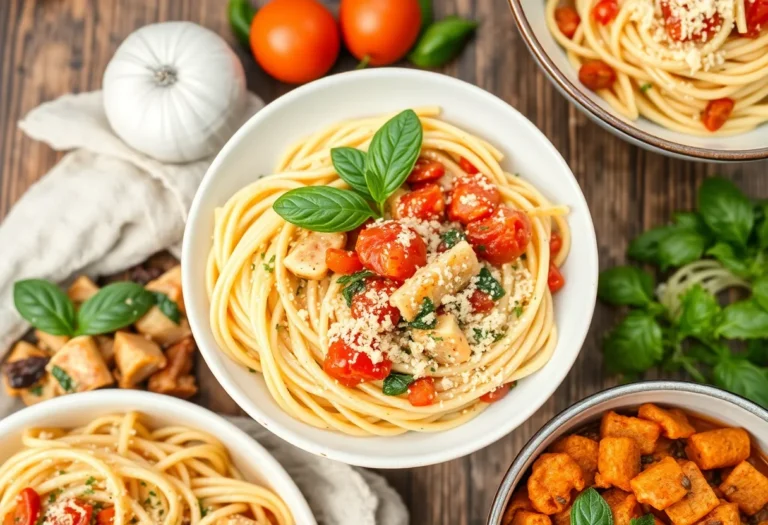
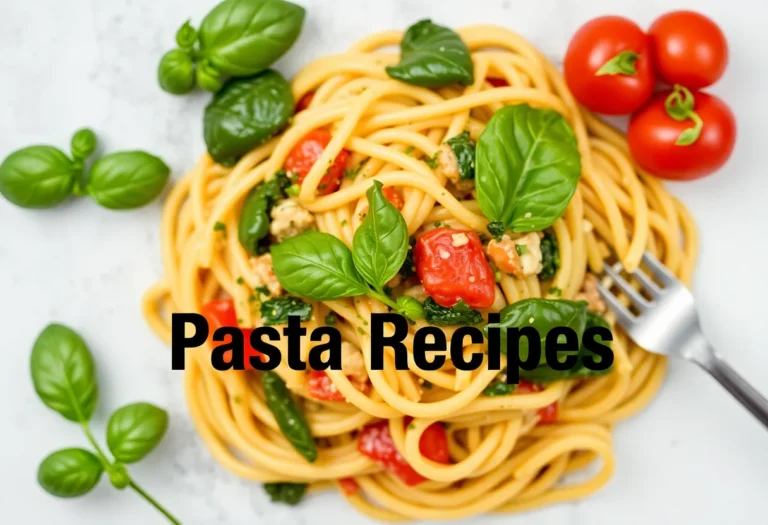
Instead of reaching for that box of white spaghetti, try exploring whole-wheat options or even lentil-based pastas, which offer a much better nutritional profile. Or, better yet, swap out pasta entirely for a base of spiralized zucchini or roasted sweet potato slices for a lighter, more nutrient-dense meal.
The real deal about staying consistent
Sticking with any new eating plan, even one as delicious as a vegetarian diet for weight loss, can feel like a marathon. You’re not alone if you hit a wall sometimes, but the key is building habits that stick without feeling like a punishment. Think small, sustainable changes rather than drastic overhauls you can’t maintain.
It’s all about making your healthy choices the easy choices. Setting yourself up for success means having those veggie meal prep containers ready to go, or knowing exactly what you’ll order at your favorite lunch spot. That kind of planning takes the guesswork out of eating well.
How to handle eating out with friends
Eating out doesn’t have to derail your progress; it’s actually an opportunity to explore new vegetarian options. Many restaurants now offer fantastic plant-based dishes, so don’t be shy about asking your server for recommendations or modifications. You might discover a new favorite.
Consider looking up the menu online beforehand. This little bit of foresight allows you to identify suitable meals that fit your goals and avoid any last-minute, pressure-filled decisions. You’ll feel much more in control of your choices.
Don’t beat yourself up over a slice of pizza
Everyone slips up sometimes, and that’s perfectly okay. One less-than-perfect meal, or even a whole day, isn’t going to undo weeks of effort. The most important thing is how you respond to these moments, not that they happened at all.
Your journey is about progress, not perfection. Acknowledge what happened, learn from it if there’s a pattern, and then simply get back on track with your next meal. Don’t let a single indulgence morph into a week-long abandonment of your goals.
Think of it this way: if you’re driving and take a wrong turn, you don’t abandon the entire trip and go home, do you? You simply re-route and continue towards your destination. The same applies here; a minor detour is just that – minor.
Summing up
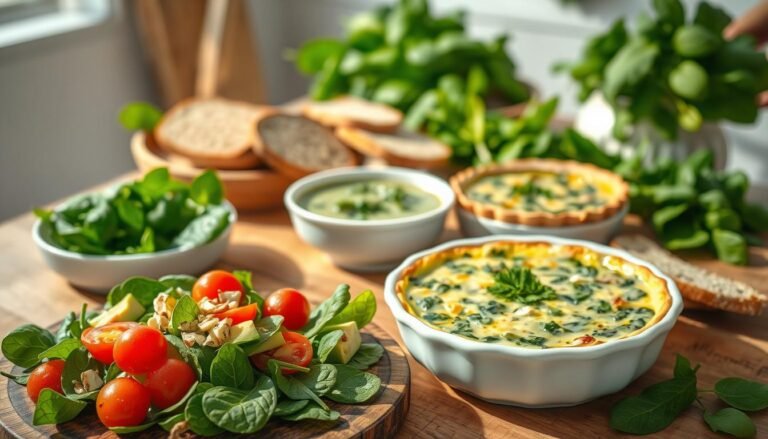
You’ve got a powerful tool for weight loss right at your fingertips with vegetarian eating. It’s not about deprivation; it’s about discovering a wealth of nutritious, satisfying foods that naturally support your goals. Think about the vibrant salads, hearty lentil stews, and delicious tofu scrambles you can enjoy.
Embrace the journey, experiment with new recipes, and you’ll find that shedding pounds can be a truly enjoyable and sustainable experience. You’re not just losing weight; you’re gaining a healthier, more energetic you.