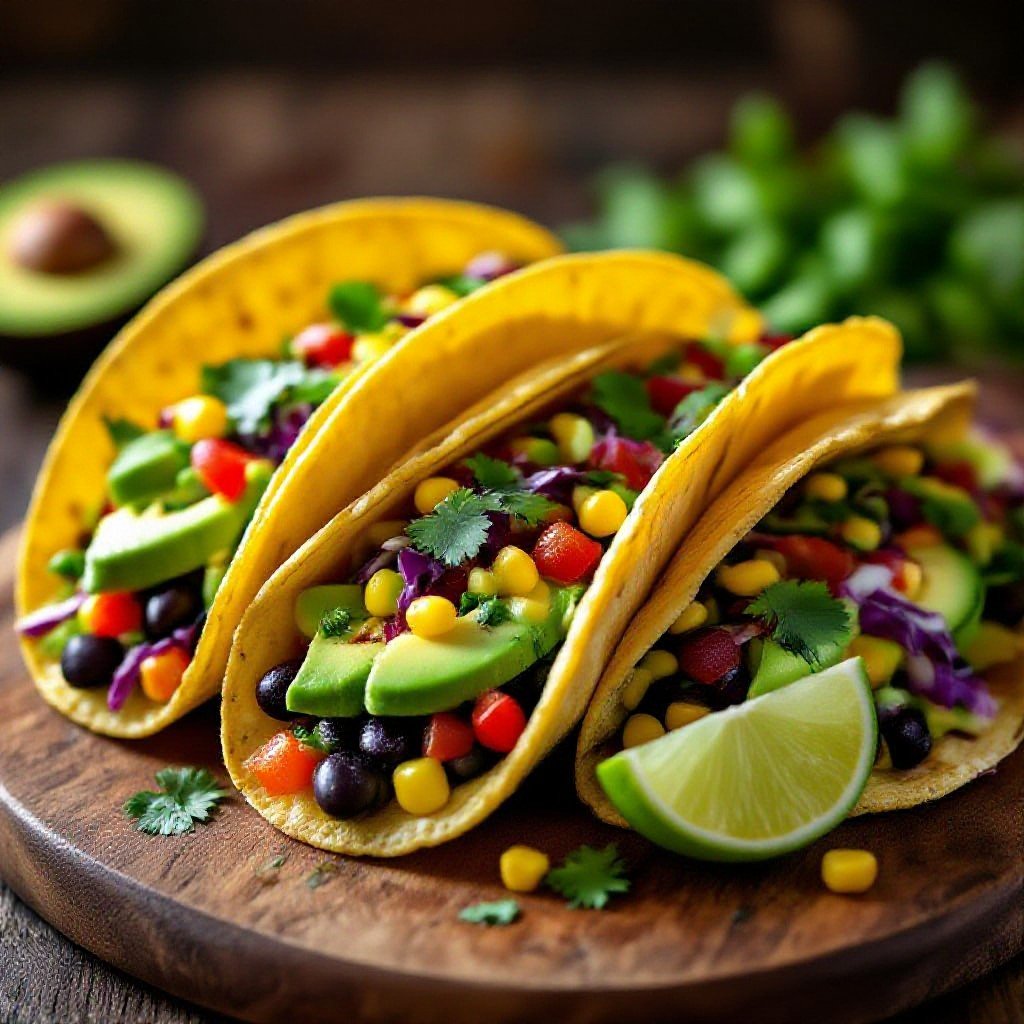
Healthy Mini Veggie Tacos
Many home cooks overlook mini tacos as a serious meal option, but you’re about to discover why these bite-sized powerhouses pack more nutrition and flavor than their full-sized counterparts. You’ll learn how to build satisfying plant-based fillings, select the right shells, and create combinations that actually keep you full without the post-meal crash.
Why are these little guys actually so much better?
Size matters when you’re trying to build a healthier relationship with food, and mini veggie tacos prove this point beautifully. You can pile on all the good stuff without feeling like you’re committing to a massive meal that’ll leave you uncomfortably full. Each bite-sized taco becomes its own little flavor package, letting you control portions naturally while still feeling satisfied.
Traditional tacos often force you into an all-or-nothing situation where you’re either starving or stuffed. With these smaller versions, you get to decide exactly how many you want based on your actual hunger level. Three tacos? Great. Five? Go for it. The flexibility means you’re eating mindfully instead of just powering through whatever’s on your plate.
Kids absolutely love them too, which makes getting vegetables into picky eaters way easier than you’d think. Something about the miniature size makes the whole eating experience feel less intimidating and more like a fun activity. You’ll find yourself reaching for seconds not because you’re still hungry, but because they’re genuinely enjoyable to eat.
They’re just way more fun to eat
Eating should be an experience, not just fuel, and mini veggie tacos turn dinner into something you actually look forward to. You get to pick each one up individually, examine your handiwork, and enjoy it in two or three bites max. There’s something inherently playful about food that fits perfectly in your hand without requiring strategic folding or careful navigation.
Variety becomes automatic when you’re working with smaller portions. You can make each taco slightly different with various toppings, creating a little tasting menu right on your own plate. One might have extra cilantro, another gets a bigger dollop of guacamole, and suddenly you’re having multiple taste experiences instead of just one repetitive meal.
Social eating gets a major upgrade too. When you’re sharing mini tacos with friends or family, everyone can try different combinations without committing to a full serving. The conversation flows better because you’re not wrestling with oversized tortillas or worrying about everything falling apart mid-bite. It’s casual, interactive, and way more engaging than passing around a platter of identical full-sized tacos.
Perfect for when you don’t want a huge mess
Regular tacos have a reputation for being messy disasters, and let’s be honest, they’ve earned it. Fillings escape from both ends, shells crack at the worst possible moment, and you end up with more food on your plate than in your mouth. Mini versions solve this problem almost entirely because there’s just less stuff trying to escape from a smaller space.
You can actually eat these over a nice tablecloth without panicking. The compact size means toppings stay put, and even if something does fall, it’s a tiny piece of tomato rather than an avalanche of ingredients. Your hands stay relatively clean, and you won’t need a full stack of napkins within arm’s reach.
Meal prep becomes cleaner too since you’re working with ingredients that fit neatly into small shells. No more overstuffing and hoping everything holds together until you take that first bite. Each component has its place, and assembly feels more like careful construction than desperate damage control.
Eating on the couch or at your desk becomes totally doable without risking a major cleanup operation. The self-contained nature of mini tacos means you can enjoy them during a lunch break, at a casual gathering, or even while standing at a party. You’re not tied to sitting at a table with a plate in your lap, strategically positioned to catch the inevitable fallout.
Seriously, what’s the secret to a filling that isn’t boring?
Texture is everything when you’re working with veggie fillings. You need contrast – something crispy against something tender, a bit of chew alongside soft components. Without that variety, you end up with mush that tastes fine but doesn’t satisfy. Think about how disappointing a taco becomes when every bite feels the same in your mouth. Varying the sizes of your veggie cuts helps too; dice some ingredients finely while leaving others in bigger chunks so each bite surprises you a little.
Seasoning needs to be aggressive, not timid. Vegetables don’t carry flavor the way meat does, so you can’t just sprinkle a little cumin and call it done. Layer your spices at different stages – some go on before roasting, others get stirred in after. Smoked paprika, chipotle powder, and a good hit of garlic create depth that makes people think there’s something more complex happening than just roasted veggies. Don’t forget acid either. A squeeze of lime or a splash of vinegar right before serving wakes everything up.
Fat makes vegetables taste like something worth eating. Brush your veggies with olive oil or avocado oil before they hit the heat, and you’ll get caramelization that brings out natural sugars. That golden-brown edge on a roasted pepper or zucchini? That’s where the flavor lives. Skip the oil and you’re basically eating steamed vegetables in a shell, which nobody wants.
My take on the best veggie combo
Bell peppers form the backbone of my go-to mix because they get sweet when roasted and hold their shape. You want at least two colors – red and yellow work beautifully together – cut into strips about half an inch wide. Zucchini adds bulk without being heavy, but you’ve got to cut it thick enough that it doesn’t turn to mush. Quarter-inch rounds work well. Onions are non-negotiable; they caramelize into these jammy, sweet bits that tie everything together.
Mushrooms bring an earthy, almost meaty quality that makes the filling feel substantial. Cremini or baby bellas work better than white buttons because they’ve got more flavor. Slice them thick so they stay juicy inside while the edges crisp up. Corn kernels – either fresh off the cob or thawed from frozen – add pops of sweetness and a different texture entirely. Just toss them in during the last ten minutes of roasting so they char slightly but don’t dry out.
Black beans belong in the mix, but add them at the end so they warm through without getting dried out. Canned works perfectly fine if you rinse them well. The combination of roasted vegetables with beans gives you enough protein and fiber that these tacos actually keep you full. You’re not hunting for snacks an hour later, which is the real test of whether a veggie meal works.
Why I think roasting makes all the difference
Roasting transforms vegetables in a way that sautéing or steaming simply can’t match. High heat – around 425°F – causes the natural sugars in vegetables to caramelize, creating those crispy, slightly charred edges that add complexity. Your veggies develop concentrated flavor as moisture evaporates, rather than steaming in their own juices like they would in a pan. Spread everything in a single layer on your baking sheet because crowding creates steam instead of that golden-brown color you’re after.
Oven heat hits vegetables from all sides, giving you even cooking without the constant stirring that stovetop methods demand. You can prep your veggies, slide the pan in, and walk away for twenty minutes while you handle other things. That hands-off approach means you’re not standing over a hot stove, sweating and stirring. Flip everything once halfway through and you’re done. The oven does the work while you make your sauce or chop toppings.
Roasted vegetables taste richer and more interesting than their raw or lightly cooked versions. The Maillard reaction – that chemical process where proteins and sugars brown – creates hundreds of new flavor compounds that didn’t exist before. You get nutty, sweet, and slightly smoky notes that make
Honestly, the toppings are the real star of the show
Building your mini veggie tacos with just the filling and shells leaves you with something pretty underwhelming, to be honest. Toppings transform these bite-sized creations from simple to spectacular, adding layers of texture, brightness, and flavor that make each taco feel complete. Think about it – without that cool crunch of cabbage or the tangy kick of pickled onions, you’re basically eating seasoned vegetables in a small tortilla. The right combination of toppings creates contrast and balance, turning what could be a one-note snack into something you’ll actually crave.
Texture plays a huge role here, and you’ll want to include at least two or three different elements. Shredded cabbage or lettuce gives you that satisfying crunch, while diced avocado or guacamole brings creaminess. Pickled vegetables – whether red onions, jalapeños, or radishes – add acidity that cuts through richer components. Don’t forget about seeds or nuts for an extra layer of crunch; pepitas or crushed peanuts work beautifully. Each topping should serve a purpose beyond just looking pretty on your plate.
Balancing cool and warm elements makes these tacos especially enjoyable. Your filling comes out hot and savory, so pairing it with cold, crisp toppings creates that restaurant-quality contrast you’re after. Fresh salsa, whether it’s pico de gallo or a fruit-based version with mango, adds moisture and brightness without making things soggy. The key is having everything prepped and ready before you start assembling – once those shells are filled, you’ll want to top and serve them immediately while they’re still warm.
My go-to creamy lime sauce
Blending cashews with lime juice, garlic, and a splash of water creates the most addictive drizzle you’ll ever make for tacos. Soak raw cashews in hot water for about 15 minutes first, then drain and toss them into your blender with fresh lime juice, a clove of garlic, and just enough water to get things moving. The result is a silky, tangy sauce that’s miles better than store-bought alternatives and takes maybe five minutes of active work. You can adjust the consistency by adding more or less water – thicker for dolloping, thinner for drizzling.
Seasoning this sauce is where you can get creative and make it your own. A pinch of cumin adds earthiness that complements the veggie filling, while a tiny bit of maple syrup balances the lime’s acidity without making things sweet. Salt is non-negotiable here; cashews need a fair amount to bring out their natural creaminess. Some people add cilantro directly to the sauce, though I prefer keeping the herbs separate so you can control exactly how much goes on each taco. If you’re not into cashews, sunflower seeds work as a nut-free alternative with a slightly different but still delicious flavor profile.
Storing this sauce properly means you can make it ahead and have it ready whenever the taco craving hits. It’ll keep in an airtight container in your fridge for up to five days, though it tends to thicken as it sits. Just stir in a teaspoon of water at a time to bring it back to your preferred consistency. The lime flavor actually intensifies overnight, which is a bonus. You’ll find yourself using this on grain bowls, roasted vegetables, and basically anything that needs a creamy, tangy boost beyond just these mini tacos.
Why you shouldn’t skimp on the fresh herbs
Fresh cilantro and other herbs bring an aromatic quality that dried versions simply can’t replicate, especially in dishes where they’re added raw at the end. When you chop cilantro and sprinkle it over warm tacos, the heat releases its vital oils, creating that distinctive bright, citrusy aroma that makes your mouth water before you even take a bite. Dried herbs have their place, but they’ve lost most of those volatile compounds during processing. For mini tacos where every component is magnified because of the smaller size, fresh herbs make a noticeable difference in the overall experience.
Cilantro isn’t your only
Is this actually healthy or just health-ish?
You’re probably wondering if these tacos are genuinely nutritious or just dressed-up junk food with a wellness filter. The answer depends entirely on what you put in them. A mini taco filled with black beans, roasted vegetables, and fresh salsa clocks in at around 60-80 calories each, with solid fiber and protein. But load them up with sour cream, cheese, and fried shells? You’re looking at something closer to a calorie bomb than a health food.
Portion control works in your favor here. Because they’re small, you naturally eat fewer calories per taco while still getting that satisfying hand-to-mouth experience. Three or four of these will leave you full without the heavy, bloated feeling that comes from demolishing two full-sized tortillas stuffed to bursting. Your body registers satisfaction from the variety of textures and flavors, not just sheer volume.
Vegetable-forward fillings mean you’re actually eating a pretty balanced meal. You get complex carbs from the shells, plant protein from beans or lentils, healthy fats from avocado, and a ton of vitamins from whatever veggies you pile on. The key is being honest about your ingredient choices and not convincing yourself that a tablespoon of Greek yogurt makes up for a quarter cup of shredded cheddar.
The truth about the plant-based protein here
Black beans and lentils aren’t complete proteins on their own, and that’s fine. You don’t need every single amino acid in one bite. When you eat these tacos with corn shells, you’re combining legumes with grains, which gives you all nine vital amino acids your body needs. This combo has fueled entire civilizations for thousands of years.
Each mini taco with a bean-based filling gives you roughly 3-4 grams of protein, depending on how generous you are with the filling. That might not sound like much, but four tacos get you to 12-16 grams, which is a respectable amount for a lunch or dinner. Pair that with the fiber from the beans and vegetables, and you’ve got a meal that keeps your blood sugar steady instead of spiking and crashing.
Tempeh or crumbled tofu can boost the protein content even higher if you’re aiming for a post-workout meal. Seasoned tempeh crumbles bring about 6-7 grams of protein per mini taco, nearly doubling what you’d get from beans alone. The texture mimics ground meat closely enough that even skeptics usually don’t complain, especially when you’ve got the right spice blend working its magic.
Keeping things light without losing the flavor
Spices do the heavy lifting when you’re cutting back on fat and calories. Smoked paprika, cumin, chili powder, and garlic powder create depth and complexity that makes your brain think it’s eating something indulgent. You can use a fraction of the oil you’d normally need because the spices themselves carry so much flavor that fat becomes less necessary as a delivery system.
Roasting your vegetables instead of sautéing them in oil saves calories while intensifying their natural sweetness. Bell peppers, zucchini, and onions caramelize in the oven, developing those crispy, browned edges that add a meaty texture to your filling. A light mist of cooking spray is all you need, maybe a teaspoon of oil total for a whole sheet pan of vegetables.
Fresh toppings bring brightness that tricks your palate into feeling satisfied with less. Lime juice, cilantro, pickled onions, and fresh salsa add punchy, acidic notes that cut through the richness of beans and make each bite feel complete. Your taste buds get so much stimulation from these sharp, clean flavors that you don’t miss the sour cream or shredded cheese nearly as much as you’d expect.
Greek yogurt mixed with lime juice and a pinch of salt makes a lighter alternative to sour cream that still gives you that creamy, tangy element. You’re getting protein instead of just fat, and the consistency is nearly identical when you thin it out slightly. A small dollop goes a long way when
How do you serve these without them falling apart?
Balancing mini tacos on a plate is like trying to keep dominoes from falling – one wrong move and you’ve got a veggie avalanche. The key is creating a stable base before you even think about filling those shells. You can use a muffin tin turned upside down, nestling each taco between the cups to keep them upright while you work. Another trick? Line up a folded kitchen towel on your serving platter and tuck the tacos into the folds. It’s low-tech but surprisingly effective.
Serving them immediately after assembly makes a huge difference too. Mini taco shells get soggy fast when they’re loaded with warm filling and fresh toppings. If you’re prepping for a party, keep your components separate until the last possible moment. Set up a little assembly station where guests can build their own – it’s interactive and solves the structural integrity problem entirely. Plus, people love customizing their food.
Presentation matters more than you’d think with finger foods this small. A flat platter won’t cut it here. You need something with edges or compartments to keep everything contained. Those divided serving trays work beautifully, or you can get creative with small bowls arranged on a larger board. Just make sure whatever you choose can handle a little leakage from juicy veggies without turning into a mess.
The best way to keep ’em standing up
Specialty taco holders aren’t just gimmicky kitchen gadgets – they’re actually useful for mini versions. You can find holders designed specifically for street taco sizes that work perfectly with these little shells. They come in metal, bamboo, or even ceramic, and most hold three to four tacos at a time. Stack a few on your table and you’ve got an instant solution that looks intentional rather than improvised.
DIY options work just as well if you don’t want to buy another single-use item. Take a sheet pan and crumple aluminum foil into long, snake-like shapes, then nestle your tacos into the grooves. The foil molds around each shell and keeps it propped at the perfect angle. You can also use small ramekins or shot glasses as individual stands – just lean each taco against the side. It looks quirky but functional.
Filling technique plays a role in stability too. Don’t overstuff these babies or they’ll topple under their own weight. A tablespoon of filling per shell is plenty – enough to taste everything but not so much that it spills out the sides. Pack the filling in gently rather than mounding it high, and add your toppings strategically. Heavier items like diced tomatoes go in first, lighter ones like shredded lettuce on top. Physics matters when you’re working at this scale.
What to drink with these little tacos
Light, citrusy drinks complement the fresh veggie flavors without overwhelming them. A classic margarita works beautifully – the lime cuts through any richness from cheese or avocado. You could also go with a paloma made with grapefruit soda and tequila, which has that same bright acidity but feels a bit more refreshing. For non-alcoholic options, try agua fresca in flavors like cucumber-lime or watermelon. These chilled fruit waters originated in Mexico and pair naturally with taco-style meals.
Beer is always a solid choice if you want something casual and easy. Mexican lagers like Modelo or Pacifico are traditional pairings, but don’t sleep on a crisp pilsner or even a light wheat beer. The carbonation cleanses your palate between bites, which is especially nice when you’re eating multiple small tacos in one sitting. Avoid anything too heavy or hoppy – you want the drink to refresh, not compete with the food.
Sparkling water with a squeeze of fresh lime might sound boring, but it’s honestly perfect for these. The bubbles provide the same palate-cleansing effect as beer without any alcohol, and the lime ties into the citrus notes you’ve probably already got going in your taco toppings. You can fancy it up by adding muddled herbs like cilantro or mint. If you’re serving these for brunch, a mic


Conclusion
You’ve got everything you need to make mini veggie tacos a regular part of your meal rotation. These aren’t just a lighter alternative to traditional tacos – they’re a complete meal that delivers real nutrition without leaving you hungry an hour later. The fiber from the beans and vegetables, combined with quality protein and healthy fats from toppings like avocado, keeps your energy stable throughout the day.
The beauty of this recipe lies in how adaptable it is to your lifestyle. You can prep the filling on Sunday and assemble fresh tacos all week long. Or throw together a quick batch when unexpected guests show up. The mini format makes portion control effortless while still feeling indulgent.
Your family won’t even realize they’re eating something this nutritious. Kids love the hands-on nature of mini tacos, and you’ll love that they’re loading up on vegetables without complaint. Start with the basic recipe, then experiment with different vegetable combinations and toppings until you find your perfect version. You’ll wonder why you didn’t start making these sooner.