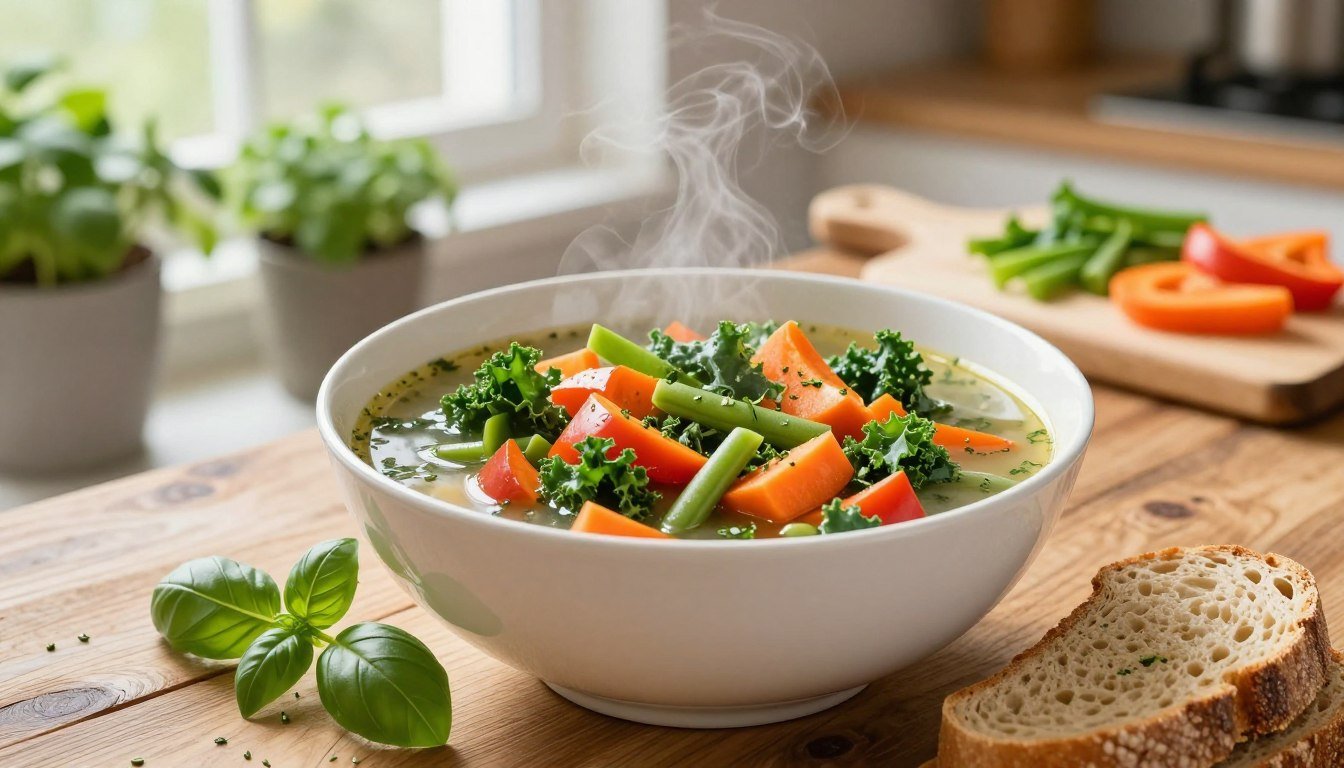
Healthy Veggie Soup Recipes
Have you wondered whether you can make a restaurant-quality meal at home without hours at the stove? Many people think a nourishing bowl requires professional skills, but these healthy veggie soup recipes make it simple. They use fresh produce and pantry staples to save time.
Whether you need a quick lunch or hearty dinner, this collection fits every schedule. You can customize these vegetable soup recipes with favorite beans, grains, or seasonal greens. Adjust the seasonings to suit your taste.
These meals suit busy weeknights and weekend meal prep sessions. They offer comfort during cold months while supporting your nutrition goals. Grab your favorite pot and enjoy a warm, flavorful bowl tonight.
Key Takeaways
- Focus on fresh, seasonal produce for the best flavor.
- Use pantry staples like beans and grains to add substance.
- Customize your bowl with herbs and spices you enjoy.
- Prepare large batches ahead of time for easy lunches.
- Adjust cooking techniques to fit your busy schedule.
What Makes a Vegetable Soup Healthy and Satisfying
A great healthy vegetable soup balances fresh ingredients with bold flavors. To avoid watery broth, combine plant-based proteins, complex carbohydrates, and colorful vegetables. This mix gives each spoonful rich flavor and lasting energy.
Begin with onions, carrots, and celery, the classic trio. These aromatics create a savory base and build depth as they simmer. Add kale or spinach near the end to protect their bright texture and key nutrients.
For nutritious soup recipes that keep you full, add beans or lentils. They provide fiber and protein, turning a light starter into a complete meal. Starchy vegetables, such as potatoes or sweet potatoes, add satisfying weight to your bowl.
Control sodium with low-sodium vegetable broth or homemade stock as your liquid base. Fresh herbs, such as thyme, rosemary, or parsley, add flavor without extra salt. A little olive oil or a sprinkle of seeds adds healthy fats and a rich, balanced feel.
Variety keeps a bowl from feeling one-dimensional. Mix textures, such as crunchy carrots, soft beans, and tender greens, for an exciting, healthy meal. These simple principles help you craft a healthy vegetable soup that satisfies every craving.
Healthy Veggie Soup Recipes for Any Day of the Week
Enjoy a different homemade vegetable soup each day with these simple ideas. These ideas help you use pantry ingredients while keeping meals nutritious and delicious.
Key Ingredients and Flavor Profile
For classic tomato-based soup, gather canned crushed tomatoes, onions, garlic, and dried basil. Together, they create a bright, savory flavor that feels like a warm hug in a bowl.
Simple Cooking Method
Sauté onions and garlic in a pot until soft. Add tomatoes and vegetable broth, then simmer for twenty minutes before blending until smooth.
For hearty lentil and vegetable soup, combine brown lentils, carrots, celery, and cumin. This easy veggie soup has a deep, earthy flavor that satisfies even the biggest appetites.
Simple Cooking Method
Combine all ingredients in a large pot with plenty of water or broth. Bring the mixture to a boil, then reduce heat and cook until the lentils are tender.
Key Ingredients and Flavor Profile
For vibrant green vegetable soup, use spinach, zucchini, peas, and fresh parsley. These vegetarian soup recipes use fresh herbs for a clean, refreshing taste that highlights seasonal produce.
Simple Cooking Method
Steam green vegetables briefly to keep their bright color. Blend them with a splash of lemon juice and vegetable stock for a light, nutrient-packed meal.
Key Ingredients and Flavor Profile
A rustic bean soup uses white beans, kale, rosemary, and potatoes. This combination creates a creamy, comforting base that feels substantial.
Simple Cooking Method
Simmer beans and potatoes in broth until soft enough to mash slightly. Stir in kale at the very end so it stays bright and slightly crisp.
Quick Vegetable Soups for Busy Weeknights
Busy weeknights need smart cooking strategies that save time and effort. You can make a nutritious meal without spending hours in the kitchen. Efficient techniques keep a quick vegetable soup within reach.
Fast Preparation Strategy
Keep pre-chopped aromatics, such as onions, carrots, and celery, in your freezer. Canned beans or lentils add instant protein and fiber to your pot. Choose quick-cooking vegetables, such as baby spinach, zucchini, or diced tomatoes, to shorten stove time.
Easy Ingredient Swaps
Flexibility makes dinner less stressful. If a recipe calls for kale, use Swiss chard or bok choy instead. Swap vegetable broth for water with a dash of soy sauce or miso paste when stock runs out.
How to Use Frozen Vegetables
Frozen produce helps when you want a fresh vegetable soup without preparation work. These vegetables are picked at peak ripeness and flash-frozen to lock in nutrients. Toss them directly into boiling broth for an instant boost of color and vitamins.
Ways to Add More Flavor
Building depth quickly starts with your base. Sauté your aromatics in a little olive oil until soft and fragrant before adding liquid. A splash of vinegar or a squeeze of citrus at the end brightens the entire dish.
One-Pot Cooking Instructions
The beauty of a one pot soup is its minimal cleanup after your meal. Use a large Dutch oven or deep pot to sauté vegetables, simmer broth, and cook grains in one place. This method keeps the delicious juices contained, creating a more flavorful final product.
Recommended Toppings
Simple toppings can add texture and zest to your bowl. Add a dollop of Greek yogurt, a creamy avocado slice, or a handful of fresh herbs. These toppings make your one pot soup feel like a gourmet experience.
Hearty Healthy Veggie Soups for Cold Weather
When temperatures drop, few meals beat a bowl of hearty vegetable soup. These meals offer warmth and comfort while supporting your nutrition goals. With the right ingredients, you can make filling dishes that feel substantial without feeling heavy.
Best Vegetables for a Robust Broth
Start with root vegetables such as carrots, parsnips, and potatoes. Add cabbage and tomatoes for body and a bright, slightly tangy flavor. They release natural sugars and minerals, creating a rich base for your winter soup recipes.
How to Cook Barley Until Tender
Barley adds a chewy texture that helps keep you full for hours. Simmer the grains in your broth until they soften but retain a slight bite. Barley absorbs savory liquid, making each spoonful more enjoyable.
Balancing Sweet, Savory, and Spicy Flavors
Great soup depends on a careful balance of flavors. Use sweet onions or leeks against savory herbs and umami-rich ingredients. Add vinegar or lemon juice for acidity, plus red pepper flakes for gentle heat.
Make-Ahead and Reheating Tips
Good soup meal prep makes busy weeks easier to manage. Slightly undercook delicate vegetables before storing soup, so they stay firm later. When reheating portions, add water or broth to restore the right consistency.
How to Develop Deep Mushroom Flavor
Mushrooms add an earthy, meaty quality to plant-based bowls. Sauté them in a hot pan until golden brown, then add them to the liquid. This step concentrates their natural umami and gives soup a rich, professional finish.
Keeping the Texture Hearty but Light
Add sturdy greens such as kale or chard near the end of cooking. They wilt quickly, adding bright color and nutrients without making soup feel dense. This method keeps your hearty vegetable soup light yet filling for winter soup recipes.
Creamy Vegetable Soups Without Heavy Cream
Your next healthy vegetable soup can feel smooth and satisfying without heavy cream. Plant-based swaps create a rich mouthfeel without dairy or butter, while keeping the bowl light and nutritious.
Roasting Versus Simmering the Vegetables
How you cook vegetables changes your dish’s entire flavor. High-heat roasting brings out natural sugars and creates deep, caramelized flavor for hearty soups. This richness adds complexity and mimics cream’s weight.
Simmering keeps ingredients fresh and bright. It suits lighter, spring-inspired recipes that let the produce’s natural flavor shine. Choose your method based on the depth of flavor you want.
Healthy Garnishes for Extra Texture
A creamy vegetable soup often benefits from a little crunch. Sprinkle toasted pumpkin seeds, sunflower seeds, or chopped walnuts on top for contrast. Chives or parsley add color and fresh flavor.
How Beans Create a Creamy Consistency
To thicken your vegan vegetable soup, use ingredients from your pantry. Blending white beans, such as cannellini or navy beans, adds body and protein. Potatoes, steamed cauliflower, or soaked cashews also create a silky texture without greatly changing the flavor.
Seasonings That Brighten Mild Vegetables
Mild vegetables may taste flat after blending. Fresh lemon juice or apple cider vinegar can quickly wake up their flavors. Thyme, rosemary, or basil add layers of flavor to each spoonful.
Preserving the Soup’s Green Color
To keep green soups vibrant, avoid overcooking them. Blanch greens in boiling water for just one minute before blending them. This quick step locks in chlorophyll and keeps your soup an appetizing green.
How to Adjust the Thickness
Adjusting soup thickness is simple when you find the right balance. Add broth slowly while blending until you reach the desired thickness. If it becomes too thin, simmer it briefly to reduce liquid or blend in more cooked potatoes.
High-Protein Vegetable Soups That Keep You Full
High protein vegetable soup can help you stay full and satisfied throughout the day. Beans, lentils, and tofu turn light broth into a filling plant-based meal. These nutritious soup recipes provide energy without making you feel weighed down.
Choosing Beans for Protein and Texture
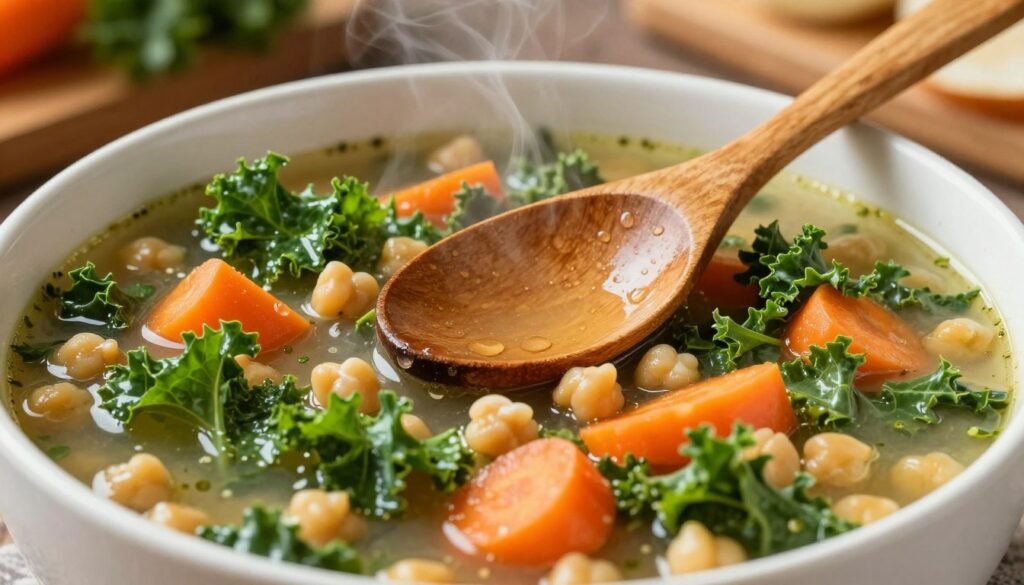
When preparing a bean vegetable soup, consider each legume’s texture. Chickpeas hold their shape, while cannellini beans make the broth creamy and thick. Mix different types for a balanced texture that keeps your palate interested.
Why Lentils Work Well in Soup
A classic lentil vegetable soup remains a staple for good reason. Lentils cook in the liquid, saving time and effort in the kitchen. As they soften, they release starches that naturally thicken your vegan vegetable soup.
Adjusting the Heat for Your Taste
Building flavor is essential for a delicious high protein vegetable soup. Fresh garlic, ginger, and chili flakes create a warm, inviting base. Adjust these spices to your taste, keeping each bowl approachable and exciting.
Using Miso for Savory Depth
Miso paste adds deep, savory umami flavor to your vegan vegetable soup. Whisk a small amount into the broth at the end of cooking. This simple step greatly elevates the flavor of your bean vegetable soup.
Adding Greens at the Right Time
Add greens during the final minutes to keep them vibrant and tender. Spinach, kale, and chard need only a brief time in hot liquid to wilt. This method keeps your soup fresh-looking and preserves its nutritional value.
How to Avoid Overcooking Edamame
Edamame adds bright color and protein to any bowl. Stir it into the pot just before serving to prevent overcooking. This keeps the beans firm and bright, giving every spoonful the best texture.
How to Customize, Store, and Reheat Your Soup
Customizing and storing soup can change your kitchen routine. You can elevate your homemade vegetable soup by changing textures and flavors. Swap seasonal vegetables, add hearty grains like farro, or stir in legumes for extra substance.
For a bold flavor, finish your soup with lemon juice or apple cider vinegar. Adjust the spice level with red pepper flakes or fresh ginger during the final minutes of cooking. This flexibility makes every one pot soup feel new.
Proper soup storage keeps meals fresh and safe to eat. Cool your soup quickly by placing the pot in an ice bath before refrigerating it. Use airtight containers to lock in moisture, prevent odors from transferring, and label each portion with the date.
Ingredients react differently to heat when you reheat leftovers. A hearty lentil vegetable soup or thick bean vegetable soup may absorb liquid over time, so keep extra broth nearby. For recipes with delicate leafy greens or pasta, add them fresh or reheat gently to prevent overcooking.
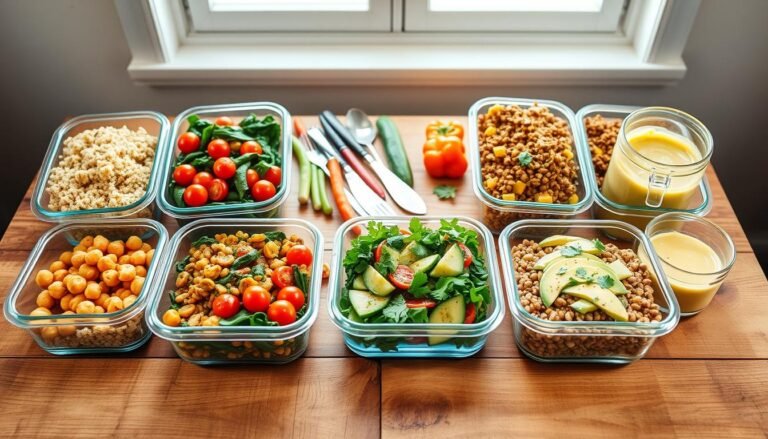
These habits support successful soup meal prep. Preparing several portions at once saves time without lowering ingredient quality. With proper storage, healthy bowls can taste delicious on day four, just as they did when cooked.
Simple Toppings and Sides for a Complete Bowl
The right soup toppings turn a basic bowl into a complete, satisfying meal. They change texture and flavor in seconds. Add crunch with toasted seeds or homemade croutons, or creaminess with a dollop of plain yogurt or sliced avocado.
To brighten vegetarian soup recipes, add fresh herbs or a dash of lemon zest. For more excitement, drizzle on chili oil or add a handful of roasted chickpeas for heat and protein. These small additions make each bowl feel new.
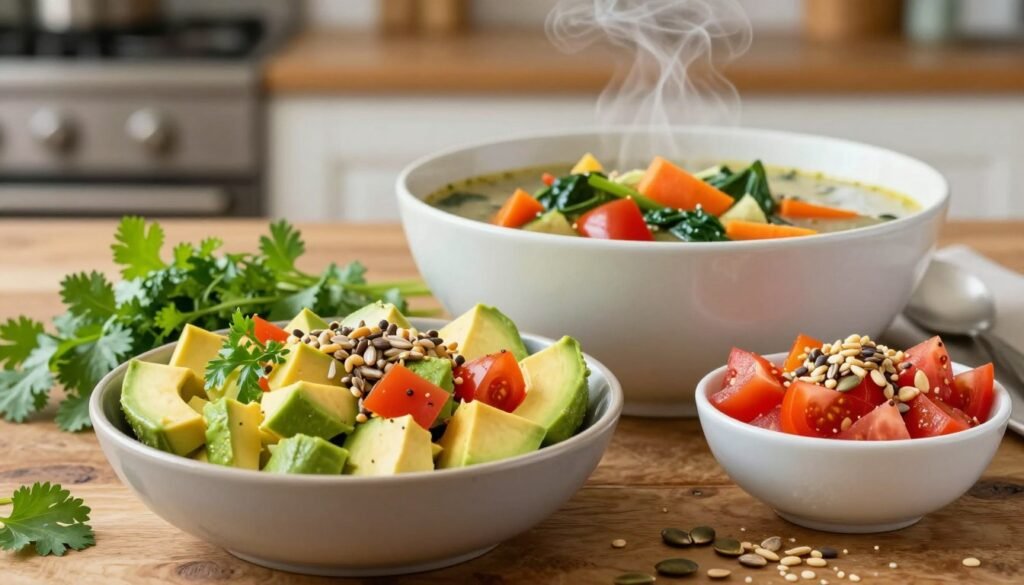
When you make a quick vegetable soup, the right side dish creates a balanced dinner. A slice of crusty whole-grain bread soaks up the broth. You can also serve a light side salad or roasted vegetables.
Even with the same base for winter soup recipes, these choices help everyone customize a bowl. Keep various ingredients nearby so your vegetarian soup recipes stay fresh and exciting. Different soup toppings keep mealtimes interesting and delicious.


Conclusion
You now have the tools to turn fresh produce into nourishing meals. These healthy veggie soup recipes offer a flexible way to feed your family all week.
Make a quick bowl on a busy night, or simmer a hearty vegetable soup for a slow Sunday dinner. Experiment with texture to make a silky creamy vegetable soup without heavy dairy products.
For extra fuel, try a high protein vegetable soup packed with beans or lentils. These ingredients can keep you satisfied for hours.
Proper soup storage helps your hard work last for days in the refrigerator or freezer. Always keep your favorite soup toppings ready for fresh crunch or a burst of flavor in every bowl.
Your kitchen is the perfect place to test new spices and seasonal vegetables. Start your next batch today and enjoy a homemade meal shaped to your unique taste.
Printable Recipe Card
Want just the essential recipe details without scrolling through the article? Get our printable recipe card with just the ingredients and instructions.