Healthy Vegan Snack Prep

That 3pm hunger pang hits hard, and if you’re not ready for it, a bag of chips starts looking real tempting. You don’t need a culinary degree or a pantry full of exotic powders to keep plant based snacks on hand. What you need is a plan, a few smart staples, and maybe fifteen minutes on a Sunday. Let’s get you sorted.
Key Takeaways:
- Batch prepping a few staples, think roasted chickpeas, chopped veggies, and a big jar of overnight oats, saves you from grabbing chips when hunger hits at 3pm on a random Tuesday.
- Protein doesn’t have to come from some fancy powder. Edamame, lentil dips, and nuts pull their weight just fine if you’re consistent about including them.
- Storage matters more than people think. A soggy cucumber or a mushy energy ball will kill your motivation faster than skipping prep altogether, so the right containers actually make a difference.
Wait, what gear do I actually need?
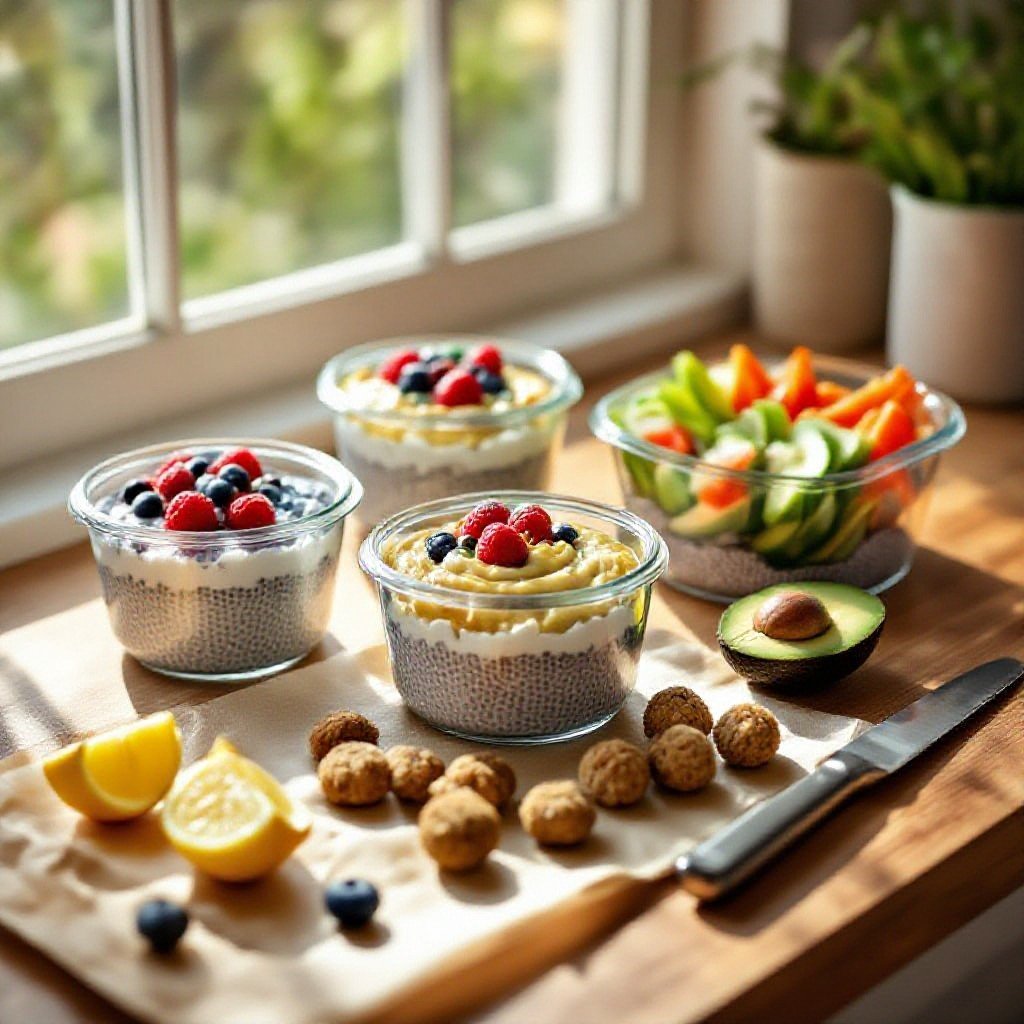
You don’t need a fancy kitchen setup to make snack prep work, but a few smart purchases will save you from soggy carrots and sad, squished energy balls. Glass containers are the one investment worth making right away. Grab a set of various sizes, some small enough for a single portion of nuts, others big enough to hold a week’s worth of chopped veggies. Once you have them, meal prep stops feeling like a chore and starts feeling like something you actually look forward to on Sunday afternoons.
Beyond containers, a decent set of mason jars pulls double duty for overnight oats, dressings, and layered snack jars that look good enough to photograph. A sharp chef’s knife matters more than people admit, since dull blades turn veggie chopping into a wrestling match. Silicone muffin liners help with portioning bites without waste. None of this needs to be expensive, thrift stores are goldmines for glassware.
Why I think glass is better than plastic
Plastic containers stain, warp, and hold onto smells long after you’ve washed them out. Glass doesn’t do any of that. You can toss a container of beet hummus in there one day and lemon rice the next, and it comes out smelling like nothing but itself. Glass also handles heat without leaching anything questionable into your food, so reheating leftovers straight in the container becomes a real option instead of a gamble.
Durability matters too, since a glass container you drop on the counter usually survives, while a cheap plastic one cracks along the seam within a few months. You’ll also notice your food actually stays fresher longer, since glass seals tend to be tighter than the flimsy plastic snap lids. Buying one solid set now beats replacing warped tubs every few months.
The real deal about reusable snack bags
Reusable silicone bags get a lot of hype, and for good reason, they’re great for portioning things like trail mix or sliced apples you’re tossing into a bag on your way out the door. They zip shut, wipe clean, and collapse flat, so they don’t eat up drawer space the way rigid containers do. For grab-and-go snacking, they’re honestly hard to beat.
Where they fall short is with anything juicy or oily, think hummus or cut tomatoes, since residue tends to cling to the seams and gets tricky to scrub out fully. Rotate them with your glass containers rather than relying on them for everything. A mix of both gives you flexibility, snack bags for dry, portable bites, glass for anything wetter or messier that needs to stay fresh in the fridge for a few days.
Seriously, where’s the protein coming from?
Protein is the question everyone asks the second they hear “vegan snacks,” and fair enough. You don’t need powders or fake meat to hit your numbers. Beans and nuts do the heavy lifting here, and they’ve been doing it for a lot longer than any modern supplement aisle has existed. A handful of almonds or a scoop of chickpeas gives you staying power that a bag of chips just can’t match. Your blood sugar stays level, your stomach stays satisfied, and you’re not raiding the pantry an hour later looking for something else.
Batch prepping is where this actually pays off. Soak, roast, or portion your beans and nuts once during the week and you’ve got grab and go fuel sitting in your fridge or on your counter. Lentils, black beans, cashews, pistachios, walnuts – mix and match based on what’s on sale or what you’re craving. Combine two or three of these in a single container and you’re looking at a snack with real muscle behind it, not just empty crunch.
My take on making the perfect roasted chickpeas
Chickpeas get a bad reputation for being boring, but that’s only true if you rush the process. Draining and rinsing a can isn’t enough – you need to pat them completely dry, or they’ll steam instead of crisp in the oven. Toss them in a thin layer of oil, spread them out so they’re not touching, and give them real oven time at a decently high heat. Stirring halfway through matters more than people think. Skip that step and you end up with chickpeas that are crunchy on one side and sad on the other.
Seasoning is where you get to have fun. Smoked paprika and garlic powder give you something savory enough to replace crackers entirely. Cinnamon and a touch of maple syrup turn the same base into something dessert adjacent. Salt them right after they come out of the oven, while they’re still warm, so it actually sticks. Store them uncovered for the first hour so trapped steam doesn’t undo all that crisping work you just put in.
Why I think edamame is the ultimate lazy snack
Edamame doesn’t ask much of you, and that’s exactly the point. Frozen bags sit in your freezer for months without complaint, and a quick boil or steam is the only cooking skill required. Five minutes in salted water, a drain, maybe a sprinkle of flaky salt or chili flakes, and you’re done. There’s no soaking overnight, no roasting timeline to babysit, no risk of burning anything.
Shelled or in the pod, you’re still getting a snack that fills you up without weighing you down. Pods add a little built in portion control, since popping each one out slows you down naturally. Shelled beans work better tossed into a bowl for something quicker, maybe mixed with a squeeze of lime or a dash of soy sauce. Either way, you’re looking at a snack that takes less effort than opening a granola bar wrapper, honestly.
Why I think raw veggies are actually cool
Raw veggies get a bad reputation, and I honestly don’t get why. A crunchy carrot stick or a pile of sugar snap peas takes zero cooking skill and almost no time, yet people treat vegetable prep like it’s some chore reserved for professional chefs. It’s not. Slice a few peppers on Sunday, toss them in a container, and you’ve basically bought yourself a week of grab-and-go snacking that doesn’t require a single decision when you’re hungry at 3pm. That’s the whole trick here: removing the moment of choice. When the veggies are already washed and cut, you’re not standing in front of the fridge debating between carrots and crackers. You just grab the carrots because they’re right there, ready to eat.
Prepping produce early also means you actually use what you buy instead of watching it wilt into a science experiment in the crisper drawer. Cucumbers, celery, radishes, bell peppers – none of these need cooking, just a knife and a few minutes. Do that work once, and every other snack decision during the week gets easier. That’s the entire point.
Cutting things the right way so they don’t get dry
Size matters more than people realize when you’re cutting vegetables for storage. Thin slices dry out fast because they’ve got way more surface area exposed to air. Thicker cuts, like batons or chunky spears, hold onto their moisture much longer. Carrots and celery cut into sticks about the width of your finger will stay crisp for days, while paper thin slices turn rubbery by day two. Bell peppers do best cut into wide strips rather than tiny dice, since dice dry out from every angle at once.
Storage matters just as much as your knife technique. A container lined with a slightly damp paper towel keeps things hydrated without turning soggy, and it’s a trick worth using every single time. Swap that towel every couple of days if it’s gotten fully saturated. Keep cucumbers separate from things like carrots, since cucumbers release more water and can make everything else in the container go limp faster than expected.
The secret to a dip that isn’t boring
Hummus is fine, but it gets old fast if it’s your only option five days in a row. Blend white beans with roasted garlic and lemon for something creamier and brighter. Cashew based dips, soaked and blended with nutritional yeast, give you a cheesy flavor without any dairy involved. Even a simple tahini and miso combo, thinned with a little water, turns plain vegetable sticks into something you actually crave instead of something you’re forcing down out of obligation.
Texture plays a bigger role than most people give it credit for. A dip that’s too thin just slides right off your carrot stick, so aim for something thick enough to cling. Adding a spoonful of roasted red pepper or a handful of fresh herbs changes the whole personality of a dip without adding much effort. Rotate two or three dip options each week, and suddenly raw
Here’s the truth about my sweet tooth
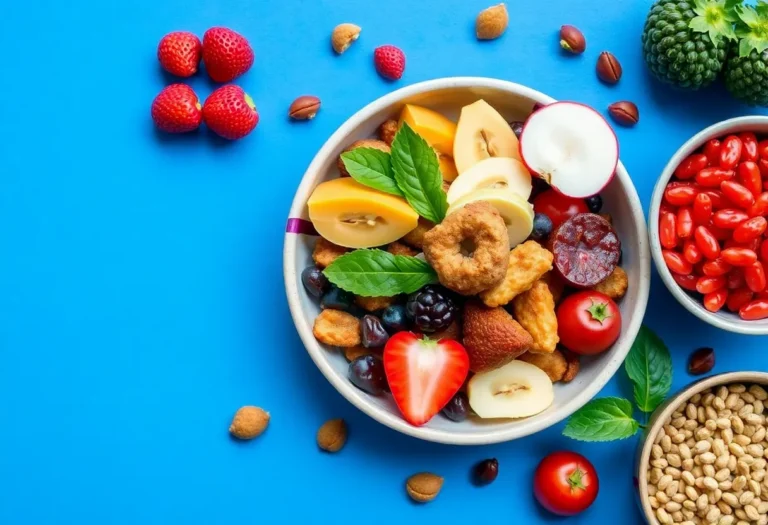
Sugar cravings hit you at 3pm like clockwork, and reaching for a candy bar sets off a blood sugar rollercoaster you don’t need. Whole foods give you the sweetness your brain is asking for without the spike and subsequent crash that leaves you groggy an hour later. Fruit, especially, packs fiber alongside natural sugars, which slows down absorption and keeps your energy steadier. You get the payoff without the penalty. That’s the whole game with vegan snack prep when it comes to dessert cravings: finding foods that taste indulgent but actually work with your body instead of against it.
Your pantry probably already has what you need, you just haven’t thought of it as “dessert” yet. Frozen banana chunks, a handful of berries, a spoonful of nut butter drizzled over apple slices – these aren’t consolation prizes, they’re legitimately satisfying. Training your palate takes a couple weeks, but once you get there, the overly processed stuff starts tasting cloying and flat by comparison. You’ll notice the difference in how you feel too, not just how dessert tastes.
Dates are basically nature’s candy
Dates have this caramel like texture that fools your brain into thinking you’re eating something way more decadent than a piece of fruit. Medjool dates, in particular, are sticky, chewy, and sweet enough that you can stuff them with a bit of almond butter and call it a dessert. Slice one open, remove the pit, and fill the cavity with peanut butter or tahini for a two ingredient treat that takes thirty seconds to make. The fiber content means you’re not getting a straight sugar hit, either, so your energy stays level instead of spiking and dropping.
Blending dates into a paste opens up even more options for you. Toss a handful into a food processor with some oats and cocoa powder, and you’ve got the base for energy balls without any refined sugar involved. Dates also work as a binder in raw bars, holding everything together while contributing natural sweetness at the same time. Keep a bag in your pantry and you’ll always have a quick fix ready when that craving shows up unannounced.
Honest talk about dark chocolate and nut butter
Dark chocolate isn’t cheating, and you shouldn’t treat it that way. Anything above 70% cacao tends to have less sugar and more of the antioxidant compounds that make chocolate worth eating in the first place. Pair a square or two with a spoonful of almond or cashew butter and you get a combination of bitter, sweet, and rich that hits every craving at once. The fat in the nut butter also slows digestion, which means you feel satisfied longer instead of reaching for more twenty minutes later.
Portion matters here, so don’t pretend it doesn’t. Melting dark chocolate and swirling it with peanut butter in an ice cube tray gives you pre-portioned treats you can gr
How to keep things from getting gross
Glass containers are your best friend here, plain and simple. Plastic holds onto smells and stains, and it warps in the dishwasher after a few rounds, but glass just works. You’ll also want a few different sizes on hand, because cramming a delicate snack into a container that’s way too big just invites extra air in, and air is basically enemy number one. Paper towels are another sneaky hero. Toss one at the bottom of any container holding something with moisture, like cut cucumbers or roasted chickpeas, and it soaks up the excess before it turns your snack into a science experiment. Labeling with the date sounds excessive until you find a mystery container in the back of the fridge three weeks later.
Temperature matters just as much as the container itself. Some things, like energy balls or bars, actually do better in the fridge even if the recipe doesn’t say so, because room temperature speeds up spoilage more than people expect. Others, like whole fruit or crackers, get sad and gummy if you refrigerate them when they didn’t need it. Learn the difference for each snack you make, and you’ll waste a lot less food over time.
Don’t let your berries get mushy
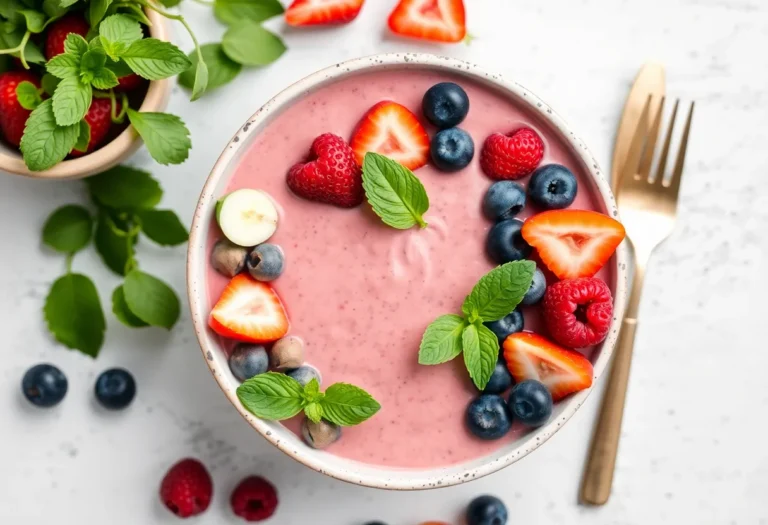
Berries are probably the fastest thing in your fridge to go from perfect to problematic. A vinegar rinse, just a splash in a bowl of water for a minute or two, kills off the mold spores that cause that fuzzy surprise a few days in. Dry them completely afterward, because leftover moisture is exactly what invites decay in the first place. Spread them on a towel and let them air dry rather than toweling them off directly, which can bruise the softer ones.
Storage matters after that step too. Skip the plastic clamshell they came in and use a container lined with a dry paper towel instead, swapping the towel out every day or two if it gets damp. Strawberries especially benefit from having their tops left on until you’re ready to eat them, since cutting them early speeds up the mushiness. Blueberries and blackberries hold up longer than raspberries, so plan your prep order accordingly if you’re working through a big batch.
What’s the deal with prepping on Sundays?
Sunday works for a lot of people simply because it’s the reset point before a new week starts, but the real value is in timing your prep around freshness windows. Anything delicate, like berries or leafy greens, should get prepped last in your session, not first, so they spend less total time sitting before you eat them. Sturdier items, like roasted veggies or bars, can go first since they hold up fine over several days.
Batching by shelf life rather than by recipe type keeps things from turning gross before their time. Group your quick spoilers together and plan to eat them within the first half of the week, then save the hardier stuff for days five through seven. Sundays just happen to give you two full days of buffer before things get dicey, which is why the habit stuck for so many people in the first place.


Summing up
You’ve got everything you need now to turn your kitchen into a snack factory that actually keeps you fed. Grab those mason jars, stock up on chickpeas and nut butter, and stop pretending raw carrots are a punishment. Your protein sources don’t have to be fancy, your sweet treats don’t have to be sad, and your storage game just needs a few good containers and a little patience while you learn what actually stays fresh. Snack prep isn’t about perfection; it’s about having something decent to grab when you’re starving at 3pm and the vending machine is calling your name.
Start small if you’re overwhelmed. Pick two or three recipes from this list, prep them on a Sunday, and see how the week goes. You’ll figure out your own rhythm soon enough, whether that means batch cooking every few days or keeping a rotating stash in your freezer. Either way, you’re building habits that make plant based eating easier and way more satisfying than takeout guilt ever was.