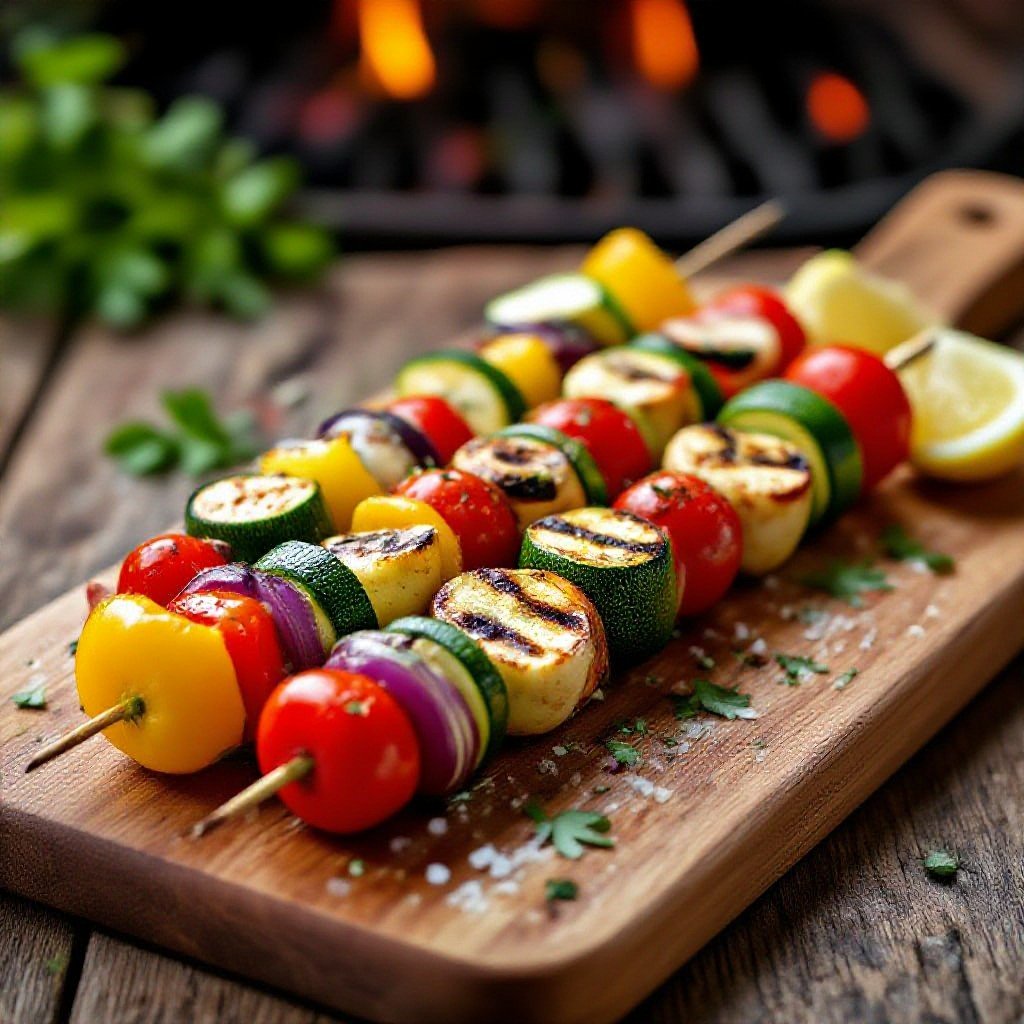
Healthy Veggie Skewers
Key Takeaways:
- Veggie skewers work best when you match cooking times – pair quick-cooking vegetables like cherry tomatoes and mushrooms together, while denser options like bell peppers and zucchini go on separate skewers so everything finishes at the same time without turning to mush or staying raw.
- The marinade does more than add flavor. It creates a protective barrier that helps vegetables retain moisture during high-heat cooking, which is why a simple oil-based mixture with acid (like lemon juice or vinegar) beats dry seasoning every time.
- Metal skewers conduct heat through the center of your vegetables, cooking them from the inside out while the grill works on the outside. Wooden skewers need a 30-minute soak in water first, or they’ll burn before your food is done.
What’s actually going on the stick?
Bell peppers are your foundation here – red, yellow, and orange varieties bring natural sweetness that intensifies as they char. You’ll want chunks about 1.5 inches square so they cook evenly without falling through the grill grates. Zucchini and yellow squash come next, cut into thick rounds that hold their shape under heat. Cherry tomatoes add bursts of acidity, though you’ll thread them carefully since they’re prone to splitting.
Red onions provide that sharp bite that mellows into caramelized goodness on the grill. Cut them into wedges thick enough to stay intact – nobody wants onion confetti scattered across their cooking surface.
My take on the best crunch
Raw vegetables give you that satisfying snap, but here’s what really works: blanch your harder veggies for exactly 90 seconds before skewering. Broccoli florets and cauliflower pieces benefit most from this quick dunk in boiling water. They’ll still have plenty of bite while cooking through properly on the grill.
Skip the blanching if you’re using your oven’s broiler instead – the enclosed heat does the job without that pre-cook step.
Why you shouldn’t skip the mushrooms
Mushrooms act like little flavor sponges, soaking up whatever marinade you’re using while adding their own earthy depth. Button mushrooms work fine, but cremini or baby bellas bring more robust taste to your skewers. Leave them whole if they’re small, or halve the larger ones so they cook at the same rate as everything else.
Their texture transforms completely on the grill – that initial sponginess gives way to a meaty, almost steak-like chew that vegetable-only skewers desperately need. Mushrooms release moisture as they cook, which actually helps keep neighboring vegetables from drying out too quickly. You’re also getting a serious nutrient boost here: B vitamins, selenium, and antioxidants that most other vegetables can’t match. The umami they contribute makes the difference between skewers that taste like grilled salad and ones that feel like an actual meal.
The real deal about the marinade
Your marinade makes or breaks these skewers. Period. You can’t just brush on some oil and call it a day – vegetables need time to absorb flavors since they don’t have the natural fat content that meat does. Aim for at least 30 minutes of marinating time, though an hour works even better for denser veggies like bell peppers and zucchini.
Oil acts as your flavor carrier here, helping herbs and spices cling to those veggie surfaces. But you’ll also need acid – lemon juice, vinegar, or even a splash of white wine – to break down the cell walls slightly and let those seasonings penetrate deeper. Skip this step and you’re eating bland vegetables with a thin coating of flavor.
Honestly, store-bought isn’t it
Bottled marinades seem convenient until you read the ingredient list. Most of them are loaded with sugar, preservatives, and artificial flavors that mask rather than enhance your vegetables’ natural taste. You’re paying premium prices for something that’s mostly water and corn syrup anyway.
Here’s my secret flavor bomb
Three parts olive oil to one part acid (I use fresh lemon juice) forms your base. Minced garlic, dried oregano, a pinch of red pepper flakes, and salt create layers of flavor that actually complement your veggies instead of overwhelming them. Whisk it together in a bowl and you’re done in two minutes.
Fresh herbs take this up another notch if you’ve got them on hand. Basil works beautifully with tomatoes and zucchini, while thyme pairs perfectly with mushrooms and onions. You can swap the lemon for balsamic vinegar when you’re grilling heartier vegetables like eggplant – the slight sweetness balances their earthy flavors without turning syrupy. Mix your marinade in a large zip-top bag, toss in your prepped veggies, and massage everything together so each piece gets coated evenly.
How do we keep it all together?
Skewers need to stay put while you’re grilling and flipping. You don’t want vegetables sliding around or spinning when you try to turn them, which makes even cooking nearly impossible.
Threading your vegetables tightly together helps, but the real secret is using two skewers side by side instead of one. This creates a stable base that prevents rotation and keeps everything locked in place on the grill.
Wood or metal skewers?
Metal skewers conduct heat directly into your vegetables, which speeds up cooking from the inside out. They’re reusable and won’t burn, but you’ll need oven mitts because they get scorching hot.
Wooden skewers are cheaper and disposable, though you must soak them in water for at least 30 minutes before grilling. Dry wood catches fire quickly, leaving you with charred sticks and vegetables that fall into the coals.
The trick to even cooking
Cut your vegetables to similar sizes so they cook at the same rate. A massive chunk of bell pepper next to a thin slice of zucchini means one burns while the other stays raw.
Dense vegetables like potatoes and carrots need smaller pieces than softer ones like mushrooms and tomatoes. You’re aiming for uniform doneness across the entire skewer, not a mix of textures ranging from crunchy to mushy.
Grouping vegetables by cooking time on separate skewers gives you even more control. Put quick-cooking items like cherry tomatoes and pre-blanched asparagus on one set, while heartier vegetables like onion wedges and bell pepper chunks go on another. This way you can pull each skewer off the grill exactly when it’s ready, rather than compromising and ending up with something overcooked or underdone.
What’s the best way to serve these?
Plating matters more than you’d think. Arrange your skewers on a large platter with the pointed ends facing outward, creating a star pattern that makes grabbing easy. You can nestle small bowls of dipping sauce right in the center, or place them strategically around the edges. A bed of fresh greens underneath adds color and catches any drips.
Temperature is key here. Serve these within 10 minutes of grilling while they’re still warm but not scorching hot. If you’re feeding a crowd, keep finished skewers on a sheet pan in a 200°F oven for up to 15 minutes.
Dipping sauces you’ll actually want
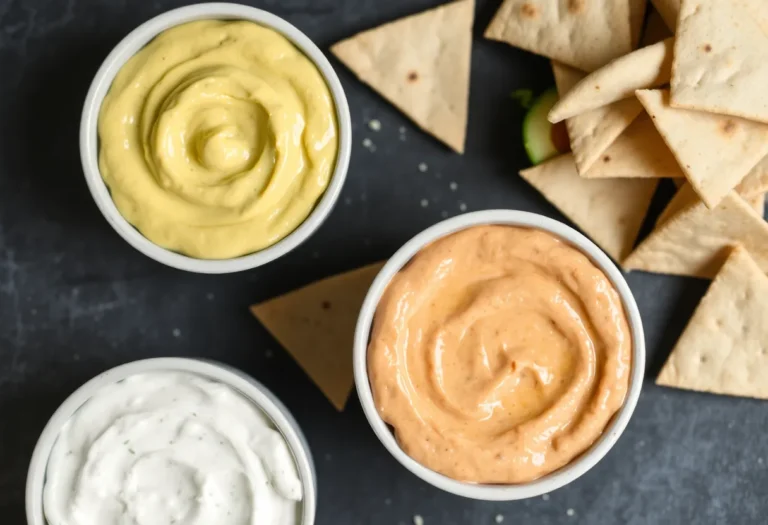
Skip the bottled stuff and whip up something quick. A tahini-lemon sauce takes three minutes: just whisk tahini with lemon juice, garlic, and enough water to reach drizzling consistency. Greek yogurt mixed with fresh herbs and a squeeze of lime works beautifully too. For heat lovers, blend roasted red peppers with harissa and a touch of honey.
Making it a full meal
Pair these with grains or flatbread to turn them into dinner. Quinoa, couscous, or warm pita rounds bulk things up without weighing you down. A simple side salad with cucumbers and tomatoes adds crunch and freshness.
Protein additions work if you’re feeding hungry eaters. Grilled halloumi slices, chickpea fritters, or even some hummus on the side rounds out the plate. You can also toss the grilled veggies off the skewers and serve them over rice bowls with your favorite toppings. The skewers themselves become just one component of a bigger spread, which is perfect for family-style dining where everyone builds their own plate.


Final Words
You’ve got everything you need to turn simple vegetables into something people actually want to eat. The combination of proper cutting, smart marinating, and careful grilling transforms ordinary produce into charred, flavorful bites that work for any meal. Your skewers will hold together better, cook more evenly, and taste infinitely better than those sad, mushy versions you’ve probably encountered at potlucks. Get your vegetables prepped, fire up that grill, and watch how quickly these disappear from the plate.