Healthy Beef Quick Meals
You don’t need to sacrifice nutrition or flavor when you’re short on time. Beef can be the foundation of weeknight dinners that come together in under 30 minutes while delivering the protein, iron, and B vitamins your body needs. The trick is choosing the right cuts and cooking methods that maximize taste without the fuss.
Key Takeaways:
- Lean beef cuts like sirloin, tenderloin, and 93% lean ground beef pack 25 grams of protein per 3-ounce serving while keeping saturated fat in check – perfect for quick weeknight meals that actually keep you full.
- Pre-slicing beef into thin strips or bite-sized pieces before cooking cuts your total prep and cook time down to 15 minutes or less, making stir-fries and one-pan dinners faster than waiting for takeout.
- Room-temperature beef cooks more evenly and develops better flavor in half the time, so pulling your meat from the fridge 20 minutes before you start cooking is the easiest trick nobody talks about.
Why beef isn’t actually the enemy
Beef has gotten a bad rap in recent years, but the truth is more nuanced than you’ve been led to believe. When you choose the right cuts and practice portion control, beef becomes a nutrient-dense protein that fits perfectly into a healthy eating pattern. The key isn’t eliminating it completely – it’s about making smarter choices and balancing it with plenty of vegetables and whole grains.
Quality matters more than quantity here. Grass-fed options offer a better omega-3 to omega-6 ratio, and leaner cuts deliver protein without excessive saturated fat. You’re not doing your body any favors by swearing off beef entirely when it provides nutrients that are harder to get from plant sources alone.
Lean cuts that’ll change your life
Sirloin tip, eye of round, and 93% lean ground beef are your new best friends. These cuts pack serious protein – around 25 grams per 3-ounce serving – while keeping calories and fat in check. Top round steak is another winner that cooks quickly and stays tender when you don’t overdo it.
Flank steak and tenderloin might cost a bit more, but they’re worth every penny when you’re short on time. They require minimal prep and cook in under 10 minutes, making them perfect for those nights when you need dinner fast but refuse to compromise on nutrition.
Honestly, it’s all about the iron
Beef delivers heme iron, which your body absorbs far more efficiently than the non-heme iron found in plants. We’re talking about a difference that actually matters – heme iron has an absorption rate of 15-35%, while plant-based iron typically clocks in at just 2-20%. That gap becomes especially significant if you’re dealing with fatigue or training hard.
Women of childbearing age need this advantage most. Your iron requirements are nearly double those of men, and relying solely on spinach and beans often isn’t enough to maintain optimal levels. A single serving of lean beef delivers about 2.5 milligrams of highly bioavailable iron, helping you meet daily needs without popping supplements or eating massive quantities of plant foods.
What’s the deal with stir-fries?
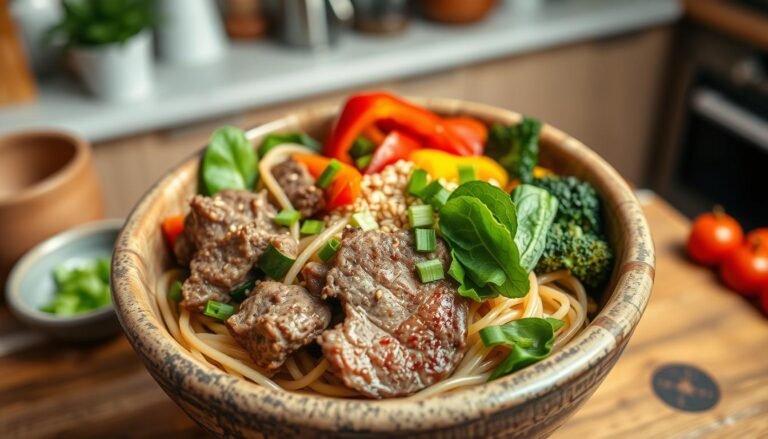
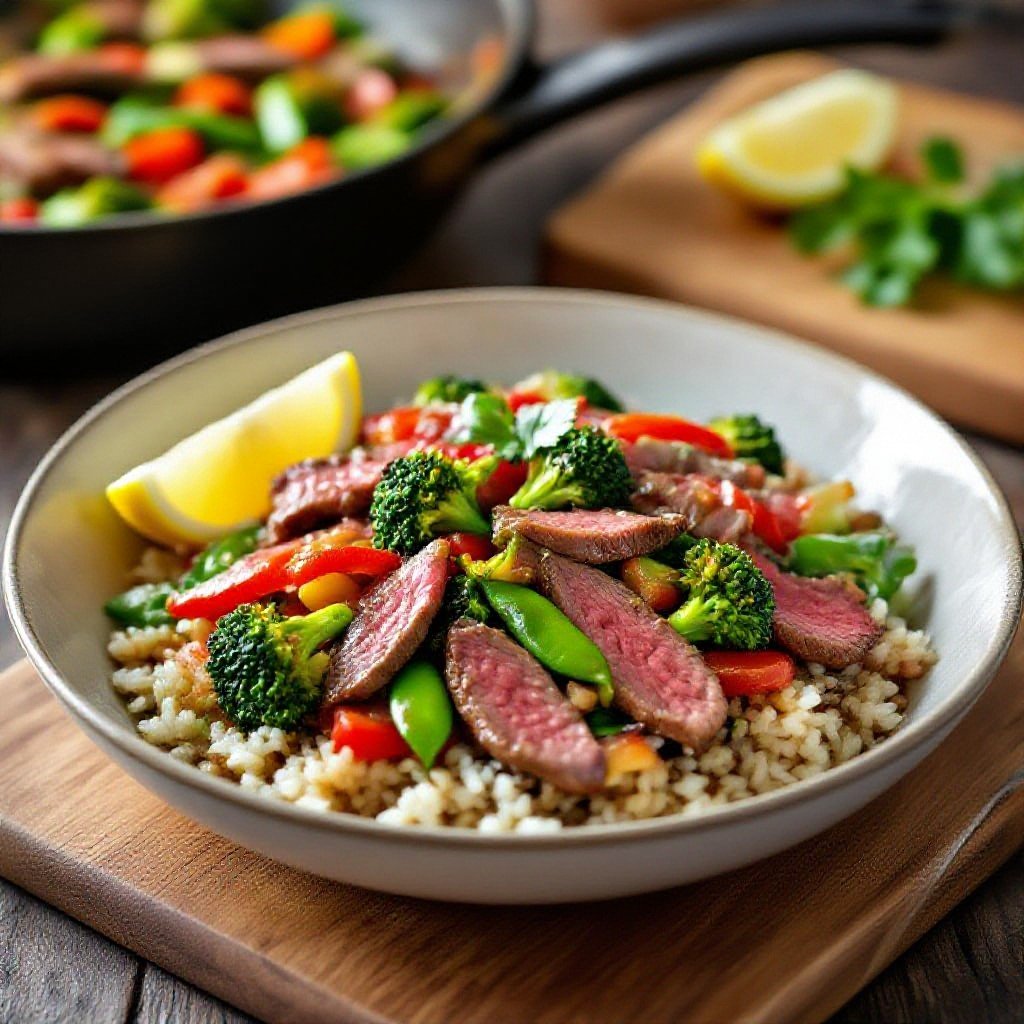
Stir-fries are your secret weapon when you need protein and vegetables on the table fast. You can slice your beef thin against the grain, crank up the heat, and have everything cooked in under 10 minutes. The high temperature sears the meat quickly while keeping it tender, and those veggies stay crisp instead of turning into mush.
Your wok (or large skillet) becomes a one-stop shop for complete nutrition. Toss in whatever beef you’ve got – flank steak, sirloin, or even ground beef works – and you’re already halfway done.
Throwing in all the veggies you’ve got
Bell peppers, snap peas, broccoli florets, mushrooms – they all work perfectly in a stir-fry. You don’t need to follow some strict recipe or buy specific vegetables. Just cut everything into similar-sized pieces so they cook evenly, and add the harder vegetables first before the tender ones.
Frozen veggie mixes are totally fair game here too. They’re already chopped, and you can dump them straight into the pan without thawing.
The sauce that’s gonna save your dinner
Soy sauce, a splash of sesame oil, and a bit of garlic turn any stir-fry from bland to crave-worthy. You can mix these together in a small bowl while your beef cooks, then pour it all in at the end. The sauce coats everything and creates that glossy finish you see at restaurants.
Ginger adds another layer of flavor if you’ve got it fresh or from a jar. A teaspoon of honey or brown sugar balances out the saltiness and helps the sauce caramelize slightly on the meat. If you like heat, sriracha or red pepper flakes bring that kick without requiring any fancy ingredients.
Seriously easy steak bites for busy nights
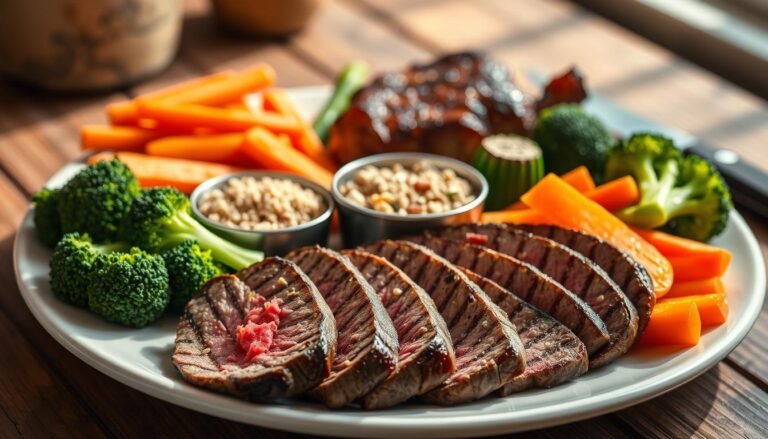
Cutting your steak into bite-sized pieces before cooking changes everything. You’re looking at a five-minute cook time instead of the usual ten to fifteen, and every piece gets that caramelized crust you’re after. Grab sirloin or top round, cut it into one-inch cubes, pat them dry with paper towels, and you’re halfway there. Season with just salt and pepper or throw in some garlic powder if you’re feeling fancy.
High heat is your friend here. Preheat your pan until it’s smoking hot, add a tiny bit of oil with a high smoke point, and resist the urge to move those bites around. Let them sit for about ninety seconds per side, and you’ll get that restaurant-quality crust without any fuss.
How to get that perfect sear without a mess
Your stovetop doesn’t need to look like a crime scene after cooking steak bites. The trick is making sure those beef cubes are bone-dry before they hit the pan – any moisture creates steam instead of a sear, and that’s when the splattering starts. A cast-iron skillet works best because it holds heat better than anything else, but a heavy stainless pan does the job too.
Don’t overcrowd the pan. Cook in batches if you need to, leaving space between each piece so the heat can circulate. This keeps the temperature up and prevents the meat from steaming in its own juices.
Pairing it with stuff that’s actually good for you
Roasted vegetables are the obvious choice, but let’s be real – you want something that cooks as fast as your steak bites. Snap peas, bell peppers, and zucchini all cook in the same pan after you pull the meat out, soaking up those brown bits stuck to the bottom. Toss them in while the steak rests, and dinner’s done before your kids finish setting the table.
Cauliflower rice has become my go-to base because it’s ready in three minutes and soaks up any pan juices like a dream. Quinoa works if you’ve got an extra ten minutes, and it brings more protein to the plate. Leafy greens like spinach or arugula wilt right in the warm pan with zero effort – just pile them on your plate and let the hot steak bites do the work. The heat softens them just enough while keeping that fresh, peppery bite.
Salad bowls that don’t suck
Let’s be honest – most salad bowls are sad desk lunches that leave you hungry an hour later. But throw in some properly seasoned beef and suddenly you’ve got a meal that actually satisfies. The key is treating the beef like the star it is, not an afterthought you toss on top of wilted lettuce.
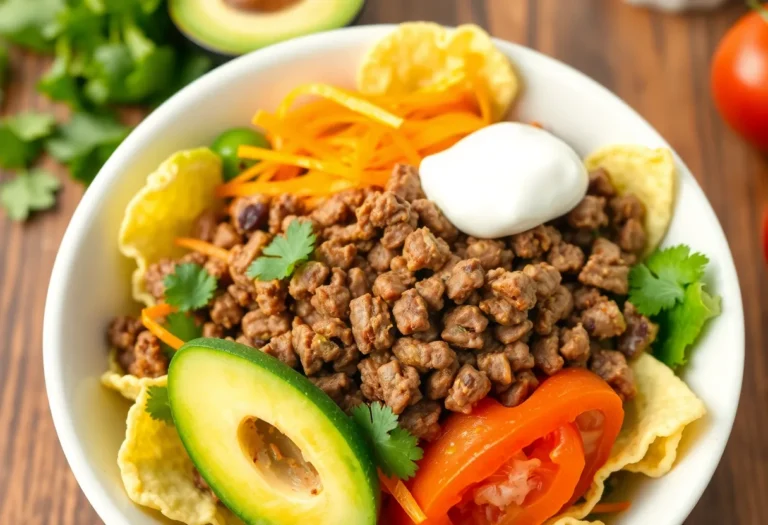
Building a beef salad bowl that works means thinking beyond the basic garden salad. You need texture, temperature contrast, and enough protein to keep you full. Leftover steak slices, quick-seared ground beef, or even cold roast beef all work beautifully when you know how to compose the bowl.
Beef and greens are actually a dream team
Protein and fiber together slow down digestion, which means you stay satisfied longer and avoid that mid-afternoon energy crash. Beef provides iron and B vitamins while the greens bring antioxidants and volume without piling on calories. It’s not just about nutrients though – the richness of beef needs something fresh and crisp to balance it out.
Think about how good a steak tastes with chimichurri or how Korean beef pairs with crisp lettuce wraps. That same principle applies to your salad bowl. The greens cut through the fat, the beef makes the meal substantial, and you end up with something that’s genuinely enjoyable to eat.
Dressing it up so it’s not boring
Your dressing makes or breaks the whole bowl, so skip the bottled ranch. A simple lime-cumin vinaigrette takes thirty seconds to whisk together and transforms plain ingredients into something you’d actually order at a restaurant. Asian-inspired sesame-ginger dressing works magic with seared beef strips, while a tangy balsamic reduction brings out the sweetness in caramelized steak bites.
Fat-based dressings help you absorb more nutrients from your greens, so don’t be afraid of olive oil or tahini. Just keep the ratio balanced – about two parts oil to one part acid gives you enough coating without drowning everything. Fresh herbs, garlic, and a pinch of something spicy (sriracha, red pepper flakes, or fresh jalapeño) add layers of flavor that make each bite interesting.
Temperature contrast matters more than you’d think. Warm beef over cold greens creates a textural experience that keeps your palate engaged, while room-temperature beef works better with heartier greens like kale or arugula. Toppings like toasted nuts, crispy shallots, or pickled vegetables add crunch and acidity that prevent the whole thing from feeling one-note. You’re building a complete meal here, not just dumping ingredients in a bowl and hoping for the best.


To Wrap Up
You’ve got everything you need to turn beef into quick, healthy weeknight meals without the guilt or the hassle. Stir-fries, steak bites, sheet pans, and protein-packed salad bowls all deliver solid nutrition in under 30 minutes. Grass-fed beef gives you quality protein, iron, and B vitamins your body actually uses.
Stop overthinking dinner. Grab your skillet, pick your vegetables, and get cooking. These methods work whether you’re feeding yourself or a family, and they’re flexible enough to match whatever’s in your fridge. You’ll eat better and spend less time stressing about what’s for dinner.