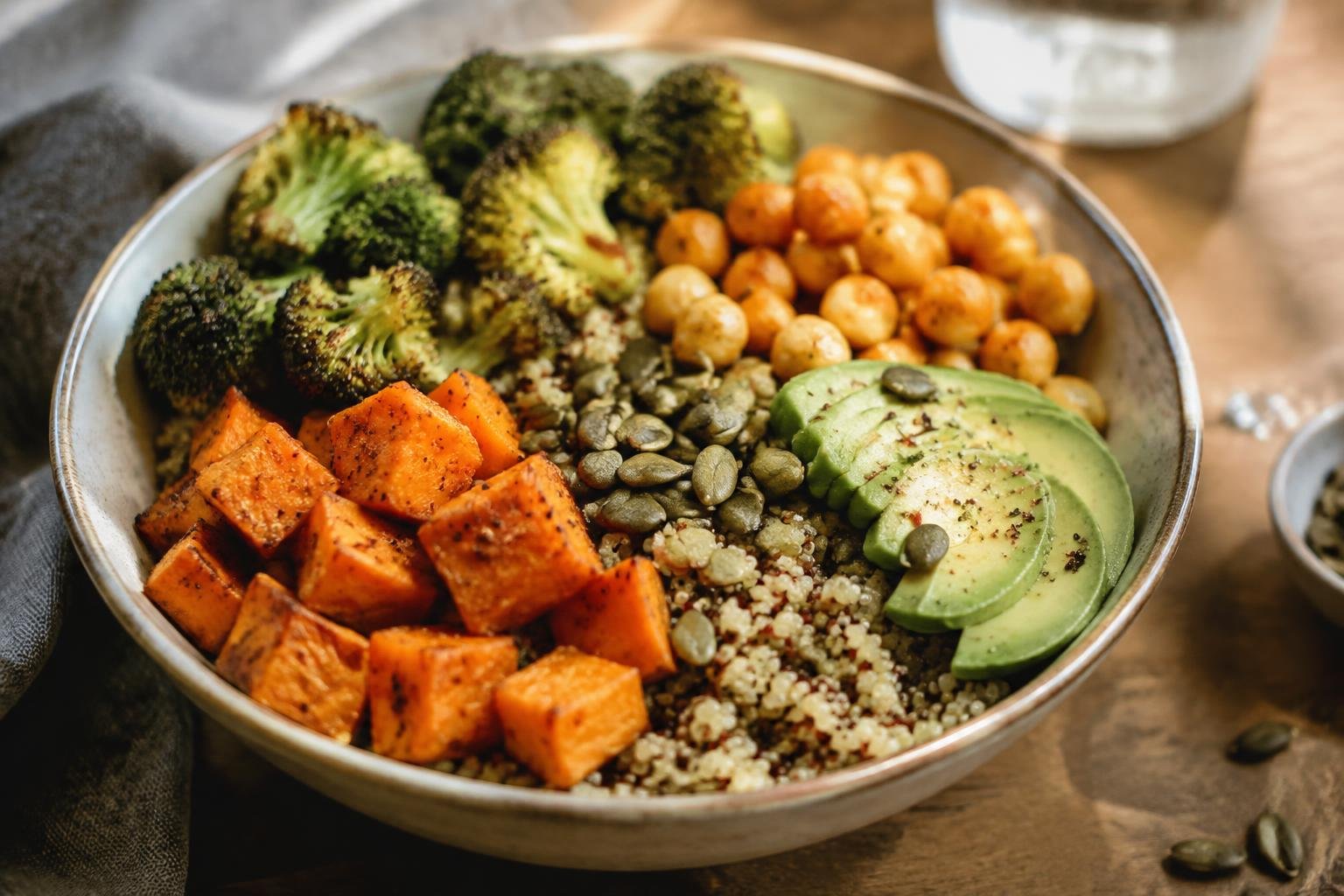
Healthy Veggie Macro Meals
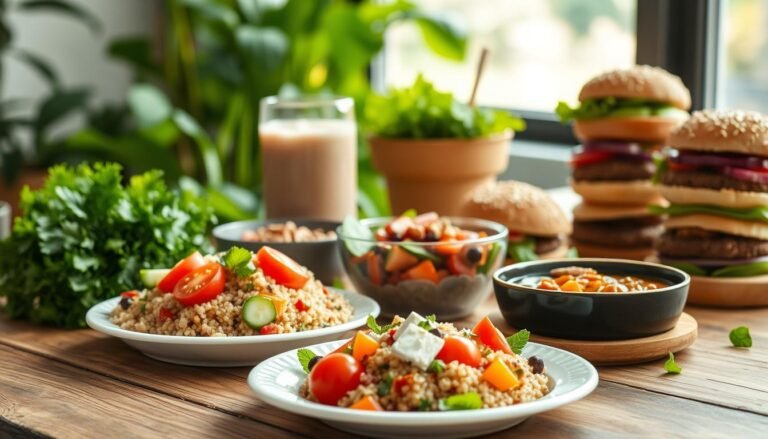
A satisfying veggie meal can include plenty of protein, not just a pile of greens. When you build your plate with foods like lentils, tofu, brown rice, and roasted vegetables, you get a practical mix of protein, carbohydrates, and fats. Your lunch might be a tofu bowl with rice, broccoli, and tahini dressing: filling, colorful, and easy to adapt.
Key Takeaways:
- Build a satisfying plate with vegetables, a protein source, and a filling carbohydrate. Think roasted broccoli with tofu and brown rice.
- Mix up veggie proteins to keep meals interesting: try chickpeas in a grain bowl, lentils in pasta sauce, or tempeh in a stir-fry.
- Use a simple meal-prep swap to avoid eating the same thing all week. Keep cooked grains and vegetables on hand, then change the protein or sauce each day.
What Makes a Veggie Macro Meal Actually Balanced?
A balanced meal gives your body a useful mix of protein, carbohydrates, and fats, with vegetables adding color, fiber, and texture. Each part has a job: protein supports your muscles, carbs provide energy, and fats help make meals satisfying. Vegetables bring nutrients and crunch, but they don’t need to carry the whole plate.
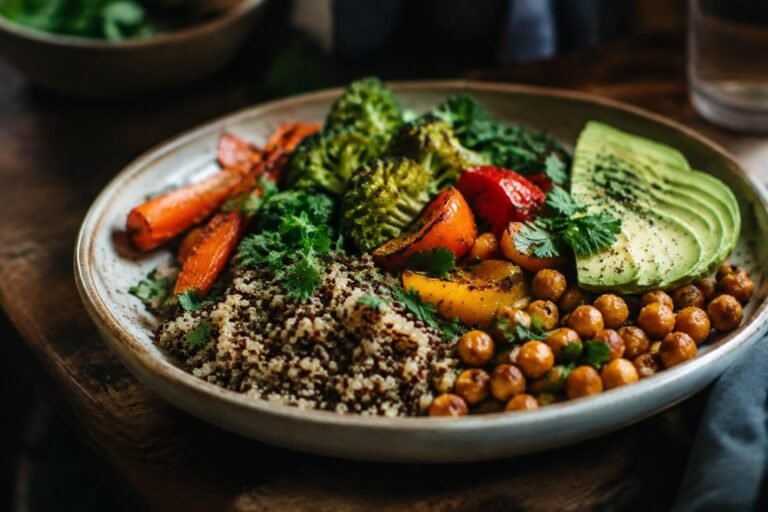
Think of a bowl with lentils, brown rice, roasted peppers, and tahini. You’ve got protein, a hearty carbohydrate, vegetables, and a source of fat in one meal. The proportions can shift with your appetite and the day ahead; the aim isn’t a perfect formula, but a combination that keeps you comfortably full.
How to build a satisfying plate
Start by choosing a clear protein source, then add a carbohydrate that gives the meal some staying power. For example, pair black beans with corn and rice, or serve baked tofu alongside potatoes. Fill in with vegetables you enjoy, whether that’s tender greens, crisp cabbage, or roasted broccoli. A little fat, such as avocado or olive oil, rounds out the plate and adds flavor.
Pay attention to how the meal feels, not just what it contains. A salad with plenty of greens can still leave you hungry if it lacks a substantial protein and carbohydrate. On the other hand, a large serving of grains without much else may feel heavy and one-note. Aim for variety in texture and flavor, too: creamy beans, chewy grains, and crunchy vegetables make a more satisfying forkful.
Easy ways to balance your macros
Use a quick check before you sit down: can you spot a protein, a carbohydrate, a source of fat, and at least one vegetable? That small pause can reveal what’s missing. If your meal is mostly roasted vegetables, add chickpeas and a slice of whole grain bread. If it’s a bean soup, a spoonful of olive oil and a side of greens can round it out.
Adjust based on the meal in front of you rather than trying to hit an exact ratio every time. A more active day may leave you wanting extra rice or potatoes; a richer dish may already contain enough fat from nuts, seeds, or dressing. Keep these practical checks in mind:
- Add fresh herbs for a bright finish.
- Include a crunchy element, such as pumpkin seeds.
- Choose a colorful vegetable you haven’t eaten today.
- Keep water nearby, especially with a fiber-rich meal.
My Go-To Veggie Proteins and Smart Swaps
Choosing plant based protein gets easier once you know what each option brings to the plate. Some choices are mild and quick to season; others have a firmer bite or a richer, earthier flavor. You can pick based on the meal you enjoy, how much prep time you have, and the texture you’re after. A can of beans is ready to use, while dried lentils need simmering, and tofu takes on the taste of its marinade or sauce.
It also helps to look beyond a product’s name. Check the label on packaged meat alternatives for protein, sodium, and saturated fat, since those numbers can vary widely. A few practical options make it easier to find a match for your usual meals and preferences.
| Protein | Texture | Handy detail |
|---|---|---|
| Beans | Soft and creamy | Canned beans are ready to rinse and use |
| Lentils | Tender, with a little bite | Cook dried lentils until just tender |
| Tofu | Soft to firm | Choose firmness to suit your preferred texture |
| Tempeh | Firm and chewy | Its nutty flavor stands out more than tofu’s |
Beans, lentils, tofu, and tempeh
Beans are an easy fit if you want something filling with almost no cooking: drain and rinse chickpeas for a quick lunch, or warm black beans from a can. Lentils bring a denser, earthy bite; red lentils soften as they cook, while green and brown ones generally hold their shape better. If you’re choosing tofu, firm or extra firm is easier to handle when you want distinct pieces, and soft tofu suits a smoother texture. Pressing firm tofu can remove excess moisture, though it’s not a must.
Tempeh is made from fermented soybeans, so it has a firmer texture and more pronounced, nutty flavor than tofu. You can crumble it or slice it, depending on what you like. Both tofu and tempeh are soy based, so check labels if you’re avoiding soy, and compare packaged options for sodium.
Simple swaps for your favorite meals
Swapping in a plant protein doesn’t mean you need to give up a familiar meal. Use crumbled tempeh or lentils in place of ground meat in a chili or pasta sauce; lentils turn soft and cohesive, while tempeh keeps more chew. For tacos, try black beans instead of meat, or use crumbled firm tofu if you prefer smaller pieces. A quick label check on meat free crumbles can help you compare protein and sodium with the product you usually buy.
For a sandwich, mashed chickpeas can stand in for tuna, while sliced baked tofu works in place of deli meat. In a stir fry, swap chicken for tofu or tempeh, choosing whichever texture you enjoy. And if soy doesn’t suit you, beans or lentils can fill that role in many of the same meals.
Healthy Veggie Macro Meals I Actually Make
My best meals are built around ingredients that taste good together, not a spreadsheet. I aim for a clear protein source, a satisfying carbohydrate, and plenty of vegetables, then add a little fat for flavor and staying power.
That could mean eggs with toast in the morning, or tofu with rice and crisp vegetables after work. The combinations are flexible, so you can use what’s already in your fridge and still put together a balanced plate.
Breakfasts that keep you going
For a savory start, scramble eggs with spinach and serve them with roasted potatoes and a spoonful of salsa. If you prefer a plant based option, crumble firm tofu into the pan with turmeric, black pepper, and mushrooms; add whole grain toast for a hearty side. Both breakfasts give you protein, carbohydrates, and vegetables without requiring a complicated recipe.
On mornings when you want something cool, stir Greek yogurt into oats and top the bowl with berries, pumpkin seeds, and a little peanut butter. Use soy yogurt if that suits your diet, and check the label for protein. A banana adds sweetness and makes the bowl more filling. Choose the version that sounds appealing that day, not the one you think you’re supposed to eat.
Easy lunches and dinners
For lunch, make a grain bowl with edamame, brown rice, shredded cabbage, cucumber, and a sesame lime dressing. You get a mix of textures, and the edamame adds a satisfying protein source. A few avocado slices bring richness; a squeeze of lime keeps the flavors bright.
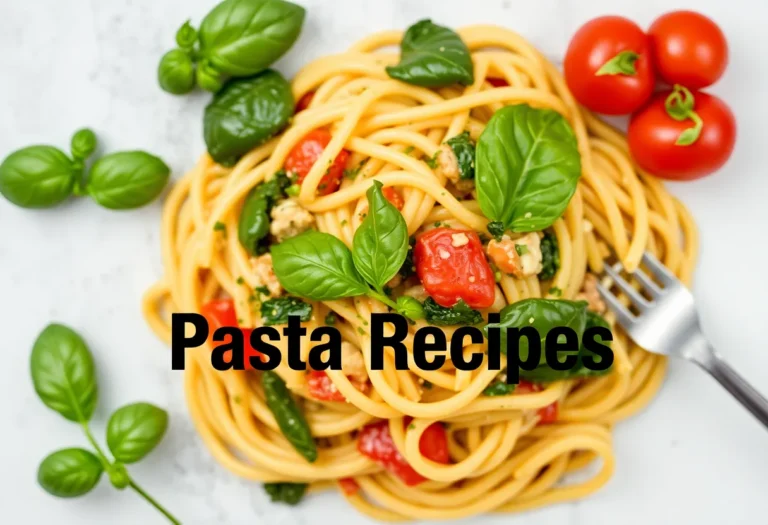
At dinner, try lentil pasta with tomato sauce, sautéed zucchini, and a sprinkle of parmesan, or use nutritional yeast for a dairy free finish. Another simple plate pairs baked tempeh with sweet potato wedges and broccoli. Season the tempeh with soy sauce and smoked paprika before cooking, so each bite has plenty of flavor.
- Add toasted sesame seeds to grain bowls.
- Season roasted potatoes with smoked paprika.
- Finish lentil pasta with fresh basil.
How I Meal-Prep Without Getting Bored
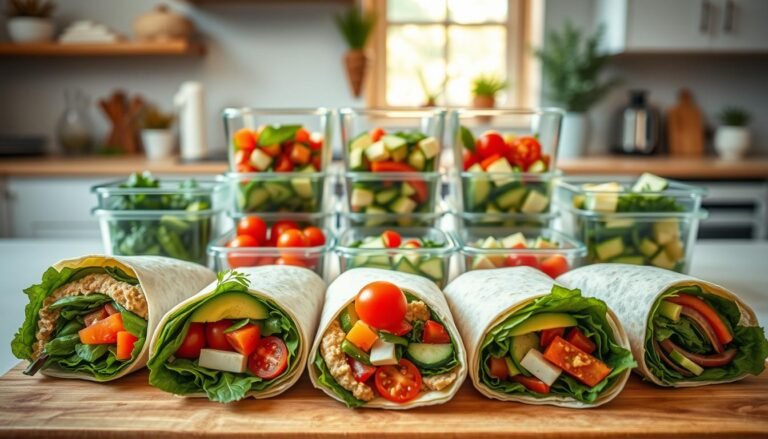
A good prep session gives you building blocks, not a week of identical containers. I cook a few ingredients ahead, then combine them in different ways as the week unfolds. Roasted vegetables can join a grain bowl on Monday and tuck into a wrap later; cooked beans can top greens or fill a baked potato. Keep ingredients in separate containers so you can choose what sounds good when lunchtime rolls around.
Plan for a little flexibility, too. Wash greens, cook a grain, and prepare one or two proteins, but leave some vegetables fresh for crunch. If a busy evening changes your plans, those ready-to-use ingredients can become dinner in minutes rather than another meal you have to cook from scratch.
Mix-and-match grains, greens, and proteins
Pick ingredients that work together in more than one combination. A pot of brown rice, a tray of roasted broccoli, and seasoned lentils can become a warm bowl, while the same lentils and broccoli pair nicely with leafy greens the next day. If you cook quinoa, try it with chickpeas and chopped cucumber, then use what’s left alongside roasted vegetables. The point isn’t to prepare a different recipe for every meal; it’s to give yourself options.
Store grains, vegetables, and proteins separately, and keep delicate greens dry until you’re ready to eat. That small habit helps spinach stay fresh and keeps roasted vegetables from making a bowl soggy. You can also prep a mix of cooked and ready-to-eat foods: baked tofu alongside sliced peppers, or black beans with shredded cabbage. With a few distinct textures on hand, the same grain doesn’t feel like the same lunch twice.
Keep sauces and seasonings interesting
A change of seasoning can make familiar ingredients taste new. Toss roasted carrots and chickpeas with cumin and smoked paprika, then pair them with a lemony tahini sauce. Another day, use ginger, garlic, and a splash of soy sauce with rice, edamame, and greens. Keep sauces in small jars rather than pouring them over everything in advance; the vegetables stay crisp, and you can choose a different flavor at serving time.
Make one sauce that keeps well, then add fresh touches as you use it. A yogurt and herb dressing can brighten grain bowls, while salsa brings a sharper, tomato-rich note to beans and roasted sweet potato. For quick variety, keep lemons, hot sauce, vinegar, or toasted sesame seeds within reach. A squeeze of lime and a spoonful of salsa can give yesterday’s rice bowl a different feel without asking you to cook another batch.
| Prepared ingredient | First combination | Another use |
|---|---|---|
| Brown rice | Broccoli and lentils | Edamame and greens |
| Chickpeas | Roasted carrots and tahini | Cucumber and quinoa |
| Roasted vegetables | Warm grain bowl | Wrap with leafy greens |
| Herb dressing | Greens and baked tofu | Grain bowl with beans |
What About Portions and Macro Goals?
Your serving size can shift a meal from a light lunch to a hearty dinner without changing the ingredients. Start with what you actually eat, then adjust portions to match your appetite, activity, and goals. A bowl with tofu, brown rice, and roasted vegetables can be scaled up with extra rice or tofu, or made smaller by serving less of each.
There’s no need to get every meal exactly on target. Think of your macro goals as a useful guide across the day, not a test you pass or fail at dinner. If you track portions, a kitchen scale can help you learn what a serving of cooked lentils or quinoa looks like; after a while, you may find measuring less often works just fine.
Adjusting protein, carbs, and fats
To raise protein, add a scoop of edamame, a few more cubes of tempeh, or a spoonful of hemp seeds. If your meal needs more carbs for energy, increase the portion of potatoes, rice, or beans. For a lower carb serving, keep the protein steady and swap some grain for extra nonstarchy vegetables. Small changes are easier to judge than rebuilding the whole plate.
Fats can be adjusted just as simply. A drizzle of olive oil, a quarter of an avocado, or a small spoonful of tahini adds richness and energy; use a lighter hand if your meal already includes nuts or a creamy dressing. For a practical check, compare the meal with your goal and change one portion at a time. That makes it clearer whether adding half a cup of rice or another piece of tofu makes the difference you want.
- Use a smaller bowl when you want a modest serving.
- Keep cooked grains in a separate container for easy portion changes.
- Serve sauces on the side so you can control each spoonful.
Making meals more or less filling
For a meal that keeps you satisfied longer, build a generous volume with vegetables such as broccoli, cabbage, or peppers, then pair them with a clear protein source and a portion of beans or whole grains. A warm bowl of lentils, barley, and roasted carrots can feel more substantial than a snack sized plate, even with familiar ingredients. Eating at a comfortable pace also gives you time to notice when you’ve had enough.
If you need a lighter meal, reduce the grain or added fat rather than cutting every component. A smaller scoop of rice alongside tofu and crisp vegetables can still feel complete, while a side of fruit can finish it without making lunch too heavy. Appetite varies from day to day, so let your portions respond to the meal ahead, whether you’re sitting through an afternoon of meetings or heading out for a long walk.
Eating Veggie Macro Meals With Dietary Restrictions
Your dietary needs can shape a veggie macro meal without making it bland or hard to put together. Start with what you can eat, then choose a protein, a satisfying carbohydrate, and vegetables that fit your needs. If you’re avoiding one ingredient, check sauces, seasonings, and packaged substitutes too; they can contain allergens or gluten you might not expect.
A few reliable swaps make everyday meals easier to adapt. You might use rice instead of wheat based grains, or choose a bean based protein when dairy’s off the table. The right option depends on your specific restriction, so read labels and follow any guidance from your clinician, especially if you have a diagnosed allergy or celiac disease.
Gluten-free and dairy-free options
For a gluten free plate, build around naturally gluten free foods such as potatoes, rice, quinoa, beans, tofu, vegetables, and fruit. Oats can be cross contaminated during processing, so choose a product labeled gluten free if you need to avoid gluten strictly. Check sauces and meat free products too: soy sauce, marinades, and some veggie burgers may contain wheat.
To make a meal dairy free, swap Greek yogurt for unsweetened soy yogurt, or use tahini, avocado, or olive oil for richness. Calcium set tofu can add protein and calcium, while fortified plant drinks may provide calcium and vitamin D; check the label, since amounts vary. For example, serve baked potatoes with black beans, salsa, and avocado instead of sour cream.
| Need | Try | Check |
|---|---|---|
| Gluten free | Rice, quinoa, potatoes | Sauces and packaged patties |
| Dairy free | Tahini, avocado, soy yogurt | Fortification on plant drinks |
| Both | Beans, vegetables, plain tofu | Labels and possible cross contact |
Tips for allergies and ingredient swaps
With a food allergy, “plant based” doesn’t automatically mean safe. Read the full ingredient list each time you buy a packaged food, since recipes and manufacturing details can change. If you’re allergic to soy, for instance, choose lentils or chickpeas instead of tofu, and check whether a veggie burger contains soy protein. For a peanut allergy, inspect sauces and prepared dressings for peanut ingredients and cross contact warnings.
Keep swaps specific to the role an ingredient plays. If nuts add crunch, try toasted pumpkin seeds only if seeds are safe for you; if they’re not, use crisp roasted chickpeas. For a creamy sauce without dairy or nuts, blend white beans with lemon juice and herbs. When an allergy is severe, follow your clinician’s advice on labels and shared kitchen equipment, including cutting boards and toaster slots.


Summing up
Healthy veggie macro meals work best when you build them from foods you enjoy, not a rigid formula. Pair a clear protein source, such as tofu, lentils, edamame, or Greek yogurt, with vegetables and a satisfying carbohydrate like brown rice or potatoes. Add a little fat from tahini, avocado, or seeds, and you’ve got a meal with staying power. A tofu and rice bowl with roasted broccoli, for example, can be adjusted with extra tofu when you want more protein or a bigger scoop of rice after a long day.
Your needs can change with your appetite, activity, and dietary restrictions, so treat portions as a starting point rather than a rulebook. Keep two or three flexible staples ready, then switch the seasoning or vegetables to make them feel fresh: lentils can become a curry one night and a salad topping the next. When you enjoy what’s on your plate, balanced eating feels practical enough to keep doing.