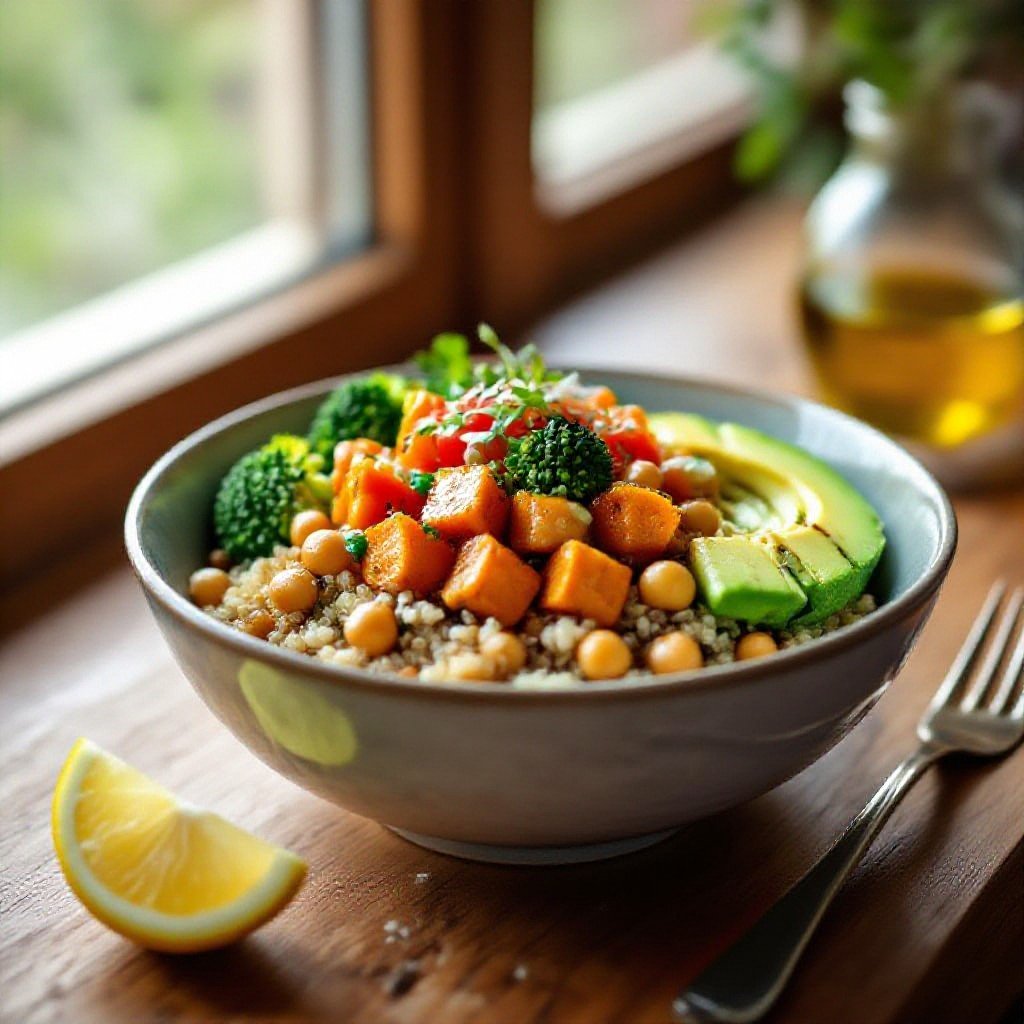
Healthy Veggie Dinner Bowls
You want dinner that’s both satisfying and genuinely good for you, right? But who has hours to cook every night? That’s where healthy veggie dinner bowls come in. They’re quick, endlessly customizable, and pack a nutritional punch, making weeknight meals a breeze without sacrificing flavor or your health goals.
Key Takeaways:
- Building a great veggie bowl starts with the base, and that means choosing nutrient-dense grains or greens. Think quinoa, farro, or a generous bed of spinach and kale – they’re not just filler, they’re the foundation of your meal’s fiber and complex carbohydrates.
- Don’t underestimate the power of diverse textures and flavors from your vegetables. Roasting brings out a sweetness in carrots and broccoli that steaming just can’t match, while fresh cucumber or bell peppers add a refreshing crunch. A mix keeps things interesting, preventing that “boring salad” feeling.
- The sauce really ties everything together, so put some thought into it. A simple lemon-tahini dressing can brighten up almost any combination, or you might go for a spicy peanut sauce to add an Asian-inspired kick. It’s the unifying element that brings all those disparate ingredients into a harmonious, delicious whole.
Why bowls are actually the best dinner hack
My take on the whole bowl obsession
You’ve probably noticed that dinner bowls are everywhere these days, and for good reason. They’re not just a trend; they’re a genuinely smart way to eat. Think about it: you get to layer all your favorite components into one cohesive, delicious meal.
There’s something incredibly satisfying about building your own plate, knowing every forkful will deliver a balanced mix of flavors and textures. It’s like a choose-your-own-adventure for your taste buds, really.
Seriously, the cleanup is way easier
One of the biggest unsung heroes of the dinner bowl concept is the minimal cleanup. You’re only using one bowl! Compare that to a traditional meal with separate plates for each component, plus serving dishes, and suddenly that stack of dishes looks a lot less intimidating.
Imagine just one bowl, one fork, maybe a small saucepan if you heated something up. That’s it. You’re not scrubbing multiple pots and pans, nor are you dealing with an avalanche of serving platters.
This single-vessel approach drastically cuts down on your post-dinner chores, freeing up more time for you to actually relax. You can just rinse, load the dishwasher, and you’re done – no elaborate scrubbing sessions required.
Getting the veggies right (honestly, it’s an art)
Perfecting your veggie game is where many dinner bowls either shine or… well, don’t. You’re aiming for variety in color, texture, and flavor here, not just a pile of steamed broccoli. Think about how different vegetables interact and what kind of bite you want in each forkful.
This isn’t about throwing everything into a single pan, either. Some veggies need more cooking time, while others are better with just a quick sear or even raw. It’s about understanding each vegetable’s personality and letting it truly express itself in your bowl.
The real deal about roasted vs. raw veggies
Roasting vegetables brings out a fantastic sweetness and caramelization that you just can’t get any other way. Think of sweet potatoes, Brussels sprouts, or even broccoli florets when they’re slightly charred and tender. They add a depth of flavor and a lovely soft texture to your bowl.
Sometimes, though, you need that crisp, fresh snap. Raw veggies, like thinly sliced radishes, shredded carrots, or crisp bell peppers, provide a refreshing contrast. They also pack a powerful nutritional punch and a satisfying crunch that makes your bowl much more interesting.
Seasoning tips you’ll actually use
Don’t just rely on salt and pepper, though they’re certainly important. You’ll want to think about layering flavors that complement each other and the main ingredients in your bowl. A little acid, like a squeeze of lemon juice or a dash of apple cider vinegar, can brighten everything up.
Herbs, fresh or dried, are your best friends here. They can transform a simple vegetable into something truly special. And don’t shy away from spices!
* Smoked paprika works wonders on roasted cauliflower.
* Cumin adds an earthy warmth to roasted carrots or sweet potatoes.
* A sprinkle of red pepper flakes can give a pleasant kick to just about any green.
* Garlic powder and onion powder are staples for a reason – they build a great flavor base.
After you’ve cooked your veggies, give them a final taste test and adjust the seasonings.
Protein doesn’t have to be meat
You might think of chicken or beef when someone mentions protein, but for a veggie bowl, you’ve got a whole world of plant-based options that are just as satisfying. And honestly, they often add more interesting textures and flavors too! We’re talking about everything from legumes to clever soy products.
These aren’t just fillers; they’re powerhouses of nutrition that will keep you feeling full and energized. Don’t underestimate the humble lentil or the mighty chickpea when it comes to delivering a solid protein punch to your evening meal.
Beans and chickpeas are my go-to
There’s a reason these are staples in so many cuisines around the globe. Black beans, kidney beans, cannellini beans – they all bring different earthy notes and creaminess to your bowl. Just rinse them well if you’re using canned, and you’re good to go.
Chickpeas, in particular, are incredibly versatile. Roast them with some spices for a crunchy topping, or mash them into a quick “no-tuna” salad for a different kind of texture. You’ll find they really absorb whatever flavors you throw at them.
Tofu that doesn’t taste like cardboard
Many people have had a bad tofu experience, and I get it. Bland, rubbery tofu is nobody’s friend. But when prepared correctly, it’s a fantastic, neutral canvas that soaks up marinades beautifully and can achieve some truly delightful textures.
The secret often lies in pressing out the excess water first. This simple step makes a huge difference, allowing the tofu to crisp up nicely when pan-fried or baked, rather than steaming itself into a soggy mess. You’ll get a much better result.
Try pressing extra-firm tofu for at least 30 minutes, then cutting it into cubes or slabs. Marinate it in soy sauce, ginger, garlic, and a touch of maple syrup for an hour or more, then either bake it at 400°F (200°C) until golden brown and slightly chewy, or pan-fry it until crispy on all sides.
It’s all about the sauce, isn’t it?
You’ve got your perfectly roasted veggies, your hearty grain, and maybe some crispy chickpeas. But what truly brings a dinner bowl to life, making every bite sing? It’s the sauce, hands down. A really good sauce can transform a simple collection of ingredients into a cohesive, incredibly flavorful meal – it’s the glue, the spark, the magic.
Think about it: a dry bowl, no matter how fresh the components, just doesn’t hit the same. The right dressing adds moisture, richness, and that important flavor boost that pulls everything together, offering a creamy counterpoint or a zesty kick.
Here’s my favorite creamy tahini drizzle
This tahini drizzle is a game-changer, trust me. You’ll need a quarter cup of good quality tahini, two tablespoons of fresh lemon juice, a clove of minced garlic, and about three tablespoons of water to thin it out to your desired consistency. A pinch of salt, of course, really brings out the flavors.
Whisk it all together until it’s super smooth and creamy. If it’s too thick, just add a tiny bit more water, a teaspoon at a time, until it flows nicely but still coats the back of a spoon. This sauce is incredibly versatile and stores well in the fridge for up to five days.
Spicy kicks that wake up your taste buds
Sometimes, you just need a little heat to liven things up, don’t you? A spicy sauce can cut through richness, add an exciting zing, and make your taste buds pay attention. It’s fantastic for contrasting with milder vegetables or grains, creating a dynamic flavor profile.
One easy way to achieve this is with a sriracha-lime dressing. Combine two tablespoons of sriracha with the juice of half a lime, a teaspoon of maple syrup for balance, and a tiny splash of sesame oil. Whisk it well, and you’ve got a vibrant, fiery addition that’s perfect for almost any veggie bowl.
For an even deeper, more complex heat, try incorporating a touch of gochujang – Korean fermented chili paste – into your dressing base. Mix a spoonful with some rice vinegar, a dash of soy sauce, and a little grated ginger; it provides a fantastic umami kick along with its spice.
How to meal prep these like a pro
You’re already doing yourself a huge favor by choosing dinner bowls for meal prep. They’re inherently versatile and forgiving, but a little planning goes a long way to ensure they taste just as good on day four as they did on day one. Think about batch cooking your grains and proteins, then moving on to your veggies.
This approach saves you so much time during the week. Imagine pulling out perfectly cooked quinoa, roasted sweet potatoes, and a container of spiced chickpeas, ready to assemble in minutes. It’s a game-changer for busy evenings, letting you create a fresh-tasting meal without all the fuss.
Don’t let your veggies get soggy
The key to crisp, fresh-tasting vegetables, even days later, is proper cooling and storage. Never pack warm or hot veggies directly into your meal prep containers; that trapped steam is the enemy, turning everything mushy and unappetizing. Let them cool completely on a baking sheet or wire rack first.
Once they’re at room temperature, then you can portion them out. This simple step makes a world of difference, preventing that dreaded sogginess and maintaining their texture. You’ll thank yourself later when you bite into a perfectly crisp bell pepper.
Stacking secrets for the best leftovers
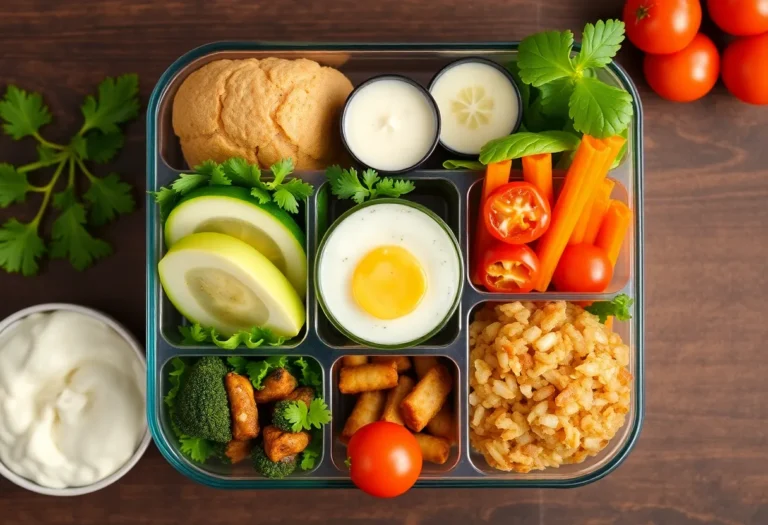
Layering your bowl components strategically is another pro move. Start with your grains or heartier bases at the very bottom – think quinoa, farro, or brown rice. They provide a sturdy foundation and won’t get crushed by other ingredients.
Next, add your proteins and any roasted root vegetables. These can sit comfortably on the base without compromising their texture. This method keeps everything tidy and prevents a jumbled mess when you’re ready to eat.
Then, you’ll want to add your more delicate elements, like leafy greens, fresh herbs, and lighter, raw vegetables, right on top. And here’s a crucial tip: always pack your dressing separately in a small, lidded container. Drizzling it on just before eating prevents everything from getting soaked and sad, keeping your bowl vibrant and delicious.


Summing up
You’ve really got a fantastic blueprint now for making dinner bowls that aren’t just good for you, but genuinely exciting to eat. Think about it: you’re building layers of flavor and texture, making each meal a little adventure. You’re in control of what goes in, tailoring it exactly to your taste and nutritional needs.
So, next time dinner rolls around, skip the usual suspects. Grab a big bowl, load it up with colorful veggies, a satisfying base, and that killer sauce you’ve perfected. You’ll feel great, and your taste buds will thank you.