Chicken Lean Muscle Meals
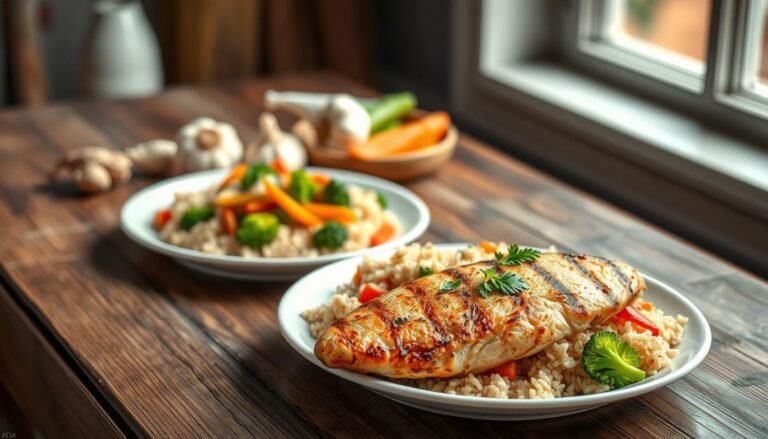
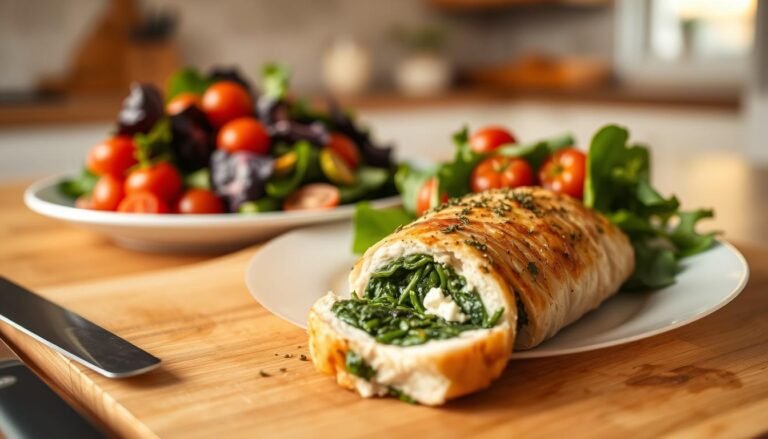
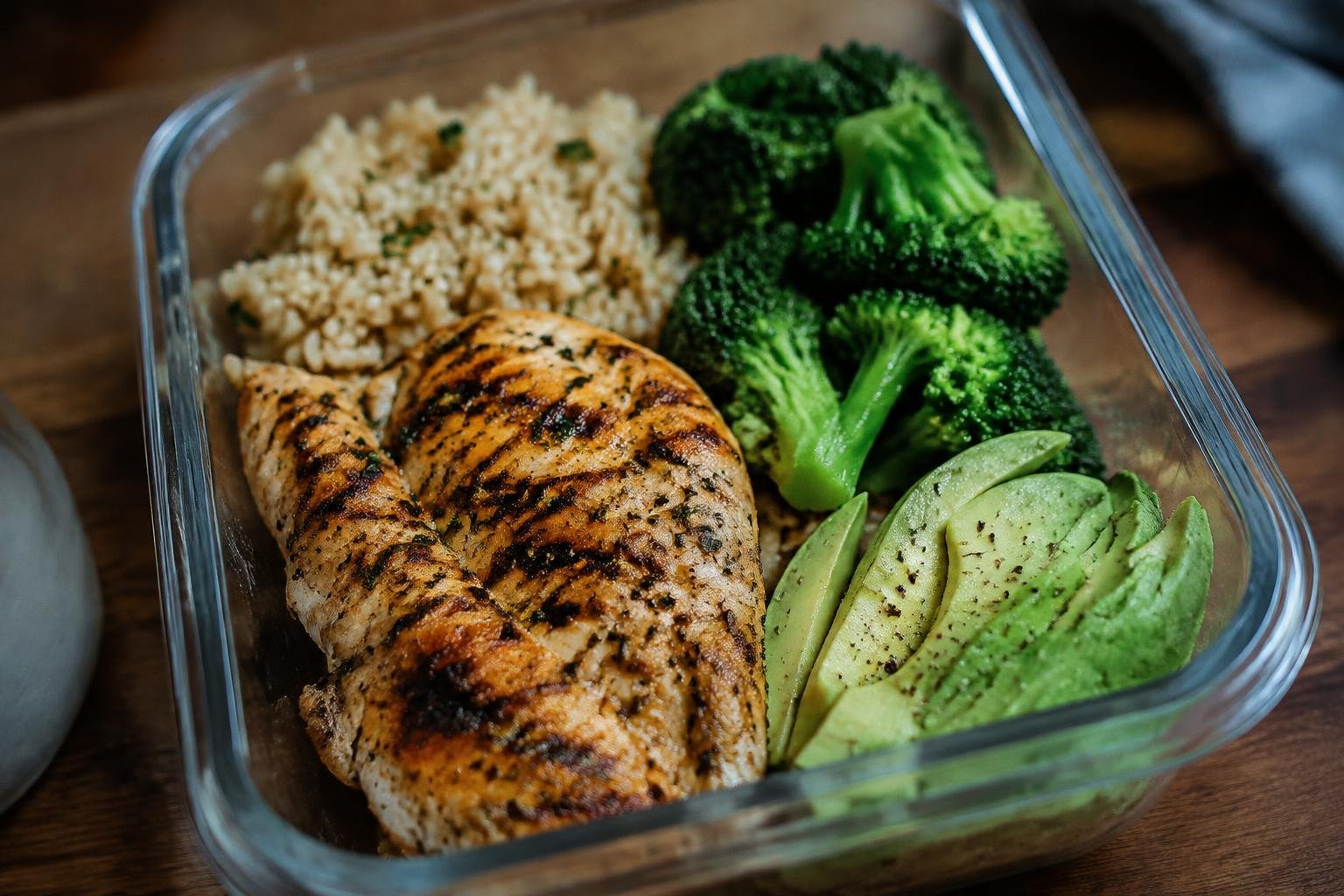
Building lean muscle takes more than adding chicken to your plate; your meals need enough protein, satisfying sides, and flavors you’ll want to eat again. A grilled chicken breast with rice and roasted vegetables, for example, gives you a practical base for lunch or dinner. The right choices can make nutritious eating feel like everyday food.
Key Takeaways:
- Build a muscle focused chicken meal around a lean cut, such as skinless chicken breast, plus a filling carbohydrate and vegetables. Rice, roasted potatoes, broccoli, and peppers are easy choices.
- Keep chicken tender without piling on extra fat: season it well, cook it through, and pair it with flavorful ingredients like garlic, lemon, herbs, or salsa.
- For meal prep, change the sides and seasonings from one meal to the next. Chicken with rice and broccoli can become a different lunch with a whole grain wrap, crunchy vegetables, and yogurt sauce.
What Makes a Chicken Meal Good for Lean Muscle?
A solid meal gives your body enough energy to train and recover without letting calories creep far beyond what you need. That balance depends on your activity, body size, and goals, so the same plate won’t suit everyone. If you’re building muscle, a hard workout followed by a meal that barely fills you up may leave you short on fuel; if you’re managing your weight, oversized portions can make a calorie target harder to meet.
Think of the plate as more than a piece of chicken. Your muscles need protein, but your body also uses carbohydrates for energy and dietary fat for normal functions, including hormone production. A meal built around all three can be more satisfying than chicken alone, and easier to fit into an ordinary day. Pay attention to how you feel during training and between meals, then adjust the portion sizes rather than chasing a perfect formula.
How much protein does chicken actually offer?
Cooked chicken breast is a concentrated source of protein, with roughly 30 grams in a 100 gram serving; the exact amount varies with the cut and how it’s cooked. That makes it a practical way to add a substantial protein portion without a lot of extra calories, especially if you choose a lean cut and trim visible fat. A palm sized serving gives you a useful visual starting point, though your needs depend on your size, training, and what else you eat across the day.
You don’t need to force all your protein into one sitting. Spreading it across meals can make it easier to meet your daily needs, whether you have chicken at lunch, dinner, or both. For example, pair a chicken meal with eggs or yogurt at another meal instead of expecting one large serving to do all the work. Check the cooked weight when comparing portions: raw chicken loses water during cooking, so 150 grams raw won’t weigh 150 grams on your plate.
Why carbs and healthy fats matter too
Carbohydrates help fuel training, particularly sessions with repeated hard efforts, so a chicken meal with no carb source may leave you feeling flat. Rice, potatoes, bread, and beans all provide carbs, though their fiber and overall nutrition differ. Your portion can reflect the day: a larger serving may suit a demanding workout, while a smaller one might feel right on a rest day. Notice your energy during training rather than treating carbs as something you need to avoid.
Dietary fat also belongs in a balanced meal. It provides energy, supports normal body functions, and can make food more satisfying, but it’s calorie dense, so generous pours and creamy sauces add up quickly. A measured spoonful of oil or a small handful of nuts can bring flavor without turning a lean meal into a much heavier one. Aim for a plate that supports your training and keeps you comfortably full, not one that relies on chicken alone.
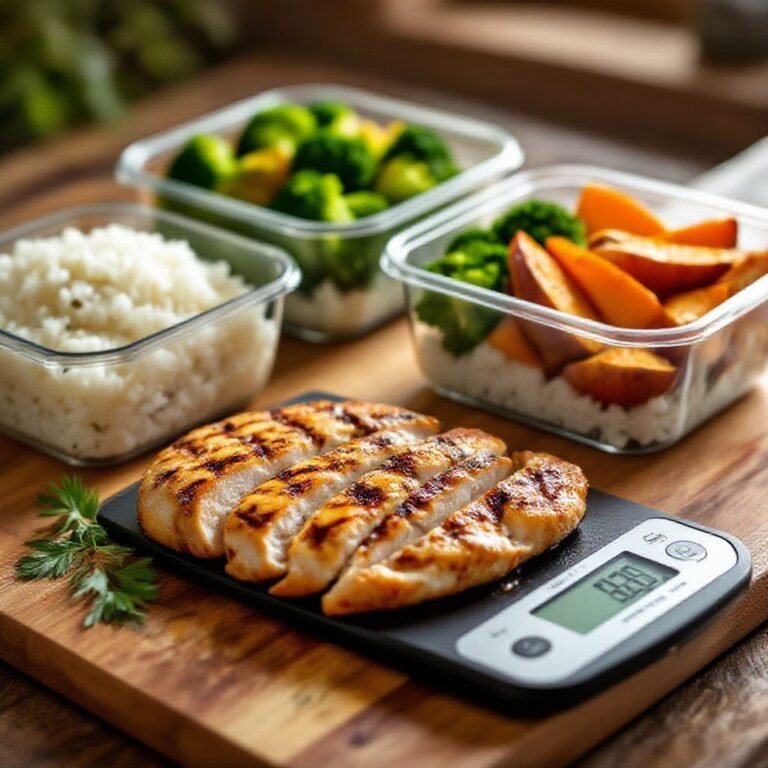
- Keep a kitchen scale handy when you’re learning portion sizes.
- Compare nutrition labels using the same cooked or raw measurement.
- Include water alongside meals, especially after a sweaty workout.
My Go-To Ingredients for Muscle-Building Chicken Meals
What goes beside your chicken can make a meal more satisfying and give you a useful mix of protein, carbohydrates, and vegetables. A scoop of rice, a baked potato, or a few slices of whole-grain bread can round out the plate, while colorful vegetables add crunch and variety. You don’t need a long shopping list; a handful of flexible staples can cover plenty of meals.
For flavor, keep a few dependable options on hand, such as lemons, garlic, herbs, salsa, and plain yogurt. They bring different tastes and textures without requiring specialty ingredients. A squeeze of lemon can brighten a bowl of chicken and rice, while salsa pairs easily with beans and corn. Small changes like these make familiar ingredients feel fresh.
Easy carb and veggie pairings
Rice is an easy match for chicken because it works with nearly any seasoning and reheats well for lunch. Potatoes offer another filling option: try a baked potato with broccoli, or roast potato chunks alongside carrots. If you want something quick, whole-grain wraps can hold sliced chicken, spinach, and beans without much fuss.
Vegetables can bring contrast to a plate, not just color. Pair tender chicken with crisp bell pepper and cucumber, or add peas and spinach to a warm rice bowl. Frozen vegetables are handy, too; a bag of mixed vegetables can turn leftover chicken and cooked grains into a complete meal. Choose combinations you actually enjoy, so your plate doesn’t feel like a chore.
| Pairing | Good with | Simple example |
|---|---|---|
| Rice | Peas, spinach | Chicken rice bowl |
| Potatoes | Broccoli, carrots | Baked potato plate |
| Whole-grain wraps | Beans, peppers | Chicken and bean wrap |
Flavor boosters that keep meals interesting
Lemon, lime, and vinegar add a bright, tangy note that cuts through the mild taste of chicken. Try lemon with parsley and garlic, or stir lime juice into salsa for a quick topping. Fresh herbs such as cilantro, dill, and basil can change the feel of a meal with just a small handful.
For creamy flavor, plain Greek yogurt works well with garlic, cucumber, or a pinch of smoked paprika. Salsa, mustard, and hot sauce are handy when you want a bolder bite without mixing a complicated sauce. Keep a few choices in the fridge, then match them to the rest of your plate: salsa with corn and beans, or yogurt with cucumber and potatoes.
How to Cook Chicken That’s Lean and Still Tastes Good
Lean cooking doesn’t mean settling for bland, rubbery chicken. A hot pan, a grill, or a moderate oven can bring out plenty of flavor without a heavy coating of oil. What matters is controlling the heat and pulling the chicken off before it dries out. A quick-read thermometer makes that easier: check the thickest part, and let the meat rest briefly before slicing so its juices don’t run straight onto the cutting board.
Small choices make a noticeable difference. Pound thicker spots to an even depth so they cook at the same pace, and use a nonstick pan or grill grates to keep added fat modest. Bone-in pieces need more time than thin cutlets, so avoid treating them like a quick weeknight breast. A little attention at the stove goes a long way.
Simple ways to avoid dry chicken
Start with pieces of similar thickness; if one end of a breast is much thicker, gently flatten it with a meat mallet or rolling pin. Pat the surface dry before cooking so it browns instead of steaming, then season just before it hits the pan. Cook over medium to medium-high heat, turning once when the underside releases easily. For a fast check, insert a thermometer sideways into the thickest section rather than guessing from the color outside.
Once the chicken reaches a safe internal temperature of 165°F (74°C), take it off the heat and give it a few minutes to rest. Carryover heat will finish the center, while resting helps keep the juices in the meat. Slice across the grain for tender bites, especially with grilled breast. If you’re cooking several pieces, move finished ones to a plate rather than leaving them in a hot pan.
Lighter marinades, sauces, and seasonings
A marinade can add plenty of character without much oil. Try lemon juice, garlic, black pepper, and chopped parsley, or mix plain yogurt with paprika and a pinch of salt. Acidic ingredients like citrus and vinegar work best for a short soak; leave chicken in them too long and the surface can turn mushy. A teaspoon of oil is often enough to help spices cling, particularly if you’re using a grill or a well-seasoned pan.
For a quick finish, spoon on salsa, a little mustard mixed with lemon, or a pan sauce made with stock and herbs. Fresh seasonings bring brightness, while smoked paprika, cumin, and chili flakes add depth without relying on a sugary glaze. Keep salt measured, then taste the sauce before adding more. For an easy flavor combo, rub chicken with garlic powder and oregano, then finish it with lemon zest.
- Use a wire rack over a sheet pan for better airflow.
- Choose a skillet that fits the chicken without crowding.
- Add delicate herbs near the end so they stay fresh.
Chicken Lean Muscle Meals I’d Actually Make
Good chicken meals don’t need a long ingredient list or a complicated recipe. You can build a plate around a familiar combination: chicken, a filling carbohydrate, and vegetables that suit the time of day. A wrap works when you’re eating between errands; a warm bowl feels better after training or on a cold evening.
For a quick reference, match the meal to the moment and use ingredients you already enjoy. These pairings are starting points, not rules, so swap brown rice for potatoes or spinach for broccoli if that’s what you have on hand.
| Meal | Chicken pairing | Easy add-on |
|---|---|---|
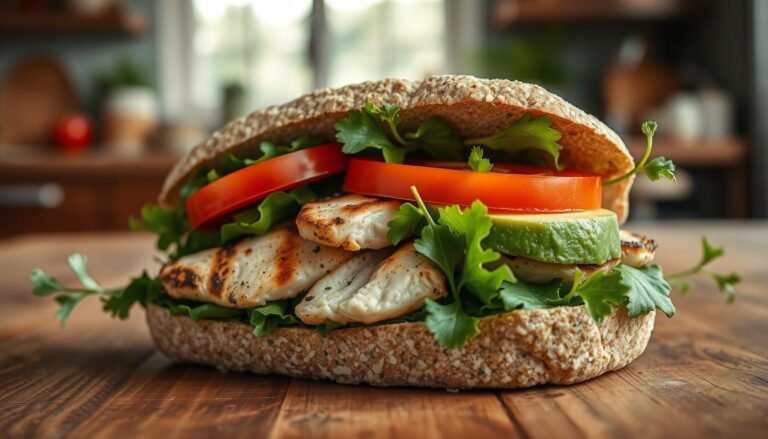
| Lunch wrap | Sliced chicken | Hummus and greens |
| Post-workout bowl | Chicken breast | Rice and roasted vegetables |
| Weeknight dinner | Chicken thighs | Potatoes and green beans |
Quick lunches and post-workout plates
For lunch, tuck sliced chicken into a whole-grain wrap with hummus, crunchy lettuce, and cucumber. It’s easy to eat at your desk, and the cool vegetables keep each bite fresh. If you’d rather use a bowl, pair chicken with rice, edamame, and shredded cabbage, then add a little soy sauce or lime.
After a workout, a plate with chicken, roasted potatoes, and broccoli makes a satisfying choice without much fuss. Add a spoonful of plain yogurt mixed with lemon and black pepper if you want a quick sauce. When time is tight, even chicken on toast with tomato and a side of fruit can make a practical meal.
Easy dinners for busy weeknights
On a crowded evening, chicken thighs, baby potatoes, and green beans can cook together on one sheet pan. Toss the vegetables with a little oil, salt, and pepper, season the chicken with paprika and garlic, and roast until everything is cooked through. You’ll get a proper dinner without juggling several pans.
For a faster stovetop option, stir cooked chicken into a pan of peppers and onions, then serve it with warm tortillas and salsa. Or make a simple curry by simmering chicken with chickpeas, tomatoes, and curry powder; spoon it over rice for a filling bowl. Both dinners are easy to adjust to the vegetables or grains you like.
How to Prep Chicken Meals Without Getting Bored
A little planning keeps weekday meals easy without locking you into the same plate every day. Cook plain chicken as your starting point, then add different sauces, herbs, or crunchy toppings when you serve it. A lemony yogurt sauce feels different from salsa, even if both go over the same batch.
Keep the routine flexible, too. You might roast chicken on Sunday, then use it cold in a lunch wrap and warm it with vegetables for dinner. Small changes in texture and seasoning can make familiar ingredients feel like a new meal.
Cook once, mix up the flavors
Roast or grill a batch of simply seasoned chicken, then divide it between a few airtight containers. Keep the seasoning mild at first; you can add bolder flavors later without making every serving taste alike. Try smoked paprika and lime one day, then toss another serving with pesto or a quick soy and ginger sauce.
Build variety with what you add at the last minute. Shredded chicken works well in tacos with salsa and cabbage, while sliced pieces can top a grain bowl with cucumber and a drizzle of tahini. Keep sauces in small, separate containers so the chicken stays versatile rather than getting soggy.
- Stir curry powder into plain Greek yogurt for a quick dip.
- Add chopped pickles for a sharp, crunchy chicken salad.
- Finish a warm serving with fresh herbs and lemon zest.
- Use toasted sesame seeds for a nutty, crisp topping.
Keep chicken meals fresh and safe
Cool cooked chicken promptly, then refrigerate it in shallow, covered containers so it chills evenly. Don’t leave it sitting out while you tidy the kitchen; get leftovers into the fridge within two hours, or within one hour if the room is very hot. Label containers with the cooking date, which makes older portions easy to spot.
Use refrigerated cooked chicken within three to four days, or freeze portions you won’t eat in that time. Thaw frozen chicken in the refrigerator rather than on the counter, and reheat leftovers until steaming hot throughout. If you’re packing lunch, use an insulated bag with a cold pack, especially if it’ll be several hours before you can refrigerate it.
How Much Chicken Should You Put on Your Plate?
Your portion doesn’t need to look identical at every meal. A useful starting point is a palm sized serving of cooked chicken, then adjust for your appetite, activity, and what else is on the plate. A chicken breast can vary in size, so weighing it once or twice can help you judge portions by eye later.
Meal timing can be practical rather than precise. Chicken at lunch after a morning workout, or at dinner after an evening session, can fit your routine; you don’t need to eat it within a narrow window. What matters more is getting enough protein across the day and choosing portions you can comfortably repeat.
Match your portions to your appetite and activity
Start with a portion that leaves you satisfied, not uncomfortably full. If you’ve trained hard or have a long, active day ahead, a larger serving may suit you; after a quiet day, you may prefer less chicken and more vegetables or grains. Your hunger is useful feedback, though it can shift from one day to the next.
For example, pair a palm sized serving with rice and roasted vegetables at lunch, then add a little more chicken if you’re still hungry. If you’re eating before exercise, choose a comfortable amount and allow time to digest. After training, chicken can be part of a meal whenever it fits your schedule.
Make room for the rest of your daily protein
Chicken is only one part of your day’s protein, so consider what you’ve already eaten and what’s still ahead. Eggs at breakfast, yogurt as a snack, or beans with dinner all contribute. A modest chicken portion may be enough at a meal if other protein rich foods are already on your plate.
Use a simple meal check: note the chicken, then look for protein elsewhere across the day rather than piling extra onto one plate. If breakfast was eggs and lunch included chicken, dinner could feature tofu or lentils instead. That gives you variety while keeping portions aligned with your appetite.
| Situation | Practical choice | Example |
|---|---|---|
| Hungry after training | Start with a palm sized serving | Chicken with rice and vegetables |
| Light appetite | Use a smaller portion | Chicken added to a large salad |
| Protein already eaten | Balance chicken with other foods | Eggs at breakfast, lentils at dinner |


Conclusion
Chicken can make lean muscle meals simple, but your plate needs more than protein alone. Pair grilled or baked chicken with rice, potatoes, or whole grain bread, then add vegetables such as broccoli, peppers, or spinach for a satisfying meal. A chicken and rice bowl works well after training; sliced chicken in a whole grain wrap is an easy option for a busy afternoon. Choose a portion that fits your appetite and daily needs, and include other protein sources across the day rather than relying on chicken at every meal.
Keep your cooking routine flexible so meals stay enjoyable. Season chicken with lemon and herbs one day, then use salsa or a mild curry sauce the next. Cook extra portions when you have time, store them safely, and pair them with fresh sides for a quick lunch. With a few dependable combinations, you can support muscle growth without turning every meal into a strict formula.