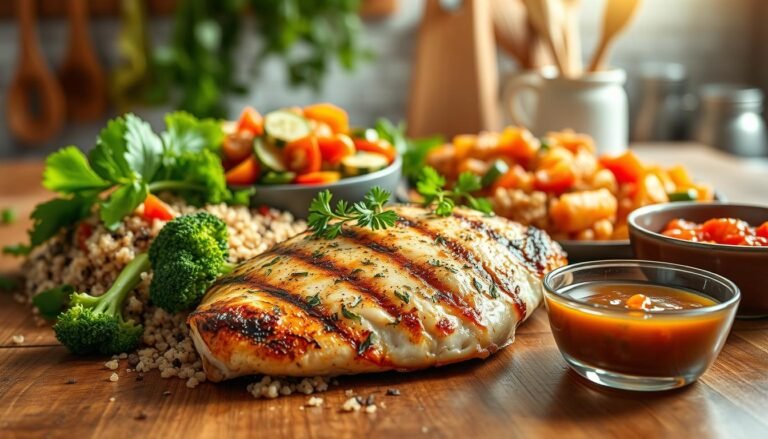
Chicken Diet Friendly Recipes
Chicken can fit a lighter meal without leaving you with a dry breast and a pile of plain lettuce. The difference often comes down to the cut, cooking method, and what you add alongside it. You can build a satisfying plate with grilled chicken, roasted vegetables, and a bright squeeze of lemon, while keeping heavy sauces and excess oil in check.
Key Takeaways:
- Choose lean chicken cuts, such as skinless breast, and cook them by baking, grilling, or poaching instead of deep-frying.
- Build flavor with herbs, spices, citrus, and garlic; a squeeze of lemon and cracked pepper can add plenty of taste without a heavy sauce.
- Pair chicken with vegetables and a satisfying side, such as roasted broccoli with brown rice, and adjust ingredients to suit your dietary needs.
What Makes a Chicken Recipe Diet-Friendly?
A diet-friendly chicken meal isn’t about stripping away flavor or putting every ingredient on a scale. You’re aiming for a plate that gives you satisfying protein, room for plenty of plants, and enough energy to suit your day. A chicken breast with a mountain of vegetables and a modest scoop of rice will feel different from the same chicken buried under a heavy sauce, even though both start with similar ingredients.
Your needs matter, too. A smaller appetite may call for a lighter serving, while an active day can make a little more grain a sensible choice. Think in terms of balance rather than a rigid set of rules, and you’ll have more flexibility at dinner.
Lean Cuts and Smart Portions
Skinless chicken breast is a familiar lean choice, but it’s not the only one. Skinless thighs have a little more fat and a richer flavor, which can make a meal satisfying without needing a thick coating or a lot of added ingredients. Choose the cut that fits your taste and the rest of your plate; either can work in a balanced meal.
Portion size is easier to judge when you look at the whole meal. A piece of chicken about the size of your palm is a useful visual guide, not a strict limit. If you’re serving it with beans, grains, and vegetables, you may want less chicken than you’d need for a plate that’s mostly protein. Use your appetite as a cue, too.
Veggies, Whole Grains, and Healthy Fats
Vegetables add color, texture, and volume, so your plate doesn’t have to rely on a large portion of chicken to feel complete. Pair chicken with roasted broccoli, a crisp salad, or sautéed peppers, and include a whole grain such as brown rice or barley if it suits your meal. These ingredients bring different textures and flavors to each bite.
A little fat can make a meal more satisfying and help carry flavor. Avocado, nuts, seeds, or a drizzle of olive oil can all fit; the key is to use an amount that complements the rest of your plate. For example, if you add sliced avocado to a chicken salad, you might keep the dressing simple rather than piling on several rich toppings.
| Plate component | Everyday example | What it adds |
|---|---|---|
| Lean protein | Skinless chicken breast | Satisfying protein |
| Vegetables | Broccoli or peppers | Color, texture, and volume |
| Whole grain | Brown rice or barley | A hearty side |
| Healthy fat | Avocado or olive oil | Flavor and richness |
My Go-To Ways to Cook Chicken Without Overdoing It
You can keep chicken juicy and satisfying without leaning on lots of oil, butter, or creamy sauce. The trick is to choose a cooking method that suits the cut, then pay attention to heat and timing. A quick-cooking breast needs a different touch than a sturdy thigh, and a little care makes a noticeable difference.
For easy meals, start with a simple base: cook the chicken until it’s done, then build flavor with seasonings and fresh ingredients. A squeeze of lemon, chopped herbs, or crisp vegetables can bring plenty of character to your plate without weighing it down.
Bake, Grill, or Air-Fry
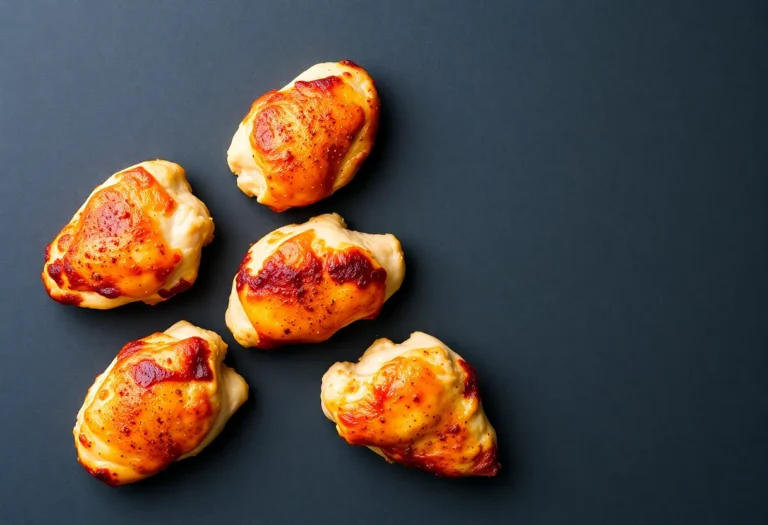
Baking works well when you want a hands-off dinner. Set chicken breasts in a shallow dish, brush them lightly with oil, and bake until the thickest part reaches 165°F. For even cooking, pound thicker areas to a similar thickness first. Add a splash of broth or lemon juice to the dish if you’re worried about dryness.
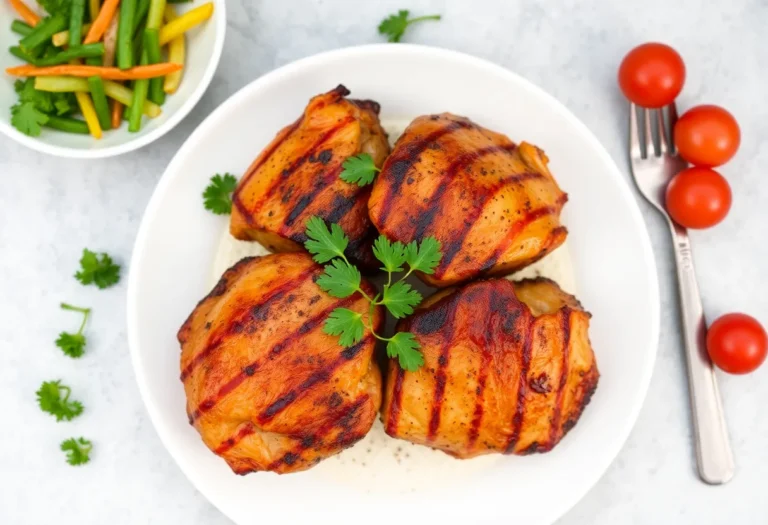
Grilling gives chicken a smoky edge, while an air fryer can create a browned exterior with only a light coating of oil. Turn pieces as needed and avoid cooking them longer than necessary; a thermometer takes the guesswork out. Try boneless thighs on the grill or sliced breast in the air fryer for a quick weeknight plate.
- Pat chicken dry before cooking for better browning.
- Leave space between pieces so hot air can circulate.
- Let cooked chicken rest briefly before slicing.
Season It Well Without Heavy Sauces
Build flavor with pantry seasonings before the chicken hits the heat. Garlic powder, smoked paprika, black pepper, and dried oregano make a savory blend; a little chili powder adds warmth without much effort. Rub the mixture over the surface with a small amount of oil so it sticks, then season both sides rather than piling it all on top.
Acid and fresh herbs can do plenty of work after cooking. Finish grilled chicken with lemon juice and chopped parsley, or add a spoonful of plain yogurt mixed with dill and grated cucumber. A pinch of salt helps bring out the other flavors, but taste as you go, especially if your spice blend or broth already contains salt.
Chicken Recipes That Actually Fit Your Goals
Your meal can do more than fill the plate: a quick dinner can keep a busy evening on track, while a well-built lunch can make tomorrow feel easier. Think about when you’ll eat, how much time you have, and whether you want something warm or crisp. A few everyday combinations give you plenty of room to switch things up without turning cooking into a project.
For instance, pair sliced chicken with roasted vegetables at dinner, then use extra portions in a lunch bowl with grains and crunchy greens. The same cooked chicken can take on a different feel with lemon, herbs, salsa, or a spoonful of yogurt sauce. Plan around the ingredients you already enjoy, and the meals are more likely to fit naturally into your day.
Quick Weeknight Chicken Dinners
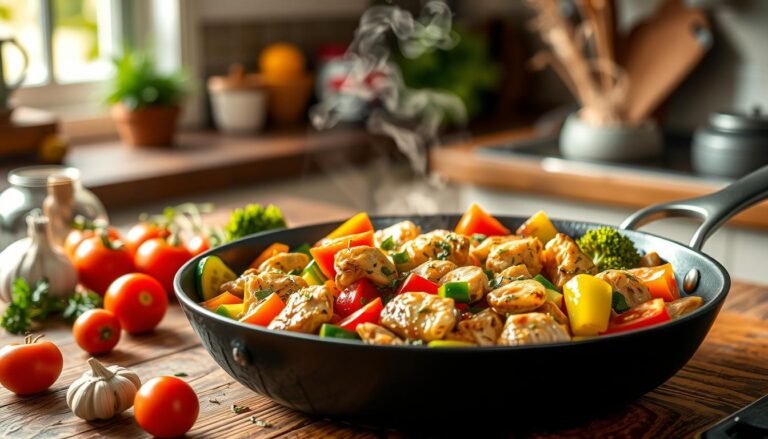
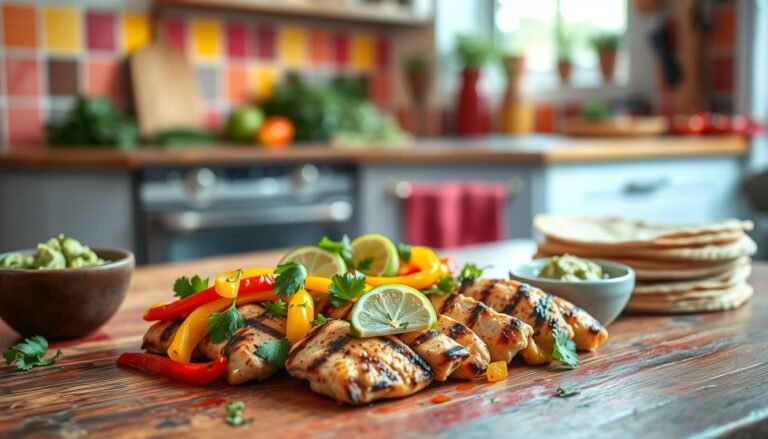
When the evening’s packed, cut boneless chicken into evenly sized pieces so it cooks quickly and predictably. Sear it in a hot pan with a little oil, then add sliced peppers and onions; serve the mixture with rice, or spoon it into warm tortillas. A sheet pan is another easy option: roast chicken pieces alongside broccoli and small potato cubes, keeping the pieces similar in size so they finish together.
For a fast skillet meal, stir cooked chicken into tomato sauce with spinach and serve it over pasta or a scoop of grains. You can also make a simple lemon and herb pan sauce from the browned bits left behind. Keep the seasoning flexible: smoked paprika brings warmth, while garlic and oregano give the same basic dinner a Mediterranean feel.
Fresh Salads and Meal-Prep Bowls
For a satisfying salad, combine chopped chicken with crisp romaine, cucumber, cherry tomatoes, and a modest amount of dressing. Add chickpeas or a handful of cooked grains if you want a heartier lunch. Keep wet ingredients, such as dressing or juicy tomatoes, separate until you’re ready to eat; your greens will stay crisp instead of turning limp by midday.
Meal prep works best when you build a few mix-and-match parts rather than packing identical bowls. Set aside cooked chicken, brown rice, roasted vegetables, and a fresh topping such as cabbage or herbs. Then vary the finish: lemon and olive oil one day, salsa the next. Refrigerate cooked portions promptly in shallow containers, and keep crunchy toppings in a separate small container.
| Meal idea | Easy combination | Useful prep detail |
|---|---|---|
| Weeknight skillet | Chicken, peppers, onions, rice | Cut pieces evenly for quick cooking |
| Sheet-pan dinner | Chicken, broccoli, potato | Keep ingredients similar in size |
| Fresh salad | Chicken, romaine, cucumber, tomato | Pack dressing separately |
| Prep-ahead bowl | Chicken, rice, vegetables, herbs | Store crunchy toppings apart |
What If You’re Following a Specific Diet?
Your dietary needs can change how a chicken recipe works on your plate, but small ingredient swaps often do the job. Check sauces, spice blends, and packaged broths, too: they can contain sugar, wheat, or dairy even when the chicken itself fits your plan.
Start with the ingredients you need to avoid, then choose a substitute that keeps the meal satisfying. A few practical adjustments can make familiar recipes easier to adapt without turning dinner into a separate cooking project.
Low-Carb and Keto-Friendly Options
For a lower-carb meal, pair chicken with nonstarchy vegetables instead of rice, pasta, or bread. Roasted broccoli, sautéed zucchini, and cauliflower rice all take well to pan juices and herbs. If you’re following keto, check the full recipe for carb-heavy additions such as honey, sweet barbecue sauce, or a flour coating; a savory rub with paprika, garlic, and black pepper keeps the flavor without the sweet glaze.
Chicken thighs can be a satisfying choice because their natural fat works well in a keto-style meal, though breasts fit too if that’s what you prefer. Build a plate with chicken, leafy greens, and an olive oil dressing, or add avocado for a creamy texture. Keep sauces simple: lemon, herbs, and oil are easy to measure and don’t hide added sugar.
Gluten-Free and Dairy-Free Swaps
For gluten-free chicken, replace wheat flour or breadcrumbs with finely ground almonds, cornmeal, or certified gluten-free crumbs, depending on the recipe. Use tamari labeled gluten-free in place of regular soy sauce, and check seasoning packets and stock labels for wheat-based ingredients. If you’re cooking for someone with celiac disease, keep the board, utensils, and cooking oil free of crumbs from other foods.
Dairy-free cooking doesn’t mean giving up a creamy sauce. Blend unsweetened coconut milk into a mild curry, or stir tahini with lemon juice and water for a quick dressing over grilled chicken. For a cheesy topping, try nutritional yeast, but taste as you go since it’s savory and concentrated. Before serving, check marinades for yogurt, butter, whey, or milk powder.
- Choose plain, unseasoned chicken to control added ingredients.
- Use separate tongs for raw chicken and cooked food.
- Read labels on spice blends and bottled marinades.
Keep Your Chicken Meals Tasty All Week
A little care after cooking makes planned chicken meals easier to enjoy and safer to eat. Set aside the portions you’ll need, then cool and store them promptly rather than leaving the pan on the counter while you finish other chores. Keep raw chicken separate from cooked food, and use clean containers and utensils so juices don’t spread between them. A quick label with the cooking date can save you from guessing later, especially when several meals are tucked into the fridge.
For the best texture, store sauces and crisp toppings separately when you can. A container of chicken with rice, for example, reheats more evenly if you add a fresh spoonful of sauce after warming. Keep your fridge at 40°F (4°C) or colder, and freeze portions you won’t eat within three to four days.
Meal Prep and Storage Basics
Divide cooked chicken into shallow, airtight containers soon after the meal; smaller portions cool faster than one deep, tightly packed dish. Refrigerate within two hours of cooking, or within one hour if the room is hotter than 90°F (32°C). Don’t leave the container open on the counter to cool for hours. If you’ve cooked a large batch, split it between containers before chilling.
Cooked chicken keeps in the refrigerator for three to four days. For longer storage, freeze portions in freezer safe containers or bags, pressing out extra air and adding a date label. Thaw frozen chicken in the fridge, in cold water changed every 30 minutes, or in the microwave – not on the counter. Reheat leftovers to 165°F (74°C), checking the thickest part with a food thermometer.
Easy Ways to Refresh Leftovers
Microwaves can dry chicken out, so add a splash of water or broth and cover the dish loosely to hold in steam. Heat in short bursts, turning or stirring between them, until the chicken reaches 165°F (74°C). If you’re warming a skillet instead, use low to medium heat and add a spoonful of liquid; a quick stir keeps smaller pieces from scorching while the center warms.
Keep crunchy or delicate additions out of the heat. Add lettuce, cucumber, herbs, or a squeeze of lemon after reheating, and warm tortillas or bread separately so they don’t turn soggy. If you’ve mixed chicken into a soup or sauce, bring the whole dish to a safe temperature and stir it well. Reheat only the portion you plan to eat; repeated cooling and warming can affect both safety and texture.
| Task | Practical tip | Safe target |
|---|---|---|
| Chill cooked chicken | Use shallow containers | Refrigerate within two hours |
| Store in the fridge | Label with the cooking date | Use within three to four days |
| Freeze portions | Seal tightly and date the package | Thaw in the fridge, cold water, or microwave |
| Reheat leftovers | Add a splash of broth or water | Reach 165°F (74°C) |


Conclusion
Chicken can fit into a balanced eating plan without turning dinner into a plain, repetitive routine. You can grill a breast with lemon and herbs, roast thighs with vegetables, or add shredded chicken to a bean and greens bowl. The details count: choose a cooking method that doesn’t rely on heavy breading, watch how much oil or sauce you add, and pair your chicken with foods that suit your needs. If you’re following a specific eating plan, check labels on marinades and seasonings, since added sugar and sodium can sneak into packaged options.
Keep a few flexible recipes in rotation, then change the vegetables, spices, or sides to suit the week. A tray of roasted chicken and vegetables can become lunch the next day, while leftover chicken works in a salad or soup. You don’t need every meal to be perfect; a practical recipe you’ll cook again is more useful than a complicated one that stays bookmarked. Start with one simple adjustment, such as baking instead of frying, and build from there.