Beef Lean Muscle Meals
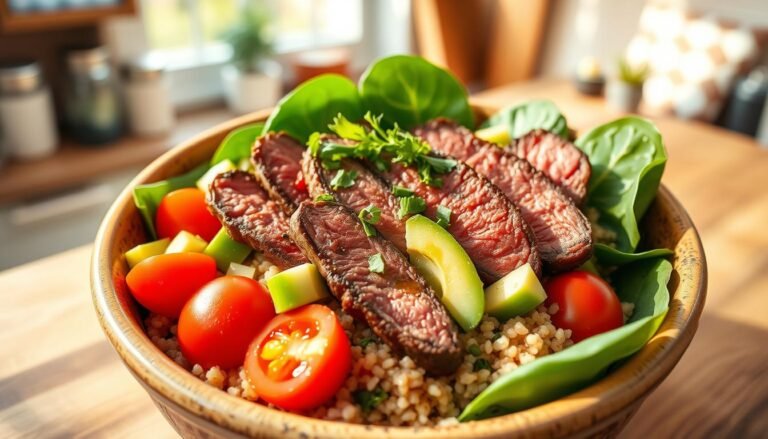
Chicken breast gets all the glory, but beef deserves a spot on your plate too. You can build serious muscle-fueling meals from cuts like sirloin, flank, and 93% lean ground beef, packing in protein, iron, and B12 without drowning in fat. Ready to rethink your go-to grocery list? Let’s get into what actually works.
Key Takeaways:
- Lean beef cuts like sirloin, flank, and 93% lean ground beef pack serious protein without dragging along a ton of extra fat, making them a solid base for muscle building meals.
- Cooking method matters just as much as the cut you pick. Overcooking lean beef is the fastest way to end up with something chewy and sad, so quick high heat searing or a hot skillet works better than slow, dry methods.
- Batch cooking beef ahead of time and pairing it with the right sides and seasoning turns a plain protein source into meals you’ll actually look forward to eating all week.
Which cuts are actually lean?
Grab a package of ground beef and flip it over. That number on the label, 80/20 or 90/10, tells you more about your gains than the price tag ever will. Sirloin, round, and loin cuts are where you want to be spending your money if muscle is the goal. These come from the parts of the cow that actually work for a living, which means less marbling and more protein per bite. A 4 ounce serving of top sirloin packs around 25 grams of protein while keeping fat in the single digits, and that ratio is exactly what you’re chasing when you’re trying to build without piling on unnecessary calories.
My go-to lean favorites
Eye of round has become a staple in my kitchen, and for good reason. It’s one of the leanest cuts you’ll find at any butcher counter, and it costs a fraction of what you’d pay for a filet. Top round and bottom round follow close behind, both delivering serious protein without the fat cushion that comes with pricier cuts. Flank steak deserves a mention too, since it brings a bit more flavor to the table while still staying in lean territory.
Ground beef labeled 93/7 or 96/4 rounds out my rotation nicely. It’s versatile, cheap, and cooks up fast on a weeknight when you don’t have time to fuss over a skillet. Sirloin tip and tenderloin also make regular appearances, mostly because they hold their texture well no matter how you season them. Between these five or six options, you’ve got enough variety to never feel bored at the grocery store.
Don’t be fooled by the labels
Words like “premium” or “select” on packaging don’t tell you a thing about fat content. Grading systems like Prime, Choice, and Select actually measure marbling, and more marbling means more fat woven through the muscle. A cut labeled Prime ribeye will almost always beat out a Select round in flavor, but it’ll also beat it in fat grams by a wide margin. If your goal is muscle without the extra baggage, chasing grade labels will lead you astray every time.
Percentages on ground beef packaging deserve a second look too. That first number is the meat, the second is the fat by weight, so 80/20 isn’t nearly as different from 70/30 as it sounds once you do the math. Stick to cuts ending in “round” or “loin” as a mental shortcut when labels get confusing. Skip anything boasting “well marbled” on the sticker, because that’s basically code for more fat sitting right there in your pan.
How do I cook this without it tasting like a shoe?
Lean beef has almost no fat marbling to protect it, which means the margin between “juicy” and “chew toy” is razor thin. A gas grill running hot, a pan you haven’t preheated properly, or an oven set on autopilot will punish you every time. Get yourself an instant read thermometer if you don’t already own one – guessing by poking the meat or cutting it open just wastes juices you can’t get back. Pull sirloin or flank off the heat around 130 to 135°F for medium rare, and let carryover cooking do the rest while it rests. That resting step isn’t optional, either. Five to ten minutes under foil lets the fibers relax and reabsorb the liquid they just squeezed out under heat, so your first bite doesn’t flood the plate instead of your mouth.
Cooking lean cuts is really an exercise in patience and precision rather than raw heat. You’re working with a narrow window, so rushing it or walking away from the stove for “just a second” tends to backfire. Slice against the grain once it’s rested, too, since that shortens the muscle fibers and makes every piece easier to chew, even if you slightly overshot your target temperature.
The real deal on searing
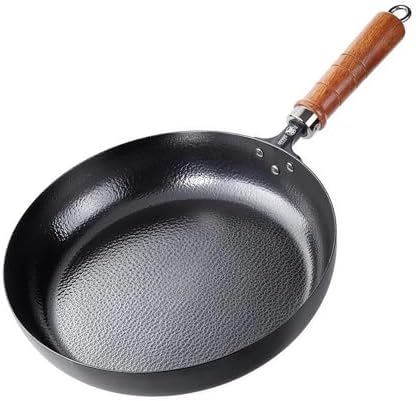
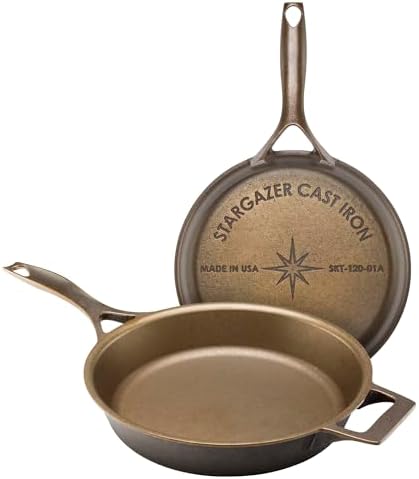
Searing gets treated like some kind of kitchen magic trick, but it’s really just chemistry: high heat plus a dry surface equals browning and flavor. Pat your steak or roast completely dry with paper towels before it touches the pan – any surface moisture just steams the meat instead of browning it, and you’ll end up with gray, sad exterior instead of a crust. Use a heavy skillet, preferably cast iron or stainless, and let it get properly hot before the beef goes anywhere near it. A screaming hot pan for two to three minutes per side builds that crust fast, which locks in juices rather than letting them leak out over a long, slow cook.
Oil matters here, too. Go with something that has a high smoke point, like avocado or refined vegetable oil, since butter alone will burn before your sear even develops. Resist the urge to move the meat around once it hits the pan. Let it sit, let it crackle, and only flip once you see that deep brown color creeping up the sides. Constant flipping is the enemy of a good crust.
Why I think slow cooking is a lifesaver
Slow cookers get a bad reputation for turning lean beef into cardboard, but that’s usually a technique problem, not a device problem. Low and slow, done right, breaks down connective tissue in tougher lean cuts like eye of round or bottom round roast without drying out the muscle fibers themselves. Six to eight hours on low, submerged partly in broth or a flavorful liquid, keeps moisture circulating around the meat the entire time instead of letting it evaporate off like it would in a dry oven.
Braising works on the same principle and deserves just as much credit. Sear the meat first for flavor, then

Seriously, spice is your best friend
Lean beef has one flaw and you already know what it is. Strip away the fat and you strip away most of the flavor carrier, so what’s left can taste flat if you don’t do something about it. That something is a dry rub. Rub a mix of smoked paprika, garlic powder, black pepper, and a little cumin onto a flank steak or sirloin tip and you’ve basically solved the problem before it started. No oil, no added sugar, no calories worth counting. A good rub also helps form a crust when you sear the meat, which gives you texture contrast without needing a pat of butter to finish it off.
Marinades work the same magic, just wetter. A splash of balsamic vinegar, some Dijon mustard, minced garlic, and a squeeze of lime can tenderize a tough cut of round steak while packing in flavor from every angle. You’re not adding meaningful calories here, maybe twenty or thirty per serving if that. Give it thirty minutes minimum, a few hours if you’re organized enough to plan ahead. The acid in these mixtures breaks down muscle fibers too, so cuts that would otherwise chew like a tire become genuinely pleasant to eat.
Honestly, skip the sugary sauces
Bottled barbecue sauce is basically candy in disguise, and you’re undoing a lot of good work if you drown your lean beef in it. One tablespoon can run you fifteen to twenty grams of sugar, which adds up fast if you’re generous with the bottle. That’s calories with zero nutritional payoff, sitting right on top of a protein source you chose specifically because it was clean and efficient. Ketchup, teriyaki, and most store bought glazes fall into the same trap. Read a label sometime and you’ll be shocked at how far sugar creeps into things that don’t even taste sweet.
Swapping in a rub or marinade instead means you keep the calorie count where you want it without sacrificing taste. Vinegar based hot sauces are a solid fallback if you need something saucy, since most run near zero sugar and zero calories per serving. Mustard, especially the spicier varieties, gives you tang without the crash. Once your palate adjusts, sugary sauces start tasting cloying rather than satisfying, and you won’t miss them the way you thought you would.
My secret herb blends
Rosemary and thyme do something special to beef that most people underestimate. Crush dried rosemary between your fingers before adding it, that releases the oils and makes a noticeable difference compared to just sprinkling it on whole. Pair it with thyme, a bit of onion powder, and a pinch of sea salt, and you’ve got a blend that works on everything from a lean ground beef patty to a trimmed sirloin. Fresh herbs matter here too. Chopped parsley or cilantro tossed on after cooking adds brightness that dried herbs alone can’t replicate.
Meal prepping like a total pro
Sunday afternoon is when the magic happens. Grab two or three pounds of your favorite lean cut, whether that’s sirloin, top round, or a well trimmed flank steak, and cook it all in one go. You’re not just saving time, you’re building a system. Batch cooking beef means you sear or roast everything at once, portion it out while it’s still warm, and set yourself up so weeknight dinners take five minutes instead of forty. Skip the temptation to season everything the same way, too. Cook a big base batch with just salt and pepper, then split it into smaller containers and dress each one differently, some with a smoky rub, others with a citrus marinade, so Wednesday’s dinner doesn’t taste like Monday’s leftovers on repeat.
Portioning matters just as much as the cooking itself. Weigh out four to six ounce servings before you store anything, because eyeballing it after a long day at work never works out in your favor. Use a kitchen scale, it takes ten extra seconds and keeps every meal consistent. Slice your beef against the grain before portioning, since it’ll reheat more evenly and stay tender instead of turning chewy. Label each container with the cut and the date, a habit that sounds excessive until you’re staring at three identical bags wondering which one’s been in there for two weeks.
Here’s how I store my beef
Glass containers beat plastic every time when you’re storing cooked beef for the week. They don’t absorb odors, they don’t stain from sauces, and you can toss them straight into the microwave without worrying about chemicals leaching into your food. Divide your batch into daily portions immediately after cooking cools down, don’t wait until you’re rushed and tempted to just shove it all into one giant container. Beef stored in one big block reheats unevenly and dries out faster than beef that’s already been split into single servings.
Freezing works wonders if you’re prepping more than four days out. Anything you won’t eat within that window should go straight into the freezer in flat, sealed bags, pressed thin so they thaw quickly and don’t take up your whole freezer shelf. Fridge portions should sit toward the back where the temperature stays most consistent, not in the door where it fluctuates every time you open it. Thaw frozen portions overnight in the fridge rather than on the counter, since that slow thaw keeps the texture intact and avoids that mushy, waterlogged result nobody wants.
What’s the best way to reheat?
Low and slow wins every time with beef. Blasting a portion on high in the microwave for two straight minutes turns a tender cut into rubber, so drop the power to fifty percent and heat it in thirty second bursts, checking in between. A splash of beef broth or even just water in the container traps steam and keeps things from drying out. Covering the dish with a damp paper towel does the same job and stops your microwave from turning into a grease-splattered mess.
Stovetop reheating gives
What’s the deal with the macros?
Numbers matter here, so let’s get real about what you’re putting on your plate. A good lean beef cut, like sirloin or eye of round, gives you somewhere around 25 to 26 grams of protein per 100 grams, with fat sitting in the single digits if you trim it right. That ratio is what you’re chasing for muscle repair without the extra baggage. Your body needs that protein to rebuild fibers you’ve broken down in the gym, and beef delivers a complete amino acid profile that does the job efficiently. Fat isn’t the enemy either, in moderate amounts it helps with hormone production, including testosterone, which plays its own role in building mass.
Carbs get less attention in this conversation, but they matter too since beef alone won’t refuel your glycogen stores. Balancing your plate means thinking beyond just the meat itself, though the meat is your anchor point for hitting daily protein targets. Someone aiming for 150 grams of protein daily might need close to 600 grams of lean beef spread across meals, depending on what else is on the menu. Track your intake for a week and you’ll start seeing patterns you didn’t expect.
Why beef’s better than chicken sometimes
Chicken breast gets all the glory in bodybuilding circles, but beef holds its own and then some. Iron content in beef is significantly higher than chicken, and it’s the heme iron your body actually absorbs well, not the plant based version that needs help getting into your bloodstream. Zinc numbers favor beef too, which matters since zinc supports testosterone production and immune function during heavy training blocks. You’re not just getting protein when you choose beef, you’re getting a nutrient package that chicken can’t fully match.
Creatine content is another point in beef’s favor, something chicken barely offers in comparison. Natural creatine from food supports strength and power output, which is exactly what you want when you’re pushing heavy weights. Vitamin B12 levels in beef also outpace chicken by a wide margin, and B12 plays a direct role in energy metabolism and red blood cell formation. Variety keeps your diet interesting, but don’t sideline beef just because chicken has a reputation as the “safe” choice.
Keeping those fats in check
Fat content swings wildly depending on which cut lands on your cutting board. Ribeye and other marbled cuts taste incredible but can push fat grams into territory that eats into your daily calorie budget fast. Choosing 90/10 or leaner ground beef, along with cuts like flank or top round, keeps saturated fat lower while still giving you that satisfying beef flavor you’re after. Reading labels on ground beef packaging tells you exactly what ratio you’re working with before it hits the pan.
Trimming visible fat before cooking makes a noticeable difference in your final macro count too. Grilling or broiling lets excess fat drip away naturally, unlike pan frying where
What should I eat on the side?
The best veggies for beef
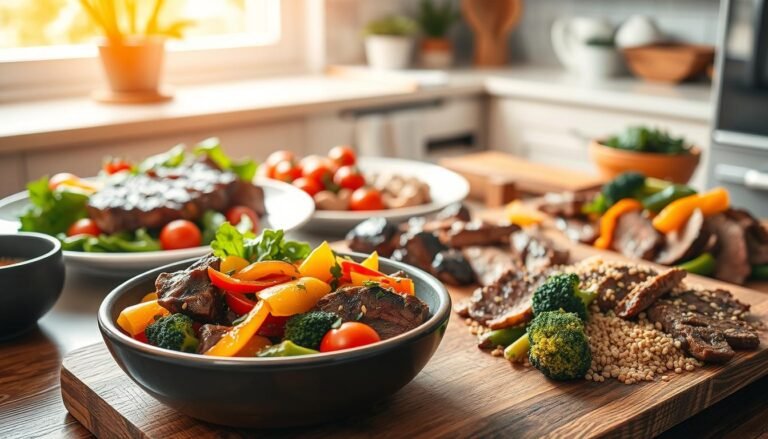
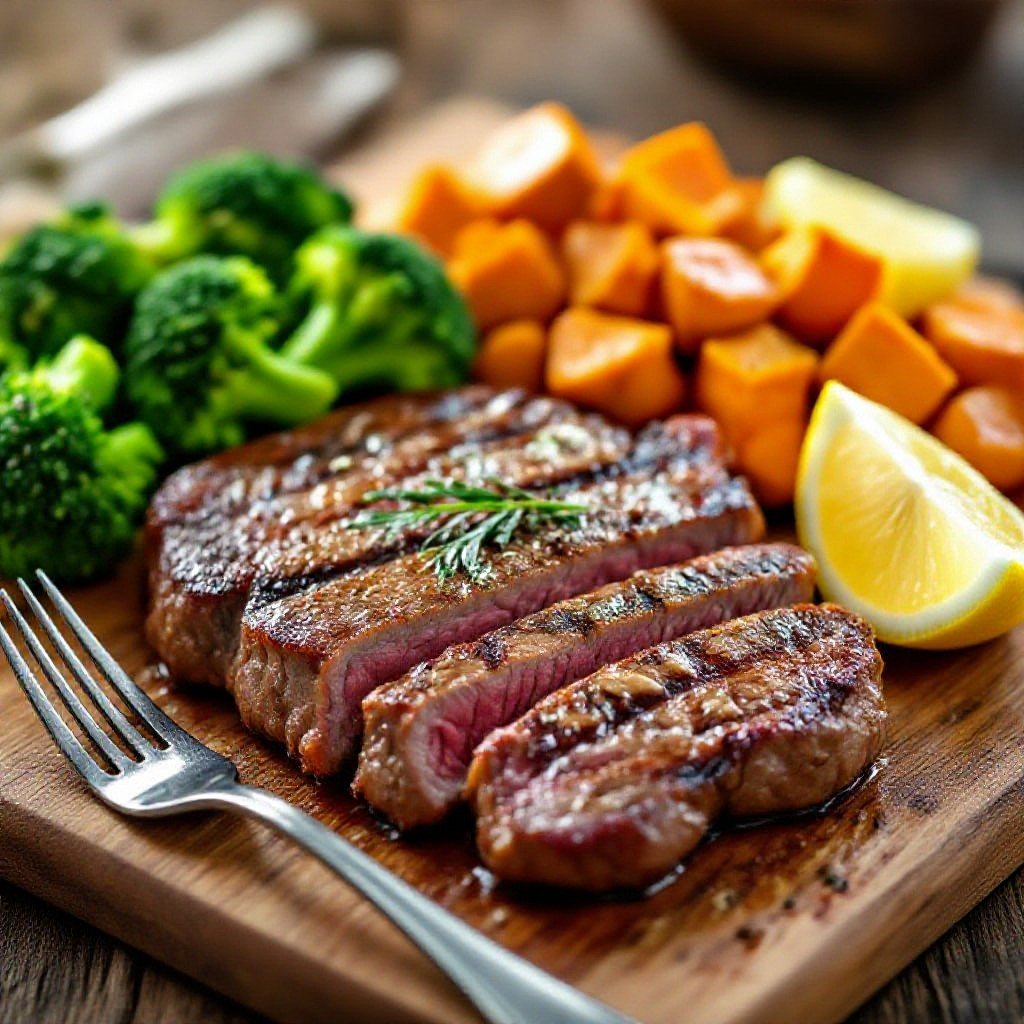
Broccoli gets all the glory in fitness circles, and honestly, it deserves it. You get fiber, a decent hit of vitamin C, and that slight bitterness that cuts through the richness of a well-seared sirloin. But don’t stop there. Asparagus roasted with a little garlic works wonders alongside beef, and it takes maybe ten minutes in a hot oven. Bell peppers, sliced thin and sautéed until they just start to char, add sweetness without piling on calories.
Leafy greens deserve a spot too, though you might overlook them next to something as heavy as beef. A simple spinach sauté with a splash of lemon juice cleans the palate between bites and adds volume to your plate without touching your macros much. Zucchini noodles are another sneaky option if you’re trying to keep carbs low while still feeling like you’ve got a full meal in front of you. Mix textures and colors, and you’ll never get bored of the pairing.
My take on the perfect carb
Sweet potatoes win this argument in your kitchen, and it’s not particularly close. They’ve got a natural sweetness that plays off the savory char of beef, plus fiber and potassium that white rice just doesn’t offer. Roast them in wedges with the skin on for extra texture, or mash them if you want something a bit more comforting after a long day of training.
Rice still has its place, especially jasmine or basmati when you need something quick that soaks up pan juices beautifully. Quinoa works if you want a protein bump alongside your carb source, though the taste is milder and some people find it a bit bland on its own. Whatever you pick, portion it based on your activity level that day, not just habit. A lifting day calls for more carbs than a rest day, plain and simple.

To wrap up
You’ve got everything you need now to make beef a regular part of your muscle building routine without the guesswork. Pick your sirloin, your flank, your 93/7 ground beef, and treat the cooking process with a bit of care instead of just tossing it in a pan and hoping for the best. Season it properly, pair it with smart carbs and veggies, and portion it out ahead of time so decision fatigue doesn’t derail your week. Your body responds to consistency more than perfection, so a few solid beef based meals repeated regularly will do more for you than one fancy dish you never make again.
Give yourself permission to experiment with cuts and spice blends until you find combinations you actually look forward to eating. That’s really what separates people who stick with a high protein diet from those who quit after two weeks. Your fridge full of prepped containers, your growing comfort in the kitchen, your steady progress on the scale or in the mirror – that’s the payoff. Beef isn’t complicated once you strip away the myths. It’s just food, cooked well, eaten on purpose.