Beef Healthy Lifestyle Meals
Can you enjoy your favorite red meat while still meeting your fitness targets? Many people think wellness goals require giving up hearty proteins, but that is not true. You can add nutrient-dense choices to your routine without feeling deprived.
Choosing the right cuts helps you enjoy Beef Healthy Lifestyle Meals with essential iron, zinc, and vitamin B12. Pair these proteins with fiber-rich vegetables, whole grains, and beans to create balanced plates that keep you full longer. These healthy beef meals use simple cooking methods and avoid heavy sauces or excess salt.
Key Takeaways
- Select lean cuts to maximize protein while managing calorie intake.
- Combine red meat with fiber-rich plants for better digestion.
- Prioritize natural seasonings over processed, sodium-heavy sauces.
- Focus on portion control to maintain your daily energy balance.
- Simplify your cooking process to make consistent habits easier.
What Makes Beef Healthy Lifestyle Meals a Smart Choice
Beef is a versatile protein that fits well into a balanced lifestyle. With sensible portions, it can fuel your body. Many people use nutritious beef recipes each week to feel satisfied and energized all day.
Beef provides essential nutrients your body needs. It offers complete, high-quality protein and vital minerals, including iron and zinc. It also supplies significant vitamin B12, which supports energy levels and brain health.
A balanced plate depends on what you serve with your meat. Beef offers excellent protein but lacks fiber from plant-based foods. Add colorful vegetables and hearty whole grains for a filling, complete meal.
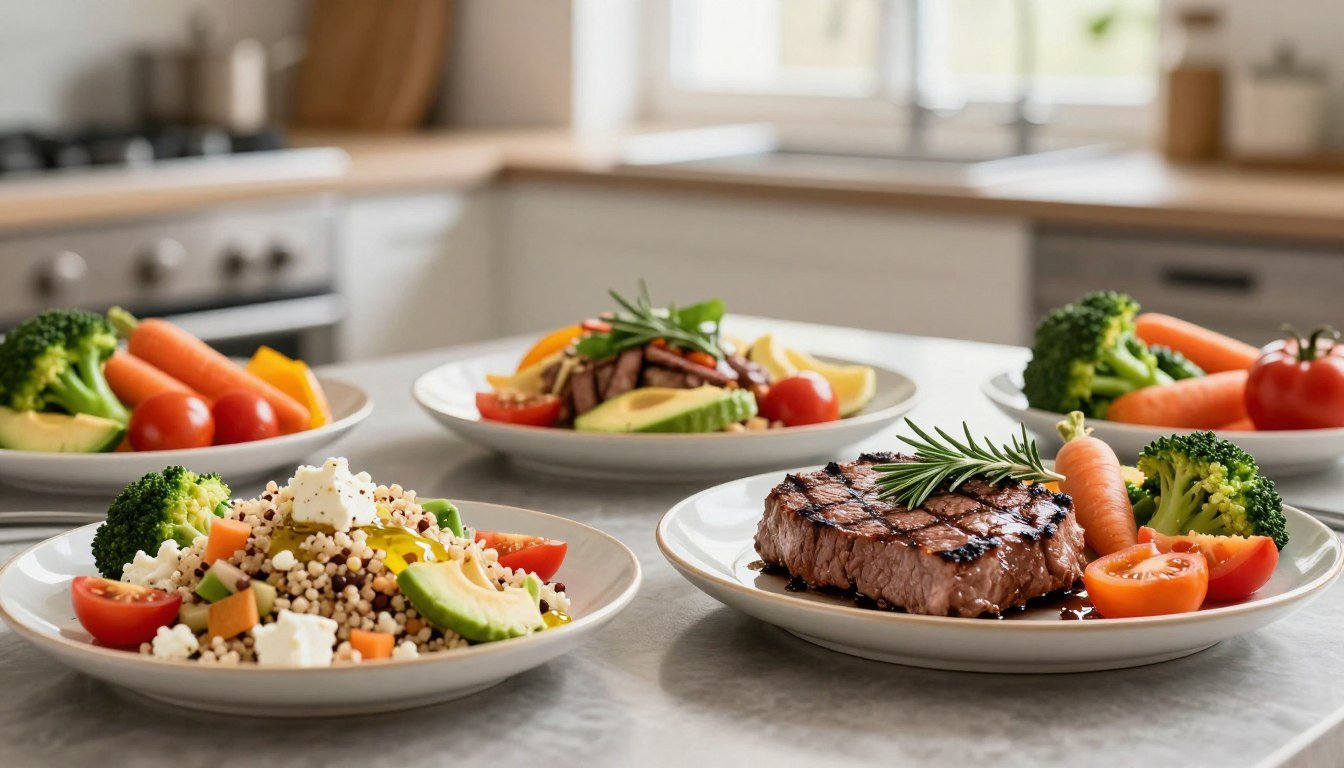
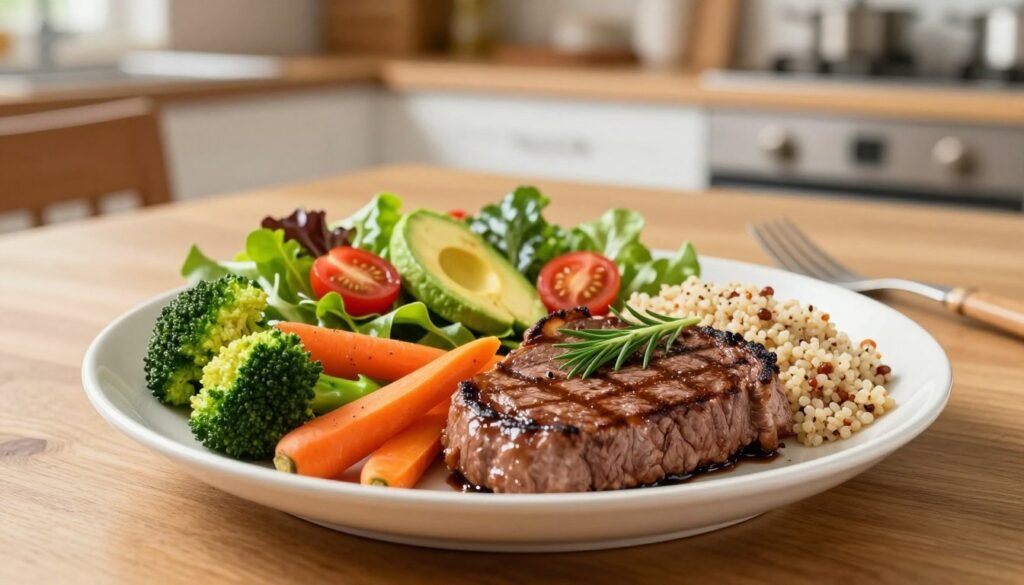
Try lean beef recipes to keep meals light and flavorful. For example, pair a simple grilled steak with roasted broccoli and a side of brown rice. This dinner adds needed fiber while keeping calorie intake in check.
Add a small amount of unsaturated fat to complete your plate. Drizzle olive oil over vegetables or add a few avocado slices to boost flavor. These additions keep your dining experience healthy and delicious.
Beef Healthy Lifestyle Meals: Choosing Nutritious Cuts
Finding the right balance of flavor and nutrition starts at the grocery store meat counter. Reading labels gives you more control over your daily intake. This habit helps you follow your wellness goals.
Selecting Ground Beef Based on Fat Percentage
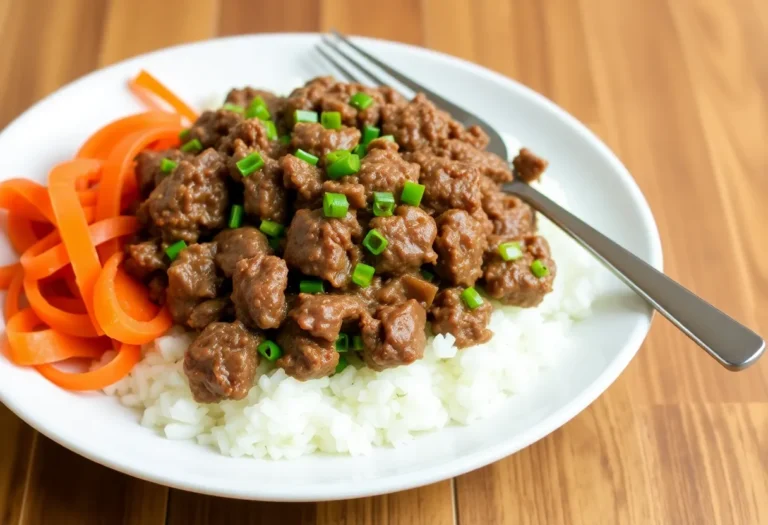
Most packages of ground beef show a lean-to-fat ratio, such as 80/20 or 93/7. A lean choice, such as 93% lean, helps you make healthy ground beef meals while keeping protein. For richer flavor, use smaller portions in your recipes.
Draining and Blotting Excess Fat After Cooking
After browning your meat, you may see rendered fat in the pan. Draining this liquid can remove some extra calories. Blotting the cooked beef with a paper towel also removes some fat.
Pair beef and vegetables to increase your dinner’s nutritional value. Colorful peppers, onions, and zucchini add volume and essential vitamins. This mix keeps meals light yet satisfying.
Beans or whole grains can add fiber to healthy ground beef meals. These ingredients help you feel full longer and add great texture. Combining beef and vegetables with hearty grains creates a complete, nutrient-dense meal for busy lifestyles.
How to Build a Balanced Beef Plate
Build a balanced meal with a simple visual guide. For a balanced beef plate, focus on the right ingredient portions. Fill half your plate with colorful, nonstarchy vegetables, such as broccoli, spinach, or bell peppers.
Split the other half between protein and a complex carbohydrate. Choose lean protein, such as low-fat ground beef, for a heart-healthy meal. Add whole grains, such as brown rice or quinoa, for lasting energy.
Low-fat ground beef delivers savory flavor without excess saturated fat. This plan provides many nutrients while helping control your calorie intake. These portions create a satisfying meal that supports your wellness goals every day.
Smart Toppings for Tacos, Bowls, and Salads
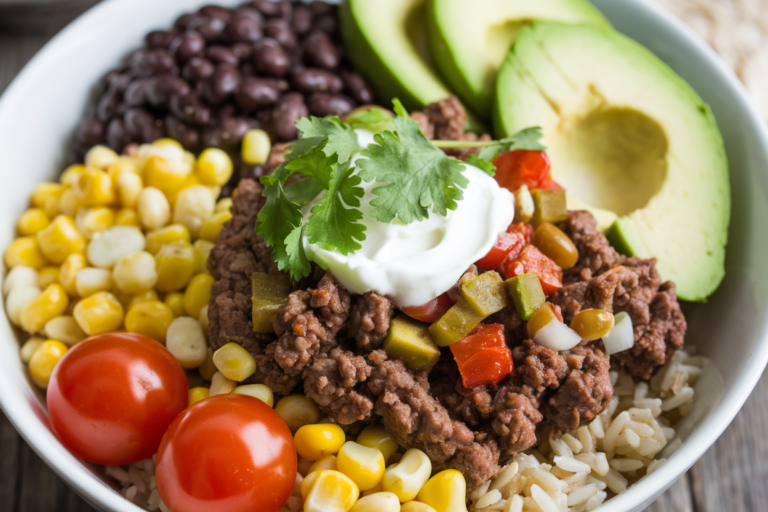
Make meals better by replacing heavy, processed toppings with fresh choices. Instead of sour cream or high-sodium sauces, try a dollop of plain Greek yogurt for a creamy texture. It adds tang and a boost of protein to your favorite dishes.
Fresh toppings like pico de gallo, salsa, and sliced avocado add vibrant flavor to tacos and bowls. Add crunch with shredded cabbage or fresh herbs, such as cilantro or parsley. These simple swaps keep food exciting while preserving its nutritional value.
Quick Beef Breakfasts and Lunches for Busy Days
Mornings can feel like a race, but you can still enjoy a protein-packed start. Adding beef breakfast ideas to your routine gives you energy for your to-do list. Try a quick beef-and-egg scramble with spinach, or prepare breakfast burritos on Sunday for grab-and-go meals all week.
When the afternoon slump hits, plan a satisfying lunch with dinner leftovers. These beef lunch ideas include sliced steak in a fresh grain bowl or seasoned ground beef in crisp lettuce. Top a garden salad with cold roast beef for a light yet filling option.
Keeping Packaged Lunches Fresh and Food-Safe
Safety matters as much as flavor when packing meals for the office. Always refrigerate cooked beef and other perishable ingredients within two hours of preparation. If the ambient temperature exceeds 90°F, refrigerate your food within one hour to prevent bacterial growth.
Proper gear helps keep meals at a safe temperature until you eat. Invest in high-quality insulated lunch bags, and use reusable ice packs to keep chilled ingredients cold. Divided containers are excellent for keeping components separate, preventing sogginess, and making meal prep easier to manage.
Wholesome Beef Dinner Ideas for Your Weekly Menu
Elevate your evening meals with wholesome beef ideas that fit a busy lifestyle. You can build a flexible menu around hearty chili, colorful stuffed peppers, and quick skillet meals. These healthy beef dinners provide needed protein while keeping your kitchen routine simple and enjoyable.
With food-safe meal prep, you keep ingredients fresh and ready for the week ahead. Proper storage and handling let you prepare components early, making dinner time less stressful. Batch-cook versatile bases, then customize them with different seasonings each night.
Choosing a Lower-Sodium Stir-Fry Sauce
Store-bought sauces often contain high sodium levels that can harm your health goals. Compare nutrition labels and choose low-sodium or reduced-sodium options. You can also make a flavorful base with fresh garlic, ginger, citrus juice, and dried herbs.
These natural ingredients add bold flavor without excessive salt. By controlling your stir-fry ingredients, you manage your nutritional intake. This simple swap keeps meals vibrant and heart-healthy.
Increasing Fiber With Beans and Extra Vegetables
Adding beans and extra vegetables to beef dishes boosts your fiber intake. These additions make meals larger, helping you feel satisfied while using less meat. You also enjoy more nutrients in every bite.
Vegetable-forward pasta dishes and bean-heavy chili recipes stretch beef across multiple servings. This approach saves money and helps create a balanced plate every time. Try seasonal produce to keep your weekly menu exciting and fresh.
One-Pot and Slow-Cooker Beef Meals That Save Time
Simplify weekly meal prep with one-pot cooking. These one-pot beef meals suit busy families who want less cleanup and more nutrition. Toss ingredients into one vessel to save time during a hectic work week.
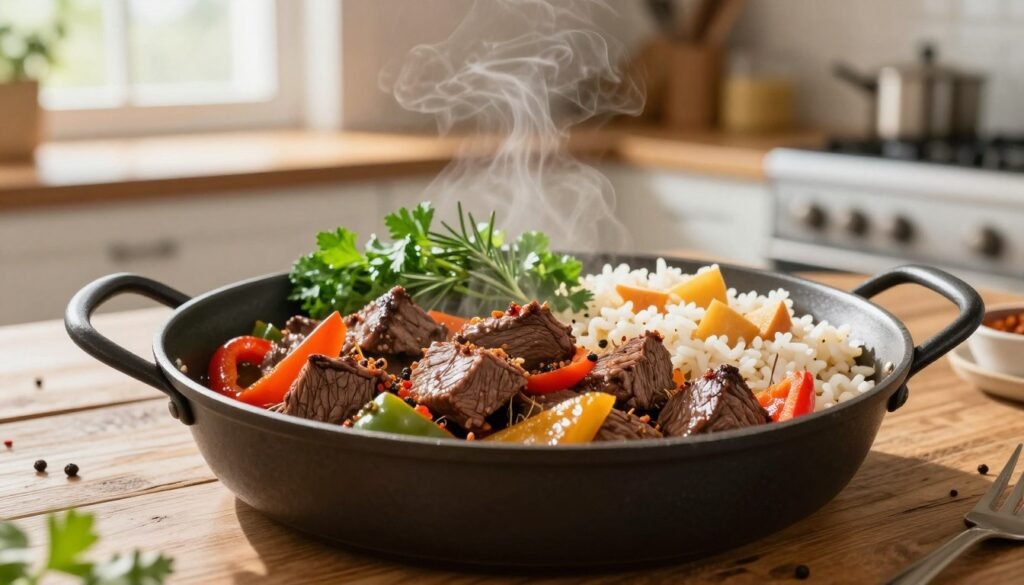
For a hands-off approach, slow-cooker beef recipes are a smart choice. Prepare hearty stews, chilis, or soups in the morning, then return to a cooked, delicious dinner. This method supports batch cooking, so you can make multiple servings for future lunches.
Reducing Sodium Without Losing Savory Flavor
Many people worry healthy cooking lacks taste, but low-sodium beef recipes can still pack a punch. Use unsalted broth as your base, then add onions, garlic, and celery. These aromatics create a natural base for deep, complex flavors.
Add mushrooms, tomatoes, and spices such as cumin or smoked paprika for more savory flavor. Fresh herbs added at the end brighten the dish without extra salt. These simple swaps keep meals heart-healthy and incredibly satisfying.
Handle leftovers carefully to protect their quality. Cool meals quickly by placing portions in shallow containers before refrigerating them. This helps food chill faster, keeping it safe and tasty for your next meal.
Healthier Ways to Prepare and Serve Beef
Small changes to your cooking routine help you enjoy beef while meeting your health goals. Many healthy ways to cook beef add no extra fats or oils. Grilling, broiling, roasting, sautéing, and braising keep flavor high while meals stay light and nutritious.
Safe, high-quality meat starts with careful home preparation. A reliable beef food thermometer temperature guide helps you cook each meal safely and well. Ground beef should reach 160°F inside before you eat it.
Whole cuts, such as steaks or roasts, should reach at least 145°F. Let meat rest for a few minutes after removing it from the heat. This helps the juices spread, creating a tender and flavorful bite.
Swapping Creamy Dressings and Sugary Glazes for Lighter Options
Rethinking toppings and sauces can help you cut hidden calories. Instead of heavy, creamy dressings or thick sugary glazes, choose brighter options. Fresh salsa, tangy vinaigrettes, and yogurt-based sauces add flavor without extra weight.
Citrus juices and fresh herbs can also bring out beef’s natural taste. A squeeze of lemon or chopped parsley can transform a dish at once. These healthy ways to cook beef and serve it keep meals exciting and fresh.
Planning Beef Meals Around Your Health Goals
A healthy beef meal plan needs balanced weekly protein intake. Beef provides key nutrients, such as iron and B12, but varied foods support your body. Treat beef as one part of a larger puzzle to build sustainable, enjoyable eating habits.
Rotate protein sources to get a broad range of vitamins and minerals. Try beans and lentils, which provide excellent fiber for digestion. Eggs, poultry, and seafood can help manage saturated fat while keeping meals exciting.
When planning protein-rich meals, consider your specific health goals. Choose more lentil and bean dishes on meat-free days to increase fiber. For heart health, seafood or poultry may help manage sodium and fat levels.
Portion control remains vital to any successful strategy. Enjoy favorite beef recipes with larger servings of vegetables or whole grains. Protein-rich meals work best when they support your lifestyle, not just a craving.
Your meal plan should fit your busy schedule. Prep meals for the week or cook on the fly; variety keeps food enjoyable and your body nourished. Stay consistent with your goals, and balanced eating can become second nature.



Conclusion
Adding Beef Healthy Lifestyle Meals to your routine can support better nutrition over time. Pair lean cuts with fiber-rich vegetables, beans, and whole grains for the most value. This plan helps keep your energy steady throughout the day.
A balanced diet with beef starts with smart kitchen habits. Use a food thermometer to ensure meat reaches the proper temperature for safety. Refrigerate leftovers promptly to maintain quality, and limit high-sodium seasonings or sugary glazes for healthier meals.
These flexible strategies let you customize your plate for your schedule and budget. Adjust portion sizes to meet your specific health goals. Start trying these Beef Healthy Lifestyle Meals today and see how they fit your life.
Your journey toward a balanced diet with beef is personal and adaptable. Try new recipes that excite your palate and support your wellness. Share your favorite creations with friends or family to keep cooking fresh and enjoyable.