Vibrant Beetroot Indian Recipe
Have you ever wondered how a single vegetable can change an entire meal? Beetroot, with its bright red color, is about to change your Indian cooking. This vibrant beetroot recipe is more than just a side dish. It’s a celebration of color, flavor, and tradition that will take your taste buds to India.
Indian cuisine is famous for its colorful dishes, and this beetroot dish is a perfect example. When you try this Indian beetroot dish, you’ll find a world of rich flavors. These flavors mix earthy sweetness with complex spice profiles.
Get ready to be amazed by a recipe that makes a simple root vegetable into a stunning dish. From its bright color to its amazing taste, this beetroot recipe will be a game-changer in your kitchen.
Key Takeaways
- Discover the magical power of beetroot in Indian cooking
- Learn how to make a visually stunning and tasty dish
- Explore the perfect mix of traditional spices and fresh ingredients
- Turn a simple vegetable into a gourmet experience
- Unlock the nutritional benefits of beetroot in Indian cuisine
Introduction to Indian Beetroot Dishes
Want to Cook Delicious Plant-Based Meals From Scratch But Have No Idea Where To Start?
Beetroot has become a star in traditional Indian recipes. It adds vibrant color and unique flavor to many dishes. Exploring beetroot in Indian cooking, you’ll find a rich variety of regional specialties.
In South India, beetroot is used in dishes like Kerala’s beetroot thoran. This dish mixes grated beetroot with coconut, creating a tasty side. In North India, beetroot is turned into cooling raitas and hearty curries that go well with spicy meals.
The sweetness of beetroot pairs well with Indian spice blends. It absorbs flavors while keeping its own taste. Beetroot is used in both vegetarian and non-vegetarian dishes, showing its versatility in Indian cooking.
Beetroot’s adaptability is seen in different regions. In Gujarat, you’ll find sweet and tangy beetroot salads. Tamil Nadu offers stir-fried beetroot poriyal, showing the vegetable’s ability to shine in simple dishes. Each region adds its own twist to beetroot recipes, making it a national favorite.
Essential Ingredients for Vibrant Beetroot Indian Recipe

Starting an authentic Indian beetroot dish means picking the right ingredients. Fresh beetroot is the main ingredient, adding a rich flavor and a deep red color. Choose beetroots that are firm, smooth, and have bright, crisp leaves. These signs show they are fresh and full of nutrients.
Spices are key to making simple beetroot into a dish to remember. Spices like cumin, coriander, and turmeric are essential. Ground cumin adds warmth, while coriander adds a citrusy taste that matches the beetroot’s sweetness.
Aromatic herbs are also important for flavor and smell. Use fresh cilantro and curry leaves for brightness and depth. If you can’t find curry leaves, Thai basil is a good substitute. These herbs make your dish look and taste great.
If you follow a special diet, don’t worry. Most ingredients can be swapped out. Gluten-free cooks can use tamari instead of soy sauce. Vegans can use coconut oil instead of ghee to keep the dish true to Indian flavors.
Kitchen Tools and Equipment You’ll Need
To make a tasty beetroot Indian recipe, you need the right tools. Start by picking the best Indian cooking utensils. They will help you make a dish that’s both authentic and full of flavor.
First, get a heavy-bottomed kadai or deep skillet. It’s key for even heat when cooking beetroot. Next, grab a sharp chef’s knife and a strong cutting board. They make chopping and dicing beetroots easy.
For grinding spices, use a mortar and pestle or an electric spice grinder. Stainless steel mixing bowls are great for mixing ingredients and marinating beetroot. Remember to have measuring cups and spoons for the right amounts.
You’ll also need a wooden spoon for stirring, a colander for washing veggies, and a food processor for quick chopping. For smooth sauces and purees, a small hand blender is a good choice.
Choose heat-resistant silicone spatulas and tongs for safe cooking. With these tools, you’re ready to make a beautiful beetroot Indian recipe. It will have traditional flavors and techniques.
Selecting and Preparing Fresh Beetroots

When picking fresh beetroot for your Indian dish, look for vibrant, firm veggies. They should have smooth, unblemished skin. Choose medium-sized beets that feel heavy and have a deep, rich color.
Start by washing the beetroots well. Rinse them under cool water, using a vegetable brush to get rid of dirt. Peeling and chopping can be messy, so wear disposable gloves to avoid stains.
To peel the beetroots, cut off the top and bottom ends first. Use a sharp peeler or knife to remove the skin carefully. For your Indian recipe, chop the beetroots into small, even cubes or thin slices.
Pro tip: Work on a dark-colored cutting board or cover your workspace with paper towels to avoid stains. Keep a damp cloth nearby to clean up any beetroot juice. The vibrant red color is full of nutrients and will make your dish look beautiful.
Before cooking, pat the chopped beetroots dry with a clean towel. This helps them roast or sauté better and prevents excess moisture from diluting the spices in your Indian recipe.
Spice Blend and Aromatics

Want to Cook Delicious Plant-Based Meals From Scratch But Have No Idea Where To Start?
Making the perfect Indian spice blend is like turning simple beetroot into a work of art. Your choice of aromatic ingredients is key to creating deep, complex flavors. Start with whole spices like cumin seeds, coriander seeds, and mustard seeds.
Toasting these spices is important to bring out their oils and intensify their taste. Heat a dry skillet and roast the spices until they smell great and look a bit darker. Then, grind them into a fresh powder using a spice grinder or mortar and pestle.
Getting the flavors right is essential in Indian cooking. Aromatics like fresh ginger, garlic, and onions add a strong base that goes well with beetroot. Mixing warm spices with fresh ingredients creates a taste that’s both rich and balanced. Try different amounts to find the spice blend that makes your beetroot dish shine.
In Indian cooking, spices are used with care to enhance the natural flavors of the ingredients. Aim to make a blend that adds to the beetroot’s sweetness. Add a bit of turmeric for color, some red chili powder for heat, and a pinch of garam masala for depth.
Step-by-Step Cooking Method

Learning Indian cooking starts with making beetroot dishes. First, heat a heavy-bottomed pan over medium heat. Add ghee or vegetable oil to make your dish flavorful.
When cooking beetroots, timing and temperature matter a lot. Cut the beetroots into small cubes for even cooking. Sauté the beetroot pieces for 5-7 minutes, stirring now and then to avoid burning. This step adds a deep, caramelized flavor, typical of Indian dishes.
Then, add your spice blend to the pan. Sprinkle turmeric, cumin, and garam masala. Let the spices bloom and release their oils. Lower the heat and cover the pan, cooking gently to keep the color and nutrients of the beetroots.
Cook for another 10-12 minutes, until the beetroots are tender but firm. They should be soft enough to pierce with a fork but not too soft. Taste and add salt if needed to boost the flavor.
Take the dish off the heat and let it rest for a few minutes. This step lets the flavors mix, making your Indian beetroot dish delicious and authentic. It will surely impress your family and friends.
Tips for Achieving the Perfect Texture
Getting the right texture for beetroot in an Indian dish is essential. You want it to be tender but firm. This texture enhances the flavors of the dish.
Start by cutting the beetroots into the same size pieces. This ensures they cook evenly. Smaller pieces help keep the dish consistent.
Be careful with cooking time and heat. Overcooking makes beetroots mushy, while undercooking makes them hard. Aim for a texture that’s slightly firm but tender. This texture absorbs spices well.
Try steaming or sautéing to control the texture. Stir-frying makes the dish drier, while slow-cooking makes it saucier. Roasting or braising can also change the texture. Adding water or broth can soften the texture if needed.
Professional chefs suggest tasting and adjusting as you cook. Use a fork to check the beetroot’s tenderness. If it’s too dry, add a bit of liquid. If it’s too wet, increase the heat to reduce the sauce. These small changes can make a big difference.
Serving Suggestions and Accompaniments
When you serve your beetroot Indian recipe, the right sides can make a big difference. Traditional Indian dishes offer many tasty options that go well with beetroot.
Begin by serving your beetroot with warm naan bread or soft roti. These breads are great for picking up the beetroot and its spices. Basmati or jeera rice also work well, adding a nice aroma to your meal.
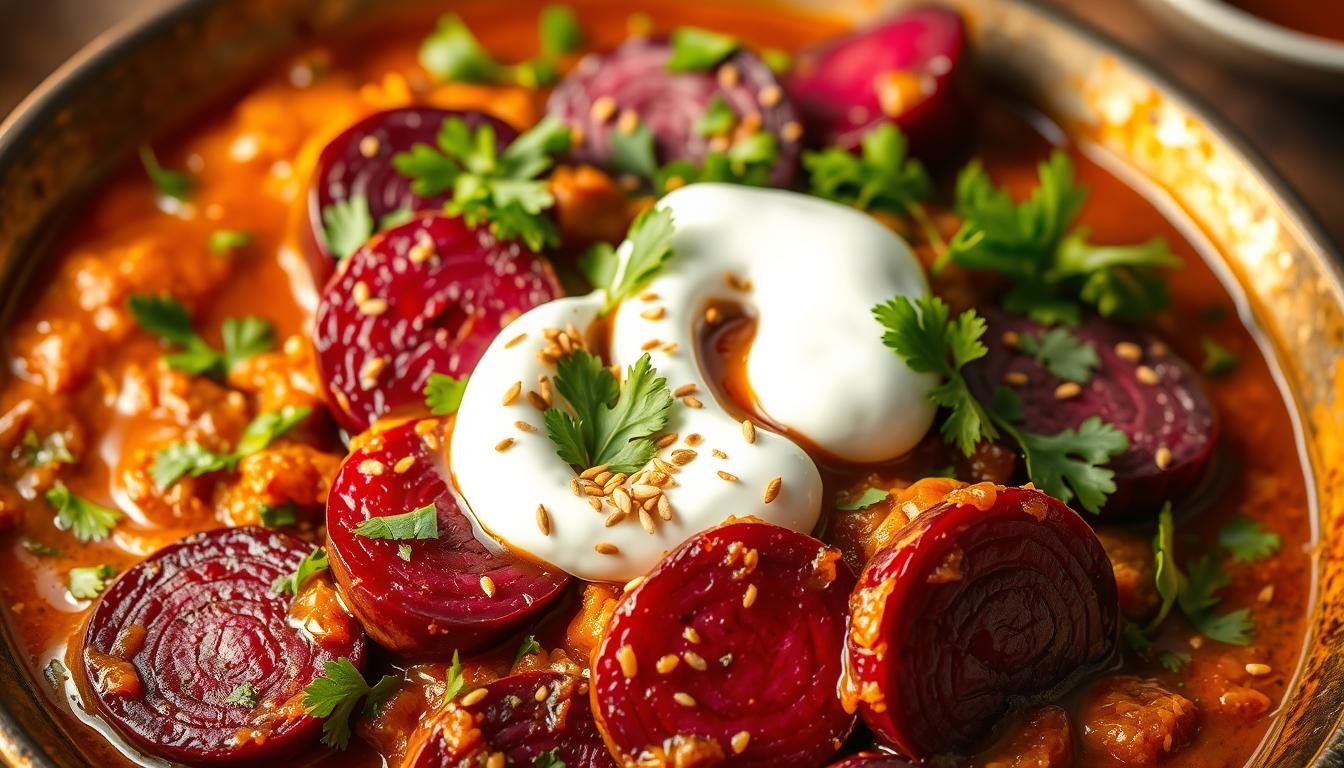
To balance the beetroot’s earthy taste, try a cool raita. This yogurt side dish cools down the spiciness and adds freshness. A tangy pickle or chutney can also add a fun twist to your meal.
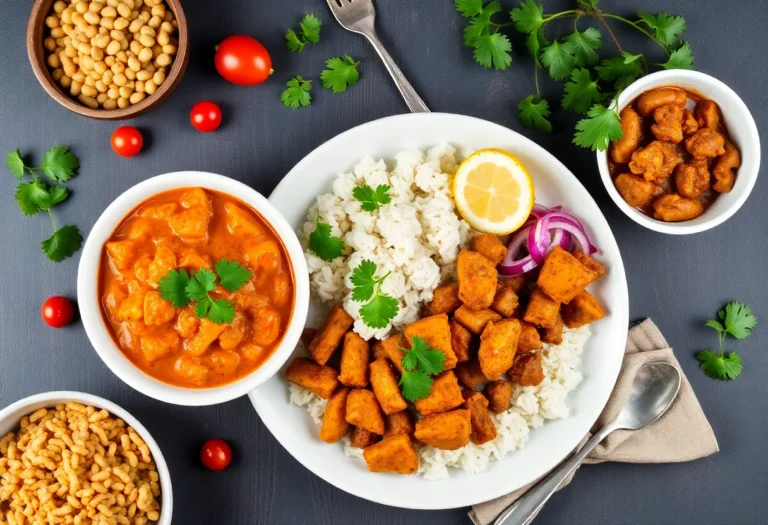
For a full meal, pair your beetroot with a light dal or a chickpea curry. These sides make your plate balanced and healthy. Don’t forget to add fresh cilantro or roasted cumin seeds for extra flavor.
How you present your dish is important too. Use a white or bright plate to highlight the beetroot’s color. A small garnish or a yogurt drizzle can make your dish stand out.
Storage and Leftover Guidelines
After making your tasty beetroot Indian recipe, it’s key to store it right. Cool the dish down before putting it in the fridge. Use airtight containers to keep it fresh.
Storing Indian food needs careful steps. Your beetroot dish can stay good in the fridge for 3-4 days. Always use clean tools to avoid germs. For longer storage, freeze it in small portions. Frozen beetroot recipes can last a month, keeping their taste and texture.
When reheating, warm it gently to keep it good. Use a microwave with a cover or heat it slowly in a pan. Add a bit of water to stop it from drying out. Stir now and then to heat evenly. Try to warm it up without overcooking the spices and veggies.
Getting creative with leftovers means making new dishes. Use your beetroot dish as a side, in salads, or as a topping for grain bowls. This way, you reduce waste and keep your meals interesting.
Health Benefits and Nutritional Information
Beetroot is a nutritional powerhouse. It’s low in calories but rich in vitamins and minerals. You’ll find it’s packed with folate, manganese, and vitamin C. The deep red color means it’s full of antioxidants, helping your body fight off diseases.
Indian spices add extra health benefits to this dish. Turmeric has anti-inflammatory properties that lower disease risks. Cumin helps with digestion and boosts metabolism. These spices turn a simple beetroot recipe into a meal that’s good for your health.
A balanced Indian diet includes foods like beetroot. One serving of this dish gives you a lot of fiber. This supports your digestive health and keeps your blood sugar stable. The mix of beetroot and Indian spices makes a meal that’s both tasty and nutritious.
This recipe is great for people with dietary restrictions. It’s gluten-free and can be made vegan or vegetarian. Beetroot is a fantastic choice for adding natural, whole foods to your diet.
Conclusion
Starting with this beetroot Indian recipe is a big step in mastering Indian cooking. You’ve not only learned a recipe but also a way to dive into Indian cuisine. This dish turns a simple root into a stunning culinary experience.
Beetroot recipe variations open up a world of creativity in the kitchen. You can make it spicier or try new spice mixes. This recipe is a great starting point for your cooking adventures. Each time you make it, you’ll get better and love Indian flavors more.
This knowledge is more than just a recipe. You now see how spices, techniques, and ingredients come together in Indian cooking. Keep trying new things and enjoy the rich traditions of Indian cuisine.
Cooking is all about discovery. Your beetroot recipe is just the start of a tasty journey into Indian cuisine. Keep exploring, stay curious, and enjoy every bite in your kitchen.
Want to Cook Delicious Plant-Based Meals From Scratch But Have No Idea Where To Start?