Beef Clean Diet Recipes
Clean beef cooking doesn’t mean plain meat or a long list of rules. It means choosing straightforward ingredients and preparing a satisfying meal, such as lean ground beef browned with garlic, then served with roasted potatoes and greens. When you cook this way, you can keep flavor front and center while knowing exactly what’s on your plate.
Key Takeaways:
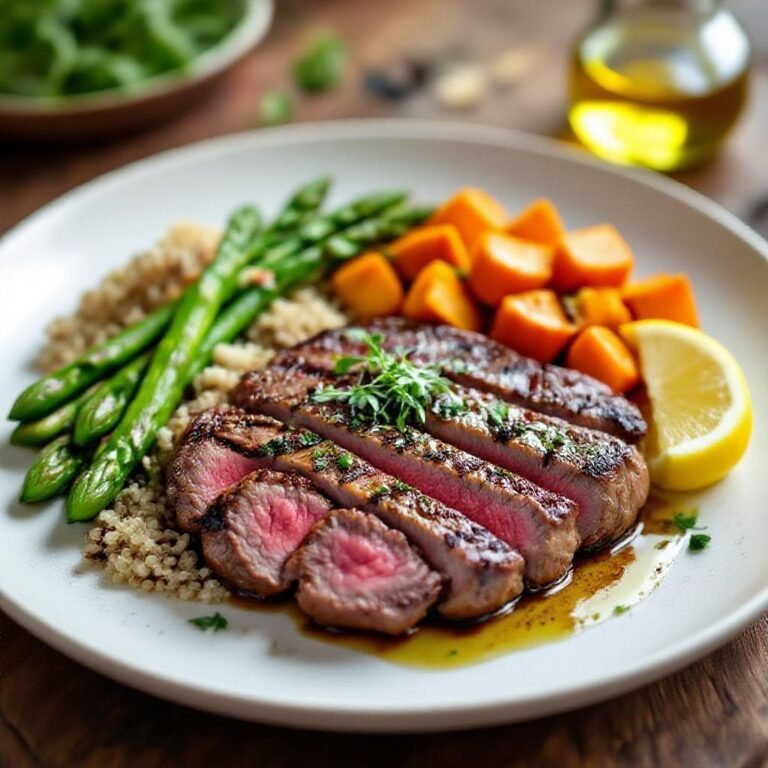
- Clean beef cooking is less about strict rules and more about using straightforward ingredients. Try grilled steak with roasted potatoes and green beans instead of a bottled sauce with a long ingredient list.
- Choose the cut to suit the meal and your budget: ground beef works well in a simple chili, while a leaner steak can be sliced over a salad or served with vegetables.
- Keep meal prep flexible by cooking beef with mild seasoning, then using leftovers in different ways, such as adding sliced steak to eggs or turning ground beef into lettuce wraps.
What “Clean” Beef Cooking Actually Means
A practical way to think about clean cooking
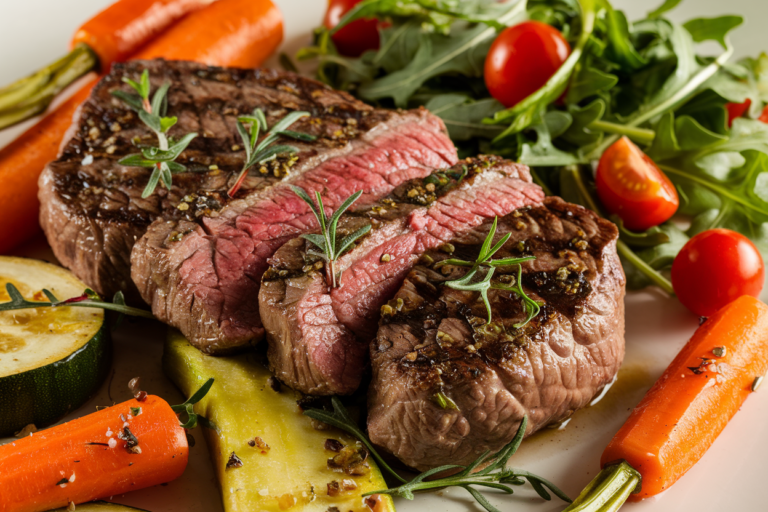
“Clean” beef cooking isn’t a strict rulebook or a promise that one ingredient is magically healthier. It’s a way to keep your meal straightforward: cook beef safely, use ingredients you recognize, and choose methods that don’t rely on lots of added sugar, salt, or heavy sauces. You might season a skillet steak with pepper, garlic, and a little oil, then serve it with vegetables. That’s clean cooking in practice, not a label you need to chase.
Let the method do its job
Start with a clear purpose for each ingredient. A splash of broth can keep a lean cut moist; herbs, citrus, or vinegar can add flavor without a bottled marinade. You don’t need to avoid every packaged food, either. Check labels and pick products whose ingredients fit your preferences. For safe handling, keep raw beef separate from ready to eat foods, wash your hands and tools, and cook it to a safe internal temperature. The choices below sum up how those habits shape a simple meal.
| Cooking choice | Practical example | What it does |
|---|---|---|
| Simple seasoning | Garlic, pepper, and herbs | Adds flavor without a sugary glaze |
| Measured salt | Season lightly, then taste | Keeps sodium in your control |
| Moist cooking | Use broth for a lean skillet meal | Helps prevent dryness |
| Safe handling | Use a clean board for vegetables | Reduces cross contamination |
Picking Beef That Fits Your Budget and Your Goals
Choose the Cut Before the Label
Start with the cut, since it has a bigger effect on cost and cooking than a fancy package label. Chuck, brisket, and round are often less expensive than tenderloin, and they can suit slow cooking or slicing thinly. For quick cooking, a modest portion of sirloin may be a better buy than paying extra for a premium steak. Match the cut to how you plan to cook it, and check the package for excess liquid or damaged wrapping.
Read Labels With a Cool Head
Labels such as “grass fed,” “organic,” and “grass finished” describe different production standards, so read the wording rather than assuming they mean the same thing. If a label matters to you, compare products and decide whether the added cost fits your priorities. Ground beef is another place to check: leaner blends may suit some goals, while a little more fat can bring flavor. Keep these points in mind at the store:
- Compare the unit price, not just the package price.
- Choose family packs only if you can freeze portions promptly.
- Ask the butcher about less familiar, lower cost cuts.
Easy Beef Clean Diet Recipes for Any Day
Quick meals with everyday ingredients
For a fast lunch or dinner, brown lean ground beef with garlic, cumin, and chopped bell pepper, then spoon it into lettuce cups or serve it over brown rice. You can keep the seasoning simple and add salsa, lime, or fresh herbs at the table. On a cooler evening, simmer thinly sliced beef with mushrooms, carrots, and low sodium broth; a handful of spinach stirred in at the end softens in minutes.
Choose a recipe by the time you have
When you’ve got a little more room to cook, sear a sirloin steak and pair it with roasted broccoli and a baked potato. For a lighter plate, use extra vegetables and a smaller portion of beef. These meals rely on familiar ingredients, and you can adjust the seasoning to suit what’s already in your kitchen.
| Meal idea | Beef choice | Simple pairing |
|---|---|---|
| Lettuce cups | Lean ground beef | Bell pepper and salsa |
| Beef and vegetable soup | Thinly sliced beef | Mushrooms, carrots, spinach |
| Steak dinner | Sirloin | Broccoli and baked potato |
My Take on Meal Prep That Doesn’t Get Boring
Cook Once, Change the Finish
Batch cooking beef works best when you leave room to change the meal. Brown a pan of ground beef with onion, then divide it before adding different seasonings: one portion can go toward lettuce cups, another into a tomato based skillet. For steak, cook only what you’ll use soon and slice it fresh; reheated steak can turn chewy. Store cooked beef in shallow, covered containers in the fridge, and chill it promptly rather than leaving it on the counter.
Give Leftovers a New Job
Cold leftovers don’t have to taste like yesterday’s dinner. Add sliced beef to a crisp salad, tuck it into a warm bowl of rice and vegetables, or fold ground beef into scrambled eggs. Keep sauces, herbs, and crunchy toppings separate until serving, so the texture stays lively. A few small finishing touches can make the same batch feel like a different meal.
- Pack lime wedges for a bright squeeze.
- Keep chopped scallions in a separate container.
- Toast tortillas just before serving.
Beef Nutrition, Honestly: What’s Worth Knowing?
Protein, Portions, and the Rest of Your Plate
Beef gives you protein, which your body uses to maintain and repair tissue, but the amount you need depends on your overall diet and needs. A palm sized serving is a practical starting point for a meal; a larger portion isn’t automatically better. Choose a leaner cut if you’d like to limit saturated fat, or trim visible fat before cooking. Ground beef varies, too, so check the lean-to-fat ratio on the package rather than assuming every pack is alike.
| Choice | What to consider | Everyday example |
|---|---|---|
| Serving size | Keep the portion in context with the whole meal | A palm sized steak with vegetables |
| Lean cut | Often contains less visible fat | Sirloin with beans and greens |
| Ground beef | Compare the lean-to-fat ratio | Use a leaner pack for a skillet meal |
| Meal balance | Add fiber rich foods and a satisfying starch | Beef with lentils and brown rice |
Balance Beats Making One Food Do Everything
Pair beef with foods that bring what meat doesn’t, such as fiber from beans, vegetables, or whole grains. For example, a bowl with sliced beef, brown rice, and broccoli offers more variety than beef alone, and the vegetables add color and texture without fuss. Your needs may differ if you’re managing a health condition or following specific nutrition advice, so use guidance from your clinician when needed. Think of beef as one part of the plate, not the whole plan.


Summing up
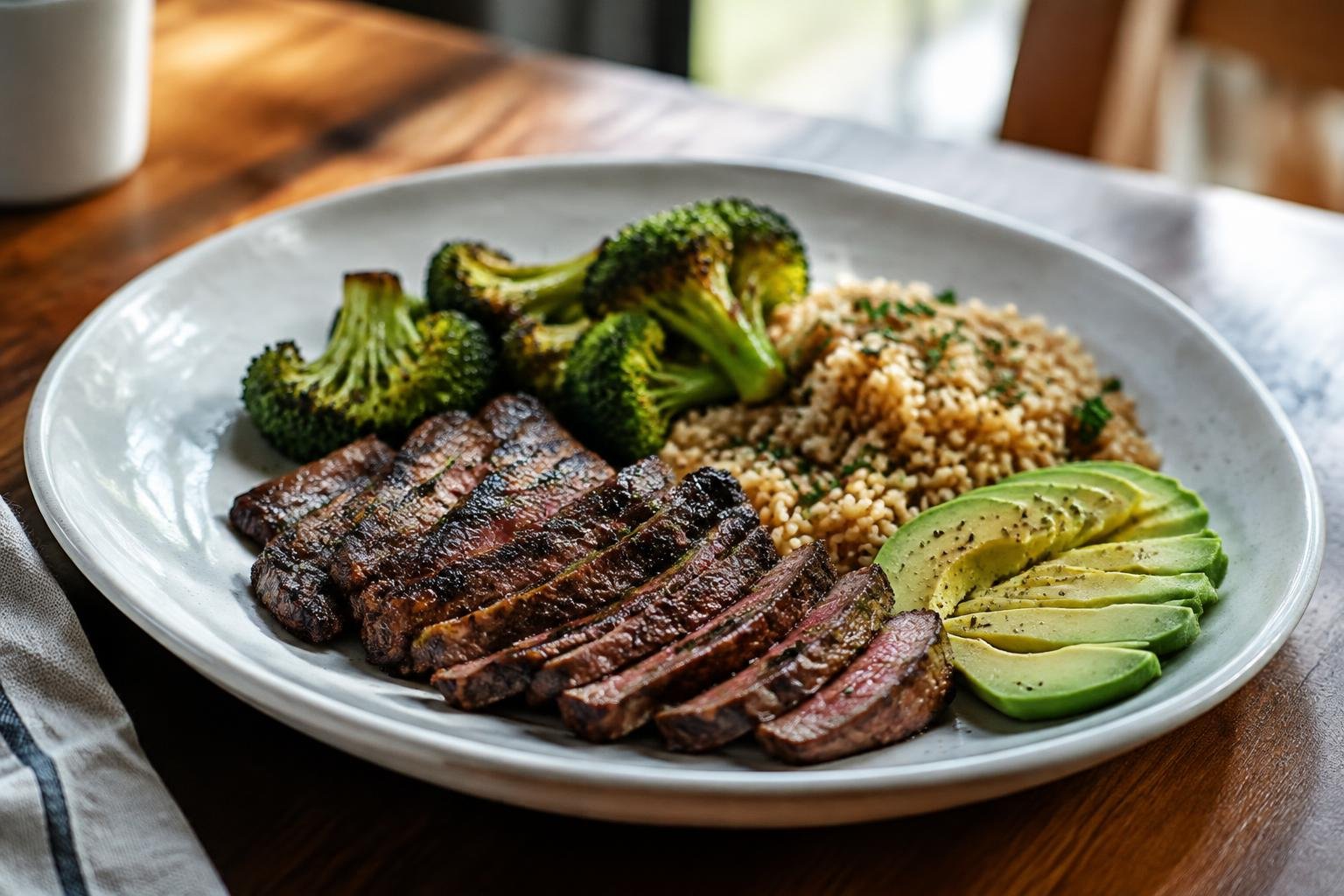
Beef clean diet recipes don’t need complicated ingredients or strict rules. You can build a satisfying meal around lean beef, vegetables, and a simple cooking method, such as grilling, roasting, or stir-frying. A bowl with sliced steak, brown rice, broccoli, and a squeeze of lime is one practical example; ground beef with beans and tomatoes works just as well when you want something hearty. Choose cuts that suit your budget and goals, then pay attention to portions and the rest of your plate.
For easier weeknight cooking, prepare a batch of beef and vegetables ahead, but keep sauces and toppings separate so the meals still taste fresh. Swap in seasonal produce, change the spices, or serve leftovers in lettuce cups instead of over rice. You don’t have to eat beef every day to make these recipes useful. A few flexible meals can give you filling options while leaving room for other proteins and foods you enjoy.