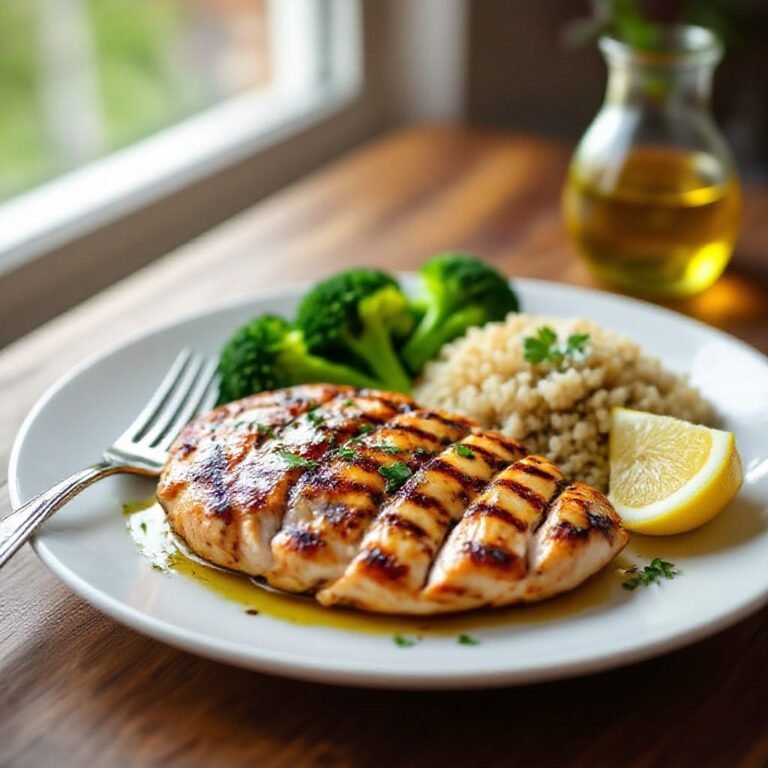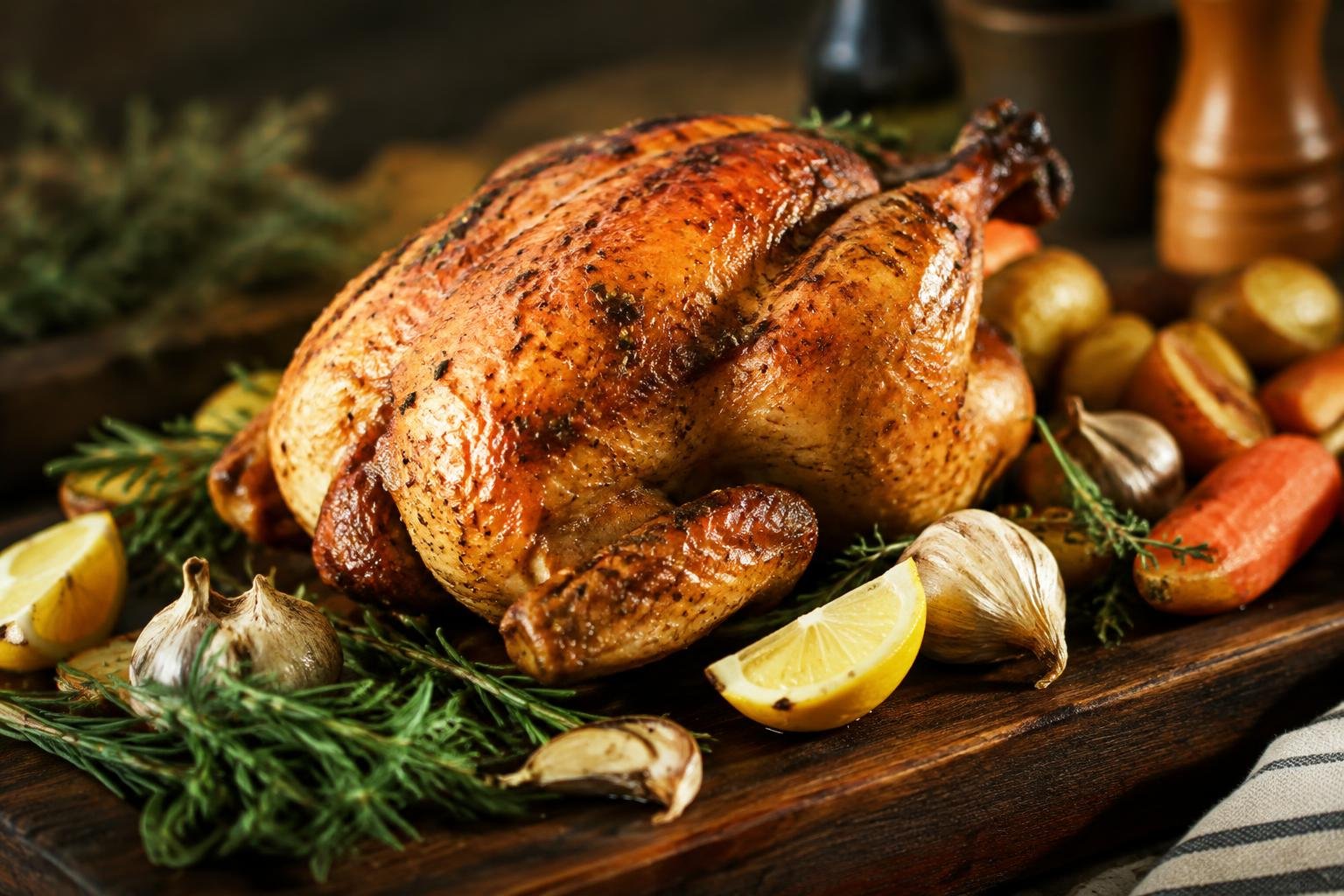
Chicken Whole Food Recipes
A good chicken dinner doesn’t need a packet of seasoning or a long ingredient list. With whole foods such as fresh vegetables, beans, herbs, and brown rice, you can build meals that are satisfying and easy to adapt to what’s in your kitchen. Start with chicken and a few everyday ingredients, like garlic, carrots, and lemon.
Key Takeaways:
- Whole food chicken recipes start with familiar ingredients, such as chicken, potatoes, carrots, garlic, and herbs, rather than packaged sauces or seasoning mixes.
- Choose the cut to suit the meal: boneless thighs work well in a quick skillet dinner, while bone in pieces are handy for roasting with vegetables.
- Build flavor with simple staples like lemon, olive oil, black pepper, and fresh herbs, then cook chicken thoroughly and refrigerate leftovers promptly.
What Counts as a Whole Food Chicken Recipe?
A whole food chicken recipe starts with ingredients you can recognize and use in an ordinary kitchen: chicken, vegetables, herbs, grains, and simple seasonings. The idea isn’t to make every meal from scratch or ban convenience altogether. It’s to keep the dish centered on food that’s close to its natural form, rather than relying on packaged mixes to supply most of its flavor or texture.
That standard leaves room for practical choices. A can of plain tomatoes or a jar of unsweetened mustard can fit, while a sauce with a long list of additives may not suit the approach as well. Once you’ve settled on ingredients, choosing the chicken cut is the next useful decision.
Keep the ingredient list simple
Start with a short list built around the flavor you want. For a skillet dinner, that might mean chicken, onion, garlic, lemon, olive oil, and a handful of parsley. Each ingredient has a clear job: the onion adds sweetness, lemon brings brightness, and parsley gives the finished dish a fresh edge. You don’t need a special seasoning packet to make those flavors work together.
Simple doesn’t mean bland or repetitive. A spoonful of plain yogurt can make a quick marinade; cumin and smoked paprika can add warmth without a bottled blend. Check labels on pantry staples, too. Choose broth with a straightforward ingredient list, and look for canned beans packed with water, beans, and perhaps salt.
- Choose plain, unsalted nuts for a crunchy topping.
- Use fresh citrus zest to add aroma.
- Keep dried herbs in a cool, dark cupboard.
- Rinse canned beans if you want to reduce surface salt.
Skip heavily processed shortcuts
Some shortcuts do more than save time: they bring a processed coating, sweetened sauce, or seasoning blend that can take over the meal. Frozen breaded chicken, for instance, often arrives with a coating and flavorings already added. Starting with plain chicken gives you control over the crust, salt, and spices, whether you roast it with herbs or coat it in crushed oats.
Packaged sauces deserve a quick label check. A teriyaki style glaze may list sugar or syrup near the top, while a creamy dressing can include stabilizers and several kinds of oil. You can make a quick alternative by stirring tahini with lemon juice and water, or mixing tomato paste with garlic and a splash of vinegar. It takes only a few minutes, and you can adjust the taste as you go.
Picking Chicken That Works for Dinner
Your choice of cut affects more than the time dinner takes; it also determines whether the finished chicken is tender, juicy, or pleasantly firm. A boneless piece cooks differently from a bone-in one, and a thick breast won’t be ready as quickly as a small drumstick. Match the cut to the meal you have in mind and the time available. For a quick skillet dinner, thin boneless pieces are practical; for a longer oven cook, bone-in portions can hold their texture well.
Plan around the pieces you’re actually cooking, not just the recipe’s headline time. Size and thickness can vary, so check the thickest part for doneness with a food thermometer. That small step helps you avoid serving undercooked chicken or leaving lean meat on the heat too long.
Breasts, thighs, and drumsticks
Chicken breasts are lean and cook quickly, especially when you slice a thick breast horizontally into thinner cutlets. Their mild flavor suits simple weeknight meals, but they can turn dry if you keep cooking after they’re done. Thighs contain more fat and stay tender through a longer cook, making them a forgiving choice for a sheet pan or stew. Bone-in thighs take longer than boneless ones, so give them extra time rather than relying on the clock alone.
Drumsticks are sturdy, easy to portion, and handy when you want a dinner people can pick up and eat. Their shape makes timing less straightforward: a large drumstick won’t cook as fast as a small one. For a mixed tray of thighs and drumsticks, check each piece separately and move smaller pieces off the heat once they’re ready.
| Cut | Texture | Good fit |
|---|---|---|
| Breast | Lean, tender when not overcooked | Quick skillet meals |
| Thigh | Juicy and forgiving | Longer oven cooks or stews |
| Drumstick | Meaty, bone-in | Handheld dinners and roasting |
Fresh, frozen, and leftover chicken
Fresh chicken is ready to cook once you’ve kept it chilled and handled it cleanly. Frozen chicken works just as well, but thaw it in the refrigerator before cooking so the center isn’t icy while the outside heats up. If you’re short on time, sealed chicken can thaw in cold water, with the water changed regularly; don’t leave it on the counter. Uneven thawing can make cooking times harder to judge, especially with thick breasts.
Leftover cooked chicken saves time in a new meal, and its texture depends on the original cut. Shredded thigh meat stays moist in a soup or rice bowl, while sliced breast can be added near the end of cooking so it doesn’t dry out. Refrigerate leftovers promptly in a covered container, then reheat until steaming hot. Pulling the meat from the bone before storing it also makes portions easier to use.
My Take on Flavor Without the Fuss
You don’t need a long ingredient list to make chicken taste like more than chicken. A few well-chosen seasonings can bring warmth, brightness, or a savory edge, while familiar staples such as garlic, lemon, and olive oil do plenty of work on their own. Think about the flavor you want before you reach for the spice jar: earthy, fresh, tangy, or gently smoky.
Small choices matter. A pinch of salt helps season the meat throughout, and fresh herbs added near the end keep their lively aroma. You can also build a quick sauce from pantry ingredients rather than relying on a bottled mix. Keep the combinations simple, taste as you go, and let the chicken’s flavor come through.
Build flavor with herbs and spices
Start with one or two herbs and a spice that suits the meal. Thyme and black pepper give chicken a savory, familiar flavor; paprika adds gentle warmth, while cumin brings an earthy note. For a brighter finish, stir chopped parsley or cilantro into the seasoning just before serving. Dried herbs are handy in a rub because their flavor holds up well, but fresh leaves can make a simple plate feel lively.
Use your nose as a guide, and don’t pour every jar into the bowl. For a weeknight batch, try garlic, oregano, and lemon zest; for a warmer profile, pair cumin with coriander and a little black pepper. Salt the chicken evenly, then coat it lightly with oil so the seasonings cling. If you’re unsure, season one piece first and adjust the mix before doing the rest.
- Crush dried herbs between your fingers to release their aroma.
- Grate citrus zest before squeezing the fruit.
- Label homemade seasoning blends with their ingredients.
Add whole-food sauces and marinades
A quick marinade can start with olive oil, lemon juice, minced garlic, and a pinch of salt. Add plain yogurt for a creamy coating, or mix in grated ginger and a little honey for gentle sweetness. These everyday ingredients give you clear control over what goes into the bowl, and you can adjust the balance by tasting before the raw chicken goes in. Keep marinades covered in the refrigerator while they do their work.
For a sauce, combine pantry staples just before serving: tahini with lemon and water makes a nutty dressing, while crushed tomatoes with garlic and dried oregano turn into a simple spoonable topping. Set aside a clean portion before adding raw chicken to any marinade, then use that reserved sauce at the table. A squeeze of lemon or a spoonful of chopped herbs can sharpen the finished flavor without adding much fuss.
How Should You Cook It?
Start with the cut, then choose the cooking method that suits its shape and fat content. Bone in thighs can handle steady heat, while lean breast meat needs closer attention so it doesn’t dry out. A whole bird benefits from even roasting; small pieces cook quickly in a skillet. For any method, use a thermometer rather than guessing by color: chicken is safe when the thickest part reaches 165°F, without touching bone. Resting the meat for a few minutes after cooking gives the juices time to settle.
Keep the seasoning simple and pay attention to the pan. A little oil, salt, pepper, and herbs can bring out chicken’s flavor without hiding it. Add ingredients according to how fast they cook; carrots need more time than tender greens, for example. The right heat and timing make a bigger difference than a long ingredient list.
| Chicken cut | Good method | What to watch |
|---|---|---|
| Bone in thighs | Roast or simmer | Allow time for the meat near the bone to cook through |
| Chicken breast | Bake or skillet cook | Check the thickest part early |
| Whole chicken | Roast | Position it evenly for consistent browning |
| Small chicken pieces | Skillet cook | Avoid crowding the pan |
Roast, bake, or sheet-pan cook
Roasting suits a whole chicken and bone in pieces, which stay moist through longer cooking. Pat the skin dry before seasoning, and set the pieces in a pan with space between them so they brown instead of steam. For breast meat, baking works well, but check it early; its lean texture can turn dry if it stays in the oven after reaching 165°F. On a sheet pan, cut firm vegetables like potatoes or carrots into smaller pieces than the chicken so they soften in the same window. Toss everything lightly with oil, salt, and herbs, then turn the vegetables once as they cook.
Choose a rimmed pan that can hold the juices without crowding the food. If you’re baking boneless thighs, their extra fat gives you a little more room on timing than chicken breast does. A quick thermometer check beats slicing into the meat and letting its juices run out.
Simmer, stew, or cook in a skillet
Simmering and stewing suit thighs, drumsticks, and other bone in cuts that benefit from gentle, moist heat. Brown the chicken first if you want a deeper flavor, then add broth or water and keep the liquid at a quiet simmer; a hard boil can toughen the meat. For a skillet meal, use smaller, even pieces so they cook at roughly the same pace. Let the pan heat before adding the chicken, and avoid piling pieces on top of one another. If the pan looks crowded, cook in batches.
Breast meat can go into a stew, but add it later than tougher cuts so it doesn’t overcook while the liquid reduces. In a skillet, turn pieces once they release easily from the pan, then check the thickest one with a thermometer. Once it reaches 165°F, take it off the heat.
Easy Chicken Meals with Real Food Ingredients
A satisfying chicken dinner doesn’t need a long ingredient list. Pair chicken with produce, grains, or beans you already enjoy, then build the meal around a few clear flavors: lemon and herbs, tomato and garlic, or ginger and scallions. A skillet of chicken, cabbage, and white beans can be dinner on its own; add brown rice when you want something more filling.
Keep the mix practical, too. Frozen peas, canned chickpeas, and leftover cooked grains can all find a place beside fresh vegetables and chicken. A little planning around texture makes the plate more interesting: crisp-tender vegetables, a soft grain, and a savory pan sauce bring plenty of contrast without complicated prep.
One-pan chicken and vegetables
On a busy evening, roast chicken pieces with carrots, red onion, and potatoes on a single sheet pan. Cut the vegetables to similar sizes so they cook at much the same pace, and toss them with olive oil, pepper, and rosemary before arranging the chicken among them. Broccoli or zucchini can join later in the cooking so they don’t turn limp.
For a stovetop version, brown chicken thighs in a wide skillet, then add sliced bell pepper, zucchini, and a splash of broth. Cover the pan until the vegetables soften, then uncover it to let the liquid reduce into a light sauce. Serve everything with quinoa or crusty whole grain bread to catch the juices.
Hearty soups, bowls, and salads
A pot of chicken soup can turn simple ingredients into a generous meal. Simmer chicken with onion, celery, carrots, and barley, or stir in cannellini beans and chopped kale for a thicker bowl. Fresh parsley or a squeeze of lemon at the end brightens the broth without needing a separate sauce.
For a grain bowl, spoon warm farro into a dish and top it with sliced chicken, roasted squash, and chickpeas. A spoonful of plain yogurt mixed with lemon and chopped dill makes an easy dressing. Salads work just as well: combine chicken with leafy greens, cucumber, tomatoes, and cooked lentils, then add toasted seeds for crunch.
- Use sturdy kale in soups that simmer for a while.
- Add fresh herbs just before serving.
- Keep grains plain so they pair with different toppings.
The Real Deal About Storing and Reheating Chicken
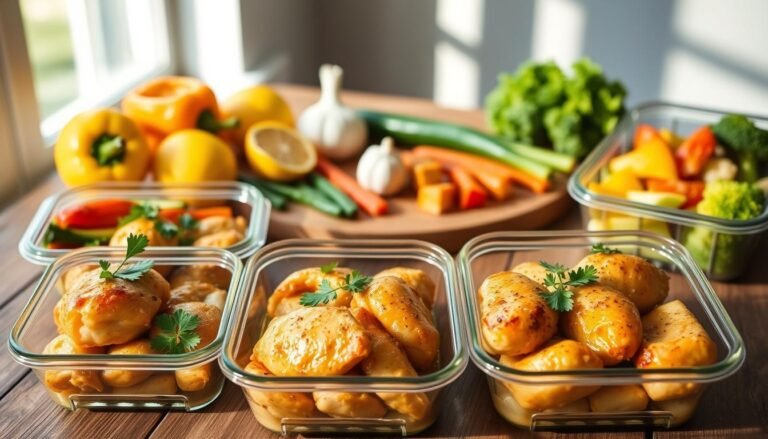
Leftover chicken can make tomorrow’s lunch easier, but only if you handle it with care. Your choices start as soon as the meal is over: give the food time to cool safely, then decide whether you’ll eat it soon or freeze it for later. A shallow container is handy for a few roasted thighs, while sliced breast meat cools quickly and fits neatly into a lunch portion. Keep an eye on how long cooked chicken sits out, too; a warm kitchen isn’t a good place to leave it while you tidy up.
Freezing works well when your plans change, and a tight lid or freezer safe wrap protects the meat from drying out. Label the container with the date so you can tell what’s been waiting in the back. When you’re ready to eat, choose a reheating method that warms the chicken evenly without turning it tough.
Cool and store leftovers safely
Once you’ve finished eating, transfer leftover chicken into shallow, covered containers and get it into the refrigerator within two hours. If the room is especially warm, shorten that window to one hour. Don’t leave a whole roasting dish on the counter to cool; smaller portions lose heat faster. Store cooked chicken in the fridge for up to three or four days, and keep it separate from raw meat so juices can’t drip onto it.
If you won’t use the chicken in that time, freeze it in portions you can thaw for a single meal. Press out extra air from freezer bags, or wrap pieces snugly before placing them in a sealed container. Mark the date on the package, and thaw frozen chicken in the refrigerator rather than on the counter. A covered container on the lower shelf keeps drips contained.
| Storage choice | How to pack it | Timing |
|---|---|---|
| Refrigerator | Shallow, covered container | Use within three or four days |
| Freezer | Portion, wrap tightly, and label | Thaw in the refrigerator |
| Counter | Don’t store cooked chicken here | Refrigerate within two hours |
Reheat without drying it out
For juicy leftovers, add a splash of water or broth before reheating chicken in a covered pan or microwave safe dish. The extra moisture creates gentle steam, which is especially helpful for lean breast meat. Warm a small portion at a time and stir or turn the pieces halfway through, so the center isn’t cold while the edges dry out. If you’re using the oven, cover the dish with foil and heat it until steaming throughout.
Use a food thermometer to check that reheated chicken reaches 165°F (74°C) in the thickest part. Heat only what you plan to eat, since repeated cooling and reheating can affect both safety and texture. A microwave is convenient for lunch; a skillet with a spoonful of broth works nicely for sliced chicken. Serve it promptly once it’s hot.


Final Words
Chicken whole food recipes don’t need a long ingredient list or elaborate prep to make a satisfying dinner. With chicken, vegetables, beans, whole grains, and a few seasonings, you can build meals that fit your routine and still taste like real food. Try roasting chicken thighs with carrots and potatoes, or add shredded chicken to a pot of beans and greens. The best choice is one you’ll enjoy cooking and eating again.
Keep food safety in the mix, too: cook chicken thoroughly, refrigerate leftovers promptly, and reheat them until steaming hot. A little planning makes tomorrow’s lunch easier; roast extra chicken and serve it in a grain bowl with leftover vegetables. You can change the herbs, grains, or vegetables to use what’s already in your kitchen. Start with one simple recipe, then adjust it to suit your tastes and schedule.