Vegetarian Simple Recipes
A satisfying vegetarian dinner doesn’t need a long ingredient list or a sink full of dishes. With canned beans, fresh vegetables, eggs, or pasta, you can put a practical meal on the table without complicated steps. These simple recipes make it easier to cook meat-free on busy evenings, whether you’re tossing chickpeas into a salad or adding spinach to tomato pasta.
Key Takeaways:
- Simple vegetarian meals can start with familiar staples such as beans, eggs, rice, pasta, and seasonal vegetables.
- A few easy cooking touches go a long way: roast vegetables until browned, add lemon to lentils, or finish pasta with herbs and Parmesan.
- Keep weeknight cooking manageable by preparing one versatile ingredient ahead, like cooked rice or a pot of beans, then using it in different meals.
Why Simple Vegetarian Cooking Is Worth It
Simple vegetarian meals earn their place in your routine by making dinner feel manageable, not like another project on a busy day. A bowl of rice with black beans, corn, and salsa can be filling without a long ingredient list or a pile of dishes. When the cooking stays straightforward, you have more room to notice what makes a meal satisfying: warm grains, crisp vegetables, a creamy sauce, or a good hit of seasoning. You don’t need elaborate techniques to bring those parts together.
That ease can make home cooking more appealing on ordinary evenings, too. You might roast vegetables while couscous cooks, then add chickpeas and a spoonful of yogurt for a complete plate. Meals like that offer comfort and variety without demanding hours in the kitchen. And when dinner is simple enough to repeat, you’re more likely to enjoy it again tomorrow.
What Makes a Recipe Simple?
A simple recipe gives you a clear path from ingredients to a satisfying meal. You can scan the instructions and understand what to do without juggling several pans, unfamiliar techniques, or ingredients that serve only one purpose. Think of a tomato and white bean skillet: soften an onion, add canned tomatoes and beans, then let everything simmer while you warm bread. Each step has a reason, and the ingredients work together.
Simple doesn’t have to mean bland or bare. A recipe can include a few layers of flavor, such as garlic, lemon, and herbs, as long as the steps stay easy to follow. Useful shortcuts count, too: frozen peas, canned lentils, and prewashed spinach can save prep time without taking away the meal’s substance. If you can cook it comfortably on a weeknight and know what you’ll serve with it, the recipe is doing its job.
How to Keep Everyday Cooking Enjoyable
Give yourself choices rather than a rigid dinner schedule. You might decide on a general shape for the meal, such as soup, a grain bowl, or pasta, then use whatever vegetables need attention. Leftover roasted squash can top rice one night and become part of a quick soup the next. That small bit of flexibility keeps cooking from feeling like a chore or a test you have to pass.
Make the kitchen pleasant in practical ways. Put on music, clear a little counter space before you start, and choose a meal that fits the time and energy you actually have. On a tired evening, scrambled eggs with spinach and toast may feel better than a complicated recipe, and that’s a perfectly good dinner. Keep seasoning within reach, too: salt, pepper, chili flakes, and vinegar can bring a simple plate to life.
| Everyday choice | Why it feels simple | Concrete example |
|---|---|---|
| One pan | Fewer steps and dishes | Beans simmered with tomatoes and onion |
| Flexible meal shape | Uses what’s already on hand | Leftover squash over rice |
| Helpful shortcuts | Less chopping and prep | Frozen peas stirred into pasta |
The Vegetarian Staples I Always Keep Around
A useful stock of everyday ingredients takes the pressure off deciding what to make at six o’clock. You don’t need an overflowing pantry; a few dependable choices give you room to build a meal around what’s on hand. Keep ingredients you genuinely enjoy eating, and you’re more likely to use them before they go stale or get pushed to the back of a cupboard.
Think in terms of variety: something filling, something fresh, and a few items that add punch. Your list can shift with the seasons and the meals you like, too. If you cook for one, smaller packages may make more sense; if you’re feeding a family, larger bags of rice or frozen vegetables can be handy. The aim is a kitchen where a simple dinner feels within reach.
Beans, Grains, and Other Filling Favorites
Canned chickpeas, black beans, and lentils make it easy to add substance without planning hours ahead. Keep a couple of cans within reach, plus dried lentils if you like having a cupboard option that takes up little space. Brown rice, couscous, oats, and pasta are useful partners: they’re easy to match with different vegetables and sauces, so you’re not locked into one kind of meal.
Round out your shelf with ingredients that bring a different texture or a little staying power. Peanut butter can turn into a quick sauce, while nuts and seeds add crunch to a bowl or salad. A bag of tortillas is worth keeping around, too; they’re useful for wraps, quesadillas, or using up a few odds and ends. Choose staples you’ll reach for, not a list that sounds good on paper.
Fresh, Frozen, and Flavor-Boosting Ingredients
Fresh produce gives you plenty of choice, but it doesn’t all need to be delicate. Carrots, cabbage, onions, and potatoes tend to hold up well, while lemons and garlic can add a bright, savory note to all sorts of meals. A bunch of parsley or cilantro is handy when you have it, but dried herbs are a sensible backup for the days your fridge is looking sparse.
Frozen peas, spinach, corn, and mixed vegetables are easy to portion and keep ready for a quick meal. For extra flavor, stock tomato paste, soy sauce, vinegar, mustard, and a jar of salsa or curry paste. A small selection can cover many tastes without crowding your shelves. You might keep:
- Olive oil for dressings and everyday cooking
- Vegetable broth for soups and grains
- Chili flakes for a little heat
- Pickles or olives for a salty, tangy bite
My Go-To Simple Vegetarian Recipes
For everyday cooking, a handful of dependable recipes can take the guesswork out of what to make. You can start with familiar ingredients, then change the seasoning or vegetables to suit what’s in the fridge. A quick breakfast might be eggs on toast, while dinner could be a pot of lentils with tomatoes and rice; neither needs a long shopping list or much fuss.
Keep the basic method simple, too: combine a filling ingredient, a vegetable, and something that brings flavor, such as lemon, garlic, or a spoonful of yogurt. These ideas work as practical starting points, not strict formulas. Once you know how long chickpeas need to warm through or when spinach wilts into a pan, you can put together a satisfying meal without following a complicated recipe.
Quick Breakfasts and Easy Lunches
For breakfast, scramble eggs with a handful of spinach and serve them on toast, or spoon warm oats into a bowl with sliced banana and peanut butter. Both take only a few minutes, and you can adjust the portions to match your morning. If you prefer something you can prepare ahead, mix yogurt with oats and grated apple the night before; a pinch of cinnamon gives it a cozy flavor.
At lunch, a bean and avocado wrap makes good use of pantry staples: mash white beans with lemon, spread them over a tortilla, and add greens. Or warm leftover rice with frozen peas, soy sauce, and a fried egg. The rice crisps nicely in a hot pan, so lunch feels like a fresh meal rather than a repeat of last night’s dinner.
Weeknight Dinners That Actually Satisfy
A good weeknight dinner needs enough substance to keep you full, and lentils are an easy place to start. Simmer them with canned tomatoes, onion, and cumin until tender, then serve over rice or with bread to catch the sauce. For a quicker option, toss chickpeas with chopped vegetables, olive oil, and paprika, then roast them on a sheet pan until the edges are browned.
When you want something creamy, stir cooked pasta into a pan of sautéed mushrooms, garlic, and a little pasta water, finishing with grated cheese if you like. Or build a simple tofu stir-fry: brown cubed tofu, add broccoli and sliced carrots, then season with soy sauce and ginger. Serve it with rice, and dinner’s ready without a separate sauce or a pile of dishes.
Simple Sides, Snacks, and One-Pot Meals
Small dishes can make an everyday meal feel more complete without adding much work. Roast carrots with oil and cumin, or toss cucumber with yogurt, lemon, and a little salt for a cool side. For a quick snack, spread hummus on toast and top it with sliced tomato, or warm a tortilla with grated cheese and black beans in a skillet.
One-pot meals are especially handy when you’d rather not wash several pans. Add diced potato, canned tomatoes, vegetable broth, and chickpeas to a pot; simmer until the potatoes are soft, then fold in a few handfuls of spinach. A simple pasta soup works just as well: cook small pasta with broth, white beans, and chopped zucchini, adding the pasta near the end so it stays tender.
| Meal idea | Everyday ingredients | Simple preparation |
|---|---|---|
| Spinach and egg toast | Eggs, spinach, bread | Scramble and serve on toast |
| Tomato lentils and rice | Lentils, canned tomatoes, rice | Simmer lentils; spoon over rice |
| Chickpea sheet pan | Chickpeas, vegetables, paprika | Season and roast until browned |
| Chickpea potato pot | Chickpeas, potatoes, broth, spinach | Simmer in one pot until tender |
What’s the Easiest Way to Make Veggies Taste Great?
Good flavor usually comes from a few small choices, not a complicated recipe. You can bring out a vegetable’s natural sweetness with heat, add brightness with a squeeze of lemon, or give a dish a savory edge with garlic. Taste as you cook, then adjust one thing at a time; a pinch of salt or a splash of vinegar can change the whole plate.
Start with what’s in your kitchen and let texture guide you. Crisp green beans, tender roasted carrots, and juicy tomato slices each call for a different touch, but none needs a long ingredient list. Keep the seasoning simple enough that you can still taste the vegetable.
Roast, Sauté, or Keep It Fresh
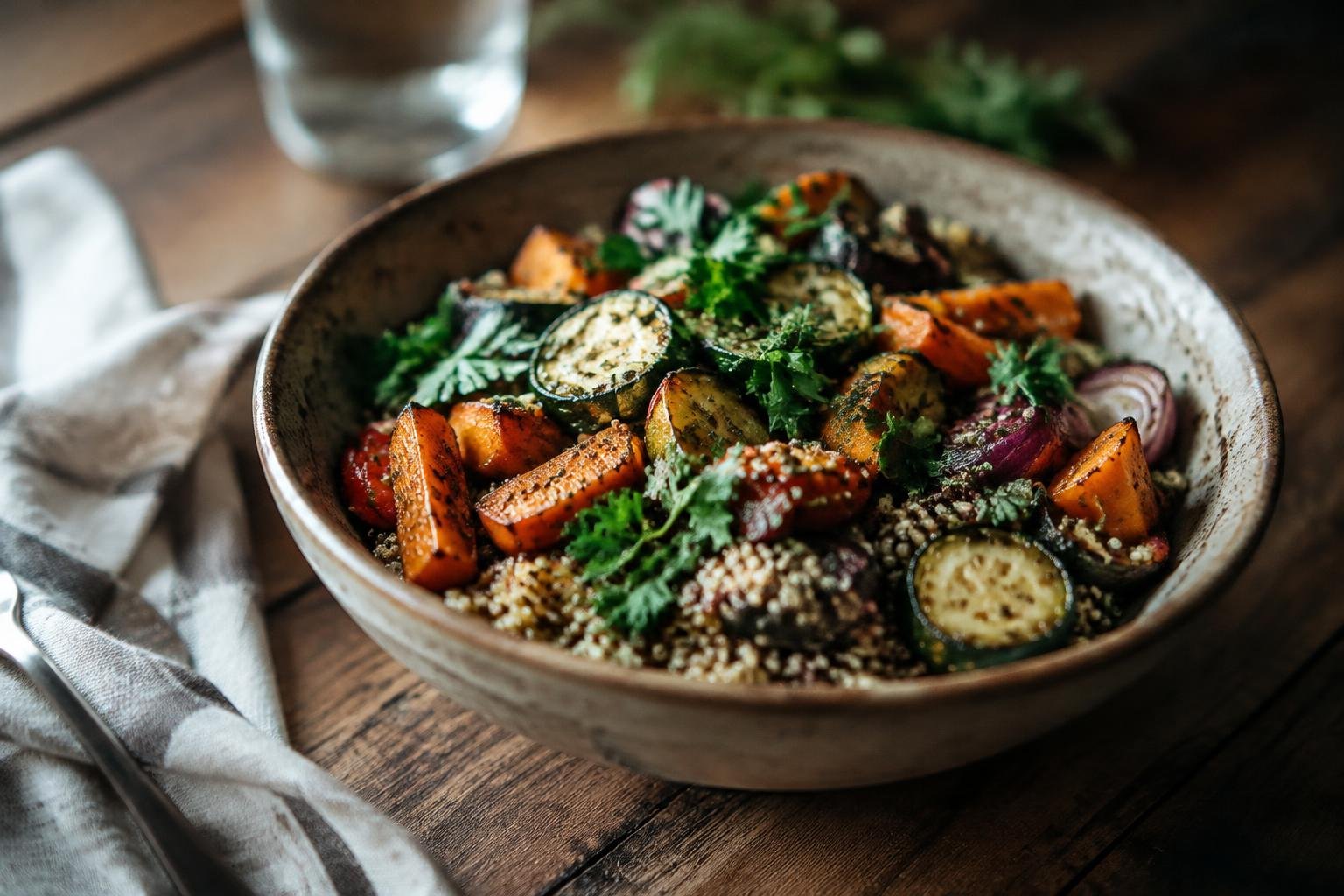
Roasting is an easy win for vegetables that can handle dry heat. Cut carrots, cauliflower, or potatoes into similar sized pieces, coat them lightly with oil, and spread them out so they brown instead of steam. A hot oven brings out sweetness and gives the edges a little crunch. Add salt before cooking, then finish with lemon if the flavor needs a lift.
For a quicker meal, sauté sliced mushrooms or zucchini in a wide pan, leaving room for moisture to escape. Leafy greens need only a short turn in the pan; take them off the heat while they’re still bright. And some vegetables are best left fresh: toss cucumber, tomato, and herbs with a little vinegar for a crisp side. Match the method to the texture you want.
My Take on Herbs, Spices, and Sauces
Fresh herbs are most useful when you add them at the right moment. Stir chopped parsley or cilantro into warm vegetables just before serving, while sturdier rosemary can roast alongside potatoes. Ground spices bloom in hot oil, so a little cumin or smoked paprika added as onions soften will spread through the dish without needing a complicated sauce.
Sauces can make a plain vegetable feel like dinner. Try tahini loosened with water and lemon over roasted broccoli, or spoon yogurt mixed with dill onto baked potatoes. Taste before adding more salt, especially if your sauce includes soy sauce, feta, or olives. A few reliable finishing touches can stay within reach:
- Grate lemon zest over warm peas.
- Add toasted sesame seeds to sautéed greens.
- Stir chili flakes into tomato sauce.
- Finish roasted squash with a little maple syrup.
How Do You Keep Vegetarian Meals Simple All Week?
A little flexibility makes weeknight cooking feel less like a project. You can cook one useful ingredient, such as rice or lentils, then use it in different ways instead of assigning every meal a fixed recipe. Keep the plan loose: choose a few vegetables you like, one or two filling staples, and a sauce that can pull them together.
On a busy evening, that might mean rice with roasted vegetables; the next day, the same ingredients can go into a warm bowl with greens. You don’t need a perfect schedule or a fridge full of prepared meals. A handful of ready-to-use components gives you room to follow your appetite and use what needs eating first.
Mix-and-Match Meals Without a Big Plan
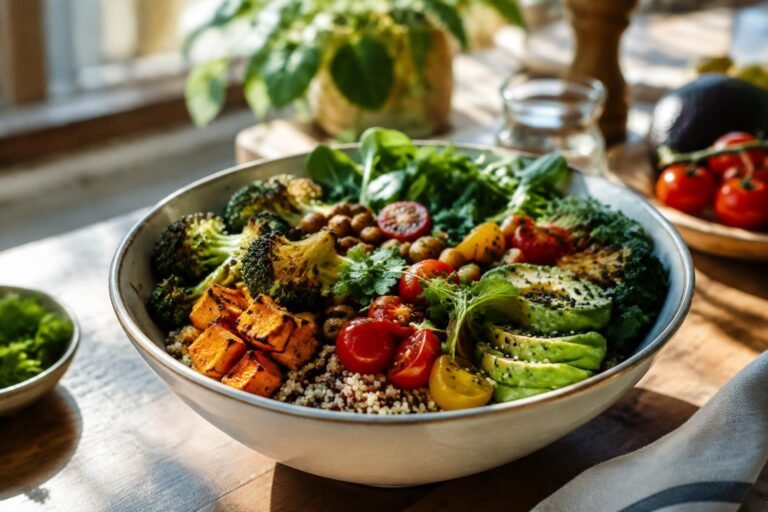
Think in parts, not recipes: pair a grain, a protein-rich food, vegetables, and something flavorful. For example, put canned chickpeas, cucumber, leftover rice, and yogurt sauce in a bowl, or tuck them into a wrap. You can swap the rice for toast or the chickpeas for a boiled egg without starting over.
Keep two or three components ready, rather than preparing a complete week of meals. A pot of quinoa, washed spinach, and roasted carrots can become a lunch bowl, a quick side, or a filling for a pita. Add lemon, salsa, or a spoonful of pesto to change the flavor. And if one ingredient runs out, use another that’s already on hand.
Easy Swaps for Different Tastes and Diets
Small swaps let you adjust a meal without making a separate dinner. If you don’t eat dairy, replace grated cheese with toasted seeds or use a dairy-free yogurt sauce. For a gluten-free meal, serve the filling over rice or potatoes instead of placing it in bread. Beans, tofu, eggs, and lentils can often trade places as the protein, depending on what you enjoy and have available.
Flavor is flexible, too. Use mild herbs and a squeeze of lemon if you prefer a fresh, gentle taste; add chili crisp or hot sauce at the table for more heat. A roasted vegetable and chickpea bowl can take a smoky paprika dressing one night and a tangy tahini sauce the next. Keep sauces separate so each person can season their own plate.
| Meal part | Simple option | Easy swap |
|---|---|---|
| Grain or base | Rice | Potatoes or quinoa |
| Protein | Chickpeas | Tofu, eggs, or lentils |
| Sauce | Yogurt sauce | Tahini or salsa |


To wrap up
Simple vegetarian cooking doesn’t ask you to master elaborate techniques or stock a restaurant kitchen. A pot of lentil soup, roasted vegetables with chickpeas, or eggs tucked into tomato sauce can give you a satisfying meal with everyday ingredients. Start with what you already have, then add a staple or two – beans, rice, pasta, or frozen spinach – to make dinner come together without much fuss. When you keep a few reliable recipes in rotation, planning gets easier and leftovers have a clear purpose, whether that’s lunch tomorrow or a filling wrap tonight.
Your best meals will come from paying attention to flavor as you cook. Brown onions before adding lentils, season beans with lemon, or finish a tray of vegetables with yogurt and herbs. Small choices like these make familiar ingredients feel complete. You don’t need a perfect plan; you need a handful of meals you enjoy enough to cook again. Pick one recipe for this week, keep the ingredients simple, and let your own routine shape what comes next.
Printable Recipe Card
Want just the essential recipe details without scrolling through the article? Get our printable recipe card with just the ingredients and instructions.