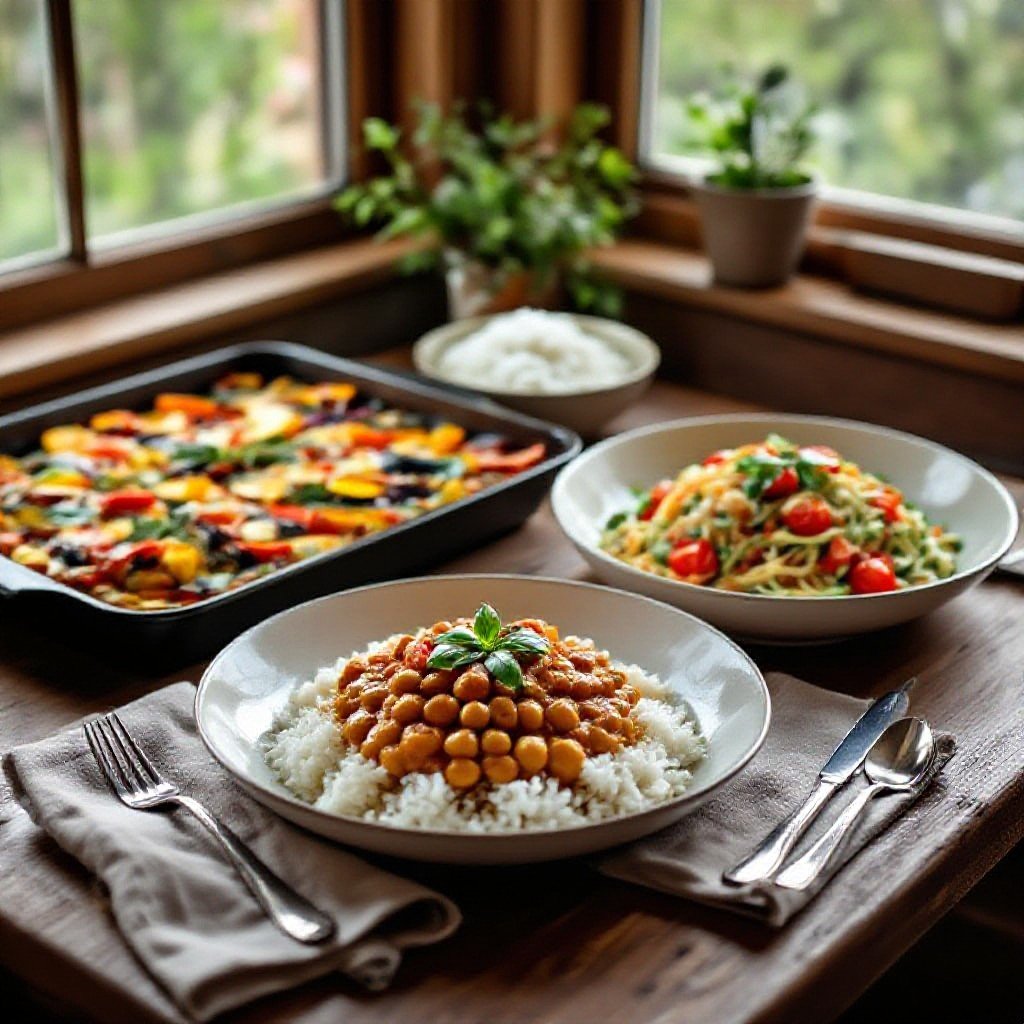
Vegetarian Easy Dinner Recipes
Some nights you just want dinner on the table without fuss, and that’s exactly what you’ll find here. Skipping meat doesn’t mean sacrificing flavor or spending hours at the stove. You’ll get straightforward recipes, pantry tips, and shortcuts that make weeknight cooking feel manageable again – no culinary degree required.
Key Takeaways:
- A well-stocked pantry with staples like canned beans, pasta, and frozen veggies means you’re never more than 20 minutes from a real dinner, no store run required.
- One-pot meals aren’t just a time saver, they cut down on dishes too, so you actually get your evening back instead of standing at the sink till 9pm.
- Sunday prep work, even just chopping onions or cooking a batch of grains, pays off all week long and makes weeknight cooking feel almost effortless.
Why Meat-Free Dinners Don’t Have to Be a Chore
Skipping meat at dinner doesn’t mean signing up for extra work. Plenty of folks assume vegetarian cooking requires more steps, more thought, more everything. That’s just not true. A bowl of pasta tossed with beans and greens takes the same fifteen minutes as browning ground beef, minus the cleanup on a greasy pan. You’re not adding labor to your evening; you’re actually cutting some of it out. The stress of a weeknight dinner usually comes from decision fatigue and time pressure, not from whether meat is on the plate.
Think about what actually wears you down after a long day: the mental math of what to cook, how long it’ll take, whether everyone will eat it. Meat-free meals simplify that equation because so many of them come together in one pan or one pot. Fewer components means fewer decisions. A stir-fry with tofu and whatever vegetables are in your crisper doesn’t ask much of you. You chop, you toss, you eat. That kind of simplicity is what takes the chore feeling out of dinner entirely.
Saving time when you’re wiped out
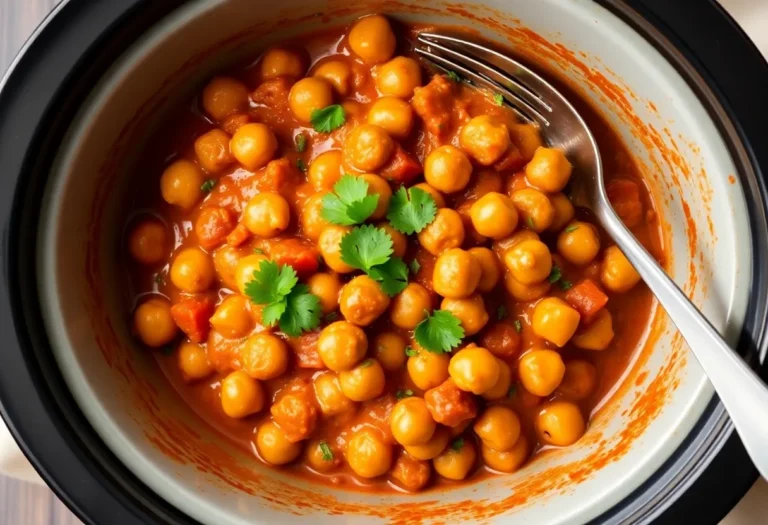
Exhaustion changes everything about how you approach a kitchen. On those nights, a meat-free dinner can genuinely save you. Skip the step of thawing chicken or babysitting a skillet so it doesn’t dry out. Something like a chickpea curry or a quick veggie fried rice comes together fast because there’s no worry about undercooking anything dangerous. You’re working with ingredients that are forgiving, and that forgiveness translates directly into less stress standing at the stove.
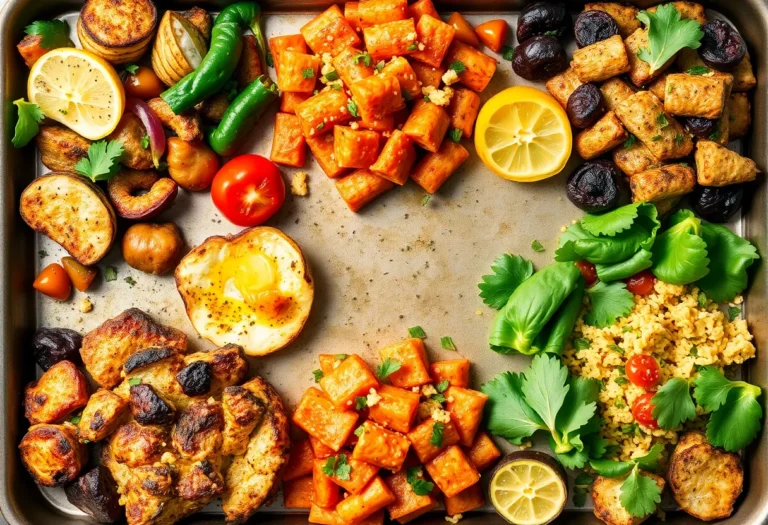
Speed matters most when your energy is already gone. A sheet pan of roasted vegetables with a can of white beans needs maybe ten minutes of hands-on effort before it’s in the oven doing its own thing. You get to sit down, decompress, and let dinner handle itself. That kind of low-effort payoff is exactly what a wiped-out version of you needs on a Tuesday night.
Getting those veggies in without the fuss
Nobody wants to force down a sad plate of steamed broccoli just to check a box. Meat-free dinners naturally push vegetables into the starring role, which means you’re eating them because they taste good, not because you’re gritting your teeth through them. A hearty vegetable chili or a loaded veggie fajita bowl doesn’t feel like punishment; it feels like an actual meal you’re excited about.
Getting your vegetables in stops being a struggle when they’re the whole point of the dish rather than an afterthought. Roasted sweet potatoes, sautéed spinach, caramelized onions, they all bring flavor on their own without needing meat to prop them up. Once vegetables carry the meal instead of sitting on the side, eating well starts to feel automatic instead of like extra effort you have to talk yourself into.
The Real Deal on What’s in My Pantry
Your fastest route to a decent dinner is a pantry that’s already stocked with the boring stuff nobody brags about. Dried pasta, jarred marinara, coconut milk, a bag of rice that’s been sitting there since who knows when – these are the workhorses. You don’t need anything fancy or trendy, just things that don’t go bad after three days and can be turned into six different meals depending on your mood. A well built pantry means you’re never standing in front of an open fridge at 6pm with nothing but a sad cucumber and regret.
Frozen vegetables deserve way more credit than they get, too. Peas, corn, spinach, those mixed stir fry bags – they’re prepped, they’re cheap, and they don’t wilt into slime the way fresh spinach does if you forget about it for a week. Stock a couple of bags of each and you’ve basically guaranteed yourself a vegetable option no matter how bare the rest of your kitchen looks. Nutritionally they hold up fine too, since they’re usually frozen right after harvest.
Canned beans are honestly a lifesaver
Black beans, chickpeas, kidney beans, cannellini – keep two or three of each in rotation and you’ve solved the protein question before it even becomes a problem. They’re already cooked, already soft, and all you’re doing is draining, rinsing, and tossing them into whatever’s happening in the pan. A can of chickpeas can turn into a curry, a mash for sandwiches, or a crispy roasted snack while something else simmers. That kind of flexibility is hard to beat.
Cost matters here too. Dried beans are cheaper, sure, but they demand soaking and hours of cooking you probably don’t have on a Tuesday. Canned versions trade a little bit of that savings for pure convenience, and for a weeknight dinner that trade is almost always worth it. Keep a shelf dedicated to them, mix up the varieties so you’re not eating the same bean three nights running, and you’ll always have a backbone for a meal even when everything else in the kitchen looks thin.
Spices that’ll make anything taste good
Cumin, smoked paprika, garlic powder, chili flakes, a good curry powder – these five alone can take a plain can of beans or a pot of rice from bland to genuinely craveable. Salt and pepper get you through the basics, but it’s the extra layer of spice that makes a dish taste like you actually planned it instead of throwing it together out of desperation. Buy small jars if you’re worried about waste, since ground spices lose their punch after a while sitting in the back of the cabinet.
Dried herbs like oregano, basil, and thyme round things out nicely, especially for tomato based sauces or anything Italian leaning. A splash of soy sauce, a bottle of hot sauce, and some vegetable stock cubes tucked in the back of a drawer round out the flavor ar
What’s the Secret to Prepping in Five Minutes?
Speed comes down to skipping the parts of cooking nobody actually enjoys. You already know which task eats up the most time on a weeknight: chopping. So the trick isn’t working faster with a knife, it’s working less with one. A few smart swaps in how you shop and store food can shave a solid ten or fifteen minutes off any recipe without changing the taste at all. Once you rewire your prep habits, dinner stops feeling like a chore and starts feeling like something you can throw together while half-listening to a podcast.
None of this requires fancy gadgets or a culinary degree. It’s mostly about outsourcing labor you don’t need to do yourself, whether that’s letting a machine grate for you or letting a factory dice for you. Small shifts, big payoff.
The magic of pre-cut frozen veggies
Frozen bell pepper strips, diced onions, and pre-chopped butternut squash are sitting in your grocery store’s freezer aisle right now, and they’re criminally underused. You dump them straight into a hot pan, no cutting board required, and they cook down just as well as fresh since they’re usually flash-frozen at peak ripeness anyway. That’s not a downgrade, that’s a shortcut with almost no tradeoff.
Texture is the only real difference you’ll notice, and it barely matters once everything’s simmering in a sauce or soup. Keep two or three bags on hand at all times so you’re never stuck defrosting a single onion at 6pm. Stir-fries, chilis, and curries barely notice the switch, but your prep time drops from fifteen minutes to about ninety seconds.
Why I think your grater is for more than just cheese
Zucchini, carrots, potatoes, even cauliflower turn into fast-cooking shreds the second you run them across a box grater. Grated vegetables cook in a fraction of the time diced ones do, since there’s so much more surface area touching the pan. Fritters, hash browns, and quick sautés all come together faster this way, and you skip the whole knife-skills learning curve entirely.
Cleanup takes seconds too, since you’re rinsing one tool instead of a cutting board, knife, and bowl. Grating also softens tougher vegetables like beets or sweet potatoes, so they blend seamlessly into a dish instead of needing a separate cooking step. It’s a tool you probably own already, just sitting in a drawer waiting to earn its keep beyond parmesan duty.
One-Pot Dishes That Won’t Leave You Scrubbing All Night
Dinner shouldn’t come with a punishment round, and that’s exactly what a sink full of pots feels like after a long day. The trick to keeping cleanup painless is picking recipes where everything cooks in one vessel, whether that’s a sheet pan, a skillet, or a single pot on the stove. You want your beans, veggies, and grains all mingling in the same space, soaking up the same seasonings, so you’re not juggling three burners and four different bowls. Fewer tools touched means fewer things to wash, and that math never fails you.
Foil or parchment liners are your quiet allies here, especially on baking sheets where cheese might bubble over or sauce might drip. Wiping down a countertop takes seconds; scrubbing baked-on marinara off a pan takes a chunk of your evening you’ll never get back. Building meals around this one-vessel philosophy also means less decision fatigue when you’re staring into the fridge wondering what to make, because the format does a lot of the thinking for you.
Sheet pan fajitas are seriously the best
Bell peppers, onions, and a can of black beans tossed with oil and a fajita spice blend turn into something genuinely craveable after twenty minutes under high heat. Everything goes on one pan, gets roasted until the edges char slightly, and lands on warm tortillas with whatever toppings you’ve got on hand. Avocado, lime, a scoop of salsa, maybe some crumbled queso fresco if you’re feeling fancy. That’s dinner, and it took one pan to get there.
Roasting at a high temperature, somewhere around 425 degrees, is what gives the vegetables that slightly blistered edge instead of a sad, steamed texture. Spreading everything in a single layer matters more than people realize; crowd the pan and you’ll get soggy peppers instead of caramelized ones. Cleanup amounts to tossing the parchment and giving the pan a quick rinse, which honestly might be the best part of the whole meal.
A skillet stew that’s ready before you know it
Chickpeas, crushed tomatoes, and a swirl of coconut milk in a deep skillet build a stew that tastes like it simmered for hours, even though it hasn’t. Add some cumin, smoked paprika, and a handful of spinach near the end, and you’ve got something rich enough to serve over rice or just eat straight from a bowl with crusty bread. The whole thing comes together in one pan on the stovetop, no oven required, no extra pots for a sauce or a side.
Timing wise, you’re looking at maybe fifteen minutes of actual cooking once everything’s in the skillet together. Letting it reduce slightly thickens the broth into something more like a curry than a soup, which makes it feel heartier than the ingredient list suggests. Wiping out one skillet afterward, instead
Is It Even Dinner Without Some Carbs?
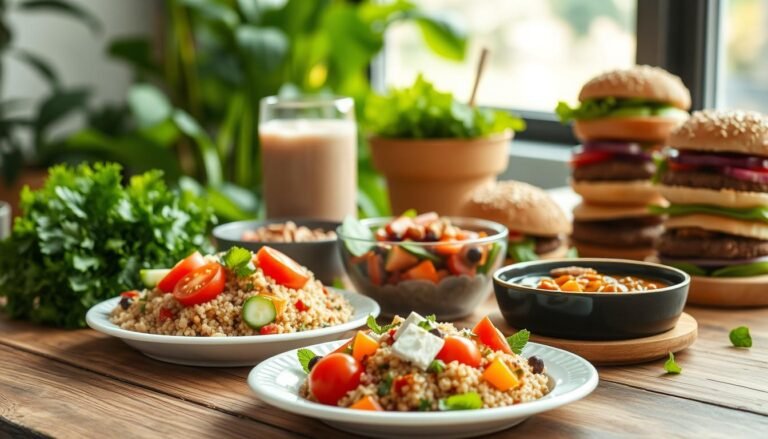
Grains are the unsung heroes of a satisfying vegetarian plate. Without meat to anchor a meal, you need something with heft, something that fills you up and gives you a reason to come back for seconds. Rice, farro, barley, couscous… they all do that job quietly and cheaply. A cup of cooked farro tossed with roasted vegetables and a handful of feta turns into something that actually feels like dinner, not a sad side salad pretending to be the main event.
Bulk grains also stretch your grocery budget further than almost anything else in your kitchen. Buy a big bag of brown rice or barley, and you’ve got a base for a dozen different dinners without much extra thought. Pair them with a bold sauce or a punchy vinaigrette, and suddenly a bland grain becomes the backbone of a meal you’re excited to eat, not just tolerate.
The ten-minute pasta sauce I swear by
Canned crushed tomatoes, garlic, olive oil, and a pinch of red pepper flakes are all you need for a sauce that tastes like it simmered for hours. Toss the garlic in hot oil for thirty seconds, pour in the tomatoes, add salt, and let it bubble while your pasta cooks. By the time the noodles are al dente, the sauce has thickened up and deepened in flavor. Stir in a spoonful of butter at the end for a glossy finish that makes it taste far fancier than the ten minutes it took.
Basil, parmesan, or a swirl of cream can dress this sauce up depending on your mood. Some nights you want it simple, other nights you want it rich. Either way, this formula never fails you, and it’s forgiving enough to handle whatever half used jar of something is lurking in your fridge door.
Why quinoa isn’t as boring as you think
Quinoa gets a bad reputation for being bland, but that’s usually a cooking problem, not a quinoa problem. Toast it dry in the pot for a minute before adding liquid, and you’ll notice a nuttier, deeper flavor right away. Cook it in vegetable broth instead of water, and it picks up seasoning from the start instead of tasting like plain fluff on your plate.
Texture matters just as much as flavor here. Quinoa crisps up beautifully in a hot pan with a little oil, turning into something almost like a grain based crouton for salads or bowls. Mixed with roasted chickpeas, greens, and a lemony tahini drizzle, it stops being an afterthought and becomes the reason the whole dish works.
My Honest Take on Sunday Meal Prep
Sunday afternoons used to feel like a waste to me, like I was giving up half my weekend for chores. Then I actually tried carving out ninety minutes for prep, and the payoff was almost embarrassing. Every weeknight got shorter, calmer, and a whole lot less stressful. You’re not cooking from scratch five nights in a row anymore, you’re assembling. That shift changes everything about how dinner feels once Monday rolls around. Skeptics always ask if it’s worth losing part of a Sunday for. My answer is always the same: yes, without question, and here’s why it actually works.
Dinner stops being a decision you dread once the groundwork is already done. Chopped onions, cooked grains, roasted vegetables sitting in containers, all of it waiting for you like a favor from your past self. Tuesday you at 6pm has zero energy to think about food, and that’s exactly the person Sunday you is cooking for. Small windows of prep time turn into hours saved later in the week.
Washing your greens early is a total win
Spinach, kale, chard, whatever you’re into, wash it all the moment you get home from the store. Spin it dry, wrap it in a clean towel, and toss it in a bag or container in the fridge. That five minute task means you’re never standing at the sink at 7pm trying to rinse grit off leaves while your pasta water boils over. Gritty greens ruin a dish faster than almost anything else, and nobody wants sand in their sauté.
Pre-washed greens also get used more often, plain and simple. You reach for what’s convenient, and a ready to go bag of kale beats a soggy bunch buried in the crisper drawer. Salads happen faster, soups get a handful tossed in without hesitation, and wilting on the stove takes maybe ninety seconds. Convenience decides what actually makes it onto your plate during a busy week.
Making big batches so you don’t have to think
Cooking a double or triple batch of rice, lentils, or roasted vegetables takes barely more effort than making a single portion. The oven doesn’t care if there’s one tray or two, and your pot of grains doesn’t need extra attention just because it’s bigger. Once it’s done, you’ve got building blocks for three or four dinners instead of just one, sitting there ready to be reheated, tossed into a bowl, or folded into whatever sauce you’re in the mood for that night.
Decision fatigue disappears when the base of your meal is already sorted. You’re not standing in front of the fridge wondering what to make from nothing, you’re just deciding how to dress up what’s already cooked. Curry one night, a grain bowl the next, tacos after that, all from the same batch of beans and rice. Less thinking, less cooking, more actual eating.


Final Words
You don’t need a culinary degree or a pantry full of exotic ingredients to get a good vegetarian dinner on the table. A can of beans, some pasta, whatever vegetables are looking a little tired in your crisper drawer – that’s often all it takes. The recipes and habits you’ve picked up here are meant to be starting points, not rules carved in stone. Swap what you don’t like, double what you do, and don’t stress if a dish doesn’t look exactly like the photo. Your kitchen, your rules.
Give yourself permission to repeat meals you love without feeling guilty about it. A rotation of five or six solid dinners will serve you better than fifty recipes you never actually cook. Start small: pick one dish from this list, make it this week, and build from there. Before long you’ll have a stack of go-to meals that feel less like chores and more like second nature – proof that eating well doesn’t have to mean spending hours at the stove.