Vegan Salad Recipes Healthy
Salads get a bad rap, but a well built vegan bowl can be the most satisfying thing on your plate. You’re about to learn how to layer plant based proteins, bold dressings, and unexpected textures so every bite actually feels like a meal. No sad desk lunches here, just real food that keeps you full, energized, and coming back for seconds.
Why does everyone think salads are just boring lettuce?
Blame the sad desk salad for this reputation. You know the one: a pile of iceberg, a cherry tomato that’s seen better days, and enough dressing to drown out any real flavor. That’s not a salad, that’s a garnish pretending to be a meal. The base you pick is where everything falls apart or comes together, and iceberg just doesn’t have the structure or nutrients to carry a full meal. If you want something that actually holds you over until dinner, you need a base with some backbone, literally. Think about what you’re building on before you even touch the toppings.
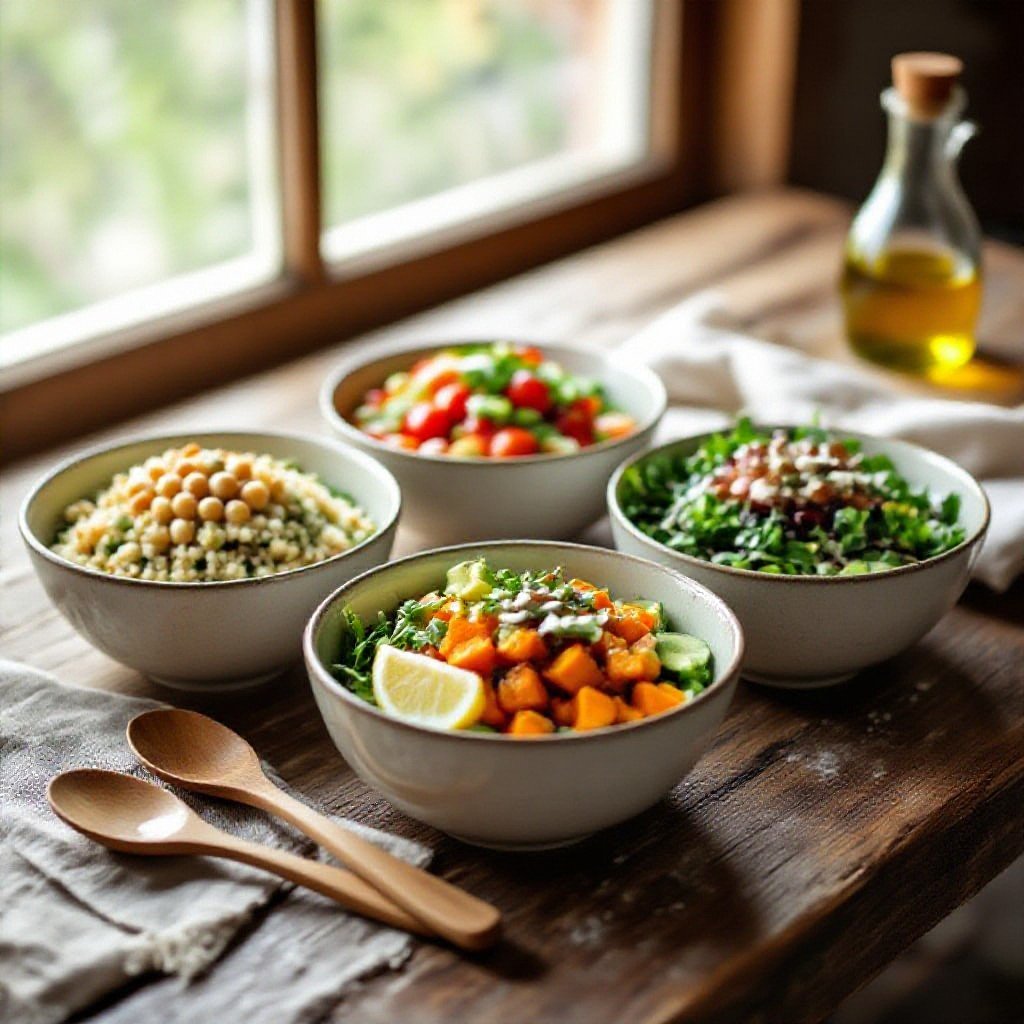
Fullness comes down to fiber, water content, and a little bit of density in what you’re chewing. A base of shredded kale or a mix of hearty greens gives you more to work with than a few limp lettuce leaves ever could. Grains like farro or quinoa mixed into your greens add bulk without making you feel like you just ate a rabbit’s dinner. You’re not stuck with just leaves, either. Roasted sweet potato or a scoop of brown rice folded into your greens turns a side dish into something you’d actually choose for lunch.
Greens that don’t taste like dirt
Bitter greens get a bad rap, and honestly, some of that criticism is fair if you’re using them wrong. Raw kale straight from the bag can taste like you’re chewing on a hedge. The trick is massaging it, seriously, with a bit of olive oil and lemon juice, which breaks down those tough fibers and mellows the bitterness within a few minutes. Arugula has a peppery bite that works well when it’s balanced against something sweet. Spinach is about as mild as it gets, so that’s your safe entry point if bitter greens still make you nervous.
Romaine and butter lettuce get overlooked because they’re common, but they’re common for a reason: they’re crisp, mild, and don’t fight with other flavors. Mixing two or three greens together, say spinach with a little radicchio, gives you complexity without overwhelming your palate. You don’t need to commit to one lonely green either. A blend spreads out the flavor so no single leaf dominates every bite.
Mixing up textures for a better crunch
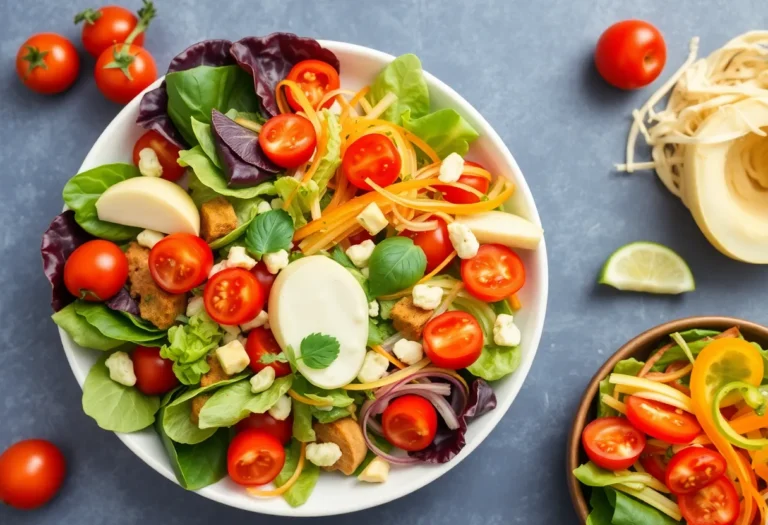
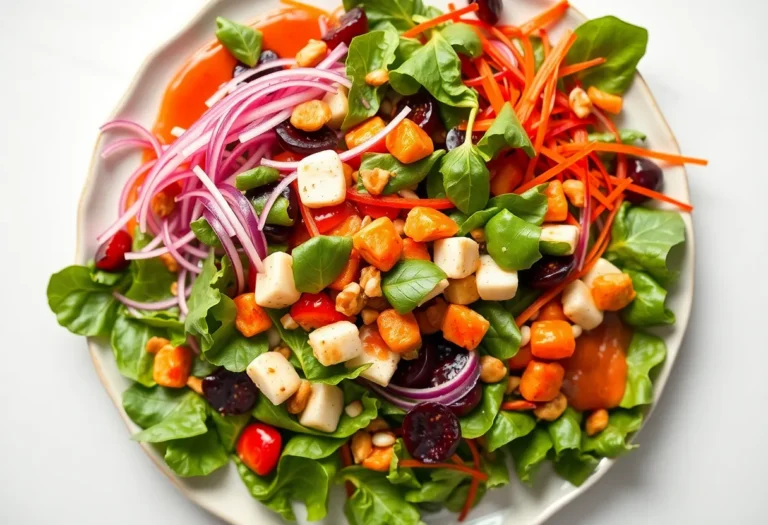
Texture is the part people forget about until their salad tastes flat and mushy by the second bite. Soft greens alone get boring fast, no matter how fresh they are. Toss in something raw and crunchy, like thinly sliced fennel, shredded carrots, or sliced radishes, and suddenly every forkful feels different. Cabbage, in particular, holds its crunch for days in the fridge, which makes it a smart pick if you’re prepping ahead.
Contrast is what makes a salad interesting, not just the ingredients themselves. Pairing something crisp with something a little chewy, like dried fruit or roasted vegetables, keeps your mouth from getting bored halfway through the bowl. Cucumbers add a watery snap,
Key Takeaways:
- Beans, lentils, tofu, tempeh, and chickpeas turn a side salad into a real meal, giving you enough protein to actually keep you full past lunchtime.
- A good dressing made with tahini, nut butter, or blended avocado does more for flavor than any store bought bottle stuffed with sugar and preservatives.
- Texture matters as much as taste, so toasted nuts, seeds, or crispy chickpeas make the difference between a forgettable bowl and one you actually crave.
Seriously, where’s the protein coming from?
You’ve probably heard the tired old question about where vegans get their protein, and honestly, a good salad answers that better than most meals ever could. The trick is building your bowl around a real protein source instead of treating it as an afterthought sprinkled on top. Once you start thinking of beans, legumes, tofu, and tempeh as the backbone of your salad rather than a garnish, everything changes. Your salad stops being a side dish and starts being dinner. And that shift in mindset is honestly the biggest thing separating a limp lettuce plate from something that’ll actually keep you full past 3pm.
Getting enough protein on a plant based plate isn’t complicated, but it does take a bit of planning. You want to aim for a combination of textures and sources rather than relying on just one thing every single day. A scoop of lentils here, some crumbled tempeh there, maybe chickpeas tomorrow. Variety keeps things interesting and covers your bases nutritionally too, since different plant proteins bring different amino acid profiles to the table.
My take on the best beans and legumes
Chickpeas are my go to workhorse, and I don’t think that’s controversial at all. They hold their shape, they’ve got a satisfying bite, and they soak up whatever flavors you throw at them. Black beans bring a creamier texture and work beautifully in anything with a southwestern vibe. Lentils, especially the French green or black beluga varieties, hold together well and don’t turn to mush the way red lentils sometimes do in a cold dish.
Edamame deserves way more credit than it gets. It’s got a bright, slightly sweet flavor and a satisfying pop when you bite into it, plus it’s one of the few legumes that’s technically a complete protein. White beans like cannellini or great northern work wonders when you want something milder that won’t compete with your dressing. Mixing two types of legumes in one bowl, say chickpeas and edamame, gives you variety in texture that a single bean just can’t match.
Tofu and tempeh aren’t as scary as you think
Tofu gets a bad reputation from people who’ve only ever had it steamed and plain. Press it well, cube it, and pan sear it in a hot skillet with a little oil until the edges turn golden and crispy. That texture contrast against fresh greens is genuinely one of my favorite things about building a protein forward salad. Extra firm is your best friend here since it holds together and doesn’t crumble apart when you toss everything together.
Tempeh brings something different to the table, a nuttier, earthier flavor with a firmer bite that tofu just doesn’t have. Steaming it for a few minutes before cooking cuts any bitterness and helps it soak up marinades better. Crumble it into a skillet with a little tamari and smoked paprika, and it turns into something almost like a plant based bacon bit situation. Both options take under fifteen minutes to prep,
The real deal about making dressings that don’t suck
Balance is really just three things fighting for dominance in a jar: fat, acid, and something salty or sweet to tie it together. Olive oil is your workhorse fat, lemon juice or vinegar brings the acid, and a spoonful of maple syrup or a pinch of sugar rounds out any harshness. Mustard is the unsung hero here, it doesn’t just add tang, it actually helps the oil and acid stick together instead of separating into a greasy puddle at the bottom of your bowl. Garlic, a bit of salt, cracked pepper – that’s genuinely 80% of what makes a dressing taste like something you’d pay for at a restaurant instead of something sad and watery.
Whisking matters more than people realize. A dressing made in thirty seconds with a fork tastes different than one you actually take a minute to emulsify properly. Shake it in a mason jar if whisking feels like a chore, that trick alone will save you from lumpy, separated messes. Taste as you go, too. Your palate knows before your recipe does whether something needs more acid or a touch more sweetness, so trust it.
Why I think store-bought is usually a mistake
Bottled dressings are loaded with stabilizers, gums, and sugar you didn’t ask for, and most of them taste like a vague approximation of flavor rather than the real thing. Read a label sometime – you’ll find canola oil, “natural flavors,” and enough sodium to make your ankles swell. That’s not seasoning, that’s a chemistry experiment. And the texture is always slightly off, too thick or weirdly slick, because it’s built for shelf life, not for your taste buds.
Price is the other issue nobody talks about. You’re paying four or five dollars for two tablespoons of oil, a splash of vinegar, and some spices you already own. Making your own costs pennies and takes less time than driving to the store. Once you taste a fresh vinaigrette next to a bottled one, the difference is almost embarrassing, you’ll wonder why you didn’t ditch the bottle years ago.
Easy creamy hacks without using any dairy
Cashews are the secret weapon here. Soak a handful in hot water for ten minutes, blend with a splash of water, lemon juice, and garlic, and you’ve got something that rivals ranch. Tahini works even faster, no soaking required, just whisk it with water, lemon, and a little cumin for something closer to a Mediterranean-style dressing. Both give you that thick, coats-the-spoon texture people assume only comes from dairy.
Silken tofu deserves way more credit than it gets. Blended smooth with vinegar and a touch of Dijon, it turns into something shockingly close to a creamy Caesar, minus the anchovies and the guilt. Avocado does similar work in a pinch, mash it with lime and a little water and you’ve got an instant creamy
Honestly, it’s all about the toppings and the crunch
Texture is where most bowls fall apart, and I mean that literally. A pile of greens and beans, no matter how well seasoned, turns into mush if there’s nothing to bite into. You need something that snaps, crackles, or shatters a little when your fork hits it. That’s the whole game with toppings – they’re not garnish, they’re structural. Skip them and you’ve basically made soup with extra steps.
Healthy fats deserve equal billing here too. A drizzle of good olive oil or a handful of avocado does more than add richness; it helps your body actually absorb the fat soluble vitamins hiding in all that produce. So don’t think of these final additions as optional flourishes. They’re doing real nutritional work, and they’re the difference between a salad you tolerate and one you actually crave.
Nuts and seeds for that extra bite
Toasting is the move most people skip, and it’s the one that matters most. Raw almonds or sunflower seeds are fine, but a few minutes in a dry skillet wakes up the oils inside and gives you a deeper, almost buttery flavor. Pumpkin seeds get wonderfully crackly this way. Walnuts turn slightly bitter in a good way, which plays nicely against something sweet like dried cranberries or a citrus dressing.
Portion matters more than variety, honestly. A tablespoon or two of chopped nuts brings plenty of crunch and a solid dose of healthy fats without turning your bowl into a calorie bomb. Hemp seeds and chia are worth keeping around too, since they add a subtler texture and blend into creamier dressings without announcing themselves. Rotate between two or three options so you’re not eating the same bite every single day.
What’s the secret to adding fruit?
Fruit works when it surprises you, not when it dominates. Thin slices of pear or apple bring a crisp sweetness that contrasts against bitter greens like arugula or radicchio. Pomegranate seeds do something similar but with a juicy little pop instead of a crunch, which honestly might be the more addictive texture of the two.
Balance is the real secret, though. Too much fruit and your salad tips into dessert territory, fighting with your dressing instead of supporting it. Stick to a small handful, and pick pieces that hold their shape rather than turning mushy against warm ingredients. Citrus segments, sliced grapes, or even roasted stone fruit in summer all give you that natural sweetness without needing extra sugar anywhere else in the bowl.
How do you keep this stuff fresh for the whole week?
Prep day only works if your food survives until Thursday without turning into mush. Storage is where most people mess up, and it’s usually because they toss everything into one container and hope for the best. Wet ingredients touching leafy greens is basically a countdown timer to slop. Cucumbers weep, tomatoes bleed, and your once crisp romaine turns into something you’d rather not photograph. Glass containers with tight seals are your best friend here, way better than flimsy plastic that lets air sneak in around the edges. Keep your fridge temperature consistent too, ideally right around 36 to 40 degrees, since fluctuating temps speed up wilting faster than you’d think.
Timing matters just as much as containers. Sturdy vegetables like carrots, bell peppers, and radishes hold up fine for four or five days when chopped ahead. Softer stuff, like avocado or anything sliced thin, needs to happen the day you’re eating it, not before. A paper towel tucked into your container absorbs excess moisture and buys you an extra day or two of crispness. Small trick, big payoff.
Jar salads are actually a total game-changer
Mason jars solve the layering problem in a way flat containers just can’t. You’re building a barrier system, basically, where dressing sits at the bottom, dense stuff like beans or grains goes next, and anything delicate stays way up top, untouched by liquid until you shake it out onto a plate. That structure alone can stretch a salad’s fridge life to five days without anything going limp on you. Wide mouth quart jars work best because you actually have room to layer without smashing ingredients together.
Sealing matters more than people realize. A jar with a rubber gasketed lid keeps air out far better than a snap top container, and less air exposure means slower oxidation on cut produce. You’ll notice avocado browns faster in a loose container than in a properly sealed jar. Stack them upright in your fridge door or on a shelf, and you’ve basically built yourself grab and go lunches that require zero thought once Monday’s prep session is done.
Don’t let your kale get soggy
Kale seems indestructible, but stored wrong, it turns slimy faster than you’d expect for something so tough and fibrous. Excess moisture is the enemy here, so dry your leaves thoroughly after washing, ideally with a salad spinner rather than just a paper towel pat down. Any lingering water droplets sitting on the surface create the perfect environment for that slippery breakdown you’re trying to avoid. Store it loosely wrapped in a dry towel inside a container rather than sealed tight in a bag.
Massaging kale with a bit of oil before storing actually helps it hold up longer, since the oil coats the leaf surface and slows moisture absorption. Keep it away from fruit in your fridge too, since ethylene gas speeds up decay in leafy greens
Here’s what I’m eating when I’m in a rush
The five-minute chickpea wonder
Grab a can of chickpeas, drain them, and dump them in a bowl with whatever leafy stuff you’ve got. That’s your base. You don’t need to cook anything here, which is the whole point when the clock’s against you. Toss in a spoonful of tahini, a squeeze of lemon, some salt, and mix it right into the beans so they soak up all that flavor before it even hits the greens. Takes maybe ninety seconds if your knife skills are decent.
Texture is where you’ll want to spend your remaining three minutes. Crushed pita chips, a handful of sunflower seeds, whatever crunchy thing is sitting in your pantry, it all works. Diced cucumber and cherry tomatoes add moisture without demanding any actual cooking. You’ll have a filling, protein-packed lunch that tastes like you tried way harder than you did, and nobody at your desk needs to know it took less time than boiling water.


My go-to “everything in the fridge” bowl
Rummage through your crisper drawer before you even think about grocery shopping. Half a bell pepper, some leftover roasted sweet potato, a few limp carrots that still have life in them, all of it belongs in this bowl. You’re not following a recipe so much as rescuing produce from the compost bin. Chop everything small so it cooks fast or doesn’t need cooking at all, and pile it over a base of spinach or whatever greens haven’t wilted yet.
Dressing-wise, keep a jar of something tangy premade in your fridge so you’re not fumbling with ratios on a Tuesday morning. A splash of that, a sprinkle of leftover nuts or seeds, and you’re done. Cold roasted chickpeas or a scoop of hummus rounds it out with protein. This bowl changes every single time, which honestly keeps things interesting when you’re eating salads on repeat during a hectic week.