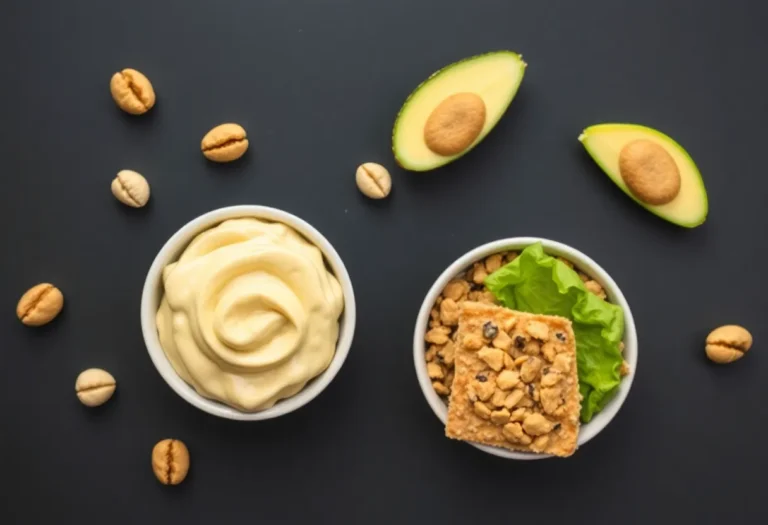
Healthy Vegan Lunch Bowls
Your lunch break deserves better than a sad desk salad or another round of takeout. Vegan lunch bowls give you a fast, satisfying way to pack real nutrition into one dish without sacrificing flavor. You’ll learn how to build bowls that actually keep you full, using smart combinations of grains, greens, protein, fats, and sauce that work together instead of against each other.
Key Takeaways:
- A good vegan lunch bowl comes down to layers, not luck: a grain base like quinoa or farro, a big pile of greens, a solid protein source, and a sauce that ties it all together. Skip one layer and the bowl falls flat.
- Protein doesn’t have to mean plain tofu every day. Lentils, chickpeas, edamame, and tempeh all bring something different to the table, both in taste and texture, so rotating them keeps lunch from feeling like a chore.
- Fats aren’t the enemy here, they’re the glue. A drizzle of tahini, some avocado, or a handful of nuts turns a pile of vegetables into something that actually keeps you full past 2pm.
What’s the deal with the base? Why I’m obsessed with ancient grains
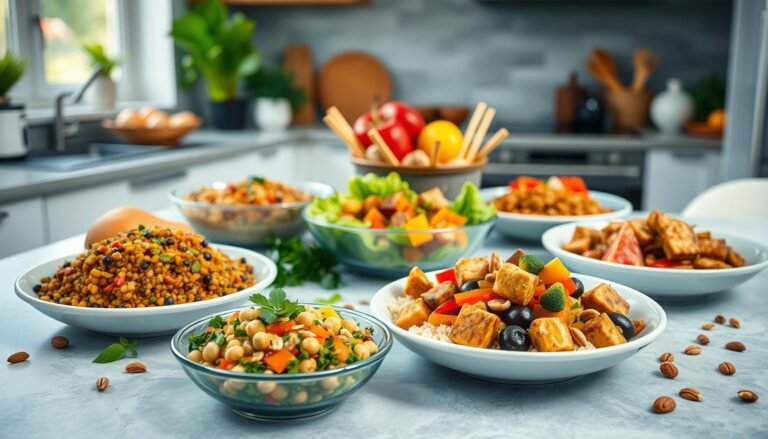
Grab any bowl that actually keeps you full past 2pm and you’ll find a solid base underneath all that color. That’s not an accident. Ancient grains give you a slower burn than the refined stuff, so you’re not crashing an hour after lunch. Farro, quinoa, barley, freekeh – these have been feeding people for thousands of years, and there’s a reason they stuck around. They’re dense with fiber and minerals, they hold their texture when you cook a big batch on Sunday, and they don’t turn to mush by Wednesday. A grain base is really the backbone of the whole bowl concept.
Picking the right one comes down to what you want out of your week. Chewy and nutty? Farro or barley. Something neutral that soaks up whatever sauce you’re pouring on it? Quinoa’s your answer. Texture matters just as much as taste here – a bowl with only soft ingredients gets boring fast, and a grain with some bite fixes that instantly. Cook a big pot once, portion it out, and you’ve got a foundation ready to go for days.
Why I think quinoa is still king
Quinoa gets called a trend, but it’s earned its spot for good reason. Unlike most plant foods, it’s a complete protein, meaning it carries all nine essential amino acids your body can’t make on its own. For someone building a fully plant-based bowl, that’s a genuine advantage – you’re not just filling space with carbs, you’re adding real nutritional weight to the base itself. It also cooks in under twenty minutes, which matters when you’re meal-prepping on a Sunday and don’t want to babysit a pot for an hour.
Texture is where quinoa really wins you over. Those little grains stay slightly springy instead of turning gluey, and they pick up whatever flavor you throw at them, whether that’s a squeeze of lime or a splash of tamari while it’s still warm. Tricolor blends look sharper in a bowl too, if presentation matters to you at all. Rinse it well before cooking, though – skip that step and you’ll taste a bitterness that ruins the whole thing.
Rice isn’t boring if you do it right
Rice gets written off as the plain, forgettable option, but that’s only true if you’re cooking it plain. Swap plain water for vegetable broth and you’ve already added a layer of flavor before anything else touches the bowl. Black rice and red rice bring more fiber and a deeper, earthier taste than standard white, plus they look striking against greens and roasted veggies. Brown rice takes longer but delivers a nuttier bite and more staying power, which counts for a lot at hour four of your workday.
Cooking method changes everything with rice, so don’t just boil and forget. Toasting the grains in a dry pan for a minute or two before adding liquid brings out a nuttiness you won’t get otherwise. Fluffing with a fork instead
Honestly, you’ve gotta load up on the greens
Piling greens into your bowl isn’t just about looking Instagram-worthy, though that’s a nice bonus. Fiber is the real reason you’ll want a heap of different vegetables in there, and variety matters more than people think. Spinach gives you one kind of fiber and nutrient profile, kale another, and swapping between arugula, romaine, or even shredded cabbage keeps your gut bacteria happy since they thrive on diversity, not the same lettuce every single day. Your digestion will thank you, and so will your energy levels later in the afternoon when you’re not crashing from a low-fiber meal that digests too fast.
Skipping the greens rotation is a mistake plenty of bowl-builders make without realizing it. Sticking to one leafy green week after week means missing out on the different fiber types your body craves for steady blood sugar and lasting fullness. Try mixing tender baby greens with something sturdier like collards or mustard greens for textural contrast, too. Bitter greens like dandelion or chicory add a flavor dimension most bowls lack, and they pack a fiber punch that keeps things interesting nutritionally and on your palate.
Roasted veggies are a total game-changer
Roasting transforms vegetables you’d normally overlook into something you actually crave, and the fiber content stays fully intact through the process. Broccoli, brussels sprouts, and cauliflower get caramelized edges that taste almost sweet, making it way easier to eat a generous portion without forcing it down. You’re not just adding bulk here, you’re adding structural fiber that slows digestion and keeps hunger away for hours. A sheet pan of mixed roasted veggies takes maybe thirty minutes, and that batch can top four or five bowls throughout the week.
Sweet potatoes, carrots, and beets bring a different fiber profile to the table compared to leafy greens, and roasting them concentrates their natural sugars in the best way. Root vegetables tend to carry more soluble fiber, which helps with cholesterol and feeds beneficial gut bacteria differently than the insoluble fiber in kale or spinach. Tossing a mix of both types into your bowl means you’re covering your bases nutritionally. Cut everything roughly the same size before roasting, and you’ll get even cooking without any mushy or burnt pieces ruining the batch.
Why I’m always adding raw crunch
Raw vegetables hold onto fiber and nutrients that heat can sometimes diminish, which is exactly why shredded carrots, thinly sliced radishes, or a handful of snap peas always make an appearance in your bowl. Cooking softens cell walls and can reduce certain fiber compounds slightly, so keeping a portion of your veggies raw ensures you’re getting the full spectrum. Crunch also does something psychological: it makes a meal feel more satisfying and
Where’s the protein? My take on the best plant-based powerhouses
Skimp on protein and your bowl turns into a snack that leaves you rummaging through the pantry an hour later. Plant proteins work differently than animal ones, sure, but they still do the heavy lifting when it comes to keeping you satisfied through a long afternoon. The trick is combining a few sources rather than relying on one lonely scoop of something. Beans, lentils, tofu, tempeh, edamame – each brings its own texture and amino acid profile to the table, and layering them gives your body more to work with. I’ve noticed a real difference on days when I build a bowl around two protein sources instead of one; the hunger pangs just don’t show up as early.
Fullness isn’t only about the number on a nutrition label, either. Protein slows digestion, which means a steadier release of energy instead of a spike and crash. That steady burn is exactly what you want when lunch has to carry you through back to back meetings or a busy kitchen shift. Pay attention to how your bowl feels three hours after eating it – that’s the real test of whether you’ve got the protein balance right.
The real deal about crispy tofu
Tofu gets a bad rap from people who’ve only ever had it steamed and sad looking. Press it properly, though, and toss it in cornstarch before roasting, and you get something genuinely crunchy on the outside while staying tender inside. Firm or extra firm blocks work best for this treatment; silken tofu belongs in sauces and smoothies, not on a baking sheet. A hot oven, around 400°F, and a hands off twenty five minutes will do most of the work for you.
Marinating before you crisp it up adds another layer entirely. Soy sauce, a splash of rice vinegar, and a little maple syrup turn plain cubes into something with real character. Tofu’s mild flavor is actually its strength here – it soaks up whatever you throw at it. One block gives you close to twenty grams of protein, and that crunch factor means you won’t miss meat even a little.
Chickpeas are basically a lunch bowl’s best friend
Chickpeas show up in more of my bowls than any other single ingredient, and that’s not an accident. Roasted with paprika and a bit of olive oil, they turn into little crunchy bites that hold up next to grains and greens without turning mushy by day three. Canned chickpeas work fine for this – just dry them thoroughly with a towel first so they actually crisp instead of steam in the oven.
Mashed chickpeas offer a completely different texture if you want variety across the week. Smash them with a fork, add a squeeze of lemon and some tahini, and you’ve got a creamy, protein packed spread that works as a base layer under everything else. A single cup delivers somewhere around fourteen grams of protein alongside a solid dose of fiber, which is exactly the combination that keeps you reaching for water instead of a second lunch
Why I think healthy fats are actually the secret weapon
People building a vegan bowl tend to obsess over protein and forget the thing that actually makes a meal feel finished: fat. Without it, you’re eating a pile of virtuous ingredients that leaves you rummaging through the pantry an hour later. Fat slows digestion, which means the food you just ate actually sticks with you instead of disappearing in a blood sugar spike and crash. It also carries flavor in a way water-based ingredients simply can’t. Grains and greens are wonderful, but they’re a bit one-note on their own. Add something rich and the whole bowl suddenly tastes intentional rather than thrown together.
Texture matters just as much as staying power here. A bowl full of chewy grains and crisp vegetables needs something soft and rounded to balance it out, otherwise every bite fights the last one. Fat is what turns a bunch of separate components into something that eats like a cohesive dish. You don’t need much of it, either – a modest amount goes a long way toward making the whole thing feel indulgent instead of like a chore you’re getting through for the sake of your health.
Avocado is non-negotiable for me
Avocado earns its spot in nearly every bowl you’ll see me make, and it’s not just because it’s trendy. Sliced or mashed, it melts into whatever’s warm sitting next to it, coating grains and greens in a way that no dressing quite manages on its own. You get that buttery quality without any dairy involved, which is exactly what a lot of vegan bowls are missing. Half an avocado is usually enough to change the entire eating experience from dry and effortful to smooth and satisfying.
Cost and ripeness are the only real obstacles, and both are manageable with a little planning. Buying a few at different stages of ripeness means you’ve always got one ready rather than scrambling at the last minute. Squeezing a little lime or lemon over the cut side keeps leftovers from browning if you’re only using half. Beyond the creaminess, you’re getting a solid dose of monounsaturated fat, the kind that actually supports your heart rather than working against it.
Don’t forget the seeds for that extra bite
Seeds are the detail that separates a forgettable bowl from one you actually look forward to eating. Pumpkin seeds, sunflower seeds, hemp hearts, a sprinkle of sesame – each brings a different kind of crunch that plays against the softness of grains and avocado. Without that contrast, a bowl can feel mushy no matter how good the individual ingredients are. A tablespoon or two scattered right before you dig in wakes up every other component sitting underneath it.
Nutrition-wise, seeds are quietly doing a lot of work. Hemp hearts bring in a meaningful hit of omega fats and protein without any prep required, and chia or flax add a nutty depth once toasted lightly in a dry pan. Toasting for just
Seriously, the sauce makes or breaks the whole thing
Grains, greens, protein, fats – pile them all in a bowl without a sauce and you’ve basically got a sad salad bar situation. Your dressing is what turns separate ingredients into an actual dish, something with a point of view. It’s the difference between eating out of obligation and genuinely wanting to finish what’s in front of you. A good sauce brings acidity to cut through richness, salt to wake everything up, and enough body to coat every bite instead of pooling at the bottom. Skip it and you’re just chewing texture. Get it right and suddenly your quinoa and chickpeas taste like something a restaurant would charge fifteen bucks for.
Two sauces cover almost every craving you’ll have: something creamy and something bright. Keep one of each in your fridge at all times and you’ll never stare into a bowl of plain vegetables wondering what went wrong. Fat content matters here too – a sauce built on tahini or good olive oil helps your body absorb fat-soluble vitamins from all those greens you piled on. Function and flavor, working together.
My go-to tahini drizzle that goes on everything
Tahini, lemon juice, a splash of water, and a clove of garlic – that’s the whole backbone of it. Whisk tahini with water first and it’ll seize up into a weird paste before it loosens back out into something silky, so don’t panic halfway through. Lemon juice brightens the sesame’s heaviness, garlic adds bite, and a pinch of salt ties it together. Maple syrup, just a small drizzle, rounds out any bitterness from the tahini itself.
What makes this one so useful is how it flexes with whatever else is happening in your bowl. Add smoked paprika and cumin when there’s roasted sweet potato involved. Stir in harissa if you’re working with something spicier like spiced lentils. Thin it with extra water for a true drizzle, or keep it thick and use it more like a dip for roasted vegetables on the side. Store it in a jar and it’ll keep for the better part of a week without separating too badly.
Tangy vinaigrettes that don’t suck
Most vinaigrettes taste like an afterthought because people just dump oil and vinegar together and call it done. Ratios matter here – you want roughly three parts oil to one part acid, then build flavor on top of that foundation. Dijon mustard is your secret weapon since it emulsifies the whole thing and keeps the oil from separating out into an oily layer at the top of your bowl. A little maple syrup or minced shallot adds depth without turning the dressing sweet.
Apple cider vinegar gives you a mellow tang that works with almost anything, while rice vinegar leans lighter and pairs better with sesame oil and ginger if you’re going for something with an Asian-inspired edge. Citrus vinaigrettes, built on orange or lime instead of v
How do I keep these fresh all week?
Layering secrets so your greens don’t wilt
Order matters way more than people realize when you’re building a bowl that needs to survive five days in the fridge. Sauce goes on the bottom, always. That way it’s not soaking into everything else while you sleep. Sturdy grains come next, since they can handle a little moisture without turning to mush. Your protein and roasted veggies sit on top of that layer, acting as a buffer between the wetter stuff below and the greens above.
Greens and anything delicate, like sliced avocado or fresh herbs, belong right at the top, untouched by anything liquid until you’re ready to eat. Spinach or arugula packed this way stays crisp for days instead of turning into a sad, soggy clump by Wednesday. Kale actually holds up better than most greens since it’s tougher by nature, so if you’re worried about wilting, lean on it as your base leaf.
Containers that actually make a difference
Glass containers with airtight, locking lids beat plastic every time in my experience. They don’t stain, they don’t hold onto old smells, and you can actually see what’s inside without playing a guessing game on day four. Compartment style containers are worth the extra few dollars too, especially if you’re keeping sauce separate or want to stop your fats from making everything else greasy.
Size matters just as much as material. Overfilling a container means ingredients get crushed and squished together, speeding up wilting and turning textures mushy fast. Leave a little breathing room at the top of each one. Labeling with a piece of tape and the date sounds fussy, but it stops you from playing roulette with a mystery bowl at the back of the fridge.


To wrap up
Building a great vegan lunch bowl really comes down to a handful of choices you make on repeat: a grain that actually has some chew to it, a pile of greens you don’t skimp on, a protein source that keeps you full past 2pm, a fat that ties the whole thing together, and a sauce that makes you actually want to eat your lunch instead of just tolerating it. Once you’ve got that formula down, you’re not following a recipe anymore, you’re just assembling. That’s the real win here. Your Tuesday bowl can look nothing like your Friday bowl, and both can still hit every nutritional mark you need.
Give yourself permission to experiment a little. Swap the quinoa for farro, trade tahini for a peanut sauce, throw in whatever greens are wilting in your crisper drawer. You’ll figure out your own preferences faster than you think, and within a couple weeks you’ll have three or four combos on rotation that you genuinely look forward to eating. That’s a much better outcome than choking down the same sad salad out of obligation.