Healthy Homemade Desserts
That afternoon sugar craving doesn’t have to end with a guilt trip or a store-bought box full of mystery ingredients. You can whip up treats in your own kitchen that taste indulgent but actually do your body some good. In this piece, you’ll find practical tips, smart swaps, and a fresh perspective on dessert making that skips the refined sugar overload without skimping on flavor.
Key Takeaways:
- Swapping refined sugar for ripe bananas, dates, or applesauce doesn’t just cut calories – it changes the whole texture of a dessert, giving you that fudgy, moist bite without a box of processed mix.
- Fruit isn’t a consolation prize for people who “can’t have real dessert.” A frozen banana blended up tastes shockingly close to soft-serve, and roasted peaches with cinnamon beat most bakery pies I’ve tried.
- Portion size changes the whole game. A two-bite energy ball or a small mason jar of chia pudding satisfies a craving just as well as a giant slice of cake, minus the sugar crash an hour later.
Wait, so what’s actually in these things?
Peek into the mixing bowl of a genuinely healthy dessert and you’ll notice the usual suspects are missing. No bleached flour sitting there like a blank canvas of empty calories. No pile of white sugar doing nothing but sweetening and spiking your blood sugar. Instead you’re looking at ingredients that pull double duty: they sweeten or bind or add texture, sure, but they also bring fiber, minerals, or protein along for the ride. That’s the whole philosophy here. You’re not just cutting things out for the sake of it, you’re trading up. Every ingredient earns its spot in the recipe instead of just filling space.
Once you start reading labels this way, it’s hard to stop. You’ll find yourself asking what a “natural flavor” actually is or why a granola bar needs twelve ingredients when four would do. That curiosity is a good sign. It means you’re starting to cook with intention rather than habit. And the swaps we’re about to walk through, the sugar and the flour, are the two biggest levers you can pull to change a dessert’s nutritional profile without losing the thing that makes it dessert in the first place: pure enjoyment.
Swapping out the white sugar
Sugar’s job in a dessert isn’t just sweetness, it’s moisture, browning, and structure too, so a straight swap isn’t always as simple as people assume. Options like raw honey, pure maple syrup, coconut sugar, or mashed dates bring sweetness along with trace minerals and a lower glycemic impact compared to the refined stuff. Dates in particular are a workhorse ingredient, since blending them into a paste gives you sweetness plus fiber plus a caramel like depth you just don’t get from a sugar bowl.
Ratios matter here, and you’ll want to experiment rather than assume a one to one trade works every time. Honey and maple syrup are liquid, so they add moisture a recipe built around white sugar wasn’t expecting. Cut back slightly on other liquids to compensate. Coconut sugar behaves more like its refined cousin, making it an easy first swap if you’re nervous about wrecking a favorite recipe. Start there, get comfortable, then branch out toward the more nutrient dense options as your confidence grows.
The lowdown on better flours
Almond flour, oat flour, and whole wheat pastry flour each bring something white flour simply can’t: protein, fiber, and a slower release of energy into your bloodstream. Almond flour is dense and moist, great for cookies and cake layers that don’t need much rise. Oat flour, which you can make yourself by grinding rolled oats in a blender, gives a soft, hearty crumb that works beautifully in muffins and quick breads. Whole wheat pastry flour is the closest one to all purpose in terms of behavior, so it’s a forgiving place to start.
Texture is where these flours really show their person
Why I think fruit’s the real MVP of desserts
Sugar bowls are overrated. Nature already did the hard work here, packing fruit with fructose that hits your tongue just as hard as the white stuff, minus the crash an hour later. You get fiber along with that sweetness, which slows everything down and keeps you fuller longer. A ripe peach or a handful of dark cherries can carry an entire dessert on their own, no added sweetener required. That’s the whole premise behind treating fruit as the star ingredient rather than a garnish tossed on top of something richer.
Texture matters just as much as taste, and this is where a lot of home bakers sell fruit short. Mash it, roast it, freeze it, or blend it, and you get a completely different experience from the same piece of produce. Overripe bananas turn custardy. Baked apples go jammy and deep. Your job isn’t to mask what fruit already does well; it’s to coax out whichever version of sweetness fits the dessert you’re making.
Grilling fruit to bring out the flavor
Heat does something almost magical to sugar, and grilling is one of the fastest ways to unlock it. Toss halved peaches, pineapple rings, or thick banana slices onto a hot grill, and the natural sugars start to caramelize within minutes. You’ll notice those char marks aren’t just cosmetic, they’re concentrated pockets of flavor where the sugar has basically turned into candy. A few minutes per side is usually all it takes, so keep an eye on things before that caramelization tips into burnt.
Pairing matters here too. A scoop of plain yogurt or a drizzle of tahini works well against warm grilled fruit, since the slight bitterness or tang balances all that concentrated sweetness. Stone fruits like plums and nectarines respond especially well, softening into something almost sauce-like right on the grates. Don’t skip the resting time either, letting grilled fruit sit for a minute or two lets the juices redistribute instead of running everywhere the second you cut into it.
Making magic with frozen bananas
Bananas hit peak dessert potential right around the point when you’d normally toss them, all soft and speckled brown. Freeze them at that stage, then blend, and you get something shockingly close to soft serve ice cream, no cream or added sugar involved. Their natural starches break down as they ripen, converting into sugars that make the frozen blend taste far sweeter than a fresh banana ever would. Three or four frozen bananas in a food processor, given a few minutes of patience, turns into a thick, scoopable base you can flavor however you like.
Cocoa powder, a spoonful of peanut butter, frozen berries, whatever you’re craving, all blend right into that banana base without fighting for attention. Texture is the real payoff, that dense, creamy consistency people expect from something loaded with cream and eggs. Keep a stash of frozen ban
The real deal about satisfying that chocolate craving
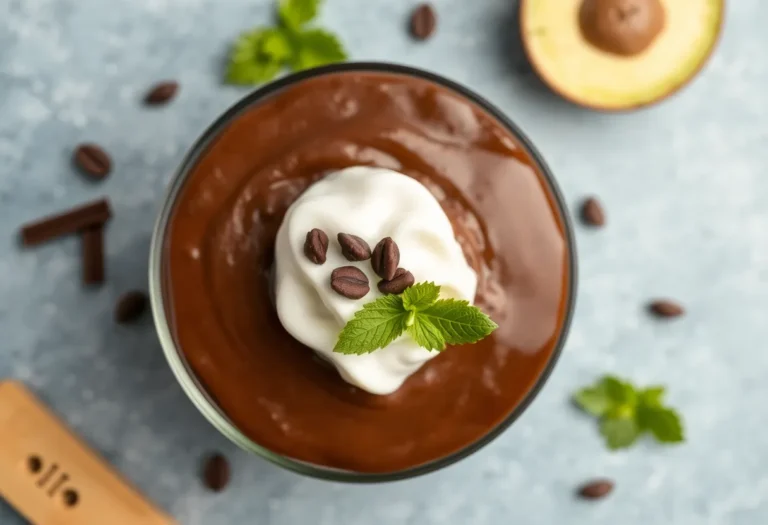
Chocolate cravings aren’t a character flaw, so quit treating them like one. Your body might genuinely be asking for magnesium, which cocoa happens to be loaded with. The trick isn’t fighting the urge, it’s meeting it with something that actually feeds you instead of leaving you rummaging through the pantry twenty minutes later. Avocado, nut butters, olive oil, ground flax – these are the building blocks that turn a candy bar craving into an actual nutritious moment. You get the rich, fatty mouthfeel that chocolate lovers are chasing, minus the sugar crash waiting on the other side.
Fiber plays a bigger role here than most people give it credit for. A dessert built on oats, black beans, or almond flour digests slower, keeps you fuller, and doesn’t spike your blood sugar the way a flour and sugar based brownie does. Pair that fiber with a good fat source and you’ve basically built a dessert that behaves more like a snack that supports you than one that sabotages you.
Why dark chocolate is actually okay
Dark chocolate gets a pass that milk chocolate simply doesn’t earn, and there’s a real reason for that. Once you’re looking at seventy percent cacao or higher, you’re getting significantly less sugar and a much higher concentration of flavanols, the compounds linked to better blood flow and heart health. You’re not eating candy anymore at that point, you’re eating something closer to a functional food that happens to taste indulgent.
Bitterness is your friend here, even if it takes your taste buds a minute to agree. Higher percentage bars force you to eat less because the intensity satisfies you faster, unlike milk chocolate which practically begs you to keep going. Pairing a square or two with almonds or a spoonful of nut butter rounds out the fat and protein profile, turning a small treat into something that actually holds you over instead of leaving you hunting for more twenty minutes later.
Sneaking veggies into your brownies
Zucchini and black beans sound like an odd fit for dessert, but they disappear completely once baked into a chocolate batter. Zucchini brings moisture without the need for extra oil or butter, while black beans replace flour almost entirely, giving you a fudgier texture along with a serious fiber and protein boost. You won’t taste either one, promise, the cocoa powder does all the talking.
Sweet potato deserves a mention too, especially if you’re after that dense, almost truffle like texture. Mashed and blended into the batter, it adds natural sweetness that lets you cut back on added sugar without anyone noticing the difference. Beets work similarly, lending a deep color and subtle earthiness that plays surprisingly well against dark cocoa. None of this is about tricking yourself, it’s about building a brownie that’s quietly doing more nutritional work than the one from a boxed mix.
Honestly, who even wants to turn on the oven?
Some days you just want something sweet without heating up the whole kitchen. That’s where no-cook desserts earn their keep. You mix, you chill, you wait, and you’re done. No preheating, no timers, no worrying about whether the center’s set or the edges burned. It’s dessert on your terms, and it fits into a life that doesn’t always have an hour to spare for baking. Give yourself fifteen minutes of hands-on time and let the fridge or freezer handle the rest.
What makes these treats work so well is that they lean on ingredients that firm up naturally. Nut butters, oats, cocoa, coconut cream, dates, chia seeds – they all thicken or set without a single degree of heat. You’re basically working with texture and patience instead of temperature. And because nothing’s cooked, more of the natural nutrients in your ingredients stick around, which only sweetens the deal.
Energy bites you can just grab and go
Picture a snack that takes ten minutes to make and lasts you the whole week. Energy bites are basically that dream turned into a little ball of oats, nut butter, and whatever mix-ins you’re craving. You roll them, chill them, and stash them in the fridge or freezer for whenever hunger strikes. They travel well too, so you can toss a few in your bag before a workout or a busy afternoon.
Dates or honey give you natural sweetness and help everything bind together without needing an egg or any baking magic. Toss in cacao nibs, shredded coconut, or crushed nuts for texture, and you’ve got something that feels indulgent but keeps you fueled. You control exactly what goes in, so if you’re avoiding added sugar or need something gluten-free, you just swap ingredients without losing the payoff.
Chia puddings that taste like a dream
Chia pudding might be the easiest “recipe” you’ll ever pull off, and it still feels fancy enough for company. Stir chia seeds into your milk of choice, add a touch of vanilla or maple syrup, then let it sit in the fridge overnight. By morning, you’ve got a thick, creamy pudding that tastes indulgent but started as nothing more than seeds and liquid.
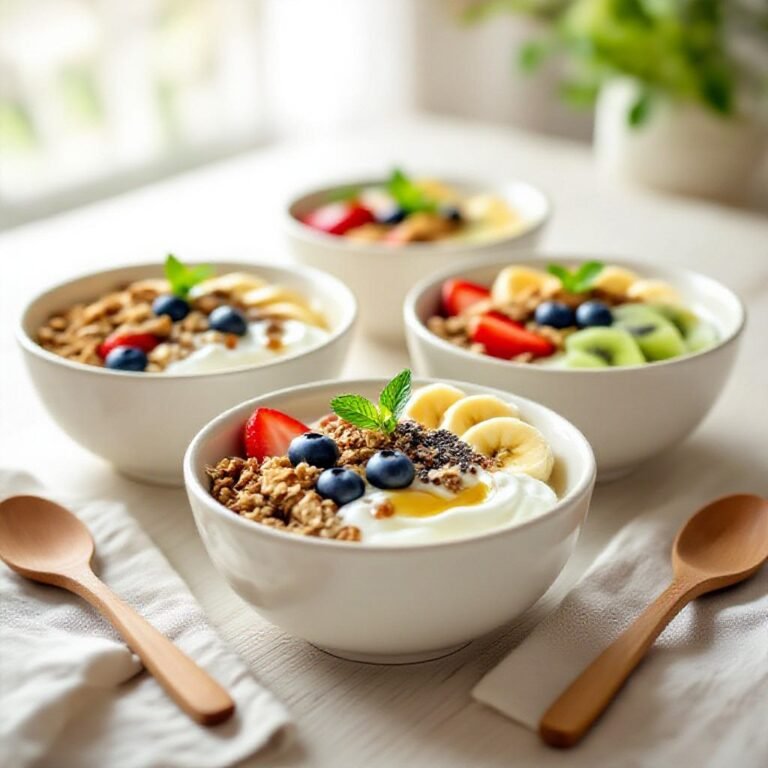
Texture-wise, it’s a little like tapioca, with tiny seeds giving each spoonful a satisfying bite. Layer it with berries, a swirl of nut butter, or crushed cacao for something that looks like it came from a fancy café. Because chia seeds swell up and thicken naturally, you never need heat, gelatin, or cornstarch to get that pudding-like consistency you’re after.
My take on why size seriously matters here
Portion control gets a bad rap, like it’s some kind of punishment or a sign you can’t be trusted around a plate of cookies. That’s not how I see it at all. You’re not restricting yourself when you build a dessert that’s already the right size, you’re just removing the guesswork. There’s no willpower battle happening at the counter when the treat in front of you was designed to be a single, satisfying stop. Your brain registers a complete dessert experience, plate and all, rather than a random scoop cut from something bigger.
Bigger batches almost beg to be finished, don’t they? Leave a whole pan of brownies on the counter and you’ll find yourself wandering back to it by hour three. Smaller, pre-sized portions change that dynamic completely. You get the sweetness, the richness, the whole payoff, without the aftermath of wondering how half the tray disappeared.
The magic of the mini-muffin tin
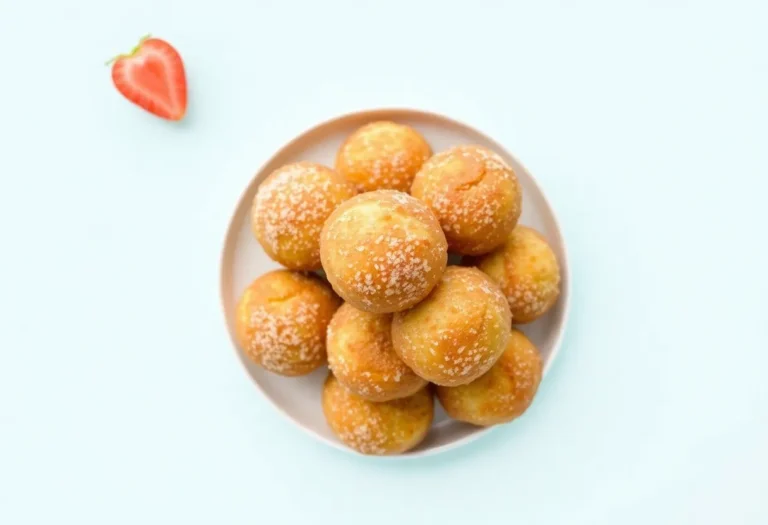
A mini-muffin tin might be the most underrated tool sitting in your cabinet. You pour the same wholesome batter you’d use for a full-sized treat, but suddenly you’ve got two dozen individual portions instead of eight hulking muffins. That shift alone changes how you eat dessert. You grab one, maybe two, and you’re done, satisfied without needing to slice anything or eyeball a serving size.
Baking times drop too, which works in your favor when you’re using better-for-you ingredients like almond flour or mashed banana that can behave unpredictably in the oven. You’ll get a golden little cake in ten to twelve minutes instead of thirty. Try filling those cups with a date-sweetened batter studded with dark chocolate chips, and you’ve got dessert that looks intentional, feels indulgent, and never leaves you standing over a pan deciding whether “just one more” counts.
Single-serving jars are a lifesaver
Jars solve a problem you might not even realize you have: the temptation to keep digging back into a communal bowl of pudding or trifle. Layer your chia pudding, your fruit compote, your yogurt mousse into a small mason jar, and the portion decides itself. You screw the lid on, and that’s the end of the conversation with yourself about whether you need more.
Prepping a handful of these jars on a Sunday afternoon means dessert’s basically done for the week. Grab one from the fridge, hand another to a guest, pack one in a lunch bag. Nothing melts, nothing gets soggy sitting out, and each jar looks like it was made for exactly one person, because it was.
Here’s what you’ve got to keep in your pantry
Open up a well stocked healthy dessert pantry and you’ll notice something right away: there’s no mystery ingredient list a mile long. You’re working with almond flour, oat flour, maybe some coconut flour tucked in the back. Add a jar of raw honey, a bottle of pure maple syrup, and a bag of pitted dates, and you’ve already covered your sweeteners and your binders. Coconut oil sits next to a good bottle of olive oil, both pulling double duty depending on the recipe. Keep these basics grouped together and labeled, because grabbing the wrong flour at 9pm on a Tuesday is a real mood killer.
Beyond the staples, you’ll want a small rotation of extras that keep things interesting: unsweetened cocoa powder, vanilla extract that’s actually vanilla, and a jar of nut butter that isn’t loaded with sugar. Baking soda and baking powder need a permanent spot too, even though they last forever and you’ll forget you have three boxes. Organize by function rather than alphabetically, grouping sweeteners, flours, and flavor boosters into their own little zones so you can see gaps before you run out mid recipe.
Nuts and seeds you’ll use constantly
Almonds, walnuts, and cashews earn their pantry space fast once you start baking healthier treats. You’ll toast them for crunch, blend them into flour, or press them into crusts that need zero oven time. Chia seeds and flax seeds deserve their own small containers too, since they thicken puddings and act as egg substitutes when you’re out of eggs or just don’t want to use them. Buy raw and unsalted versions whenever you can, since that gives you control over flavor instead of fighting against added salt or sugar coatings.
Storage matters more than people think here. Nuts and seeds go rancid faster than flour does, especially in warm kitchens, so tuck them into airtight jars and consider the fridge or freezer for anything you won’t use within a month. Sunflower seeds and pumpkin seeds round things out nicely, giving you nut free options for guests with allergies. Keep a small jar of each pre chopped near your mixing bowls, and suddenly topping a dessert with texture takes ten seconds instead of ten minutes.
Spices that do the heavy lifting
Cinnamon might be the hardest working spice in your entire pantry. It adds warmth and a hint of sweetness without a single gram of sugar, which means you can dial back other sweeteners and nobody notices. Nutmeg, cardamom, and ground ginger work similarly, tricking your taste buds into thinking something’s richer or sweeter than it actually is. A pinch of sea salt does the opposite job, sharpening flavors so your desserts taste finished instead of flat.
Vanilla bean paste or a strong extract belongs right next to your spice rack


Conclusion
You don’t need a culinary degree or a pantry full of exotic ingredients to make desserts that actually love you back. What you need is a shift in mindset: swap refined sugar for dates, reach for almond flour instead of the bleached stuff, let fruit do the heavy lifting it’s been waiting to do all along. Once you start making these small trades, you’ll notice something odd – you stop missing the “real” version. Your taste buds adjust faster than you’d think, and honestly, a lot of these swaps taste better once you get used to them.
Give yourself permission to experiment, mess up a batch or two, and figure out what actually works in your kitchen. You know your cravings, your schedule, and your pantry better than any recipe writer does. Keep a few staples on hand, trust your instincts on portion sizes, and don’t overthink the no-bake route when the oven feels like too much effort. Good dessert habits build slowly, one small batch at a time.