Chicken Quick Meal Prep
Five containers of plain chicken and rice sitting in your fridge isn’t exactly thrilling, but it doesn’t have to be that way. You can turn a single Sunday afternoon into a week’s worth of meals that actually taste good, save you money, and keep you from ordering takeout on a Tuesday night. This guide walks you through the cuts, cooking methods, and flavor tricks that make chicken prep fast, practical, and worth repeating.
Key Takeaways:
- Thin cuts like chicken breast cutlets or tenderloins cook in under 10 minutes and soak up marinade way faster than a thick, whole breast – that’s the real time-saver here.
- A basic formula of oil, acid, salt, and one bold spice blend can turn out five different flavor profiles from the same chopped batch of chicken, so you’re not eating the same bland thing all week.
- Cooling the chicken fully before it hits your storage containers is what actually keeps it from turning rubbery or watery by day three or four in the fridge.
What’s the best chicken cut for speed?
Not all chicken cooks at the same pace, and if you’re racing against the clock, that matters more than you’d think. A whole chicken breast can take twenty minutes or more to cook through properly, especially if it’s on the thicker side. Thin cuts, small pieces, and boneless options are your friends here. Bone-in anything, no matter how flavorful, is going to slow you down because bones conduct heat unevenly and require lower, longer cooking to avoid a raw center. If speed is the goal, boneless and thin wins every single time.
Size matters just as much as the cut itself. A chicken tenderloin, for example, cooks in a fraction of the time it takes a full breast simply because there’s less mass for heat to penetrate. Pounding out a thicker piece to an even thickness before cooking can shave several minutes off, too. So before you even think about a pan or a marinade, ask yourself: is this piece of chicken working with me or against me on time?
Why thighs beat breasts every time
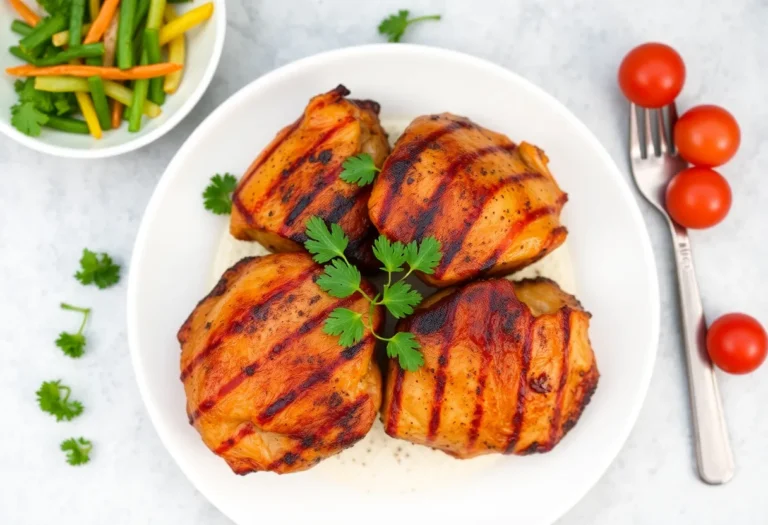
Thighs have more fat marbled through them, and that fat does double duty: it speeds up cooking and keeps the meat from drying out if you’re a minute or two off on timing. Breasts are lean, which sounds healthy, but leanness is exactly why they turn rubbery the second you overcook them. You’ve got almost zero margin for error with a breast. Thighs give you a buffer, which matters a lot when you’re moving fast and not babysitting the stove.
Boneless, skinless thighs also cook more evenly because they’re naturally thinner and more uniform in shape than a breast. You won’t be stuck slicing into a piece that’s done on the outside and pink near the bone. Thighs sear faster too, developing a nice color in the pan within a few minutes flat. For a quick weekday session, thighs are simply more forgiving, and forgiving is what you need when speed is the priority.
Pre-cut strips are a total lifesaver
Buying chicken already sliced into strips or tenders cuts your prep time down before you’ve even touched a knife. No cutting board mess, no worrying about uneven pieces cooking at different rates. Strips are thin by design, so they hit a pan and cook through in just a few minutes on each side. If you’re prepping several meals in one sitting, that time savings multiplies fast across each batch.
Grabbing a bag of pre-cut strips from the store also means consistent sizing, which is huge for even cooking. Uneven pieces are the number one reason people end up with dry edges and undercooked centers in the same batch. Strips sidestep that problem entirely. Tossing them straight into a hot pan or onto a sheet tray means less time standing around and more time getting your meals actually finished.
Honestly, how should you actually cook it?
The air fryer is my secret weapon
Nothing shortens a chicken prep session like an air fryer. You dump in your seasoned pieces, punch in the temperature, and walk away. No standing over a stove, no babysitting a pan, no splatter to wipe off the backsplash. Boneless thighs or cutlets at 400°F typically finish in under 15 minutes, and the circulating air gives you that slightly crisp exterior without needing a drop of extra oil. For anyone juggling laundry, emails, or a toddler while trying to get dinner sorted for the week, that hands-off window is worth its weight in gold.
Batch cooking becomes almost effortless once you get the rhythm down. You can run two or three rounds back to back while you prep your veggies or portion out containers, and the machine does the heavy lifting each time. Cleanup is minimal too, since most baskets are dishwasher safe or wipe clean in seconds. If you’ve been skeptical about the air fryer hype, chicken prep is where it actually earns its counter space.
Why a hot pan is better than the oven
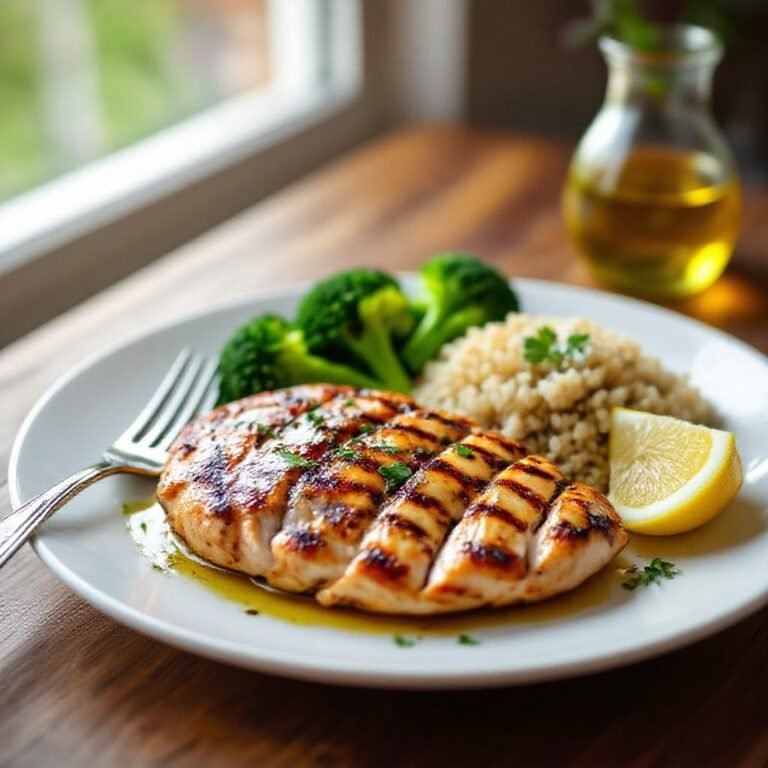
A screaming hot skillet beats the oven when speed is your priority. Cranking a cast iron or stainless pan over medium high heat, then searing your chicken in a single layer, gets you a golden crust and a cooked-through piece in roughly 6 to 8 minutes per side, depending on thickness. Compare that to preheating an oven and waiting 20 plus minutes for baked chicken to finish, and the math isn’t close. Stovetop cooking also lets you adjust heat instantly, so you’re never guessing whether something’s overcooking in a sealed box you can’t see into.
Searing directly on the stove gives you control an oven simply can’t match. You can baste with a little butter, toss in garlic or herbs during the last minute, and taste-test doneness by cutting into a piece right there at the stove. Pounding cutlets to an even thickness beforehand speeds things up even further, shaving off another minute or two per batch. For a weeknight rush, that pan is doing more work in less time than any appliance in your kitchen.
Here’s how to not have boring chicken
Plain chicken happens when you skip the two things that actually matter: salt and time. Toss your chicken with seasoning the night before, or even just twenty minutes before it hits the pan, and you’ll notice a difference immediately. Flavor doesn’t need to be complicated to be good. Some of the best chicken you’ll ever eat probably had four or five ingredients touching it, tops. The trick isn’t stacking on more stuff, it’s picking the right stuff and giving it a chance to actually do something to the meat.
Batch cooking makes this even easier because you’re only doing the flavor work once for a whole week of meals. Divide your chicken into two or three portions before cooking and hit each one with a different seasoning direction. One batch goes smoky, one goes bright and herby, one goes spicy. Suddenly you’ve got variety without any extra effort on cooking day. That’s the whole secret to never getting bored: build the differences in before the heat ever touches the pan.
My go-to three-ingredient dry rubs
Smoked paprika, garlic powder, and a good pinch of salt is probably the rub you’ll reach for most often. It works on grilled, baked, or pan-seared chicken, and it gives you that slightly smoky, savory crust without any real thinking involved. Cumin, chili powder, and lime zest is your second workhorse, perfect for anything you’re planning to put in a bowl or a wrap later in the week. Both come together in under a minute, and both keep well if you mix up a bigger batch to store in a jar.
Italian seasoning, onion powder, and black pepper rounds out the trio, giving you a milder, herby option for when you want the chicken to play well with pasta or a grain bowl. Coat your chicken generously, don’t be shy with it, and pat the rub in so it actually sticks during cooking. Three ingredients sounds too simple to matter, but the combination of salt, aromatic, and one flavor accent is really all a good rub needs.
Why I think bottled sauces aren’t cheating
Nobody’s handing out awards for making everything from scratch, especially on a Tuesday night. A good bottled sauce, whether it’s a chili garlic sauce, a peanut sauce, or a solid barbecue blend, has usually been tested and balanced by people who do this for a living. Brushing it on your chicken in the last few minutes of cooking gets you a glaze that tastes like you worked a lot harder than you did. That’s not a shortcut you should feel guilty about, that’s just smart time management.
Store-bought sauces also let you experiment without any risk. Try a new one every couple of weeks and you’ll build a small rotation of go-to flavors without ever getting stuck making the same rub over and over. Keep two or three types on hand, something tangy, something spicy, something sweet, and you’ve basically built yourself a flavor menu. Your cooked chicken bec
Don’t let your hard work go to waste!
The real deal on keeping it juicy
Chicken breast turns rubbery the second it sits too long, and that’s usually a cooling problem, not a cooking problem. Slice or portion your batch while it’s still slightly warm, then spread pieces out on a sheet tray instead of piling everything into one deep container. Steam trapped under a lid is the enemy here. It condenses, drips back down, and basically steams your chicken into a sad, soggy version of itself.
Fat matters more than people think. A drizzle of olive oil or a spoonful of the pan juices tossed through the pieces before storing acts like a barrier, holding moisture inside the meat instead of letting it evaporate away in the fridge. Bone in, skin on cuts hold up noticeably better over four or five days than bare breast meat does. If you went lean, plan to eat that batch sooner rather than later, since dry meat only gets drier with time.
Reheating without that weird leftover taste
Microwaves blast unevenly and dry out the edges before the center even warms up. A low oven, somewhere around 300°F, with a splash of broth or water in the dish and foil over the top, brings chicken back to life far better than a quick zap ever could. Give it ten to fifteen minutes depending on portion size, and check the middle piece since it always lags behind.
Sauce is your secret weapon against that flat, reheated flavor. A quick toss in fresh salsa, a curry base, or even just a squeeze of lemon and fresh herbs masks the “day three” taste that plain reheated meat tends to develop. Stovetop works well too: thin sliced chicken warmed gently in a skillet with a lid on, low heat, a minute or two per side, keeps things tender without that stringy, twice cooked texture nobody wants.
What are we actually eating with this?
Cooked chicken sitting in your fridge is only half the equation. The real question is what it lands on top of, next to, or wrapped inside once lunch rolls around and you’re staring blankly into the fridge. This is where a lot of meal prep plans quietly fall apart – people stock up on protein and completely forget to think through the rest of the plate. Don’t be that person. A little planning here means the difference between eating something you’re excited about and choking down dry chicken for the fourth day in a row out of sheer obligation.
Your goal is variety without extra work, and that means building a small rotation of bases, sauces, and sides that mix and match easily. Rice, greens, roasted vegetables, tortillas – keep two or three on hand and you’ve got a different meal every day using the exact same chicken. The trick isn’t cooking more, it’s combining smarter.
Fast bowls that take five minutes
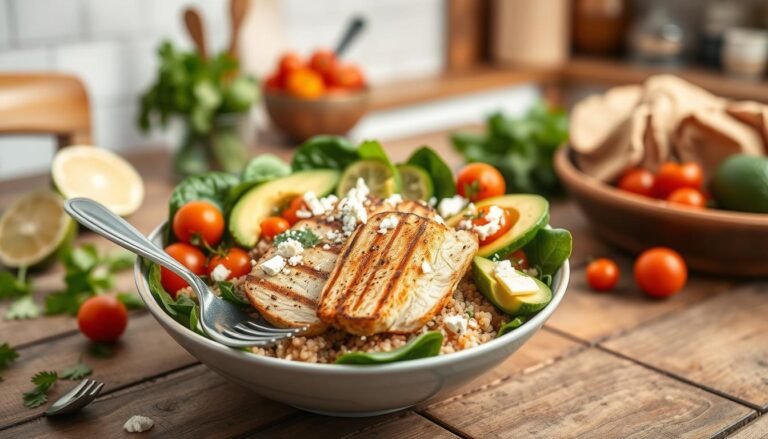
Bowls are your best friend here, mostly because they forgive almost anything. Grab a scoop of rice or quinoa, toss in your chicken, add whatever vegetable is closest to expiring, and drizzle on a sauce you already like. You’re not following a recipe, you’re assembling one, and that mental shift alone speeds things up. A soy-lime dressing, a spoonful of pesto, or even just olive oil and chili flakes can completely change the personality of the same base ingredients.
Texture matters more than people realize in a bowl. Throw in something crunchy, like sliced cucumber or crushed peanuts, so every bite isn’t just soft rice and soft chicken. Frozen vegetables work fine too, microwaved for two minutes while the rice reheats. Five minutes total, one dish, minimal cleanup – and you’ve got a lunch that actually feels intentional instead of thrown together in a hungry panic.
Wraps and salads for when you’re lazy
Wraps solve the problem of eating standing up, which let’s be honest, happens more than you’d like to admit. Diced chicken, a spoonful of hummus or yogurt sauce, whatever greens you have, all rolled into a tortilla you can eat with one hand while doing literally anything else. No plate, no fork, minimal dishes. Add shredded cheese or a few pickled onions if you want it to taste like you tried harder than you did.
Salads get a bad reputation for being boring, but shredded chicken changes that fast. Skip the sad bag of plain lettuce and build something with texture: chickpeas, toasted nuts, a hunk of feta, maybe some dried cranberries for sweetness. Dress it right before eating, not in advance, so nothing goes soggy in your bag. Ten minutes of chopping the night before means lunch tomorrow is just an assembly job, not a cooking project.
Seriously, these shortcuts are game-changers
Batch cooking like a total pro
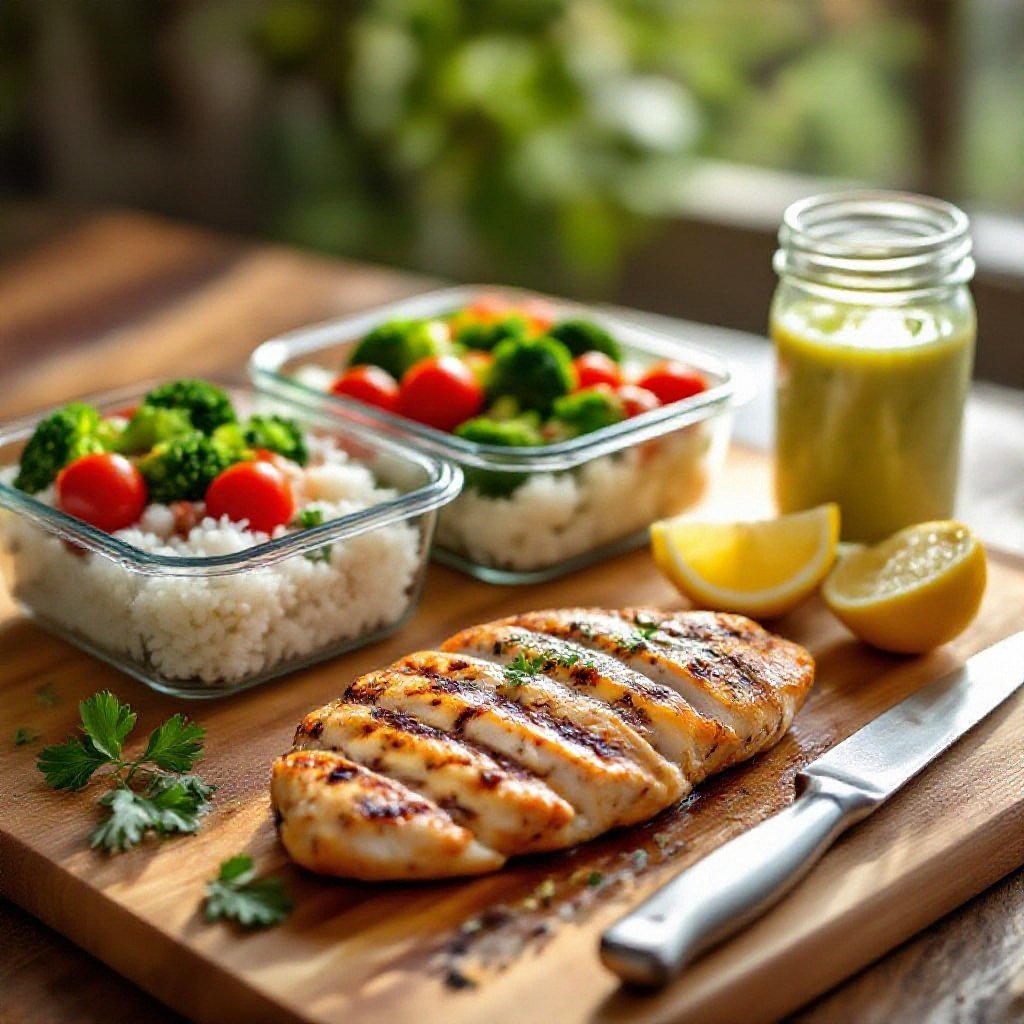
Sunday afternoons become your secret weapon once you start treating chicken prep like a production line instead of a one-off task. Grab three or four pounds instead of one, and you’re setting yourself up with enough protein to coast through most of the week without touching a cutting board again. Your future self will thank you when Wednesday night rolls around and dinner is basically already done.
Multitasking is where the real time savings hide. While one batch rests on the counter, another can be cooling in containers, and a third might already be portioned into bags for the freezer. You’re not doing one job at a time anymore, you’re running three at once. Pots and pans pile up faster this way, sure, but a single big cleanup beats five smaller ones scattered across the week. That trade-off almost always wins.
Using frozen veggies to save your sanity
Frozen vegetables exist for exactly this kind of chaos. No washing, no peeling, no random ends going soft in the crisper drawer. You just grab the bag, dump what you need, and toss the rest back in the freezer without a second thought. That alone erases a solid chunk of prep time most people don’t even realize they’re losing.
Nutrition doesn’t take a hit either, since most frozen produce gets flash frozen at peak ripeness. You’re skipping the days spent traveling to a store shelf, which means less nutrient loss than you might expect from fresh produce that’s been sitting around. Stock a mix of broccoli, peppers, and stir fry blends, and you’ll always have something ready to toss alongside your prepped chicken with zero extra effort.


To wrap up
You’ve got everything you need to make chicken the backbone of your week instead of your biggest headache. Pick the right cut for the time you actually have, cook it with a method that fits your schedule, and season with enough variety that you’re not choking down the same bland bites by Wednesday. Store it properly and you protect every minute you spent chopping and seasoning. Pair it with grains, vegetables, and sauces that keep things interesting, and lean on the shortcuts you’ve picked up here whenever life gets hectic. None of this requires culinary school or fancy gadgets. It just requires a plan and a little consistency.
Give yourself permission to start small. Prep three portions instead of ten if that’s what feels manageable this week. Once you see how much easier your evenings become with cooked chicken already waiting in the fridge, you’ll want to build the habit further on your own terms. Your future self, hungry and short on time, will thank you for the effort you put in today.