Healthy Vegetarian Snacks
Your afternoon hunger doesn’t have to end with a bag of chips or a candy bar from the vending machine. Whether you’re building muscle, chasing kids around, or just trying to make it to dinner without hangry meltdowns, you need snacks that actually work for your body. This guide walks you through practical, plant-based options that satisfy cravings while keeping your energy steady and your nutrition on point.
Key Takeaways:
- Roasted chickpeas, Greek yogurt with nuts, and hummus with veggies pack in protein and fiber, which means they actually keep you full instead of leaving you hungry an hour later.
- A bowl of fruit with nut butter or a couple squares of dark chocolate can curb sugar cravings without sending your energy on a rollercoaster ride.
- Spending twenty minutes on a Sunday portioning out nuts, chopping veggies, or making energy balls saves you from grabbing chips out of pure convenience during the week.
What’s the deal with quick-prep snacks anyway?
Some days you just don’t have five minutes to spare, let alone twenty. That’s where raw-ingredient snacks earn their keep. No stove, no oven, no waiting around for something to cook through. You grab, you slice maybe, you eat. The whole point is cutting the gap between “I’m hungry” and “I’m eating” down to almost nothing, without reaching for a bag of chips or a candy bar to do it.
Raw doesn’t mean boring, either. Fresh produce, nuts, seeds, and pantry staples can be combined in dozens of ways that taste genuinely good and keep your energy steady. The trick is having the right ingredients on hand so you’re not standing in front of the fridge staring blankly. A little bit of planning turns “quick” into “quick and actually satisfying.”
Grab-and-go fruit combos that don’t suck
Plain fruit gets old fast, and you know it. Pairing it with something else changes the game entirely. Apple slices dunked in almond butter feel almost indulgent. Banana rounds topped with a sprinkle of cinnamon and chia seeds taste way better than they have any right to for something so simple. Berries tossed with a spoonful of coconut flakes give you a little sweetness and a little texture in one bite.
Citrus segments with a pinch of chili powder sound strange until you try them; the heat wakes up the sweetness in a way that’s oddly addictive. Grapes frozen ahead of time turn into tiny sorbet bites when you need something cold and quick. None of these take more than a minute or two to throw together, and they’ll actually keep you full instead of leaving you hunting for something else twenty minutes later.
Seriously easy nut mixes you can make in seconds
Nut mixes are basically the adult version of a candy bowl, minus the sugar crash afterward. Toss almonds, walnuts, and pumpkin seeds in a bowl, and you’ve already got something worth snacking on. Add dried cranberries or cherries for a little chew and sweetness, and you’re set for the week if you make a big batch.
Cashews paired with a few dark chocolate chips hit that sweet-and-savory spot without feeling like dessert. Spiced pecans with a dash of smoked paprika bring some warmth if you’re craving something bolder. Portion everything into small containers on a slow evening, and mornings suddenly feel a lot less rushed.
Why I think protein is actually the king of snacks
Grabbing a handful of pretzels might quiet your stomach for twenty minutes, but that’s about it. Protein works differently. It takes longer to break down, which means your blood sugar doesn’t spike and crash the way it does with refined carbs. You feel fuller for hours instead of minutes, and that’s the whole point of snacking well instead of just snacking often. Think about the difference between eating a granola bar at 3pm versus a boiled egg with some salt and pepper. One leaves you rummaging through the pantry an hour later; the other actually holds you over until dinner.
Your body also uses protein for repair and muscle maintenance, so every snack becomes a small deposit toward recovery, not just a distraction from hunger. Athletes have known this for decades, but you don’t need to be training for a marathon to benefit. Anyone with a busy afternoon and a rumbling stomach can use a protein-forward snack as a strategic move rather than a reactive one.
The real deal on Greek yogurt and why it’s a staple
Plain Greek yogurt packs roughly double the protein of regular yogurt, thanks to the straining process that removes much of the liquid whey. That thicker texture isn’t just a mouthfeel thing; it’s a sign of concentrated nutrition sitting right there in your bowl. Pair it with a handful of walnuts or a spoonful of chia seeds, and you’ve got a snack that fights hunger from two angles: protein and healthy fat working together.
Watch out for the flavored varieties, though. Many are loaded with added sugar, which undercuts the whole benefit you’re going for. Reach for plain and add your own fruit or a drizzle of honey if you want sweetness on your terms. Keep a few individual containers in your fridge so it’s grab and go on hectic mornings, no measuring or prep required.
Honestly, edamame is a total game-changer
Edamame gets overlooked way too often, and that’s a shame because a single cup delivers a serious protein punch for so few calories. Steam a bag with a sprinkle of sea salt, and you’ve got something satisfying to pop while you catch up on emails or unwind after work. The fiber content adds another layer of fullness, so you’re not just getting protein, you’re getting a snack built to actually last.
Frozen edamame keeps for months in your freezer, which makes it one of the most practical proteins you can stock. Toss a handful into salads, blend it into a dip, or eat it straight from the pod as a mindless, satisfying ritual. Few snacks offer this much nutritional bang for so little effort on your part.
Satisfying your sweet tooth without the sugar crash
My take on dark chocolate and fruit pairings
Grabbing a candy bar might feel like the fastest fix, but pairing dark chocolate with fresh fruit gives you that same rich, satisfying hit without sending your blood sugar on a rollercoaster. Sliced strawberries dipped in melted dark chocolate, or a few squares broken over banana rounds, deliver bitterness and sweetness in one bite. Cacao content matters here – you’ll want something at 70% or higher, since that’s where the sugar drops and the antioxidants climb.
Texture is what makes this pairing work so well for you. The snap of cold chocolate against the soft give of ripe fruit creates a sensory experience that a plain candy bar just can’t match. Try apple slices with almond butter and a chocolate drizzle, or frozen grapes dipped in dark chocolate for something you can keep stashed in the freezer. You get dessert energy without the mid-afternoon slump that follows a sugary treat.
Here’s why dates are basically nature’s candy
Biting into a Medjool date is about as close as you’ll get to eating caramel straight from the earth. Their natural sugars come bundled with fiber, so your body processes them slower than the refined stuff hiding in packaged snacks. Stuff one with a bit of peanut butter and a walnut half, and you’ve built something that tastes indulgent but actually fuels you.
Fiber content is the real story with dates, since it’s what keeps them from spiking your blood sugar the way a cookie would. A single date carries a couple grams of fiber along with potassium and small amounts of magnesium, so you’re getting minerals most sugary snacks can’t offer at all. Blend a handful into a smoothie in place of sugar or syrup, and you’ll barely notice the difference in sweetness. Once you start keeping a bag in your pantry, reaching for processed sweets starts to feel unnecessary.
Is it really a snack if it isn’t crunchy?
Some cravings just can’t be talked out of you, and the need for crunch is one of them. Chewy or soft snacks have their place, but there’s something about that snap that makes a snack feel like a real snack. You don’t need chips loaded with mystery oils to get there, though. Two techniques do all the heavy lifting: roasting and air-frying. Both pull moisture out of your food, concentrating flavor while leaving behind that satisfying texture you’re chasing. No deep fryer, no guilt trip afterward.
Once you get comfortable with these two methods, you’ll notice how much control you actually have over what ends up in your mouth. Salt levels, seasoning blends, oil amounts, it’s all up to you instead of a food label. Chickpeas, veggie chips, roasted nuts, even kale, all become fair game. The trick is knowing the small details that separate a soggy disappointment from something you’d actually reach for twice.
What’s the best way to roast chickpeas?
Dry chickpeas are the whole secret here. After draining and rinsing a can, pat them down with a towel until they’re properly dry, not just damp. Any leftover moisture steams the chickpeas in the oven instead of crisping them, and that’s the number one reason people end up with a soft, sad batch. A light coat of oil and a preheated oven set around 400°F does most of the work. Give them a solid 25 to 30 minutes.
Shake the pan halfway through so every side gets exposed to heat evenly. Season after roasting, not before, since salt draws out moisture and can undo your crunch. Smoked paprika, garlic powder, a little cayenne, whatever you’re into works well once they’re hot out of the oven. Let them cool for a few minutes before eating; they’ll firm up even more as the temperature drops.
Air-fried veggie chips that actually taste good
Veggie chips get a bad reputation because store bought versions are often just as processed as regular potato chips. Homemade air-fried versions flip that script. Zucchini, sweet potato, beets, even parsnip, all work if you slice them thin and uniform. A mandoline slicer makes this part painless and keeps every chip cooking at the same rate, which matters more than people expect.
Oil is where most people go wrong, either drowning the slices or skipping it entirely. A thin brush is all you need, just enough to help them crisp without turning greasy. Keep the basket in a single layer, since overcrowding traps steam and kills the crunch factor you’re after. Check them a few minutes early the first time you try a new vegetable, since thickness and water content change cook times more than most recipes let on.

My secret weapon: Sunday snack prep
Sunday afternoons are when you win or lose your entire week of snacking. Grab an hour, put on a podcast, and turn your kitchen counter into a mini assembly line. The goal isn’t some Pinterest-perfect spread; it’s just having grab-and-go options ready so future you isn’t standing in front of an open fridge at 3pm making bad choices out of desperation. Portion things into containers, label what needs eating first, and stack your fridge so the healthy stuff is at eye level, not buried behind the condiments.
Batching snacks also saves you money, since you’re buying in bulk instead of grabbing overpriced packaged stuff mid week. A single prep session, roughly sixty to ninety minutes, sets up five or six days of snacking without a single extra trip to the store. That kind of consistency is what actually keeps a vegetarian diet feeling sustainable instead of like a constant scramble for something decent to eat.
Pre-chopped veggies and the dips you’ll love
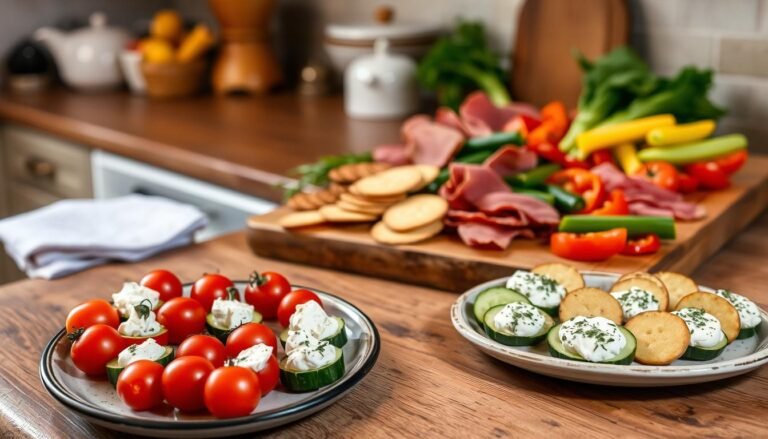
Cucumbers, bell peppers, carrots, celery: none of these are exciting on their own, but chopped and ready in a clear container, they become the easiest snack you own. Wash and cut everything right after your grocery haul, then store pieces in water if they’re prone to going limp, like carrot sticks. Peppers and cucumbers do fine dry, just wrapped tightly or kept in an airtight container with a paper towel to soak up moisture.
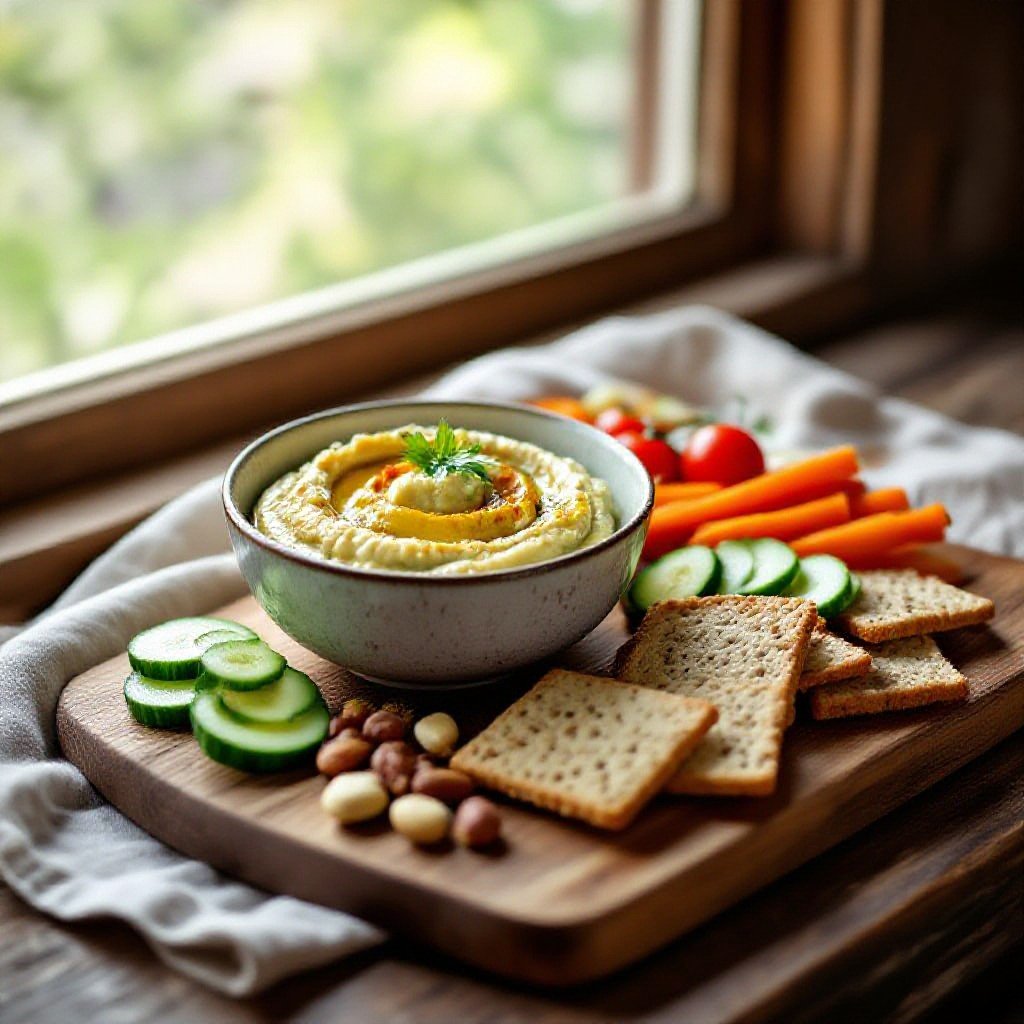
Dips are where the real magic happens, honestly. Whip up a batch of hummus, a Greek yogurt ranch, or a simple white bean dip with lemon and garlic, and suddenly those veggies feel like an actual snack instead of punishment. Make two or three varieties on Sunday and portion them into small jars, so grabbing a balanced snack takes ten seconds flat, no decision fatigue involved.
Making your own energy balls for the week
Energy balls are basically the vegetarian answer to a candy bar, minus the sugar crash afterward. Dates, oats, nut butter, and a scoop of protein powder or ground flax blended together give you something dense, chewy, and satisfying in two bites. Roll a double batch on Sunday, since they keep in the fridge for a solid week and freeze beautifully if you want to stretch that further.
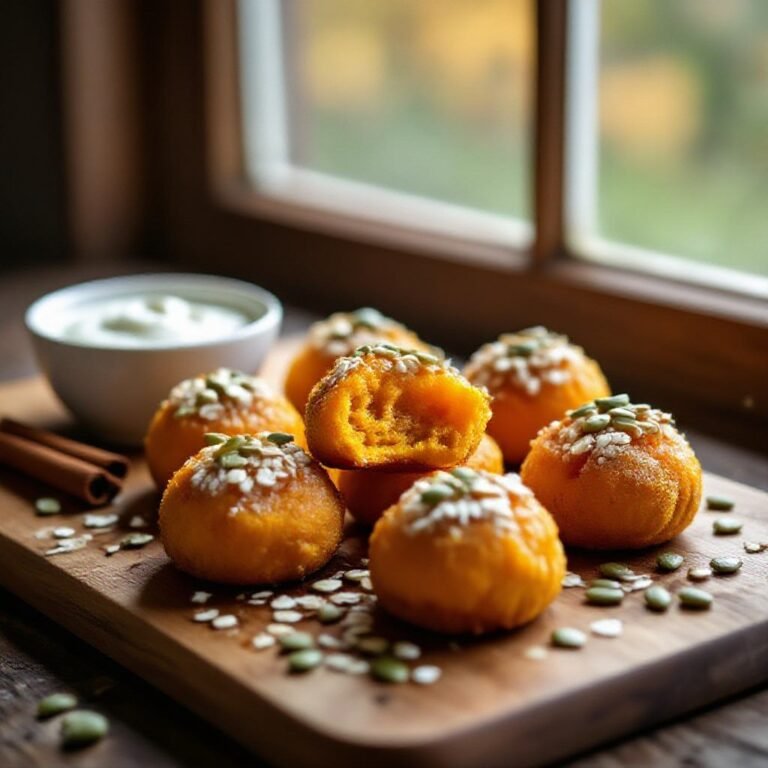
Variety keeps you from getting bored halfway through the week, so try rotating flavors: cocoa and peanut butter one batch, cinnamon and pumpkin seed the next. Store them in a single layer separated by parchment if you’re stacking containers, otherwise they’ll turn into one giant sticky lump. Twelve to fifteen balls from one batch usually covers a full week of afternoon slumps without a single trip to the vending machine.


Final Words
You don’t need a cabinet full of exotic ingredients or a culinary degree to snack well. What you actually need is a handful of go-to combinations that you trust, a little bit of prep on a lazy Sunday, and the confidence to say no to the vending machine because you’ve already got something better in your bag. Roasted chickpeas, a good hummus, fruit paired with nut butter, crunchy veggies with tahini dip – these aren’t complicated ideas, but they work because they hit protein, fiber, and flavor all at once. That combination is what actually keeps you full.
Give yourself permission to experiment. Swap almond butter for sunflower seed butter if you’ve got allergies at home, or trade chickpeas for edamame if that’s what’s in your pantry. Your snack routine should bend to fit your life, not the other way around. Start small, pick two or three recipes from this list, and build from there. Before long, healthy snacking stops feeling like a chore and starts feeling like second nature.