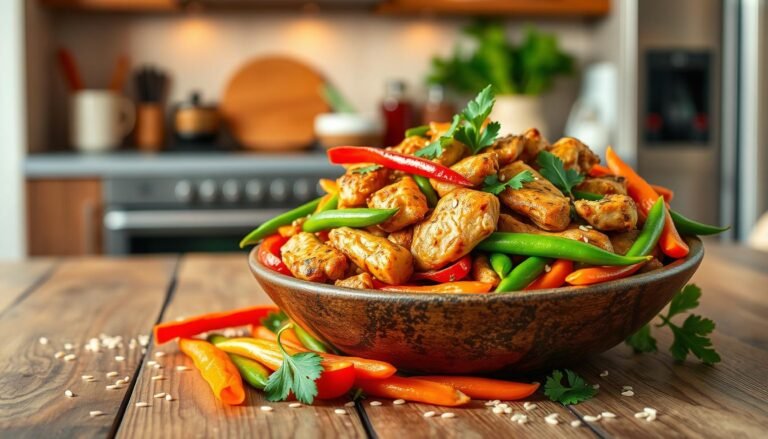
Healthy Chicken Stir Fry Bowls
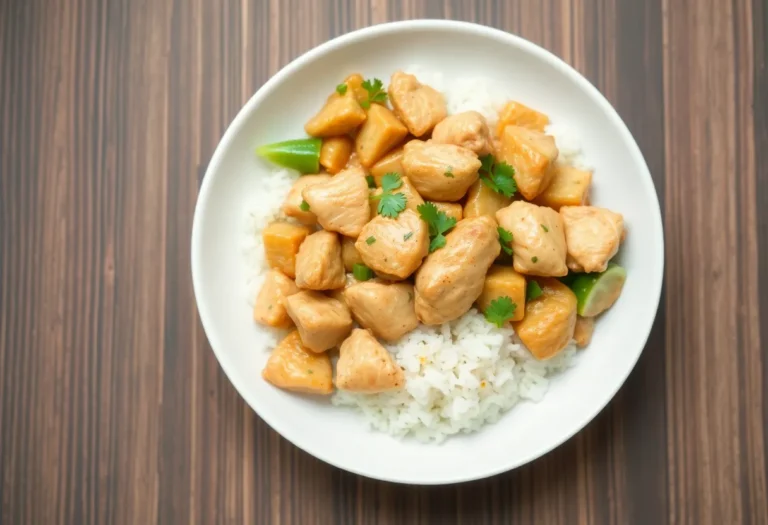
Craving something quick, colorful, and actually good for you? You’re in the right place. Chicken stir fry bowls hit that sweet spot between fast weeknight dinner and genuinely nutritious meal, packing lean protein, crisp vegetables, and bold flavors into one satisfying dish. Grab your wok, because you’re about to master a formula you’ll use for years.
Key Takeaways:
- Chicken breast or thigh, cut small and dried off before it hits the pan, gives you that quick sear without turning rubbery or steaming in its own juice.
- A loaded mix of crunchy veggies and a sauce with real balance (salty, sweet, a little acid) does more for flavor than any fancy technique ever will.
- Cooking components separately and storing them apart makes this one of the easiest meals to prep ahead without ending up with a soggy, sad bowl by day three.
What’s the real deal with the chicken?
Breasts get all the glory, but they’re not the MVP here. Thighs bring a richness that keeps every bite tender, even after a hot, fast toss in the pan. You’re not piling on extra calories either, since the difference between a thigh and a breast is small once you trim visible fat. That little bit of extra fat is exactly what protects the meat from drying out under high heat.
Why I’m team chicken thighs every single time
Thighs forgive you when you’re distracted flipping veggies or reaching for the soy sauce. Their fat content keeps them moist even if they sit in the pan a beat too long, something breasts just won’t do. You get deeper flavor too, almost a savory backbone to the dish. For a weeknight bowl where timing isn’t always perfect, this cut takes the pressure off.
Cutting it right so you don’t end up with rubber
Uniform, bite sized pieces are the goal, roughly an inch across so everything cooks at the same rate. Slice against the grain and trim any thick globs of fat, but leave a little marbling for flavor. Pat the pieces dry before they hit the pan; excess moisture steams the chicken instead of searing it, and that’s how you end up with a chewy, disappointing bite instead of something tender.
Seriously, don’t skimp on the greens (and reds and yellows)
Color on your cutting board isn’t just for show. Bell peppers, broccoli, snap peas, carrots… each one brings its own vitamins, fiber, and texture to the bowl. A stir fry loaded with just one sad vegetable is missing the point entirely. You want a mix that looks like a paint palette, because that variety is what actually makes this meal balanced instead of just chicken with a side of rice.
My favorite “whatever’s in the fridge” veggie mix
Zucchini, mushrooms, red cabbage, whatever’s about to go limp in your crisper drawer, it probably belongs in this bowl. You don’t need a shopping list to make this work. Grab two or three vegetables with different textures, something crisp like carrots, something soft like mushrooms, and you’ve got a mix that keeps every bite interesting instead of monotonous.
How to keep that crunch without overcooking everything
Timing is everything here. Toss in the dense stuff first, carrots, broccoli, anything that takes a while to soften, and save delicate vegetables like snap peas or spinach for the last minute or two. Keep the heat high and the pan moving. Overcrowding steams your veggies instead of searing them, so work in batches if you need to and pull everything off the heat right when it still has some bite.
Is a stir fry even a stir fry without a killer sauce?
Grab your whisk, because that jarred stir fry sauce sitting in your pantry is probably loaded with more sugar than you’d ever add on purpose. Mixing your own takes maybe five minutes and gives you total control over what actually ends up in your bowl. Soy sauce, a splash of rice vinegar, a little sesame oil, and a touch of sweetener you choose yourself. That’s the whole trick to keeping this dish genuinely healthy instead of secretly loaded.
The low-sodium trick that actually tastes good
Swapping regular soy sauce for a low-sodium version cuts a shocking amount of salt without you noticing a flavor difference. Pair it with a splash of rice vinegar and a spoonful of natural nut butter, and you’ll build depth that masks any perceived blandness. Your taste buds want complexity, not just salt, so lean on umami-rich ingredients like mushrooms or a tiny bit of miso to fill that gap instead.
Why I think fresh ginger is a total game changer
Powdered ginger just can’t compete with grating a fresh knob straight into your sauce. You’ll notice a brighter, almost citrusy heat that wakes up every other ingredient in the bowl. It also pairs beautifully with garlic, creating that fragrant base note you’re chasing in any proper stir fry. Keep a piece in your freezer so you’ve always got some ready to grate at a moment’s notice.
What are we putting this stuff on, anyway?
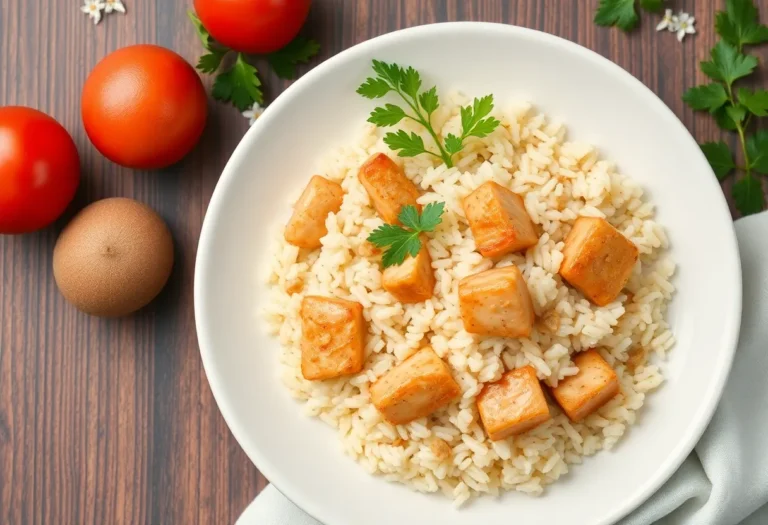
All that beautifully seared chicken and those crisp veggies need somewhere to land, and that base matters more than people give it credit for. Reaching for brown rice or quinoa instead of the white stuff bumps up the fiber count, which keeps you satisfied longer instead of hungry again an hour later. Quinoa also sneaks in extra protein, so your bowl works even harder for you without adding much effort on your part.
Rice isn’t your only option, honestly
Farro brings a chewy, nutty bite that holds up beautifully against a saucy stir fry, while barley offers something similar with a slightly softer texture. Bulgur wheat cooks fast and soaks up flavor like a sponge, so it’s worth keeping in the pantry for busy nights. Each of these grains brings its own fiber and nutrient profile, letting you switch things up without ever getting bored.
Zucchini noodles for when you’re feeling extra healthy
Zoodles trade heaviness for freshness, giving you a lighter bowl that still feels substantial thanks to their bulk and satisfying crunch. Spiralizing one medium zucchini takes just a couple of minutes, and you can toss the noodles in raw or give them a quick sauté. They won’t deliver the fiber punch grains do, so pairing them with extra beans or lentils keeps the meal balanced.
My take on getting that perfect sear
Getting that golden, slightly crispy edge on your chicken isn’t about fancy equipment. It’s about heat and patience, weirdly enough, in the opposite order you’d think. Your wok or skillet needs to be screaming hot before anything hits it, and you need to resist the urge to dump the whole cutting board in at once. Those two habits alone separate a sad, gray stir fry from one that tastes like it came from your favorite takeout spot.
Why a crowded pan is your worst enemy
Pile too much chicken into the pan at once and you’re not searing anymore, you’re steaming. All that liquid releases and pools around the meat, and instead of a caramelized crust you get a pale, rubbery texture nobody wants. Working in small batches, even if it feels tedious, keeps every piece in direct contact with the hot metal. Give each batch its own space and you’ll actually see the difference in under two minutes.
The “hot and fast” rule I live by
Once your oil is shimmering and practically whispering threats at you, that’s your cue. Toss the chicken in, let it sit untouched for a solid minute, then flip. Constant stirring is tempting, but it actually stops that beautiful crust from forming in the first place. Speed matters here too; the whole cook should take just a few minutes so the inside stays juicy while the outside gets that irresistible bite.
Can we talk about meal prep for a second?
Batch cooking these bowls on a Sunday means you’ve got lunch sorted for the whole week, but only if you handle storage the right way. Keep the chicken, veggies, rice, and sauce in separate containers rather than tossing everything together. That one small habit is the difference between a bowl that tastes fresh on day four and one that’s gone limp and sad. Give it a shot and you’ll see what I mean.
How to keep things from getting soggy by Wednesday
Moisture is the enemy here, so let your veggies cool completely before sealing them up. Steam trapped in a warm container turns crisp peppers into mush by the third day. Line the bottom of each container with a paper towel to soak up extra condensation, and always store your sauce separately, adding it only when you’re ready to eat. Your future self will thank you.
My go-to glass containers for the win
Glass containers with snap lock lids are worth every penny you spend on them. They don’t stain or hold onto old sauce smells the way plastic does, and you can toss them straight into the microwave without worrying about weird chemicals leaching into your food. Divided compartments are a game changer too, keeping your chicken, rice, and veggies separated until you’re ready to mix it all together and dig in.



Summing up
You’ve got everything you need now to build a chicken stir fry bowl that actually tastes good and does your body a favor. Balance the protein, pile on the colorful vegetables, get your sauce ratios right, and don’t rush the sear. Once you’ve made this a few times, you won’t even need a recipe. It becomes second nature, a reliable dinner you can throw together on a busy Tuesday or scale up for the whole week ahead.