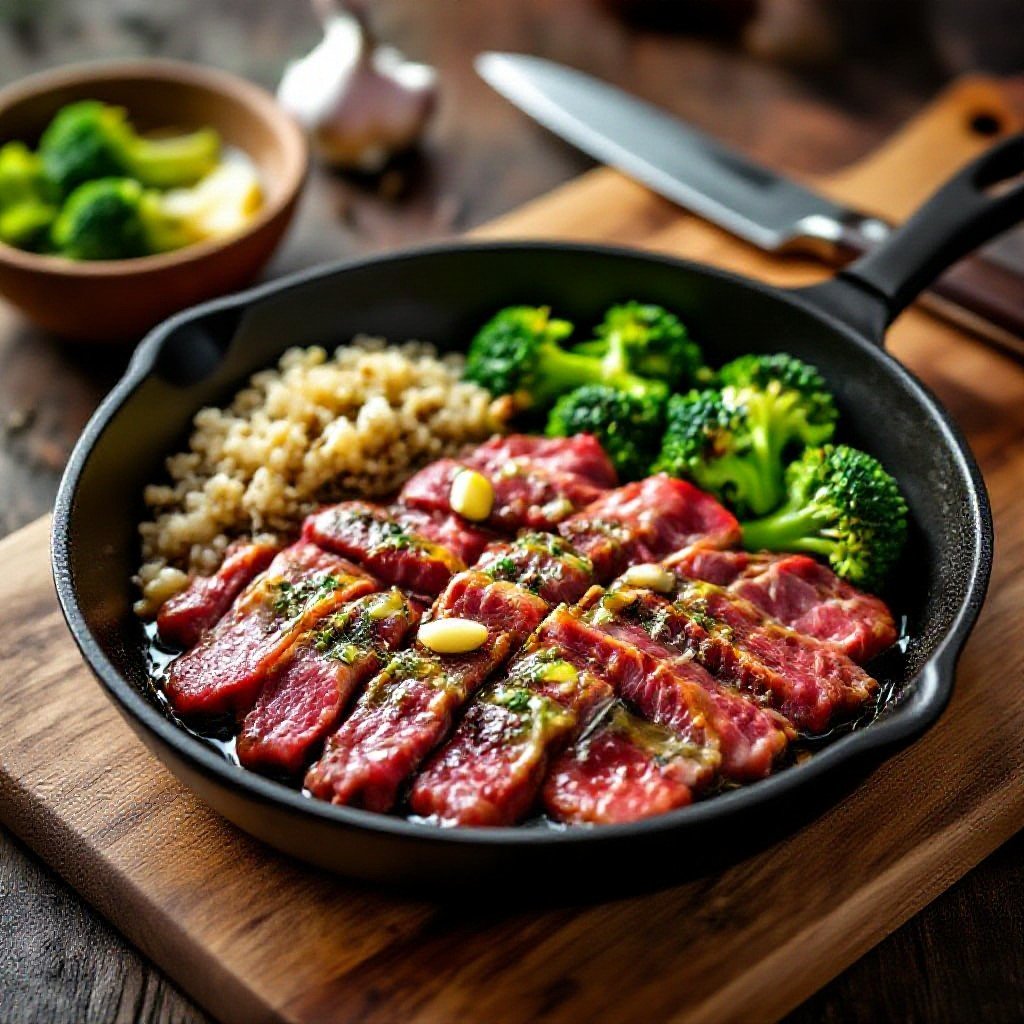
Healthy Beef Quick Prep
Tired of choosing between a fast dinner and a healthy one? You don’t have to. Lean beef cooks quicker than you’d think, packs serious protein, and fits into almost any busy schedule. Your weeknights are about to get a whole lot easier, and your plate a whole lot better.
Key Takeaways:
- Lean cuts like sirloin or flank steak cook fast and pack in protein without dragging in a ton of extra fat, so your weeknight dinner doesn’t turn into a grease fest.
- A hot pan, an air fryer, or even a quick pressure cook can get beef from raw to ready in under 15 minutes, no babysitting required.
- Cooking a big batch on Sunday means you’re basically pre paying your future self with grab and go protein for the whole week.
What’s the real deal with lean cuts?
Sirloin, eye of round, 93% lean ground beef… these are your friends if you’re trying to keep your heart in good shape without ditching red meat altogether. A three ounce serving of a truly lean cut packs in roughly 25 grams of protein while keeping saturated fat way lower than something like ribeye or brisket. That matters because saturated fat is the stuff your doctor keeps warning you about, the kind linked to higher LDL cholesterol over time. You don’t have to swear off beef to protect your ticker, you just have to get smarter about which part of the cow you’re grabbing.
Your muscle also doesn’t care whether the protein came from a fatty cut or a lean one, it just wants the amino acids. So if you’re chasing a daily protein target, whether that’s for building muscle or just staying full longer, lean beef gets you there without the extra caloric baggage. A pound of 93% lean ground beef can save you a few hundred calories compared to the 80% stuff, and those calories add up fast over a week of meals.
Why I think grass-fed is actually worth the extra buck
Grass-fed beef tends to carry a slightly different fat profile than grain-finished, with more omega-3s and a bit less overall fat marbling. That’s not a miracle cure, but it does nudge your fatty acid intake in a better direction if you’re eating beef regularly. You’ll notice the price tag jump at the store, sometimes by several dollars per pound, and that sticker shock is real.
Paying more for grass-fed makes sense once you think about how often you’re eating beef versus treating it as an occasional meal. If red meat shows up on your plate three or four times a week, those small nutritional differences compound. For an occasional Tuesday night dinner, conventional lean cuts still do the job just fine, and your wallet will thank you.
Don’t let those confusing labels trick you
“Natural,” “grass-fed,” “lean,” “extra lean” – these words get slapped on packaging with wildly different meanings behind them. Extra lean legally means less than 5 grams of fat per 100 gram serving, while lean allows up to 10 grams. Grass-fed doesn’t automatically mean grass-finished either, since plenty of cattle graze early on then get moved to grain before slaughter.
Checking the nutrition panel beats trusting the front of the package every single time. Flip that label over and look at grams of saturated fat per serving, not just the marketing claim shouting at you in bold letters. A cut labeled “natural” can still be loaded with fat, since that term only refers to minimal processing, not nutritional content.
How do I get this stuff ready fast?
Grab your beef and toss it in the freezer for about 15 minutes before you even pick up a knife. That firms up the muscle fibers just enough to make slicing thin against the grain almost effortless, and it’s the single biggest time saver in your whole routine. Thin strips cook faster, absorb flavor quicker, and chew easier, which means you’re not standing over a pan wondering why your sirloin still feels like a shoe sole. Once you get the hang of spotting the grain direction, you’ll cut prep time roughly in half compared to hacking at a whole steak.
Your cutting board setup matters more than people admit. Keep a damp towel underneath it so it doesn’t slide around while you’re working quickly, and set your beef on a plate nearby so you’re not reaching across the counter every ten seconds. Slicing against the grain in one smooth motion, rather than sawing back and forth, keeps your pieces uniform. Uniform pieces mean everything finishes at the same time later, so you’re not left picking out undercooked chunks from a mixed batch.
My take on the 15-minute flavor soak
Fifteen minutes sounds too short to do anything, but thin sliced beef doesn’t need hours in a marinade the way a thick roast does. Because you’ve already cut against the grain, the surface area exposed to your soy sauce, garlic, or citrus mixture is massive compared to a whole cut. That means flavor penetrates fast instead of just sitting on the outside. You’re basically hacking the marinating process by doing the knife work first.
Skip the fridge for this short window and just let it sit on the counter in a shallow dish. Cold beef absorbs liquid slower, so room temperature actually speeds up the soak. Stir the strips halfway through so every piece gets even contact with the marinade. Fifteen minutes gets you noticeably seasoned meat, not bland strips with a flavorful puddle underneath.
Seriously, just use a sharp knife for once
Your dull kitchen knife is the real enemy here, not your schedule. A blade that’s lost its edge tears through beef fibers instead of slicing them cleanly, which shreds your thin cuts into ragged, uneven pieces. Ragged pieces cook unevenly, and uneven cooking is exactly what turns lean beef tough and chewy. Sharpening your knife takes maybe two minutes with a basic honing rod, and that small habit changes everything about how fast and clean your prep goes.
Test the blade on a tomato before you start on beef. If it glides through the skin without pressing down hard, you’re set. Dragging a sharp edge through partially frozen beef gives you paper thin, consistent strips almost effortlessly. You’ll notice the difference in your wrist too. Less sawing, less fatigue, and a noticeably shorter prep session every single time.
Here’s why the air fryer is a total lifesaver
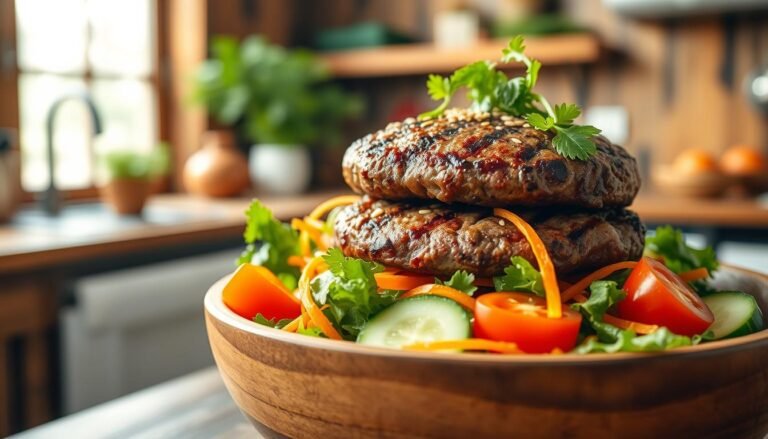
Ground beef patties, thin steaks, even a small roast can go from raw to done in under fifteen minutes flat, and you barely have to babysit the thing. That hot, circulating air crisps the outside without you needing a slick of oil to get there. Most cuts only need a light spritz, maybe a teaspoon, just enough to help seasonings stick. Compare that to pan-searing, where you’re often pouring in a few tablespoons of butter or oil just to keep things from sticking, and the calorie difference adds up fast over a week of meals.
Cleanup is where this tool really earns its keep, too. There’s no splatter across your stovetop, no greasy film on every surface within three feet. You pull out a basket, rinse it, done. For anyone juggling work and dinner and everything in between, that saved time matters as much as the saved fat grams. A quick-cooking device that also skips the excess grease? That’s a win on two fronts, not just one.
The stir-fry secret I swear by
Thin strips of lean sirloin or flank steak, tossed with a splash of low-sodium soy sauce and a hot pan, cook in under five minutes. Speed is the whole point here. Beef that sits too long over high heat turns rubbery, so you want everything sliced thin, against the grain, before it ever hits the surface. A screaming hot wok or skillet sears the outside fast, locking in juices before the inside overcooks.
Vegetables go in first if they need more time, then you push them aside and let the beef hit direct heat alone. Garlic, ginger, a little chili flake, that’s really all the flavor architecture you need. Skip the bottled sauces loaded with sugar and salt; a homemade mix of soy sauce, a touch of sesame oil, and rice vinegar gets you there without the junk. Ten minutes, one pan, dinner’s basically done.
Honestly, stop overcooking your steak
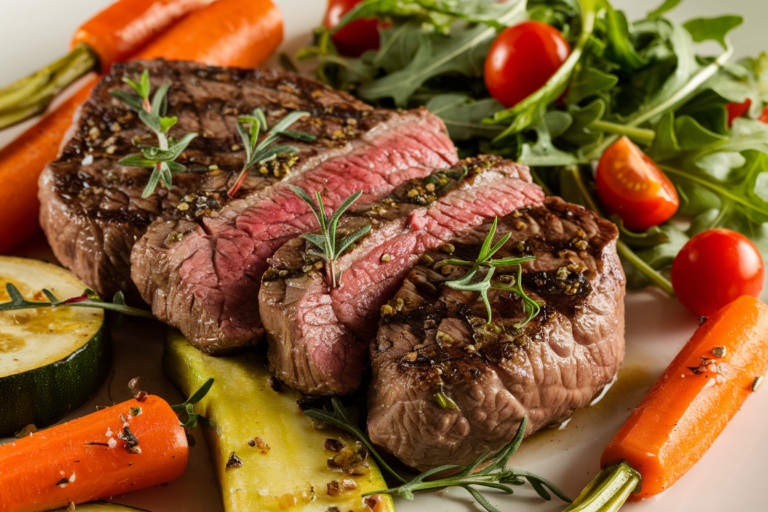
Gray, chewy, flavorless steak is almost always a heat problem, not a cut problem. Even a lean sirloin or tenderloin turns tough when it’s pushed past medium, because there’s less fat marbling to keep things moist. A meat thermometer solves this instantly, pull it around 135°F for medium rare and let carryover heat finish the job while it rests.
Resting matters just as much as temperature. Five to ten minutes off the heat lets juices redistribute instead of pooling out onto your cutting board the second you slice in. Skip that step and you’re basically watching all your effort drain away in real time. Salt your steak ahead, sear it hot and fast, then walk away from it for a few minutes before cutting. That patience is what separates a restaurant-quality plate from a sad, dry one.
Is batch cooking actually a good idea?
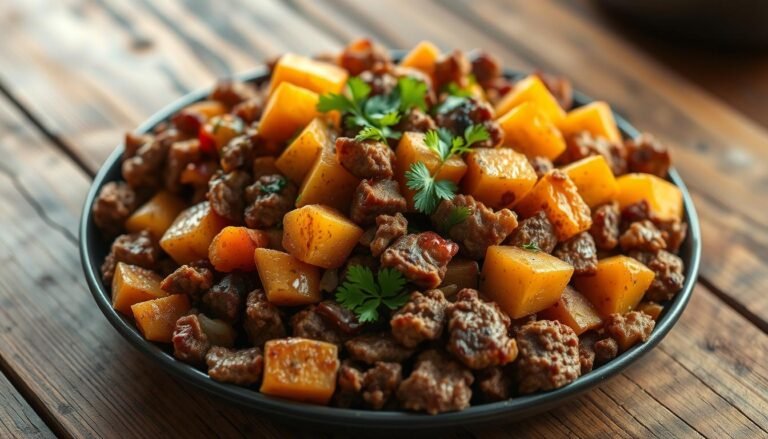
Short answer? Yes, and it’s not even close. Picture your Sunday afternoon: you sear off two pounds of ground beef or a couple sirloin steaks, and just like that, four or five weeknight dinners are basically handled. You’re not standing over a hot pan at 6:30pm when everyone’s hungry and cranky. You’ve already done the hard part. All that’s left is reheating and maybe tossing together a side, which takes ten minutes tops. That’s the whole appeal, and it’s why so many people who actually stick with eating well swear by this method instead of trying to cook fresh every single night.
Where people get tripped up is thinking batch cooking means eating the exact same meal five days straight. It doesn’t have to. Cook one big batch of seasoned beef, then split it three ways: tacos one night, a stir fry the next, tossed into a salad after that. Same base protein, three completely different meals. You’re not sacrificing variety, you’re just front loading the effort so the rest of your week runs on autopilot.
Portions that won’t leave you feeling hungry
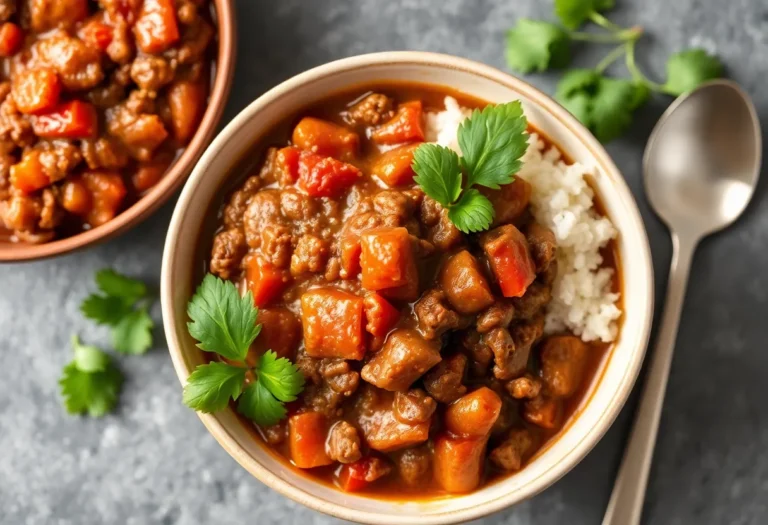
Guessing at portions is where a lot of batch cooking plans fall apart. You make a big batch, eyeball it into containers, and by Wednesday you’re either starving an hour after lunch or you’ve got weird odds and ends left over that don’t add up to a full meal. A kitchen scale fixes this fast. Weigh your cooked beef and divide it evenly, aiming for something in the four to six ounce range per portion depending on your size and activity level, then build the rest of the plate around it.
Protein alone won’t cut it either. Pair each portion with a solid source of fiber, think roasted vegetables, a scoop of rice, or beans, and you’ll stay fuller for longer instead of raiding the pantry an hour later. Divvying everything up right after cooking, while it’s still warm and easy to portion, saves you from the temptation to just wing it later when you’re tired and less patient with measuring anything out.
Keeping your leftovers from getting gross
Nobody wants to open a container three days later to slimy, off smelling beef. Cooling your batch quickly is the first line of defense here, so don’t leave it sitting on the counter for an hour while you clean up. Spread it out on a sheet pan for a few minutes to cool faster, then get it into the fridge within that two hour window food safety folks always talk about. Shallow, wide containers beat deep ones too, since the beef cools and reheats more evenly without turning rubbery in the microwave.
Freezing is your backup plan for anything you won’t eat within three or four days. Portion it into flat, freezer safe bags before it goes in, squeeze the air out, and label it with the date so you’re not playing a guessing game two months from now. Thaw overnight in the fridge rather than on the counter, and reheat with a splash of broth or water so it doesn’t dry out and turn into s


Conclusion
You’ve got everything you need now to turn lean beef into a weeknight hero instead of a weekend project. Skirt steak, sirloin tips, ground round – pick your cut based on your schedule, not fear of the stove. Your air fryer, your cast iron pan, even a sharp knife and a hot skillet can get dinner on the table in under twenty minutes if you trim right and slice against the grain. Batch cooking on Sunday buys you three or four dinners with almost no extra effort on Wednesday night.
Quick prep and healthy eating aren’t opposites, no matter what your old habits told you. You control the oil, the salt, the portion size – and that control is what actually keeps beef on your plate as a smart protein choice rather than an occasional splurge. Start with one method this week, whether that’s the air fryer or a big batch of seasoned strips in the fridge. Your future self, starving after a long day, will thank you for the ten minute dinner waiting in a container.