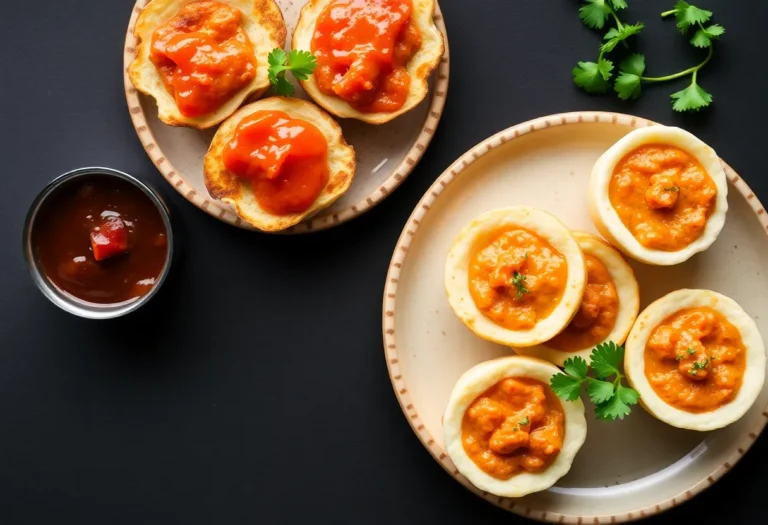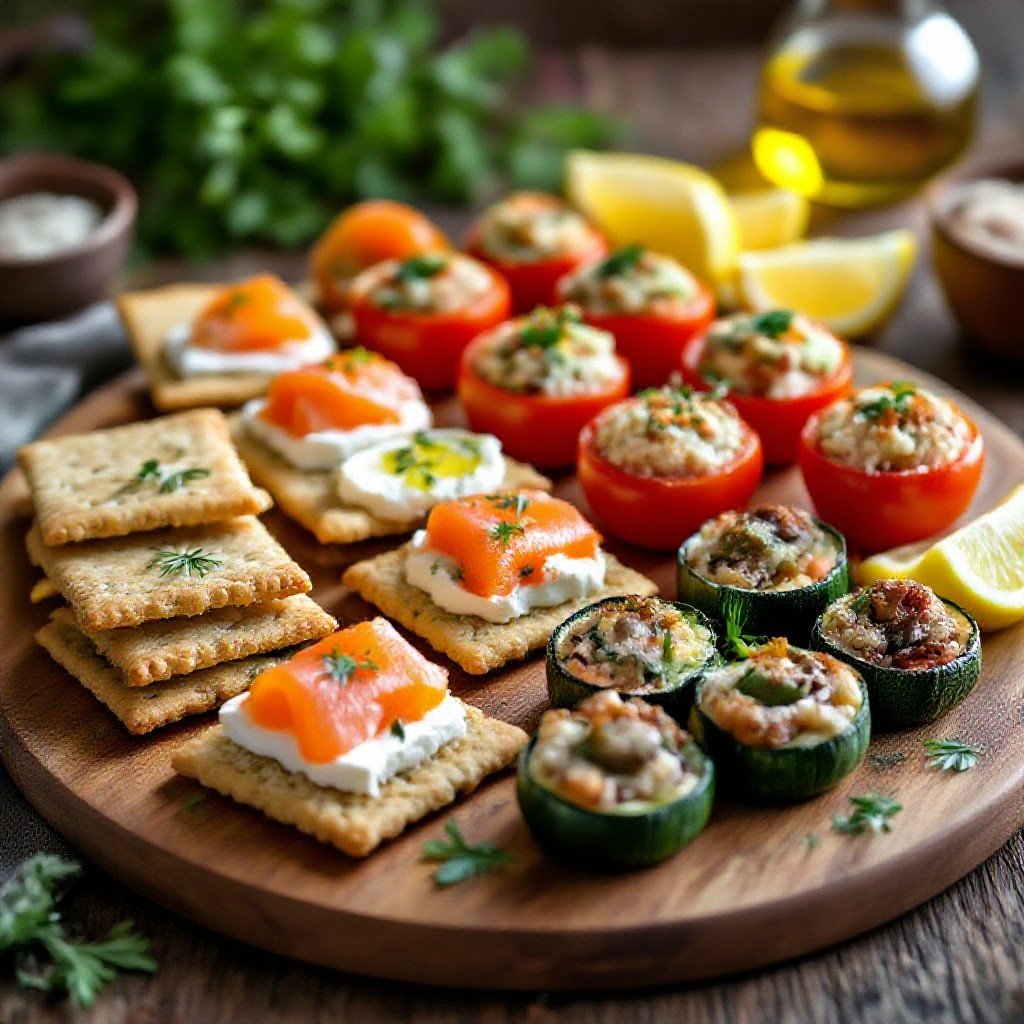
Healthy Gluten Free Appetizers
Party season shouldn’t mean choosing between taste and your dietary needs. You’ve probably stood at a buffet table wondering what’s actually safe to eat, or scrolled through recipes that promise “gluten-free” but deliver bland, sad little bites instead. Good news: you can build a spread that’s genuinely nutritious, packed with flavor, and safe for gluten-sensitive guests. Let’s get into what actually works.
Key Takeaways:
- Swapping in whole veggies, nuts, and simple proteins beats relying on packaged gluten-free crackers, which often pack more sugar and starch than the wheat versions they replace.
- Prep in small batches ahead of time. Cut veggies, mix dips, and portion protein bites a day or two before your gathering so you’re not scrambling when guests show up.
- A good dip or sauce can turn plain vegetables into something people actually fight over at the snack table. Skip the store bought jars loaded with fillers and stick to a handful of real ingredients instead.
Wait, is gluten-free actually healthy?
Slapping a “gluten-free” label on a box of crackers doesn’t automatically make it good for you. That’s the trap so many people fall into, and honestly, it’s an easy one to fall into. A gluten-free cookie made with rice starch, potato starch, and a handful of gums is still, at its core, a sugar delivery vehicle. The real question isn’t whether something skips gluten. It’s what’s replacing that gluten. When you build appetizers from actual food, things like chickpeas, almonds, roasted peppers, herbs, you’re working with ingredients your body knows what to do with. That’s the distinction worth caring about.
Think about a plate of stuffed mushrooms made with a cashew based filling versus a bag of gluten-free pretzels. Both fit the label, but they’re not remotely equal in what they offer you. Whole food ingredients bring fiber, healthy fats, and actual micronutrients to the table, while processed fillers mostly bring texture and shelf life. Your appetizer spread can absolutely be both gluten-free and nourishing, but that only happens when you’re intentional about what goes into each bite.
My take on the whole foods vs. processed debate
People assume gluten-free automatically means healthier, and that assumption trips up a lot of well meaning hosts. You’ll find gluten-free versions of chips, crackers, and pastries that are loaded with refined starches and added sugars, just dressed up in different packaging. Swapping wheat flour for tapioca starch doesn’t add nutritional value. It just changes the source of the carbs. So when you’re planning appetizers, the goal isn’t just avoiding gluten. It’s choosing ingredients that actually do something for your body.
Roasted chickpeas, nut based crusts, vegetable purees, these give you texture and flavor without relying on isolated starches and gums to hold everything together. You get more staying power too, since fiber and protein slow digestion in a way processed fillers just can’t. That’s the whole foods advantage in a nutshell: nutrients doing double duty as flavor and function.
Why I think label reading is a must
Grabbing anything marked gluten-free off the shelf without flipping it over is where a lot of people go wrong. Ingredient lists tell the real story, and often that story includes maltodextrin, modified starches, or three different types of gum before you even hit anything resembling real food. Scanning past the marketing claim on the front and reading what’s actually inside becomes a habit worth building, especially if you’re serving these snacks to guests who trust you got it right.
Short ingredient lists tend to be your friend here. If you can picture the ingredient in its whole form, an almond, a sweet potato, a sprig of rosemary, you’re in good shape. Long lists full of unpronounceable additives are a signal to put it back and reach for something simpler. Label reading isn’t about paranoia.
Veggies are seriously the real MVPs
Bell peppers, zucchini, radishes, cucumbers – you’ve got a whole produce aisle just waiting to become your next party centerpiece. Skip the flour-based crackers and let a vegetable do the heavy lifting instead. A hollowed-out cucumber round holds hummus just as well as a cracker does, minus the crumbs everywhere and the guilt trip. Color matters too. Purple cabbage, orange carrots, deep green kale – a plate that looks vibrant gets eaten first, every single time. Your guests aren’t going to miss the gluten when the produce is doing all the talking.
Texture is where a lot of gluten-free spreads fall flat, but vegetables fix that problem instantly. You get crunch from jicama, snap from snow peas, and creaminess from avocado, all without a single processed ingredient in sight. Roasting brings out natural sugars in things like carrots and Brussels sprouts, turning them into something that tastes indulgent even though it’s just olive oil and heat doing the work. Pair a few textures on one board and you’ve built an appetizer spread that feels intentional, not like an afterthought.
Honestly, these stuffed mushrooms are a game changer
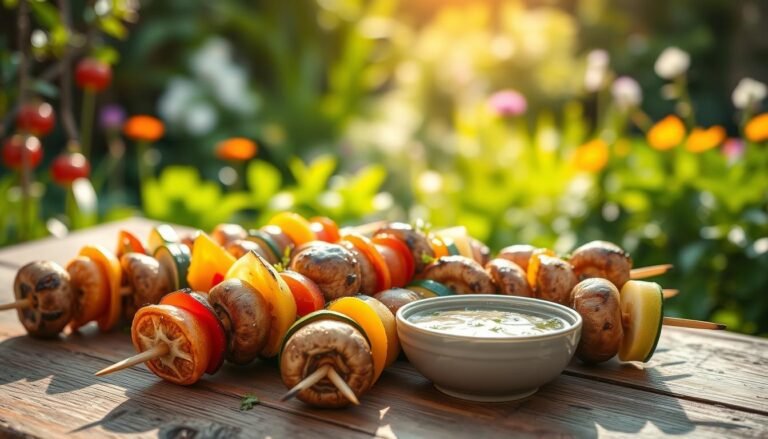
Mushrooms are basically nature’s little vessels, built for stuffing. Cremini or button mushrooms work best because their caps are sturdy enough to hold a filling without falling apart on you mid-bite. Scoop out the stems, chop them up, and mix them back in with garlic, herbs, and a bit of cheese if you’re keeping things simple. Bake at a high heat until they’re golden on top and juicy underneath, and you’ve got something that disappears off the tray within minutes.
Flavor combinations here are basically endless, so you’re never stuck with one version. Sun-dried tomatoes and goat cheese give you a Mediterranean vibe, while spinach and parmesan lean more classic. Swap in dairy-free cheese if you need to, and nobody at the table will notice a difference. What you will notice is how few ingredients it takes to make something that looks like you spent hours in the kitchen.
Why cauliflower is basically a magic trick
Cauliflower shape-shifts into almost anything you ask it to be. Rice, mash, pizza crust, buffalo bites – this vegetable has range most produce can’t touch. For appetizers, breaking it into florets and roasting them with smoked paprika and a squeeze of lime turns a bland vegetable into something with real personality. It crisps up at the edges while staying tender inside, giving you that satisfying bite people usually associate with fried food.
Buffalo cauliflower bites, specifically, deserve their own moment of appreciation. Toss roasted florets in a hot sauce and butter mixture, and you’ve replicated the flavor of wings without any of the heaviness. Serve them alongside
What’s the deal with protein bites?
Your appetizer table needs something with staying power, and that’s exactly what lean protein brings to the table. Chips and crackers give you a quick hit and then leave you rummaging around twenty minutes later. Protein doesn’t work that way. It sticks with you, keeps your blood sugar steady, and stops you from face planting into the cheese board before dinner’s even served. Think grilled chicken, shrimp, turkey meatballs, even little cubes of marinated tofu if you want to mix things up. None of it needs breading, none of it needs a fryer, and all of it fits comfortably into a gluten-free spread without you having to swap out ingredients or read ten labels.
Bite sized formats are what make this category so useful for entertaining. You’re not asking guests to sit down with a knife and fork, you’re handing them something they can grab, eat in two bites, and move on with their conversation. That ease matters when you’ve got a room full of people mingling. Skewers, picks, small ramekins, whatever gets the protein into their hand without a mess. It’s a practical solution as much as a nutritious one.
The real deal on clean shrimp cocktail
Shrimp cocktail gets treated like a throwaway appetizer, something you order because nothing else on the menu looks interesting. That’s a shame, because it’s actually one of the cleanest options you can put out. Shrimp itself is lean, low in calories, and loaded with protein, so you’re getting a lot of nutritional value for very little effort. The trick is watching what you pair it with. Store bought cocktail sauce can be sneaky with added sugar and sometimes gluten based thickeners, so check labels or just make your own with a few pantry staples.
Poaching your shrimp yourself, rather than buying it pre cooked, gives you control over texture and flavor that bagged shrimp just can’t match. A quick simmer with lemon, garlic, and a bay leaf takes maybe five minutes and makes a noticeable difference. Chill it fast, arrange it around a bowl, and you’ve got something that looks fancy but took almost no real effort. Guests will assume you fussed over it. You didn’t.
Why I’m obsessed with chicken skewers
Chicken skewers solve so many problems at once that it’s hard not to reach for them at every gathering. They’re portable, they’re mess free, and they hold up well whether you grill them ahead of time or serve them warm off the heat. Marinate the chicken in something simple, like olive oil, lime juice, and a handful of spices, and you get big flavor without relying on anything processed or gluten adjacent. Nobody’s asking about ingredients when the chicken tastes this good.
Texture is where skewers really shine compared to other protein options. Charring the edges on a grill or under the broiler gives you that little bit of crisp against the tender inside, and that contrast keeps people coming back for seconds. Kids
Dips that don’t taste like cardboard
Bland gluten-free dips usually happen because someone swapped out flavor along with the flour. That’s the mistake you don’t want to make. Fresh herbs like dill, cilantro, and basil do heavy lifting here, and so do good fats: real olive oil, tahini, avocado, full-fat yogurt. Skip the low-fat versions of anything, because fat carries flavor and keeps the texture creamy instead of gluey. Toasted cumin seeds, a squeeze of lemon, a clove of garlic smashed into paste rather than minced small and bitter, these little moves make a dip taste like someone actually cared. Your gluten-free crackers or veggie sticks deserve something worth dunking them into.
Texture matters just as much as taste. A dip that’s too thick tastes chalky no matter what’s in it, so thin things out gradually with olive oil, a splash of aquafaba, or a bit of the liquid from canned beans. Salt matters too; under-salted dips taste flat and stale even when the ingredients are fresh. Taste as you go, adjust in small increments, and let the dip sit for ten minutes before you judge it. Flavors bloom once ingredients mingle. Give herbs and acid a minute to settle in.
My secret to the creamiest hummus ever
Peeling chickpeas sounds tedious, and it kind of is, but it’s the single biggest change you can make. Those little skins are what give store-bought hummus that grainy, pasty quality. Rub canned chickpeas gently in a towel and most of the skins slip right off. Blend the peeled chickpeas with a generous amount of tahini, a fresh clove of garlic, and ice-cold water instead of room temperature. The cold water whips air into the mixture, giving you that fluffy, almost mousse-like texture you get at a really good Middle Eastern spot instead of the sad tub from the grocery store.
Lemon juice needs to go in before the olive oil, not after, or your hummus turns oily instead of silky. Add the oil in a slow stream while the blender runs, just like you would for a mayonnaise. A pinch of ground cumin and smoked paprika on top adds warmth without overpowering the chickpea flavor underneath. Finish with a drizzle of good olive oil and a few whole chickpeas for texture. That’s the version people ask you for the recipe of.
Seriously, don’t buy the store-bought salsa
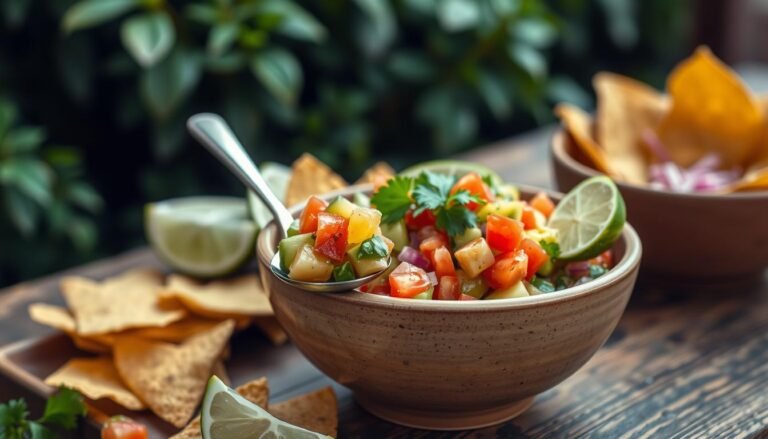
Jarred salsa tends to taste like tomato paste with vinegar dumped in, and once you make your own you’ll notice the difference immediately. Roasting fresh tomatoes, jalapeños, and a whole unpeeled garlic clove under the broiler for a few minutes brings out a smoky sweetness no jar can replicate. Char the skins a little, don’t be shy about it. That blackened bit is where the flavor lives. Blend ever
How to prep without losing your mind
Chopping, measuring, and mixing everything the day you’re hosting is a recipe for chaos, plain and simple. Your best bet is breaking the work into small chunks over a few days so no single day feels overwhelming. Wash and cut your veggies two days out, stash them in airtight containers lined with a paper towel, and they’ll stay crisp and ready to go. Same goes for sauces and dips – most of them actually taste better after a day in the fridge, once the flavors have had a chance to mingle. Spreading tasks out like this means you’re never scrambling an hour before guests arrive, sweating over a cutting board while trying to look presentable.
Prepping early also gives you room to fix mistakes without any pressure. Burned a batch of protein bites? You’ve got time to make more. Dip turned out too runny? You can adjust the consistency without an audience watching. That buffer is worth its weight in gold when you’re juggling multiple dishes for a party. Give yourself that cushion, and the day of the event turns into assembly work rather than a full blown cooking marathon.
Don’t leave everything to the last minute
Waiting until the morning of your gathering to start prepping is where most hosts go wrong. Suddenly you’re trying to roast chickpeas, whisk together a tahini sauce, and slice a dozen vegetables all while answering the door and finding matching serving bowls. Spread these jobs across your week instead. Marinate your protein bites on Wednesday for a Saturday party. Roast your veggies Thursday and let them cool completely before sealing them away. Small, staggered tasks feel manageable in a way that one giant prep day never does.
Batching similar tasks together saves time too. Chop all your vegetables in one sitting rather than pulling out the cutting board five separate times. Mix your dry spice blends ahead and store them in small jars so you’re not measuring cumin and paprika while guests are ringing the doorbell. A little organization early in the week means your actual event day stays calm, and you get to enjoy your own party instead of hiding in the kitchen the whole time.
My favorite make-ahead tricks for busy hosts
Freezing components has saved more of my get togethers than I can count. Protein bites freeze beautifully raw or cooked, so you can pull them out days later and either bake from frozen or reheat in minutes. Sauces and dips also hold up well in the freezer, especially anything with a nut butter or bean base. Just thaw overnight in the fridge and give it a good stir before serving, since separation is totally normal and an easy fix.
Mason jars have become my go to for keeping dips and dressings fresh without taking up fridge space awkwardly. Label each jar with the date so nothing gets forgotten in the back corner. Another trick: pre portion your snacks into small containers the night before, so grabbing and arranging them the day of takes seconds rather
Making it look like you’ve actually got it together
Your guests decide whether food tastes good before they even take a bite. Sounds unfair, but that’s how it works. A plate of hummus and carrot sticks thrown together looks like a sad diet snack. The same exact ingredients, arranged with a little intention, looks like something you’d pay good money for at a wine bar. Presentation isn’t about vanity here. It’s about signaling to people that gluten-free and healthy don’t mean bland or boring, and that first impression shapes how the whole spread gets received before anyone’s tasted a thing.
How to plate things so they look fancy
Height does a lot of heavy lifting on a plate. Stack things instead of spreading them flat, lean a skewer against a bowl, prop crackers upright rather than laying them side by side. Odd numbers read as intentional too, three stuffed mushrooms look styled, four just looks like you ran out of room. Color contrast matters just as much, a white plate makes bright veggies and dips pop in a way a patterned platter never will.
White space is your friend, so don’t cram every inch of the tray. Leaving a little breathing room around each item makes the whole thing look curated rather than crowded. Varying shapes helps too, round dip bowls next to angular cracker stacks next to skinny veggie spears creates visual movement instead of a flat wall of snacks.
Garnish is actually way more important than you think
A scatter of fresh herbs turns a plain bowl of guacamole into something that looks restaurant made. Chopped chives, a few whole cilantro leaves, a sprinkle of paprika, these tiny additions cost almost nothing and take seconds to add. Yet they signal effort in a way nothing else quite does. Guests notice garnish even when they can’t articulate why a dish looks polished.
Citrus zest, edible flowers, a drizzle of good olive oil across the top of a dip, these small touches do a surprising amount of work. Pomegranate seeds scattered over a bean dip add color and crunch for pennies. So does a lemon wedge tucked next to a platter of roasted chickpeas. None of this changes the nutrition, but it changes how the food gets perceived, and honestly, perception is half the battle when you’re serving something healthy to a crowd that expected chips and dip.

To wrap up
You don’t need a cabinet full of specialty flours or a culinary degree to pull off appetizers that taste good and skip the gluten. What you actually need is a handful of solid ingredients, a little planning, and the confidence to let simple flavors do their job. Stuffed peppers, protein bites, a good dip made from real food instead of a powdered mix packet: these are things you can make on a random Tuesday, not just for a party. Your friends and family won’t clock the difference between “gluten-free” and “just genuinely tasty” if you get the seasoning and texture right.
So next time you’re staring down a menu or a fridge full of odds and ends, trust the basics you’ve picked up here. Roast something, blend something, wrap something in lettuce if you’re out of crackers. Small swaps add up fast, and your guests will remember the flavor, not the label on the box.